
The totem pole
A 14-metre Haida pole that pierces two floors and climbs the staircase with you.
Magnus Manske — CC BY-SA 3.0 · Lajmmoore — CC BY-SA 4.0 · Jwslubbock — CC BY-SA 4.0 · Lajmmoore — CC BY-SA 4.0
A fourteen-metre cedar totem pole, carved by the Haida people of Haida Gwaii off Canada's Pacific coast in about the 1860s, has stood here since 1926, rising through an opening in the ceiling from the ground-floor archaeology hall straight into the anthropology gallery above. You follow the eagle, thunderbird, killer whale and beaver up the staircase as you go, and nothing else in Cambridge's museums quite matches that. The museum belongs to the university. It was founded in 1884 and moved to this Downing Street building in 1913, and it claims close to a million objects, though what is on show across three floors is a small fraction. The ground floor covers the archaeology of Cambridge and its surroundings, from Stone Age to Anglo-Saxon, plus a modest room for temporary exhibitions. The first floor is the heart of the place: Maudslay Hall, with its old wooden cases crowded with masks, canoes and textiles from the Pacific, Africa and Asia, among them material brought back by Captain Cook's voyages in the eighteenth century. The second floor is world archaeology, quieter and quicker. One story worth knowing before you go in: four spears taken by Cook from the Gweagal people at Botany Bay in 1770 were the most famous things here, and in April 2024 they went home to Australia after a long dialogue, replaced in the display by three contemporary spears made by Gweagal elder Rod Mason and lent by the same community. The museum tells this openly rather than hiding it, which makes it more honest than many of its peers. Entry is free and needs no booking, and an hour is enough. It makes most sense combined with the Sedgwick geology museum and the Museum of Zoology on the same site, which together fill a rainy afternoon with children at no cost. There is no cafe inside, but the Whale Cafe at the Museum of Zoology is a few steps away. The lift was out of service at the time of writing, so anyone with a pushchair should check the website first, since the upper two floors and the toilets may be stairs only. It is about twenty minutes on foot from the railway station and five from Market Square.
A 14-metre Haida pole that pierces two floors and climbs the staircase with you.
Old wooden cases packed with masks, canoes and textiles from the Pacific, Africa and Asia.
Cook's original spears went back to Australia in 2024, and the museum tells the story instead of burying it.
Downing Street, Cambridge CB2 3DZ
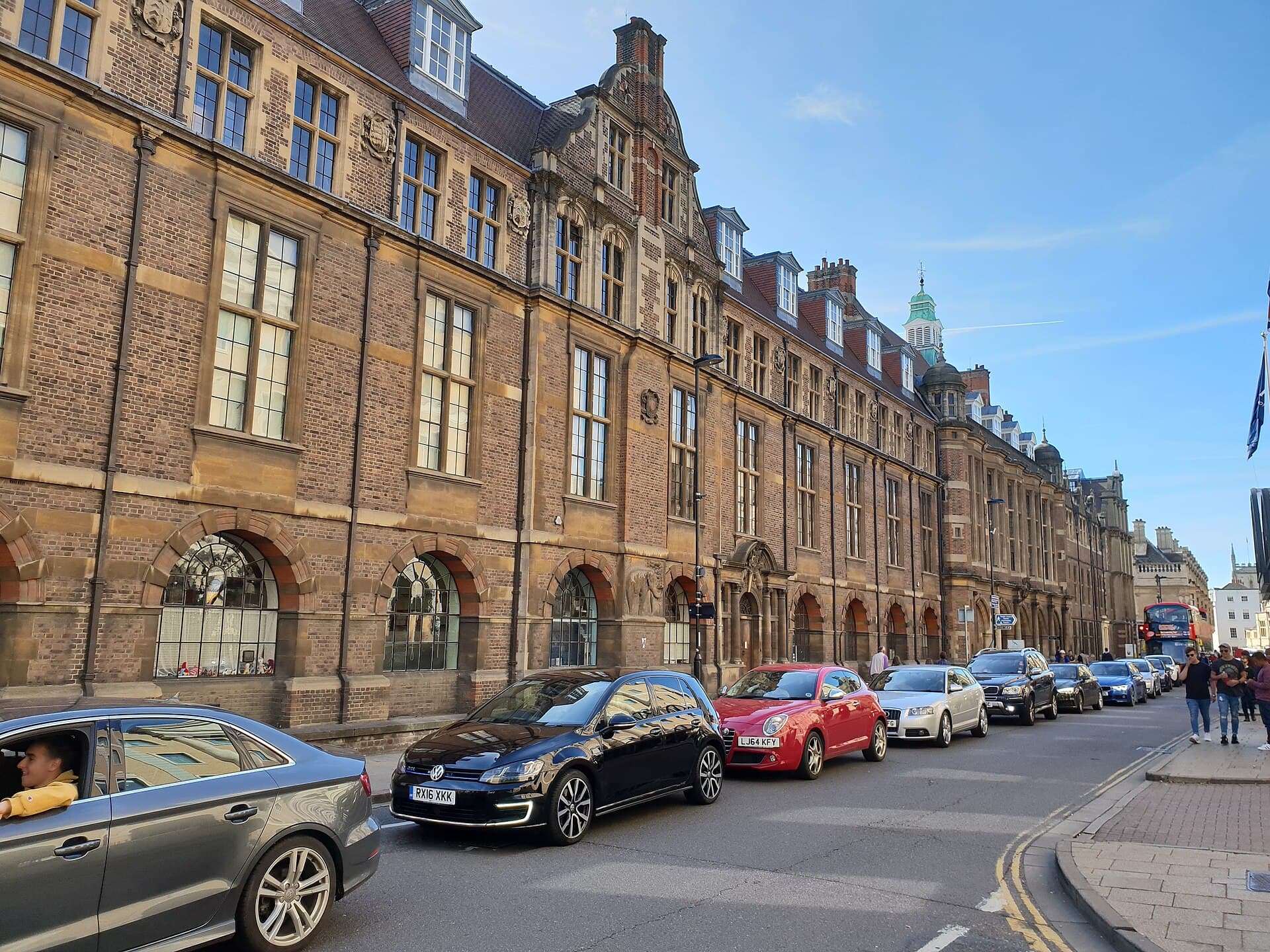 Sedgwick Museum of Earth SciencesAt the top of a grand double stone staircase, guarded by carved bears on one sid1 minute walk4.8
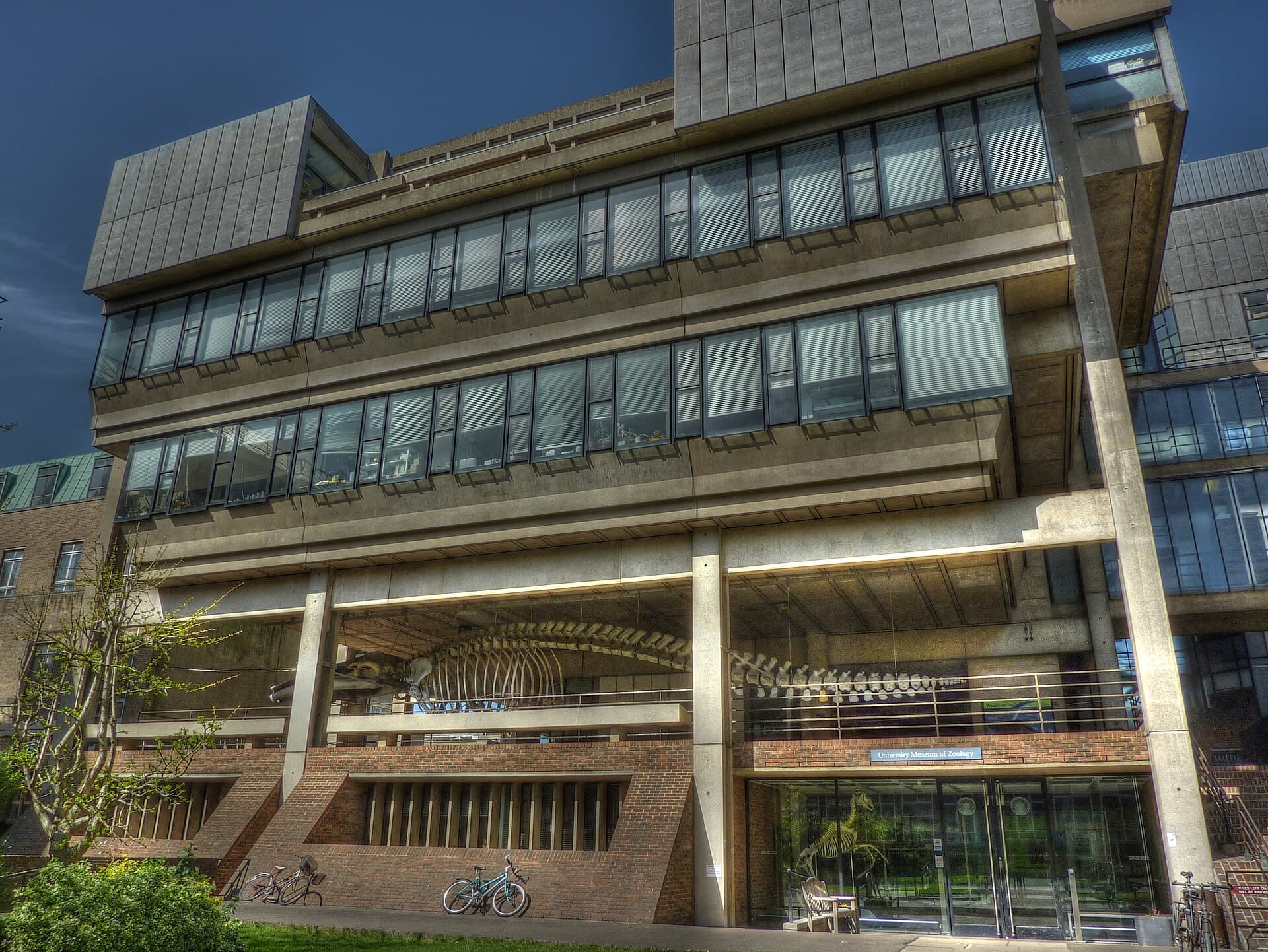 Museum of ZoologyA fin whale skeleton more than 21 metres long hangs over your head before you ha1 minute walk4.8
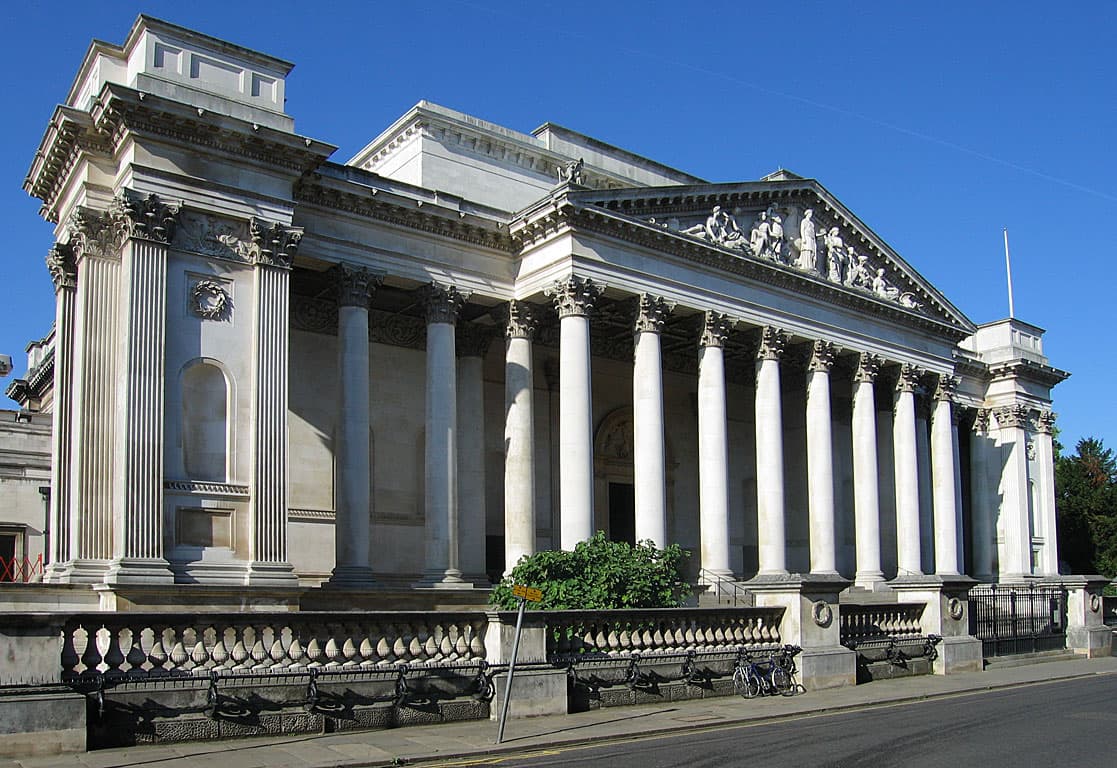 Fitzwilliam MuseumWalk in through the main door and you are under a gilded ceiling held up by marb4 minutes walk4.8
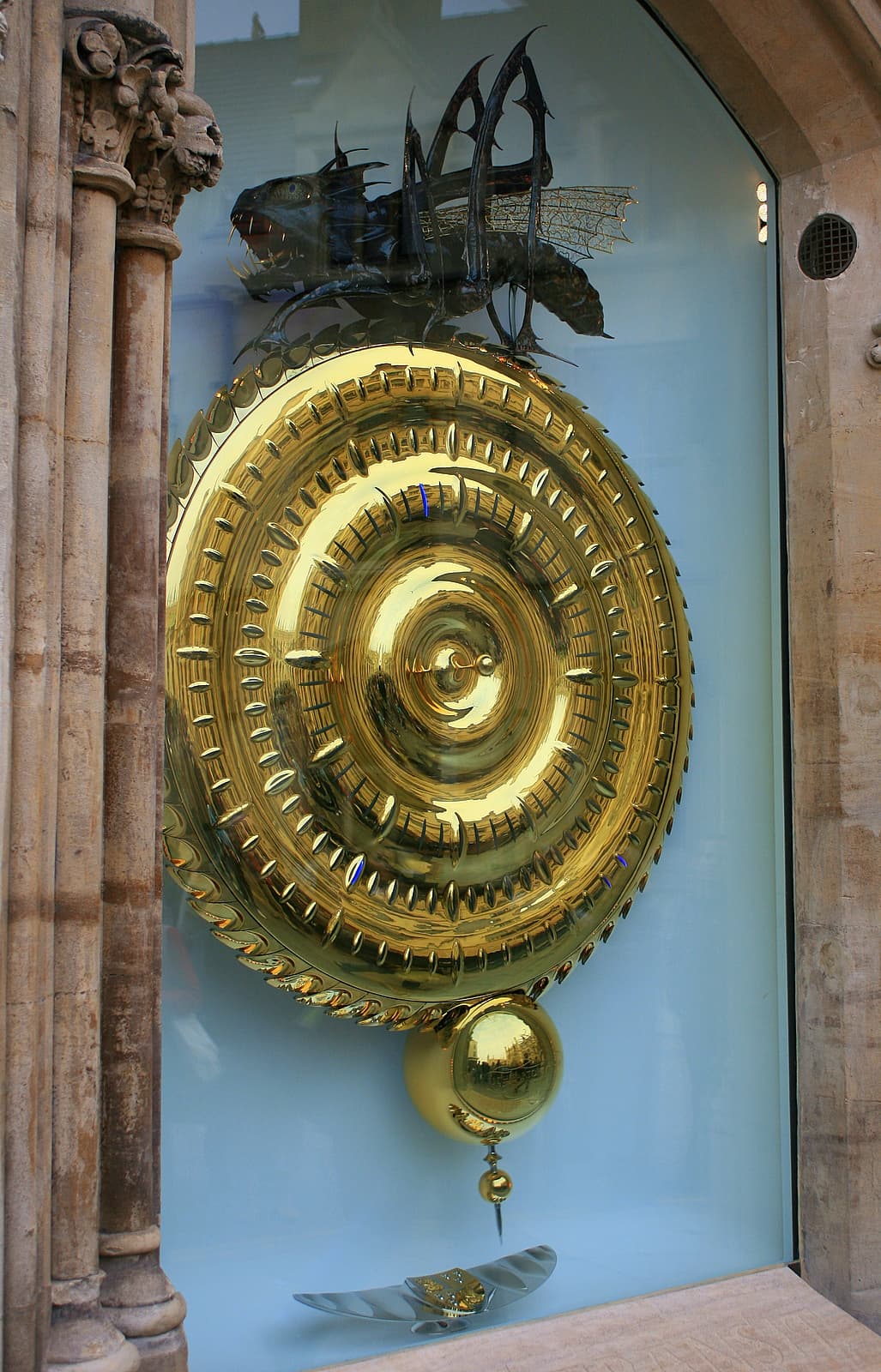 Corpus ClockA clock that cost a million pounds, has no hands, and is deliberately correct on4 minutes walk4.7
 Cambridge Market SquarePeople have been buying and selling on this patch of ground since Saxon times, c4 minutes walk4.4
With children this beats the Fitzwilliam: it is smaller, closer to the centre, and masks, canoes and a totem pole hold them better than paintings, with the Museum of Zoology next door as a bonus. For fine art and the big Egyptian pieces go to the Fitzwilliam. Both are free.
An hour is plenty, ninety minutes if you read the labels. The entrance is step-free, but the lift was out of service at the time of writing, so you may have to carry a pushchair up to the two upper floors, and the toilets are upstairs too; check the website before you go.