
The front and stair
Among the most photographed fronts in Bucharest.
Diego Delso — CC BY-SA 4.0 · DnaX — CC BY-SA 4.0 · Stefan Jurca from Munich, Germany — CC BY-SA 2.0 · Stefan Jurca from Munich, Germany — CC BY-SA 2.0
The Cercul Militar Național stands at a junction on Calea Victoriei, and is one of the handsomest and most photographed fronts in Bucharest — a palace in the French neoclassical manner with columns, a broad stair and a mansard roof. It was built between 1911 and 1923 on the site of an old monastery, to the design of the architect Dimitrie Maimarolu, as a club for Romanian army officers and a venue for their cultural events. Its design is frank in borrowing from Parisian architecture, and deliberately so: Bucharest in that period was building itself on the French model, to the point of being called the Paris of the East. **The building is not a museum** and is not generally entered except for an event or its restaurant; its value to a visitor is external. But it stands at the best point to begin a walk along Calea Victoriei — the street carrying most of Bucharest's fine early twentieth-century architecture, and closed to traffic at summer weekends.
Among the most photographed fronts in Bucharest.
Where the city's best walk begins.
Calea Victoriei 21-23, Bucharest
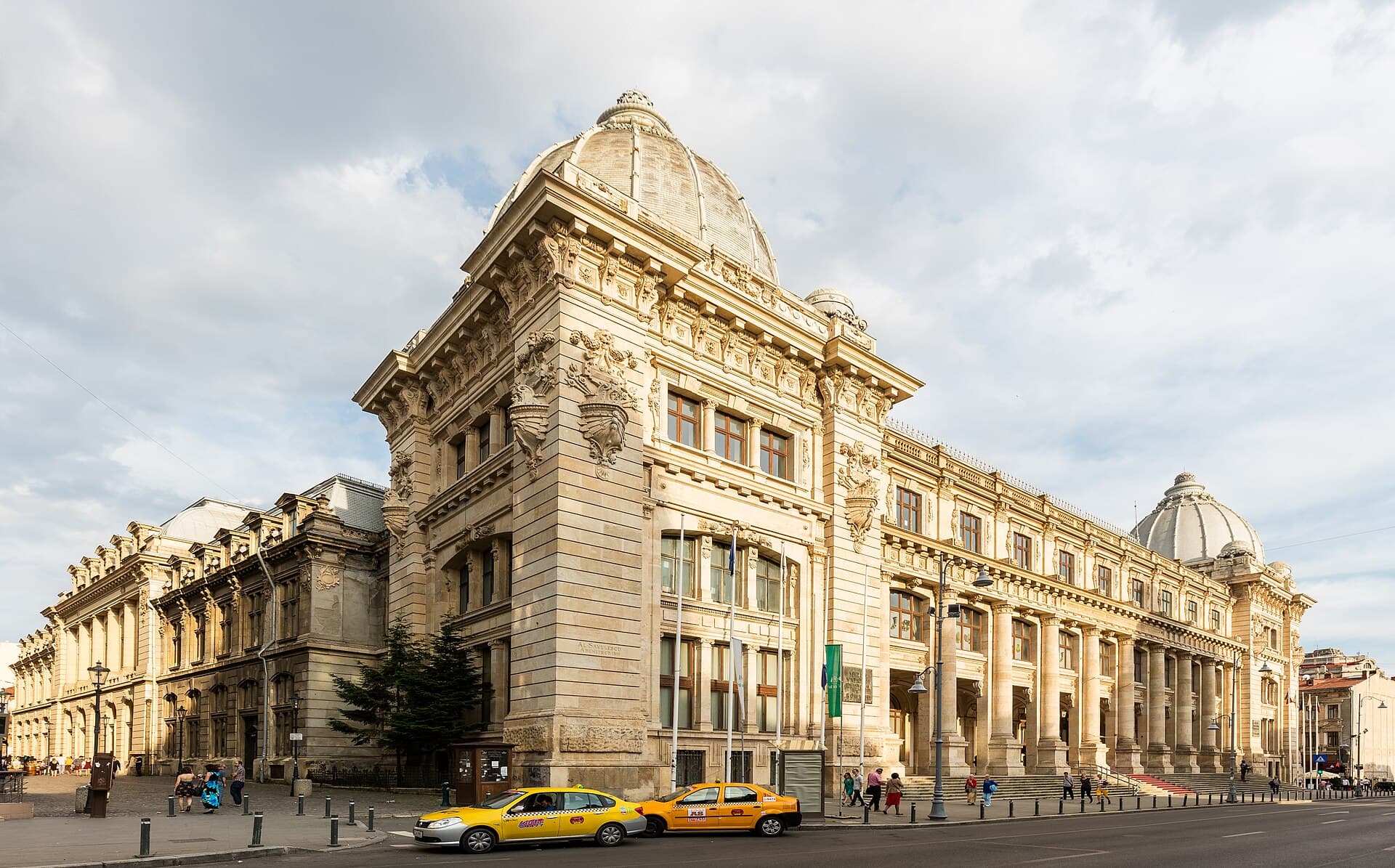 National Museum of Romanian HistoryThe old Postal Palace on Calea Victoriei keeps the country's memory from the Sto5 minutes walk4.3
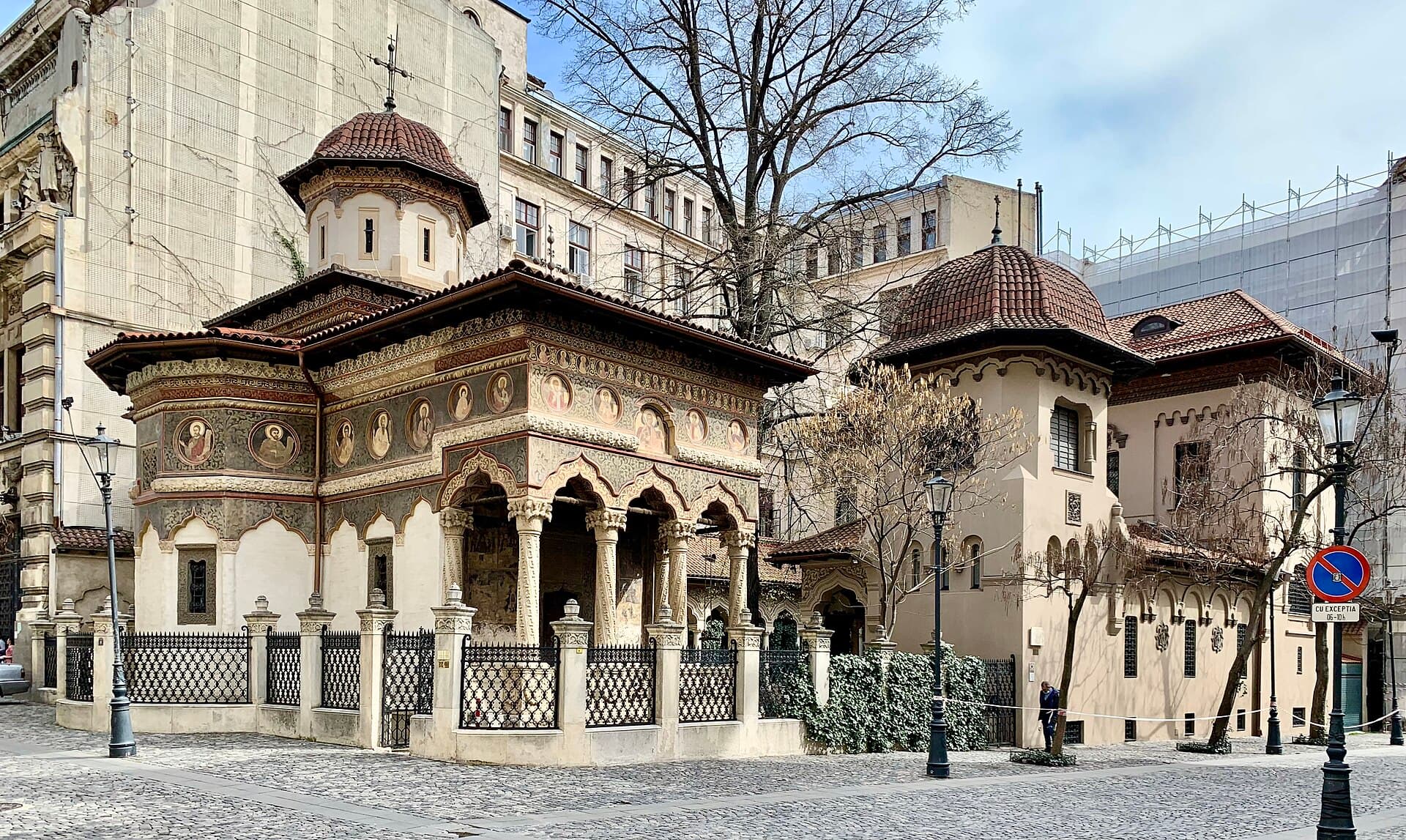 Stavropoleos MonasteryIn a narrow lane behind the noise of Lipscani stands the most beautiful small ch5 minutes walk4.9
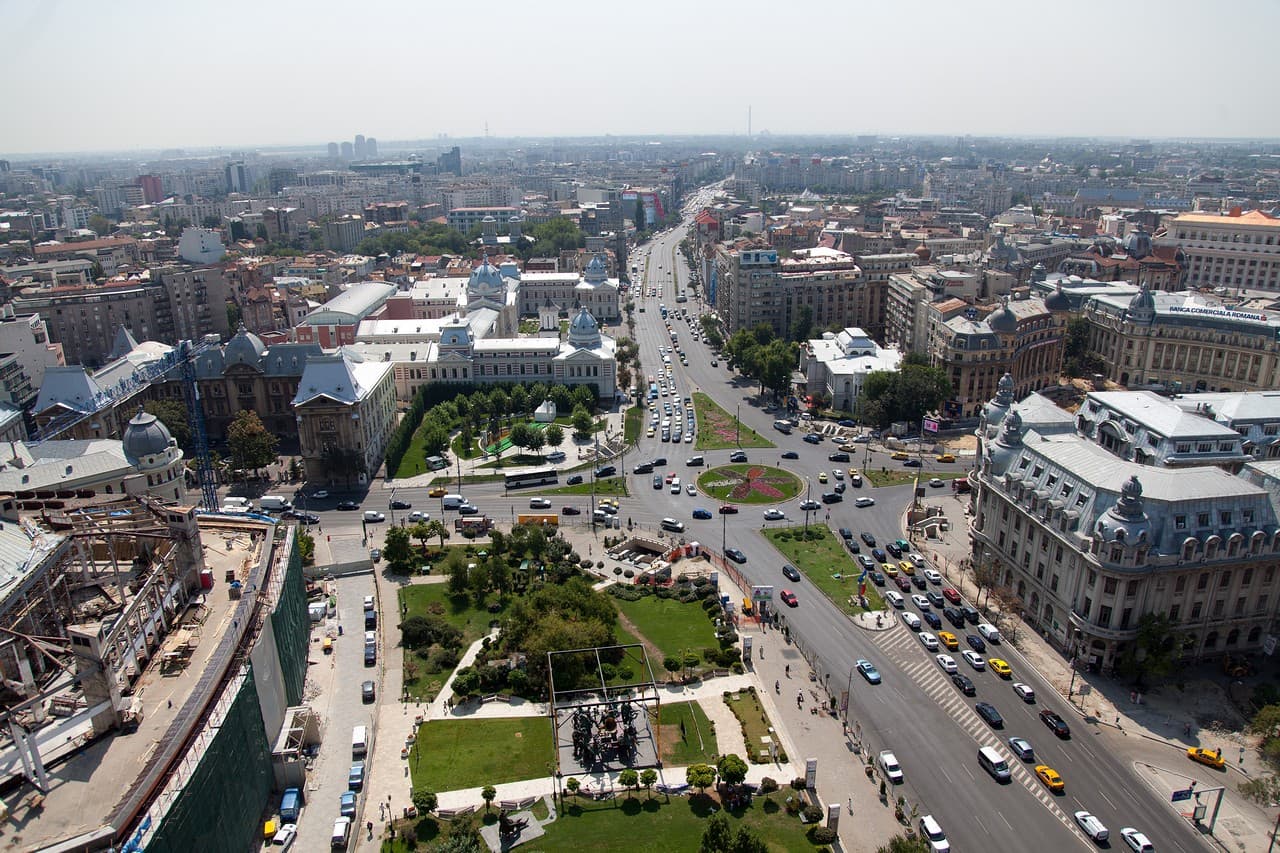 University SquareUniversity Square is where modern Romania happened. A wide junction ringed by th5 minutes walk4.4
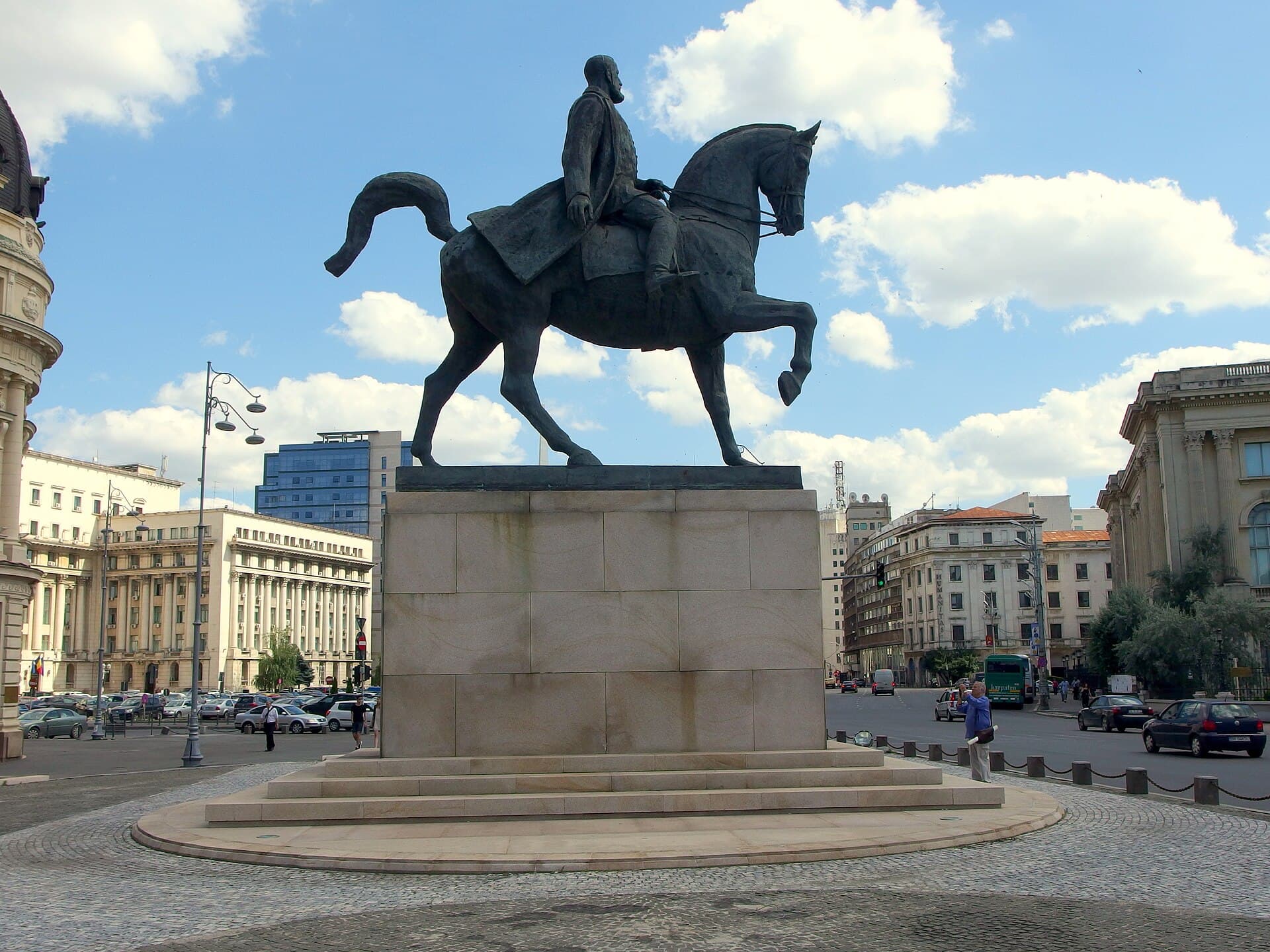 The Equestrian Statue of Carol IA bronze equestrian statue of Carol I, Romania's first king, in Revolution Squar6 minutes walk4.8
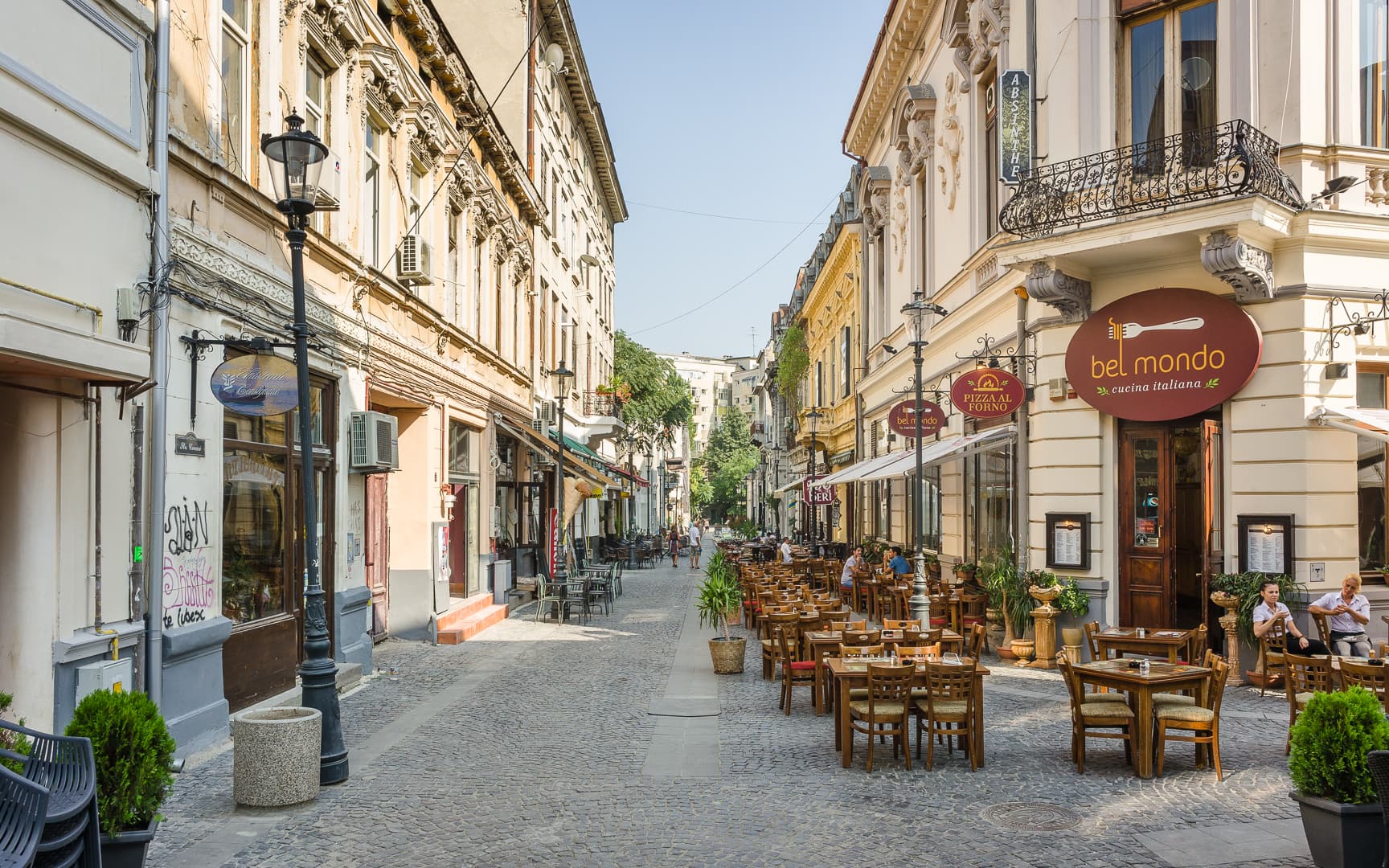 Lipscani — the Old TownLipscani is what remains of old Bucharest: a grid of narrow pedestrian streets b6 minutes walk4.7
The oldest and most important of Bucharest's main streets, running about three kilometres north from the Dâmbovița. Along it stands most of what remains of the Paris of the East: the Military Club, the royal palace that is now the National Museum of Art, the domed Romanian Athenaeum, the Athénée Palace hotel, the city museum in the Șuțu Palace, the Krețulescu church, and the former Central Committee building from whose balcony Ceaușescu gave his last speech. Walking its length takes two hours with stops, and it is the best way to understand the city.