
Hanul lui Manuc
A merchants' inn with a two-storey timber galleried courtyard.
Mihai Petre — CC BY-SA 3.0 · Rakoon — CC0 · Jorge Franganillo — CC BY 2.0 · Stefan Jurca from Munich, Germany — CC BY-SA 2.0
Lipscani is what remains of old Bucharest: a grid of narrow pedestrian streets between the Dâmbovița river and Calea Victoriei, holding most of the historic buildings that survived the twentieth century. The name comes from Lipsca, the Romanian name for Leipzig, because the merchants of this street brought their goods from its fairs in the eighteenth century. Each side street belonged to a trade — furriers, goldsmiths, tailors — and the street names still carry those trades. The quarter was neglected for decades and then restored after 2005, and the result is honestly mixed: fine nineteenth-century buildings — Hanul lui Manuc, the merchants' inn with its timber galleried courtyard, the National Bank, and the ruins of the Old Princely Court, the palace of the princes of Wallachia — interleaved with a very large number of bars and clubs. **By day it is an enjoyable historic quarter to walk; after dark it becomes a loud nightlife district** unsuited to a family with children.
A merchants' inn with a two-storey timber galleried courtyard.
Ruins of the Wallachian princes' palace at the heart of it.
Lipscani, historic central Bucharest
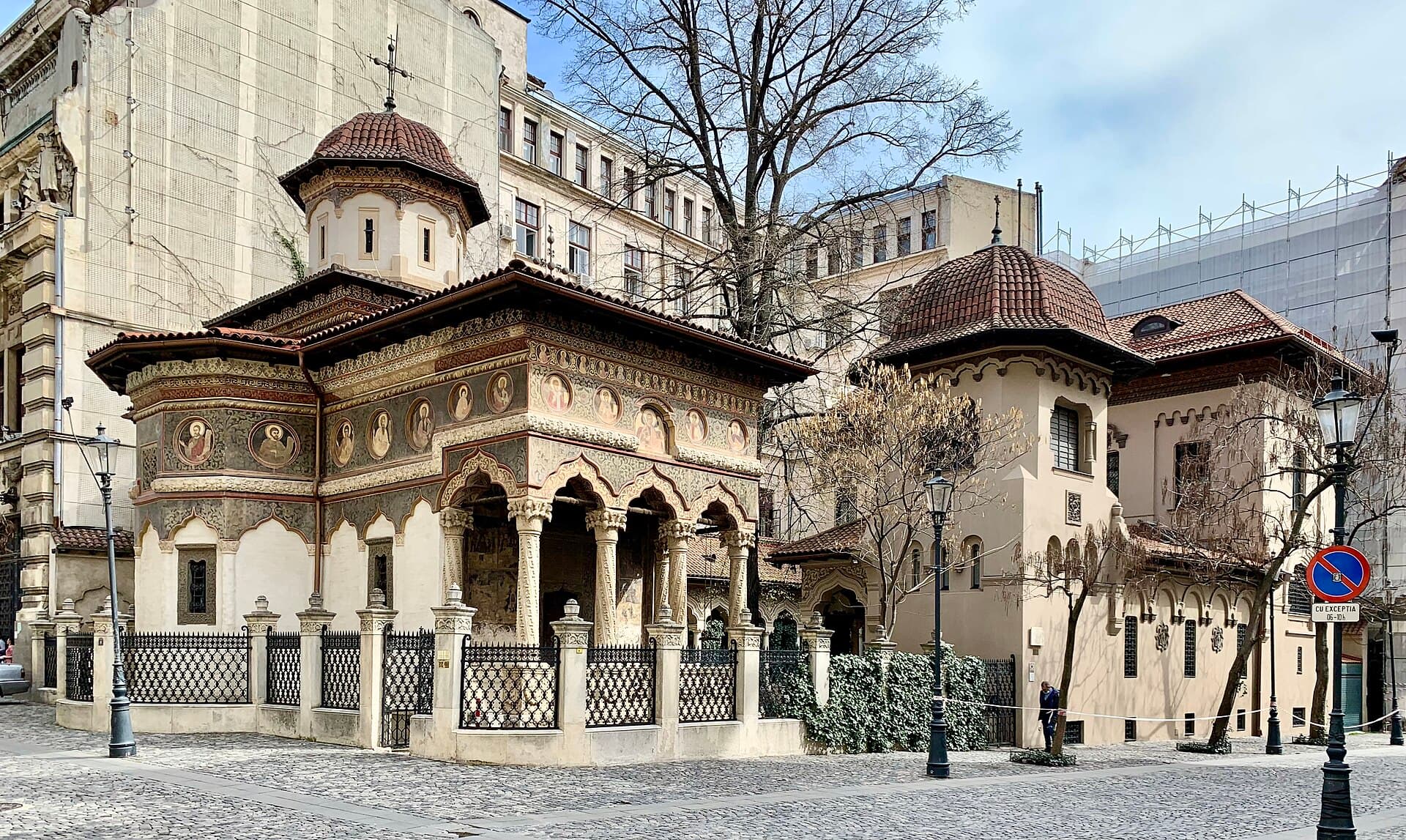 Stavropoleos MonasteryIn a narrow lane behind the noise of Lipscani stands the most beautiful small ch3 minutes walk4.9
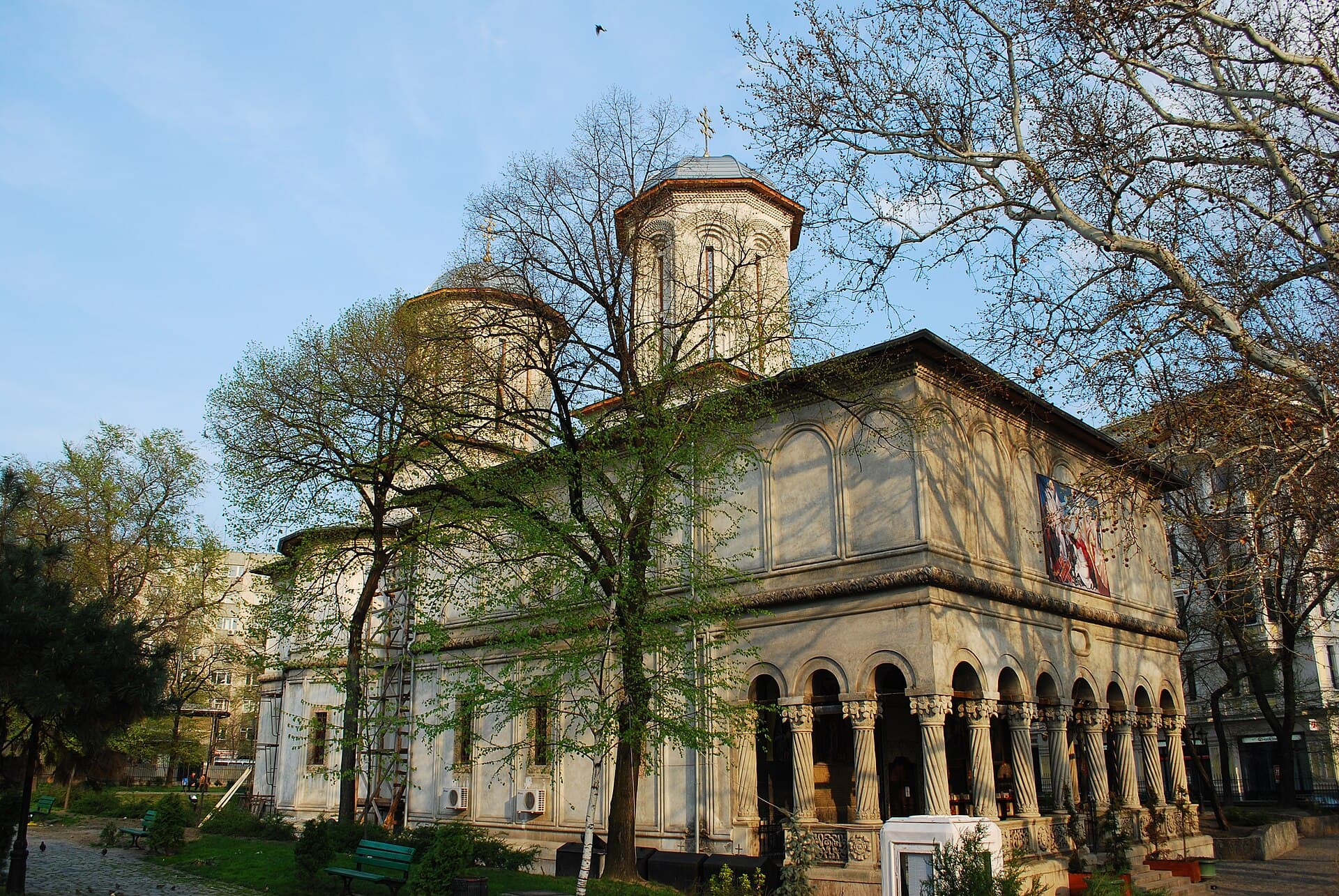 St George's New ChurchSt George's New Church stands at the edge of Lipscani, and holds two places in R3 minutes walk4.7
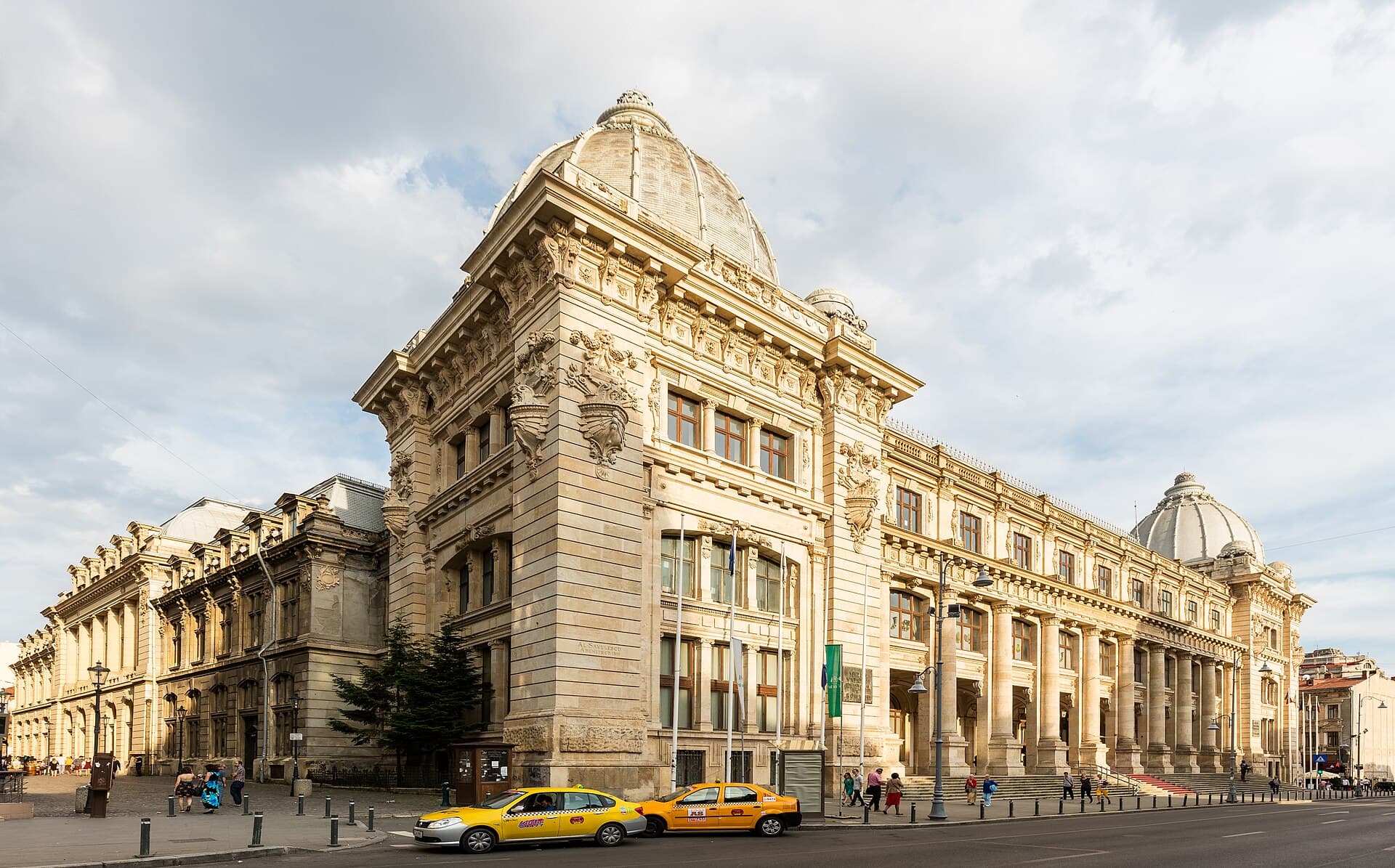 National Museum of Romanian HistoryThe old Postal Palace on Calea Victoriei keeps the country's memory from the Sto4 minutes walk4.3
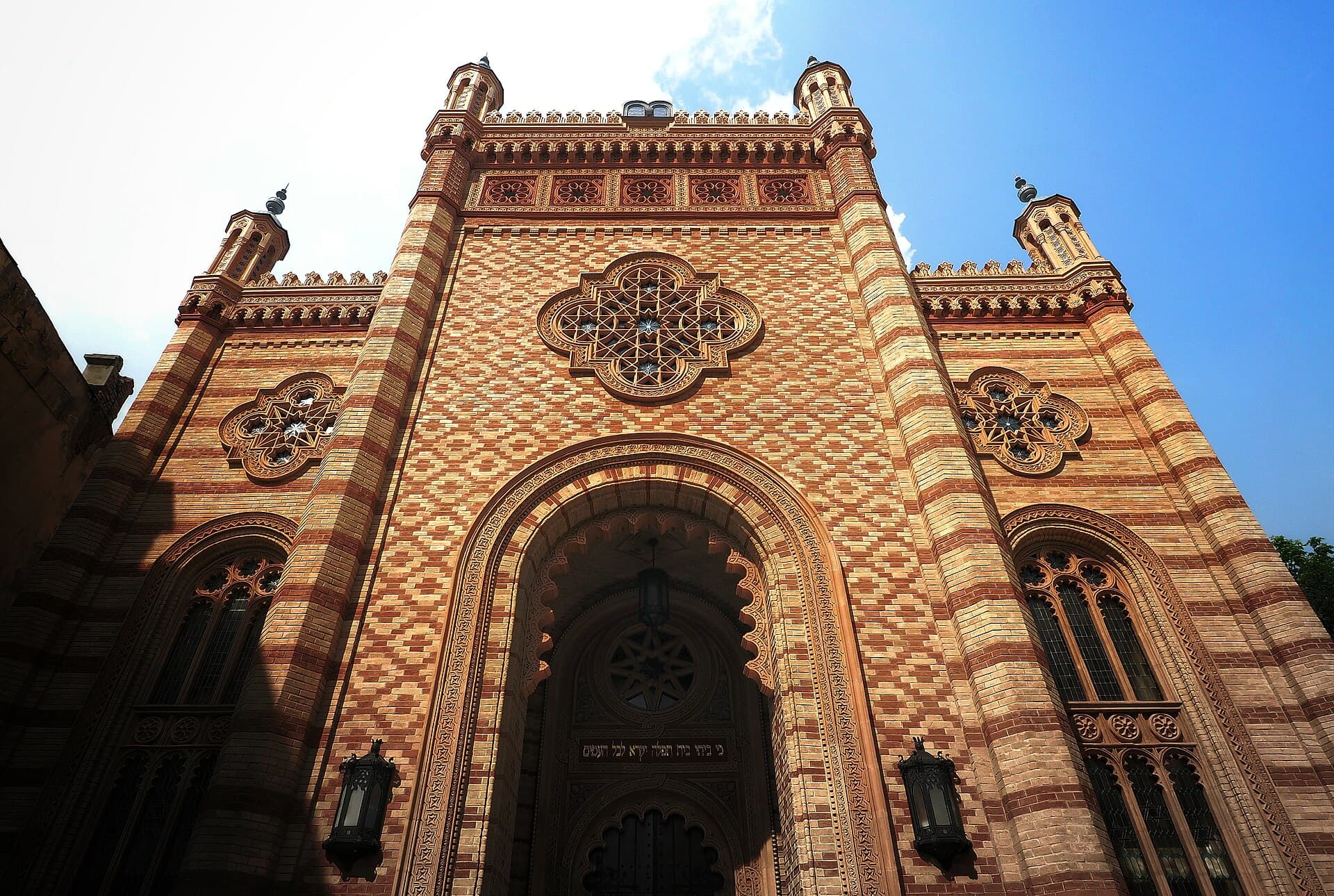 The Choral TempleThe Choral Temple is Bucharest's principal synagogue, built between 1857 and 1865 minutes walk4.5
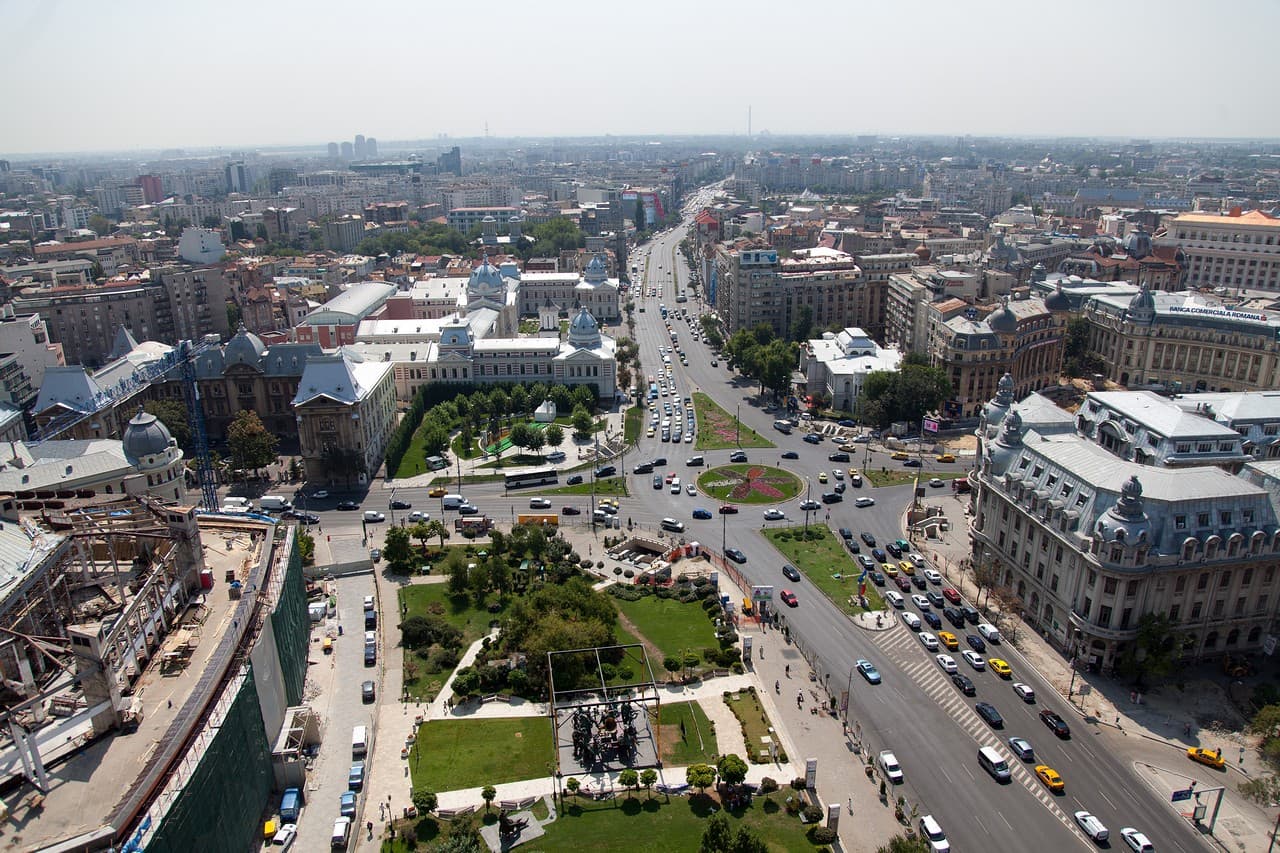 University SquareUniversity Square is where modern Romania happened. A wide junction ringed by th5 minutes walk4.4
A real one, but not the one visitors expect. The Old Princely Court was the palace of the princes of Wallachia, and Vlad III the Impaler enlarged it in the fifteenth century — the prince whose name Bram Stoker borrowed, Dracula meaning son of Dracul, for a novel that has nothing to do with him. Vlad was a real Romanian historical figure: a prince who fought the Ottomans and became known for the cruelty of his punishments, and the first written mention of Bucharest appears in a document he issued in 1459. His bust stands by the ruins. There are no vampires here, only fifteenth-century politics.