
Myeongjeongjeon
Seoul's oldest throne hall.
Richard Mortel from Riyadh, Saudi Arabia — CC BY 2.0 · Wei-Te Wong — CC BY-SA 2.0 · lumoplank — CC0 · kallerna — CC BY-SA 4.0
A quiet palace adjoining Changdeokgung on its east side; the two were once known together as the East Palace. King Sejong built it in the fifteenth century for his father, and King Seongjong enlarged it in 1483 and gave it its present name, as a home for the dynasty's queens and queen mothers. Its throne hall, Myeongjeongjeon, rebuilt in 1616, is the oldest main throne hall surviving in any of Seoul's palaces. Under Japanese colonial rule the palace was turned into a public park with a zoo and a botanical garden, and it recovered its original character only in the 1980s, after the animals were moved out of the city. One thing remains from that period: the Grand Greenhouse, a white iron-and-glass plant house opened in 1909. In front of it lies Chundangji pond, ringed with trees that turn red and gold in October and November. The palace stays open into the evening and is far less crowded than its neighbours. An inner gate leads through to Changdeokgung, which needs its own ticket. Closed on Mondays.
Seoul's oldest throne hall.
A plant house from 1909.
Autumn colour by the water.
185 Changgyeonggung-ro, Jongno-gu; about a 15-minute walk from Hyehwa Station (Line 4)
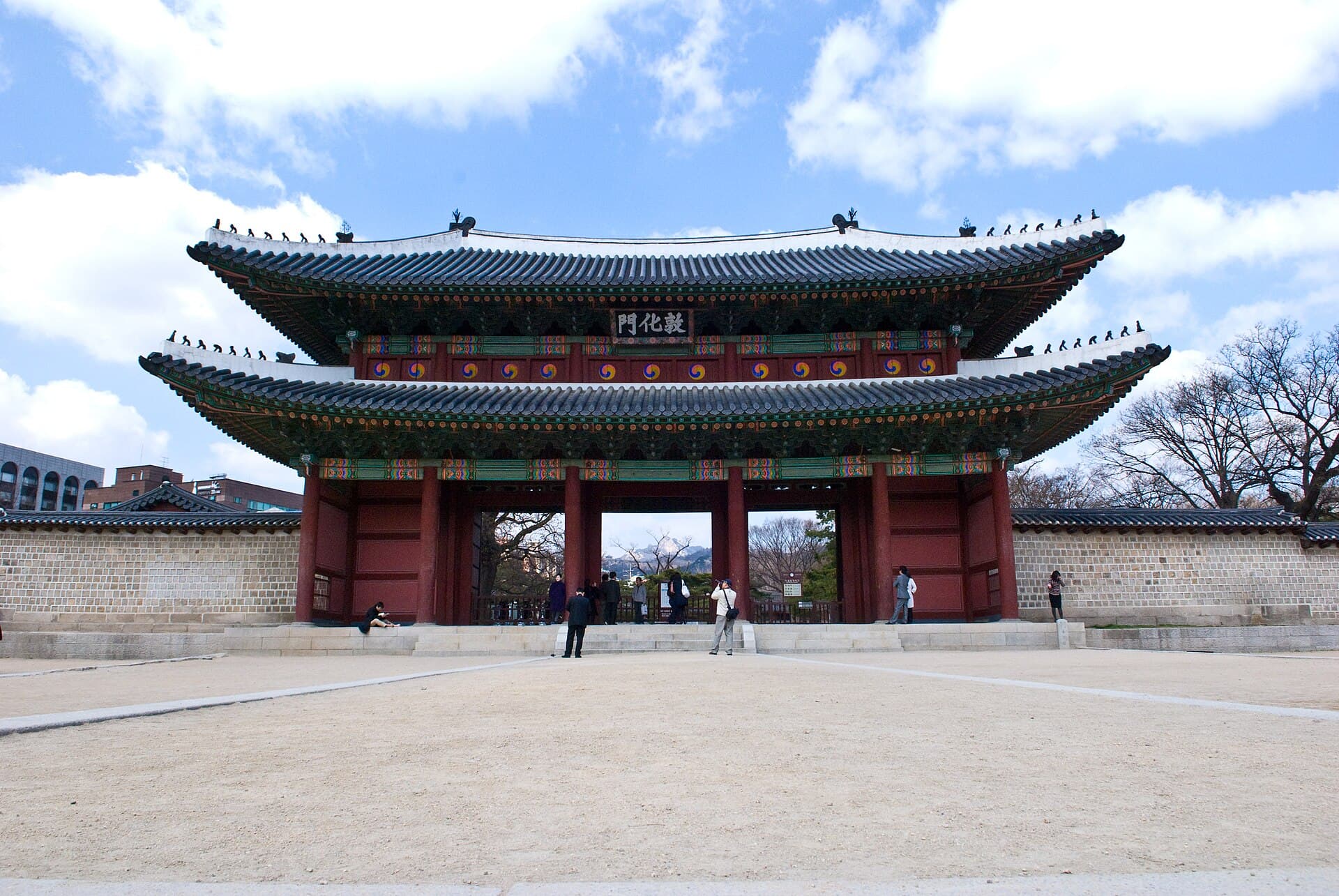 Changdeokgung Palace and Secret GardenThe best preserved of Seoul's royal palaces and a UNESCO World Heritage Site sin4 minutes walk4.5
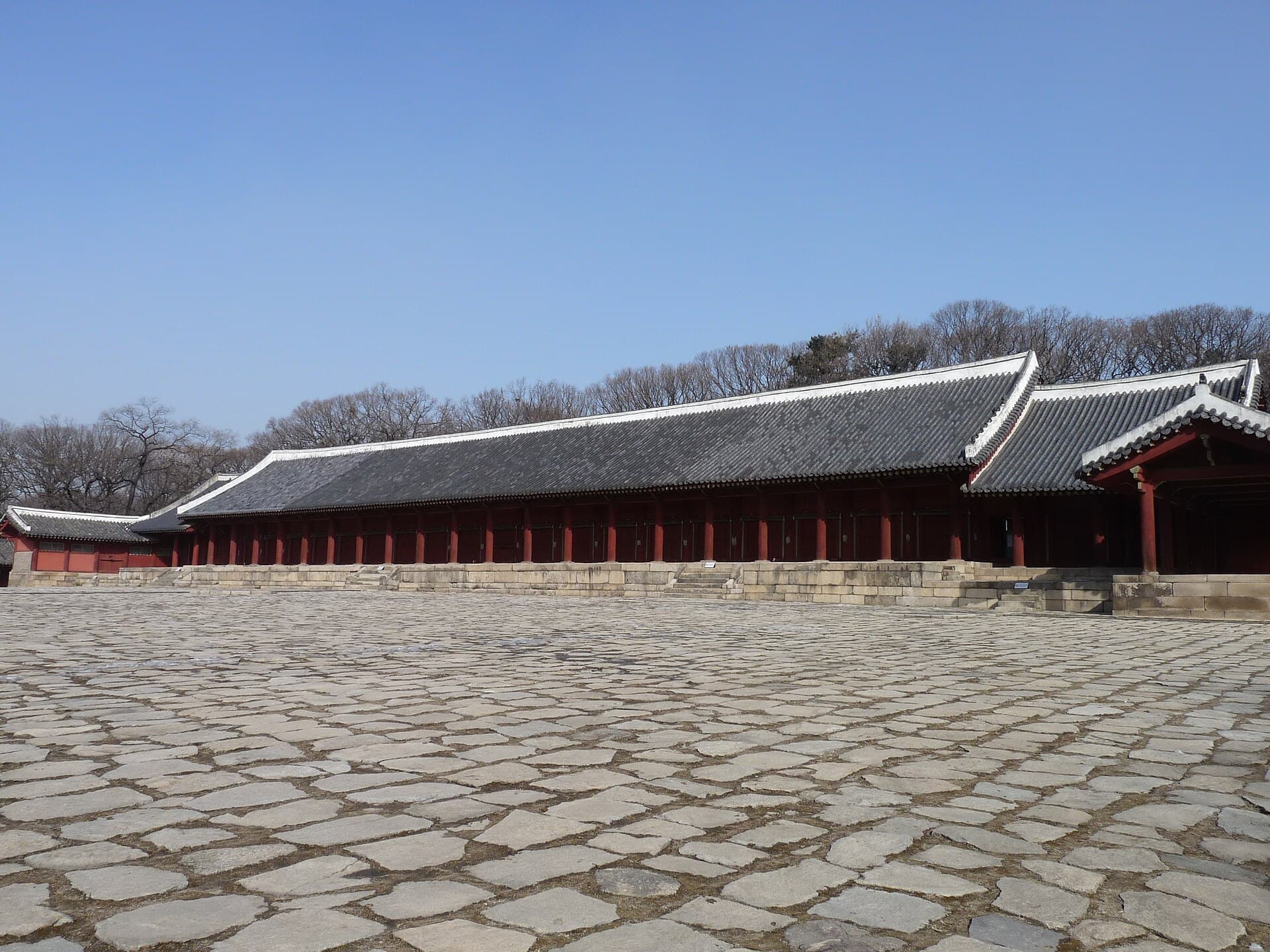 Jongmyo ShrineA royal Confucian shrine built to commemorate the kings and queens of the Joseon6 minutes walk4.6
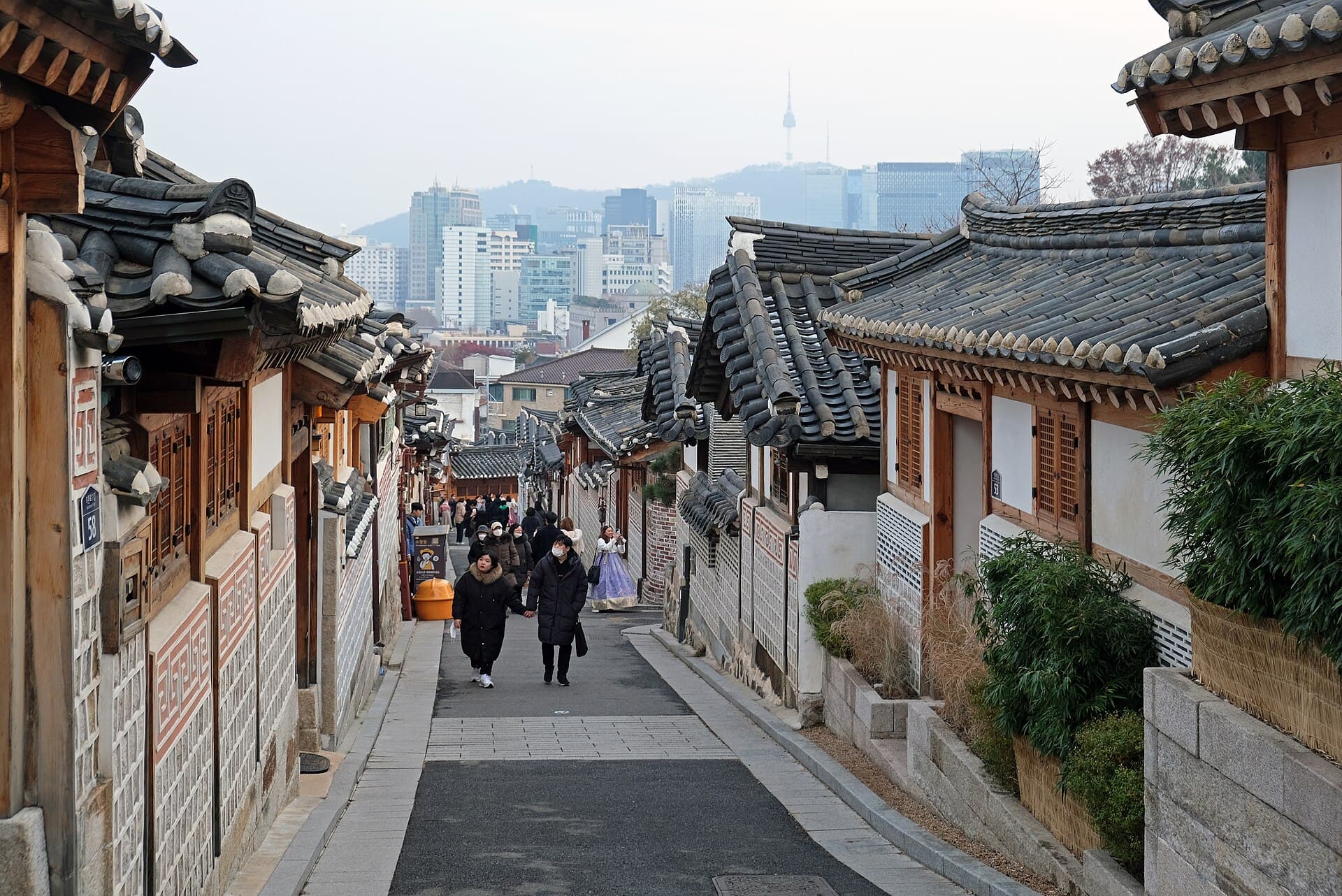 Bukchon Hanok VillageAn old residential quarter between Gyeongbokgung and Changdeokgung palaces, with12 minutes walk4.5
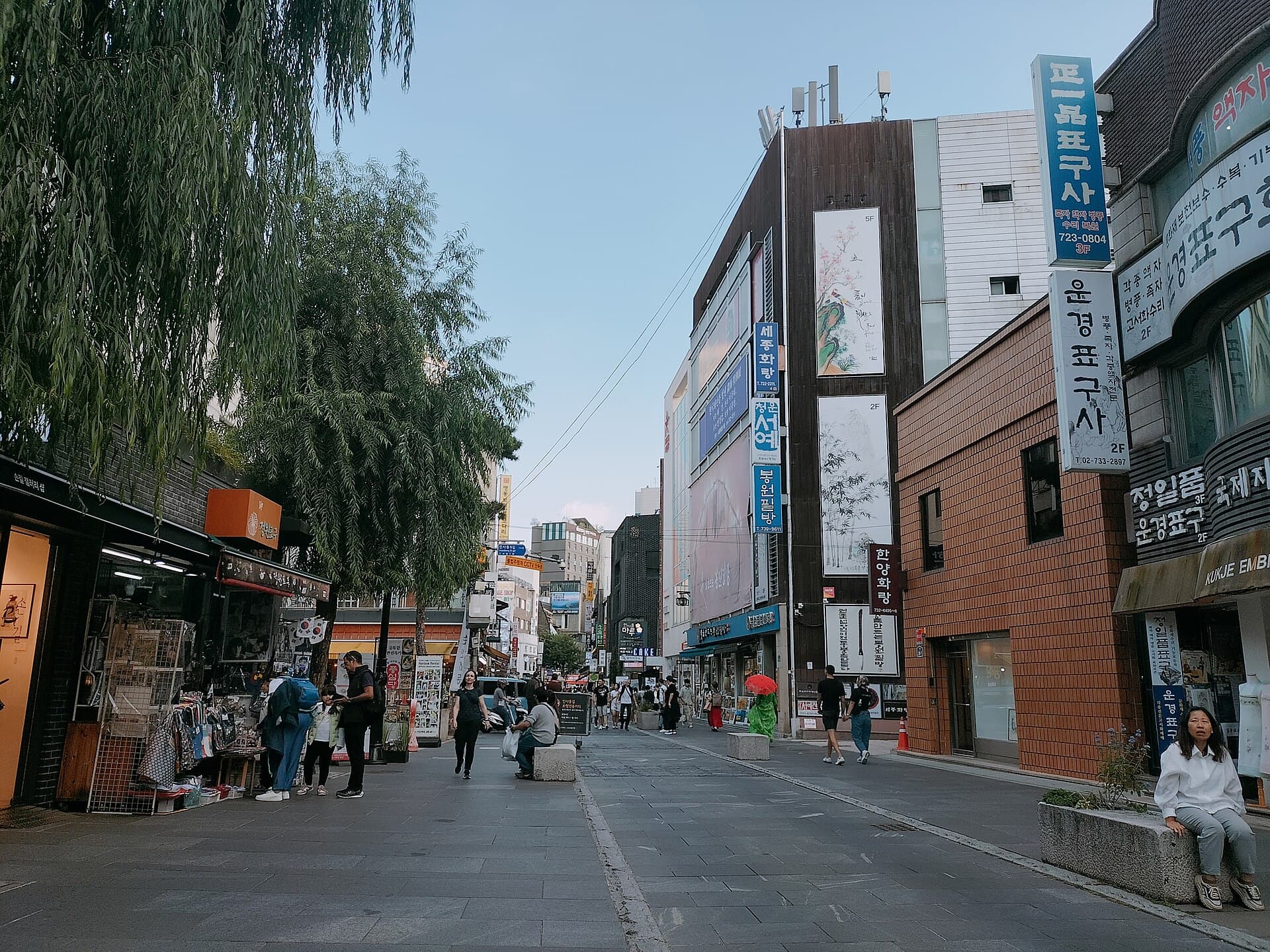 InsadongSeoul's street of traditional arts and crafts, and historically the largest mark13 minutes walk4.4
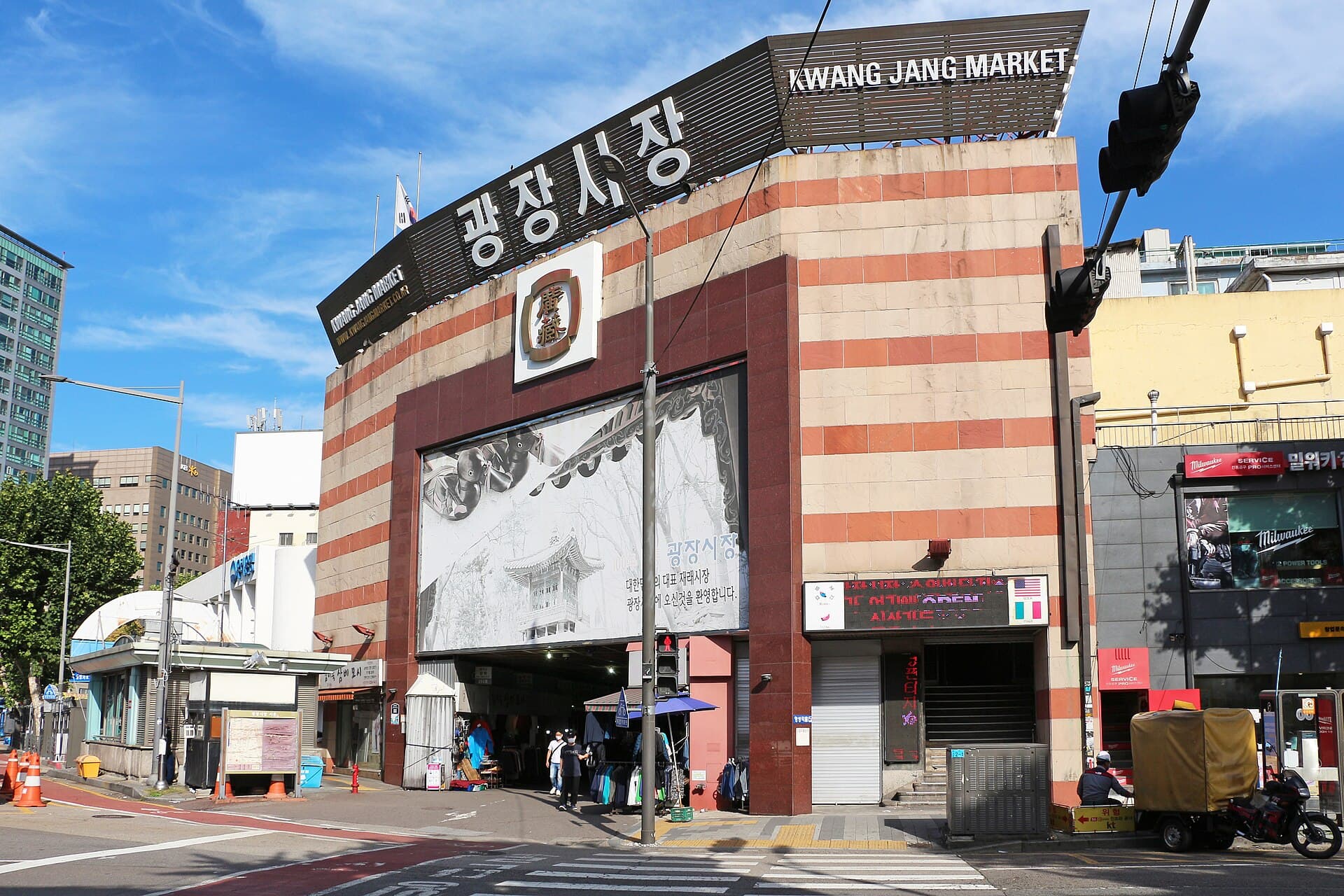 Gwangjang MarketOne of the oldest and largest traditional markets in Korea, set up by Korean mer13 minutes walk4.1
Yes, through an inner gate between the two, but each palace needs its own ticket. Both are closed on Mondays.