
Ssamziegil
A spiral walk round a court.
Vanbasten 23 — CC BY-SA 3.0 · S h y numis — CC BY-SA 4.0 · S h y numis — CC BY-SA 4.0 · S h y numis — CC BY-SA 4.0
Seoul's street of traditional arts and crafts, and historically the largest market for antiques and artworks in Korea. The main street runs for about 700 metres, with narrow alleys branching off to galleries, tea houses and traditional restaurants. The quarter began some 500 years ago as a residential area for government officials and turned into an antiques market in the twentieth century. The shops sell handmade hanji paper, calligraphy brushes and carved seals, ceramics, fans and wooden masks: some of the best souvenirs to take home from Korea. One quirk of the street is that shop signs are written in the Korean alphabet, even those of global brands. Halfway along stands Ssamziegil, a four-storey complex whose walkway spirals up around an open courtyard, lined with small shops run by designers and craftspeople. The traditional tea houses serve Korean teas with rice sweets. The street is closed to cars at weekends and fills with walkers and street performances. It combines easily with Bukchon Hanok Village and Changdeokgung Palace nearby.
A spiral walk round a court.
Handmade Korean paper.
Korean tea and rice sweets.
Insadong-gil, Jongno-gu; Anguk Station (Line 3), exit 6
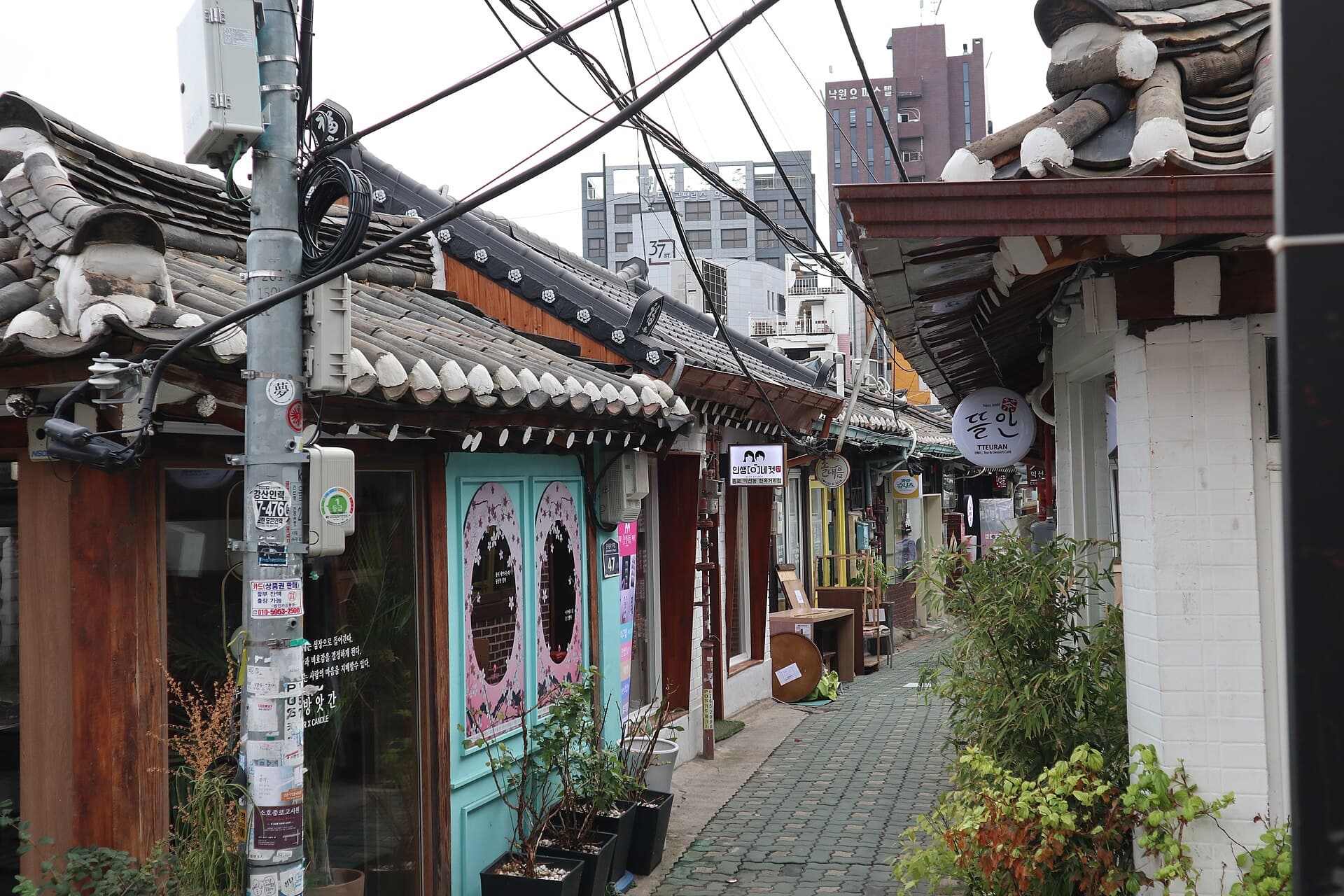 Ikseon-dongOne of Seoul's oldest hanok quarters, built in the 1920s when a Korean developer4 minutes walk4.4
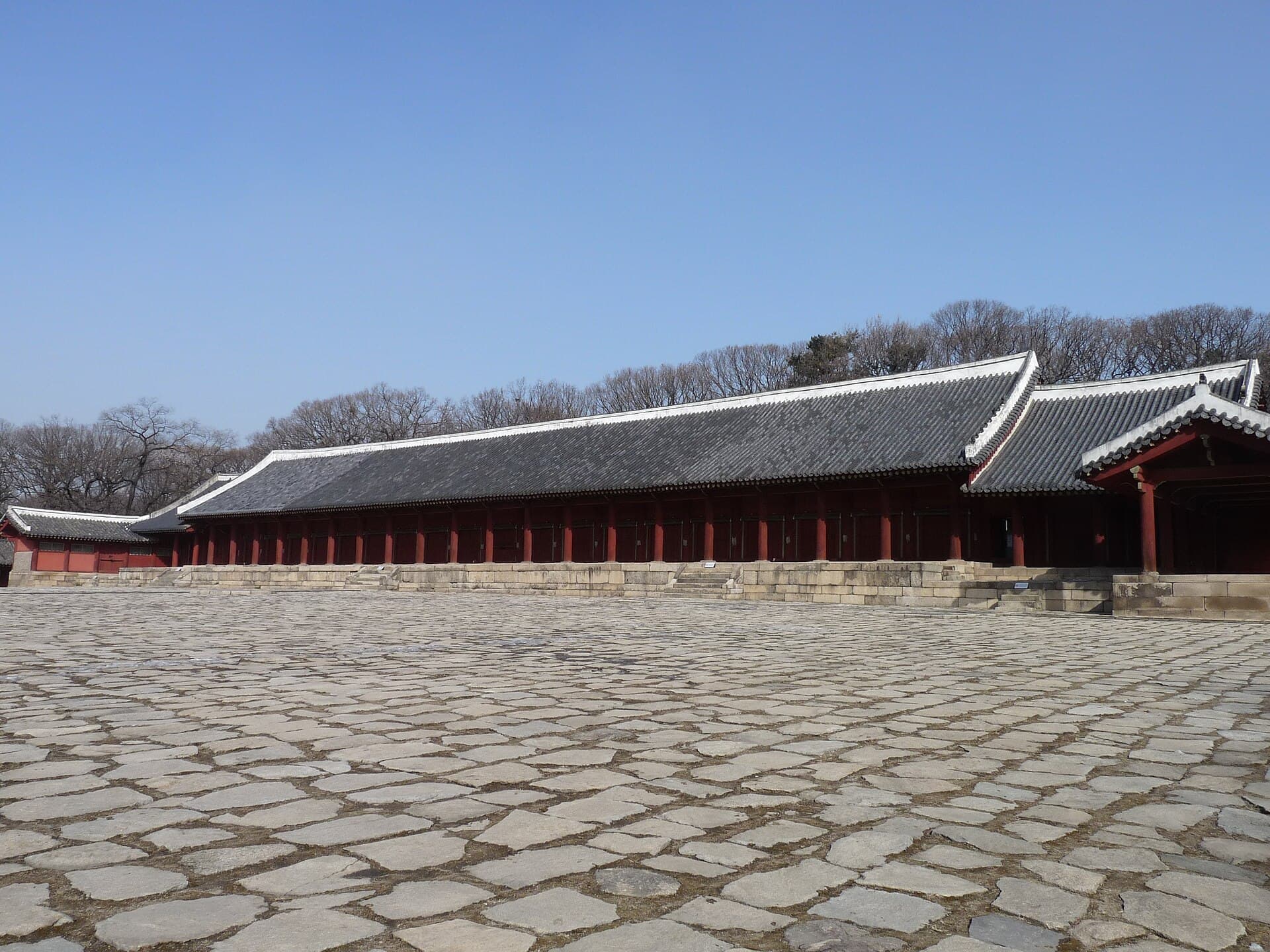 Jongmyo ShrineA royal Confucian shrine built to commemorate the kings and queens of the Joseon9 minutes walk4.6
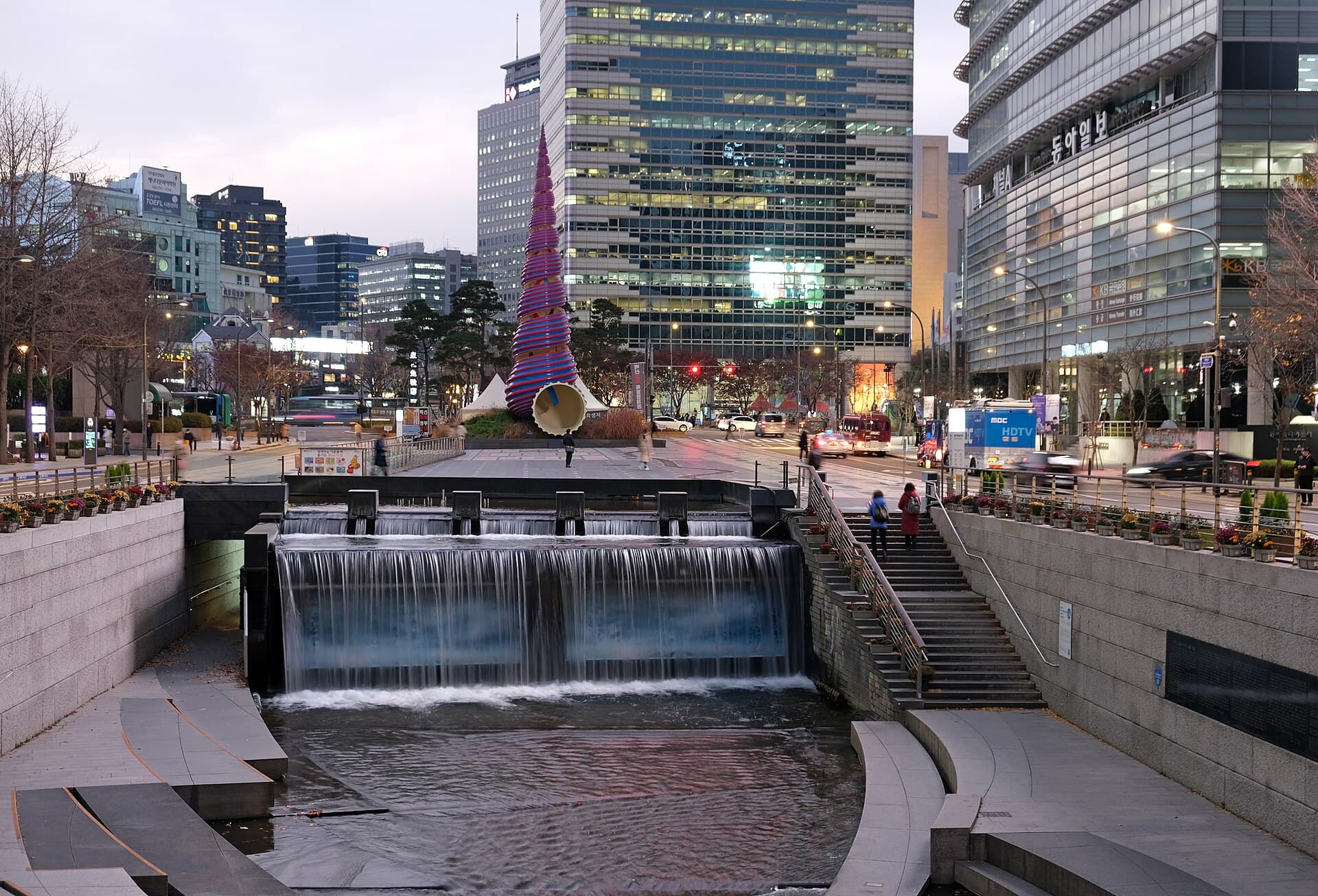 Cheonggyecheon StreamA stream running about 11 kilometres through the heart of Seoul, brought back to10 minutes walk4.5
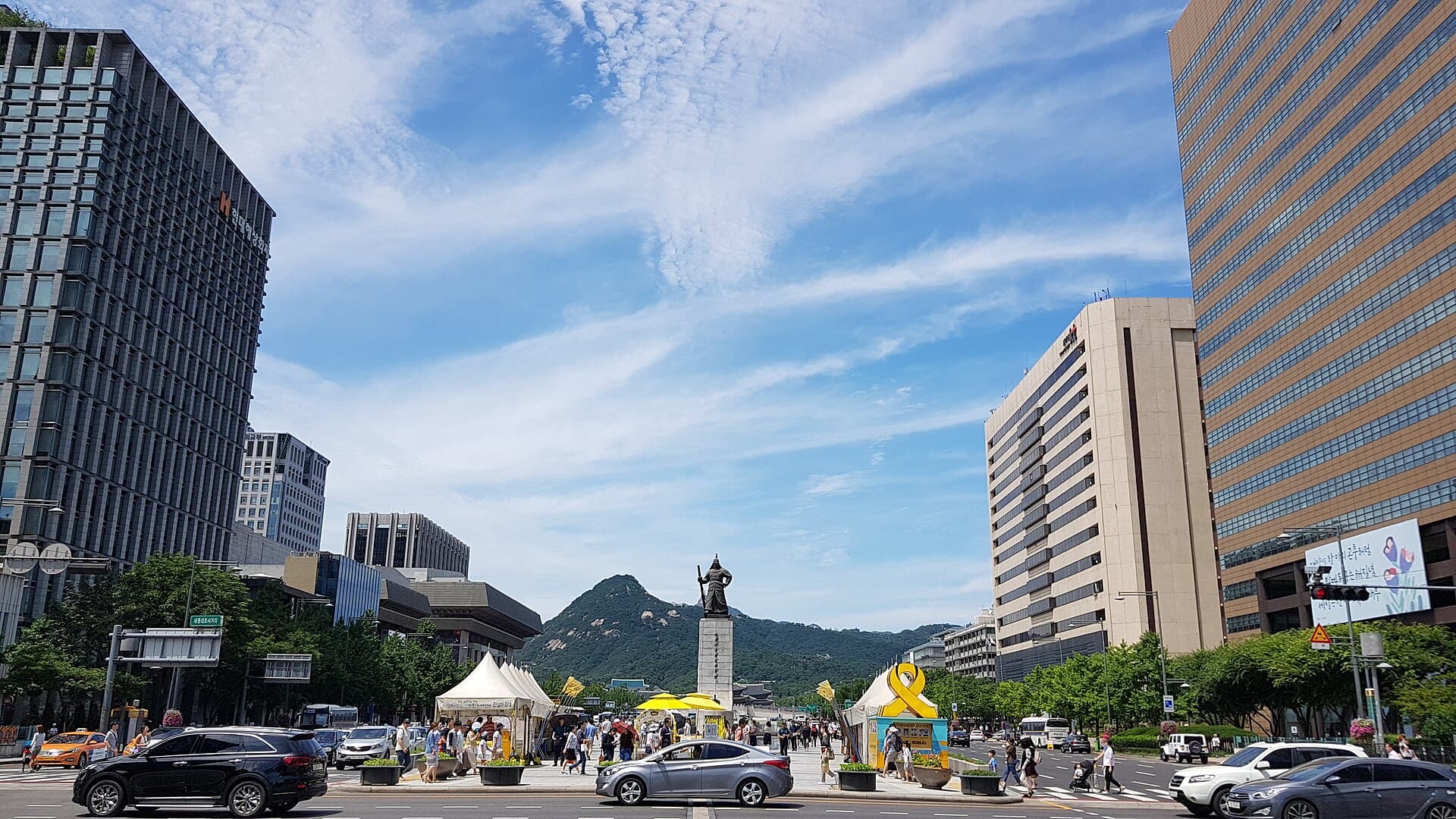 Gwanghwamun SquareThe great square in the heart of Seoul, running about a kilometre and a half sou11 minutes walk4.6
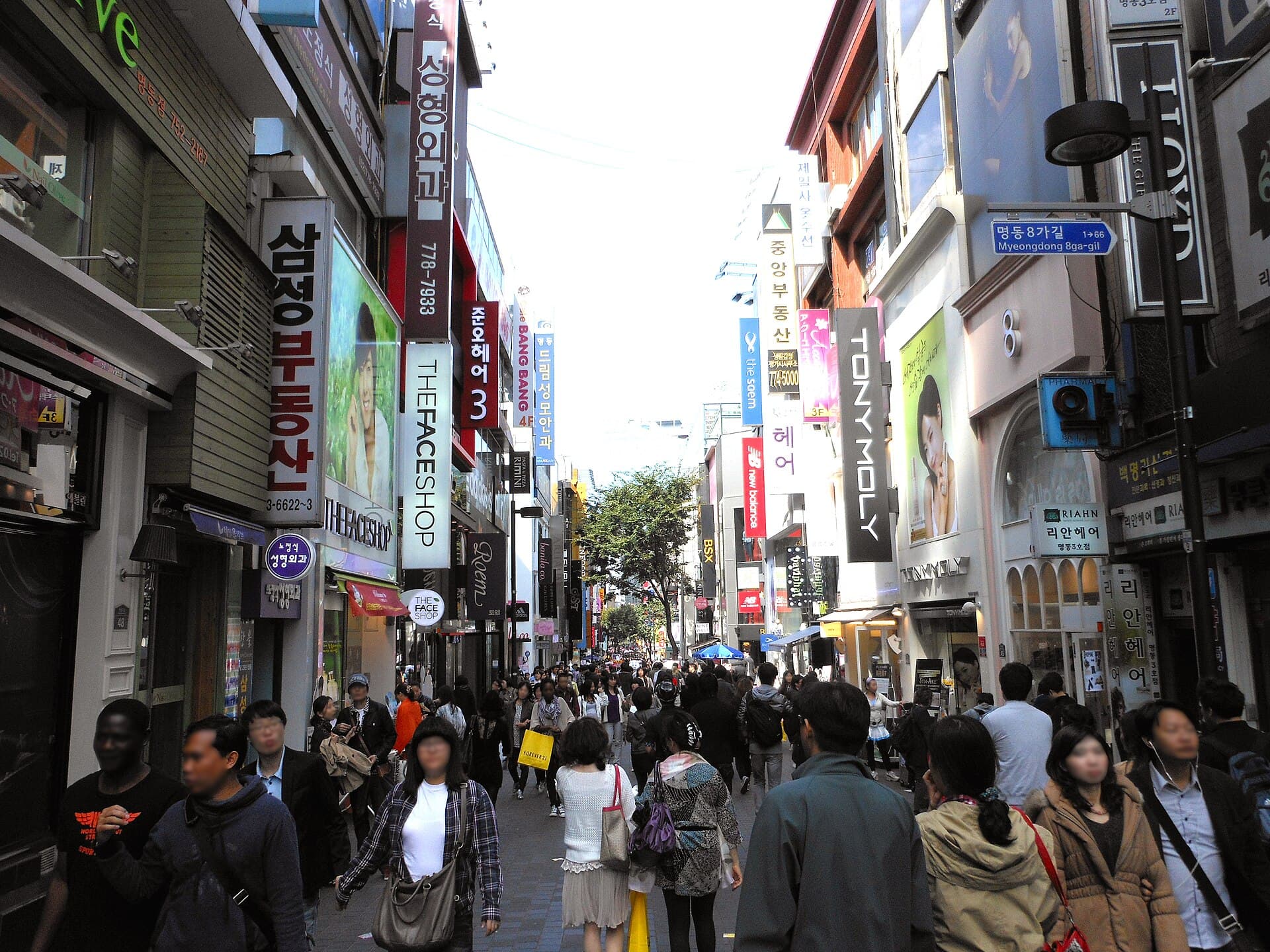 MyeongdongSeoul's best-known shopping district and its busiest with tourists, a grid of pe11 minutes walk4.4
It is best known for hanji paper, calligraphy brushes, seals carved with your name, ceramics, fans, wooden masks and Korean tea.