
A deceiving facade
A modest wall giving no hint of the gilded oval behind.
Zairon — CC BY-SA 4.0 · Zairon — CC BY-SA 4.0 · Zairon — CC BY-SA 4.0 · Zairon — CC BY-SA 4.0
A small church on the Cours Saleya in old Nice, built between 1740 and 1786, and counted among the purest examples of the baroque in southern France. Its facade is deceptively plain: a modest flat wall suggesting nothing. The interior is the opposite entirely — an oval of multiple niches in white and gold stucco, with a ceiling painted in false perspective that makes the dome appear far higher than it is. That contrast is deliberate in the baroque: the front conceals and the interior surprises. It was designed by the architect Bernardo Vittone of Turin, which explains its manner: Nice belonged to the Duchy of Savoy and the Kingdom of Sardinia until 1860, not to France. Its architecture, dialect and cooking are Italian in root, and this explains much of what you see in the old town. The chapel holds two important fifteenth-century altarpieces. Hours are very limited — often only a few a week.
A modest wall giving no hint of the gilded oval behind.
The ceiling painted to make the dome look higher than it is.
It became French only in 1860, and its architecture shows it.
Cours Saleya, old Nice
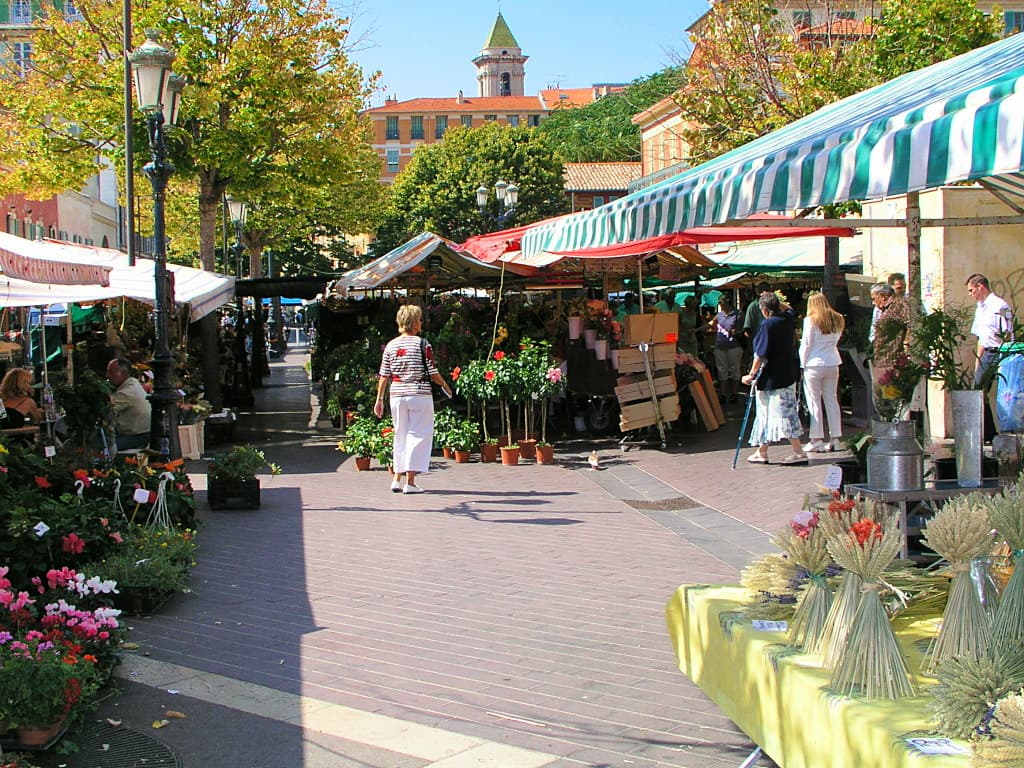 Cours Saleya and the Flower MarketCours Saleya is the beating heart of old Nice: a long paved square between the o1 minute walk4.4
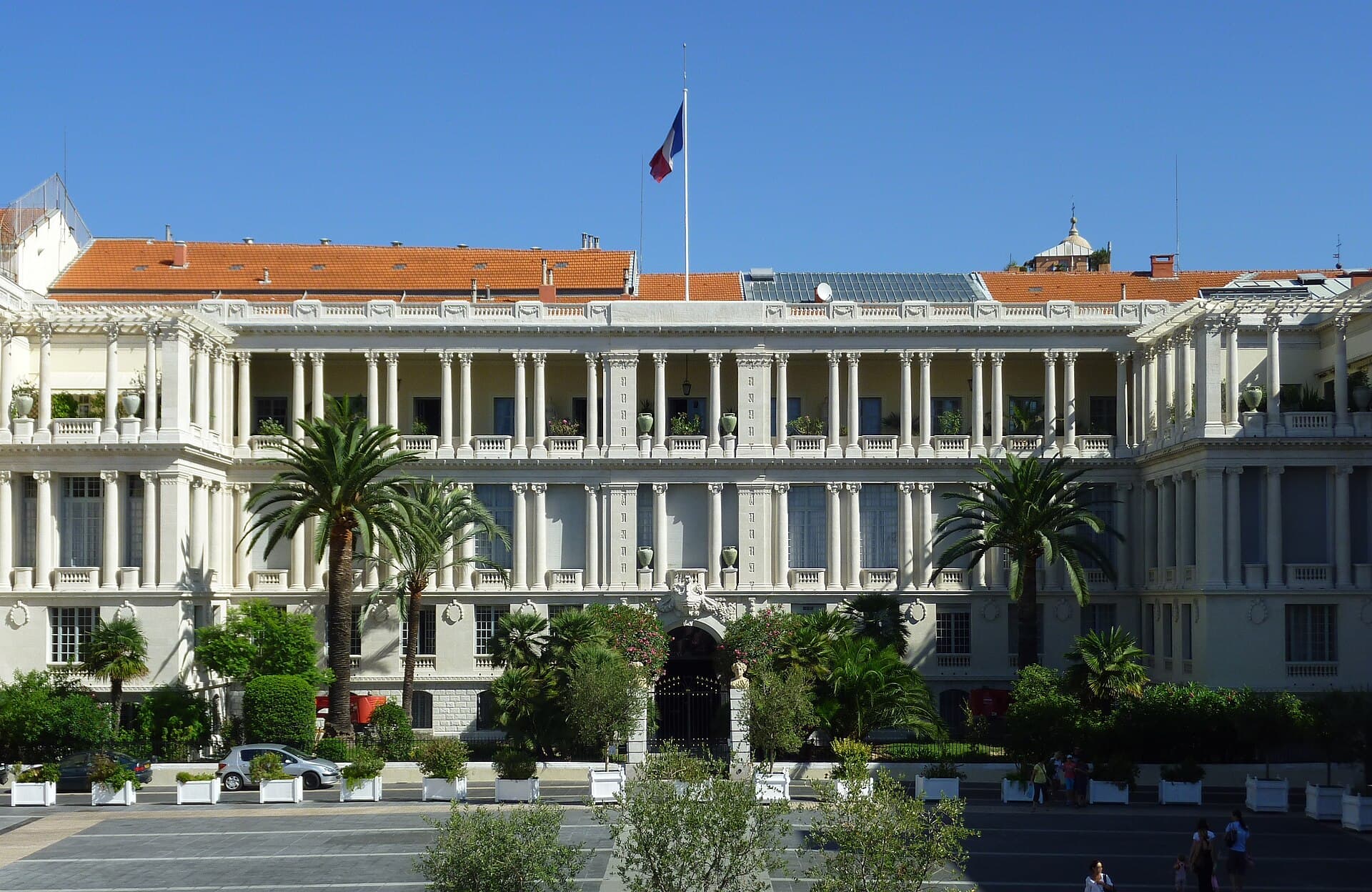 The Prefectoral PalaceA palace at the edge of old Nice, once the residence of the rulers of Savoy and 1 minute walk4.6
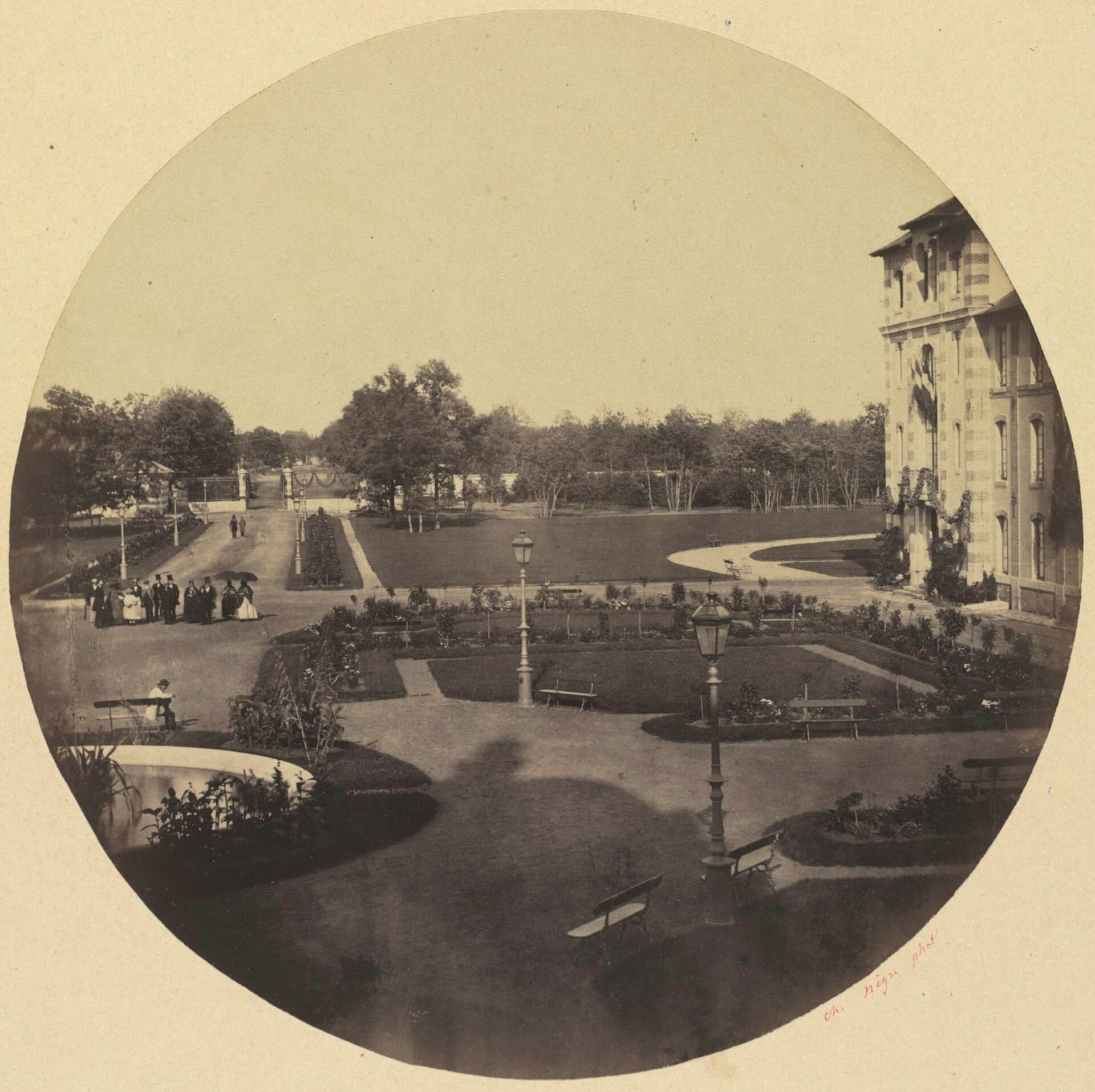 Charles Nègre Photography MuseumThe Charles Nègre museum is Nice's museum of photography, in a seventeenth-centu1 minute walk4.5
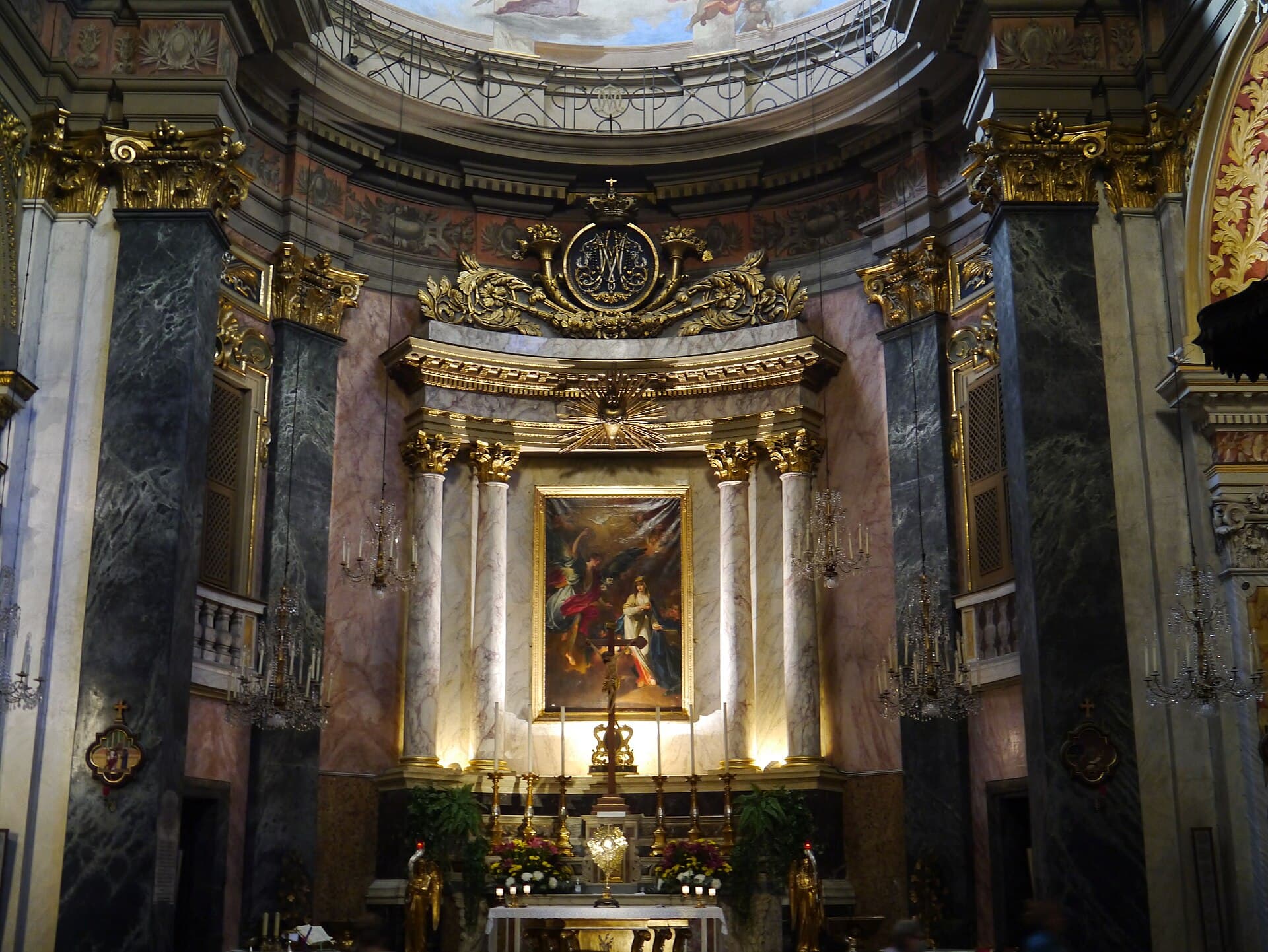 The Church of the AnnunciationThe oldest church in old Nice, known among residents as Santa Rita after Saint R1 minute walk4.9
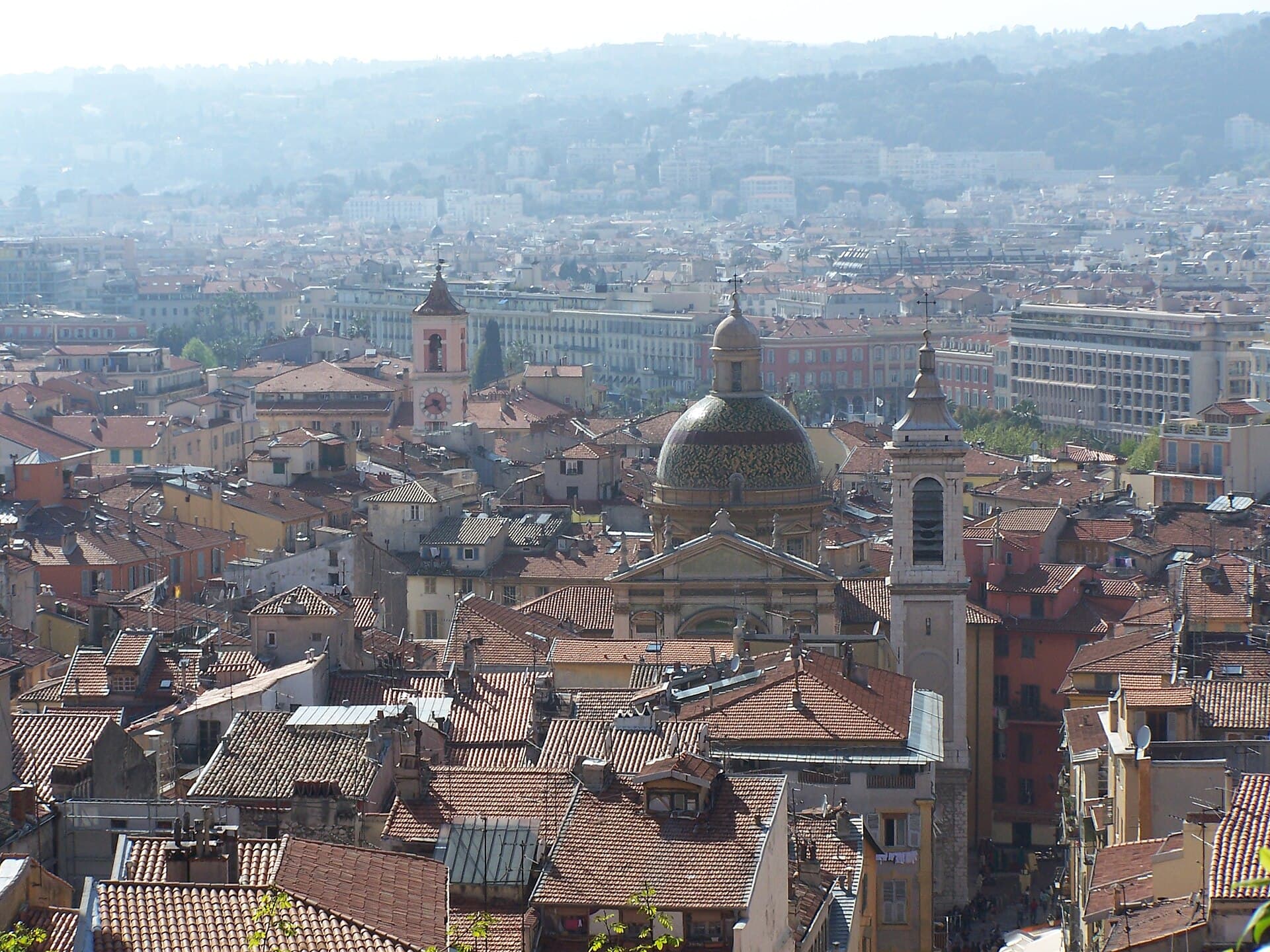 Old NiceOld Nice is the maze between the castle hill and the sea: a dense network of nar1 minute walk
In 1860, under a treaty with the Kingdom of Sardinia: it ceded Nice and Savoy to France in exchange for Napoleon III's support for Italian unification. A plebiscite was held and approved overwhelmingly, though its fairness is historically debated. Before that Nice had been Savoyard for centuries, and its local language, Niçard, is closer to Occitan and Ligurian than to French. Giuseppe Garibaldi was born in Nice and opposed the cession.
The long square at the edge of old Nice, holding the flower and vegetable market every morning except Monday — antiques day. It is ringed by cafés and restaurants with outdoor tables, and is the city's best-known and most crowded place. At one end is a house where the painter Henri Matisse lived. Early morning is the best time to see the market before the tables fill.