
The flower market
Mimosa, lavender and carnations every morning since the nineteenth century.
The original uploader was Urbanus at German Wikipedia. — CC BY-SA 2.0 · Dennis G. Jarvis — CC BY-SA 2.0 · Dennis G. Jarvis — CC BY-SA 2.0 · Irina Korch — CC BY-SA 4.0
Cours Saleya is the beating heart of old Nice: a long paved square between the old town and the sea, filled every morning by the famous **flower market** — stalls of mimosa, carnations, lavender and roses, and among them vegetables, fruit, olives, spices, olive oil and Provençal herbs. It is the market by which Nice has introduced itself since the nineteenth century, and the place to taste the city's real cooking: **socca** (a thin chickpea pancake baked in a wood oven and eaten hot with black pepper), **pissaladière**, and a glass of tea alongside. Around the square stand coloured houses with shutters, including the building where the painter **Henri Matisse** lived for years on the top floor of number 1. ⚠ **Its timetable governs your visit**: the flower and food market runs from morning until about half past one, Tuesday to Sunday; on **Mondays there is no food market** but an antiques market instead; and in the afternoon the square turns into restaurants and terraces. Go before ten to see the market alive.
Mimosa, lavender and carnations every morning since the nineteenth century.
The Niçois chickpea pancake from a wood oven, eaten hot.
The painter lived for years overlooking this square.
Cours Saleya, 06300 Nice
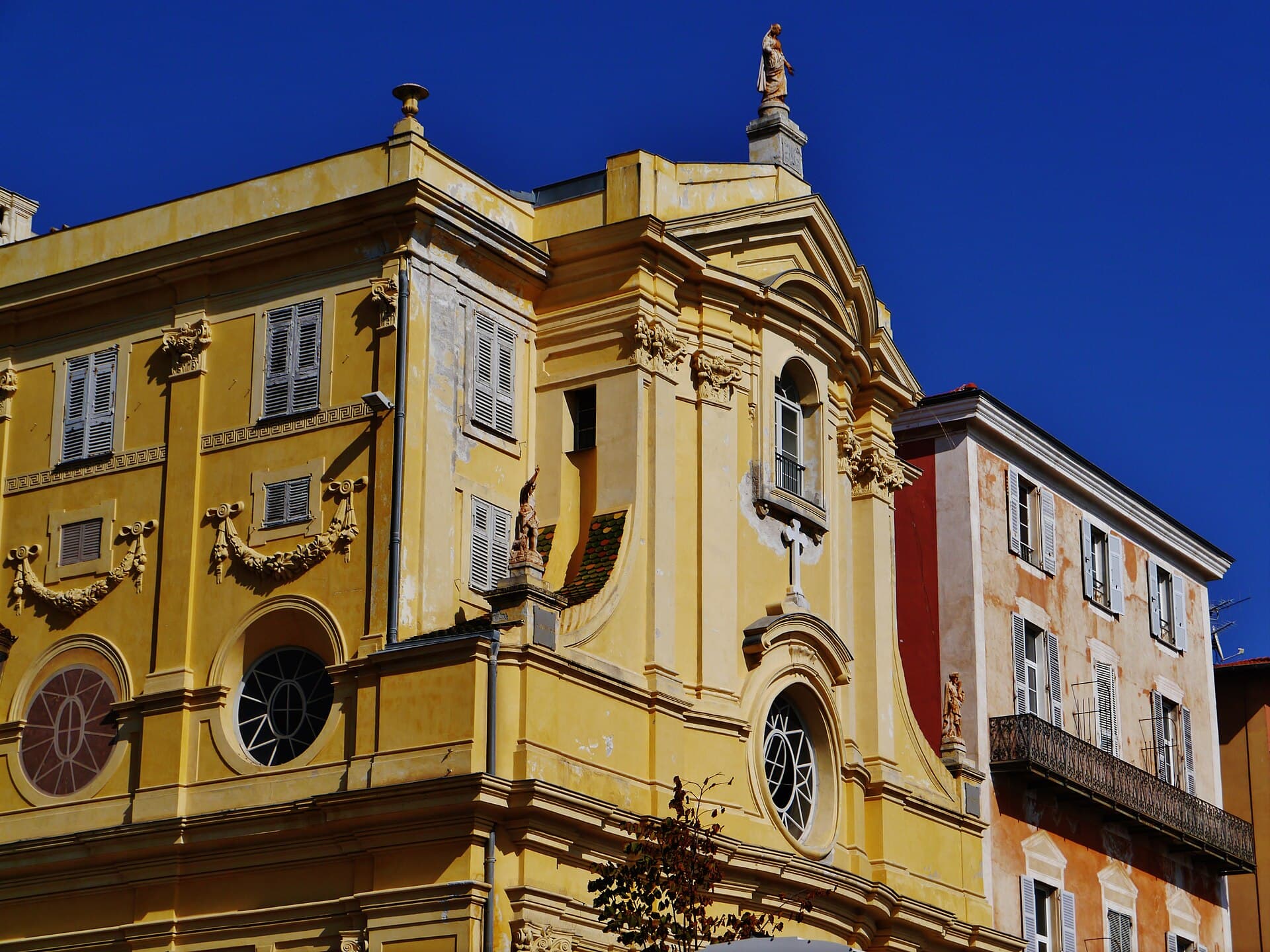 The Chapel of MercyA small church on the Cours Saleya in old Nice, built between 1740 and 1786, and1 minute walk4.4
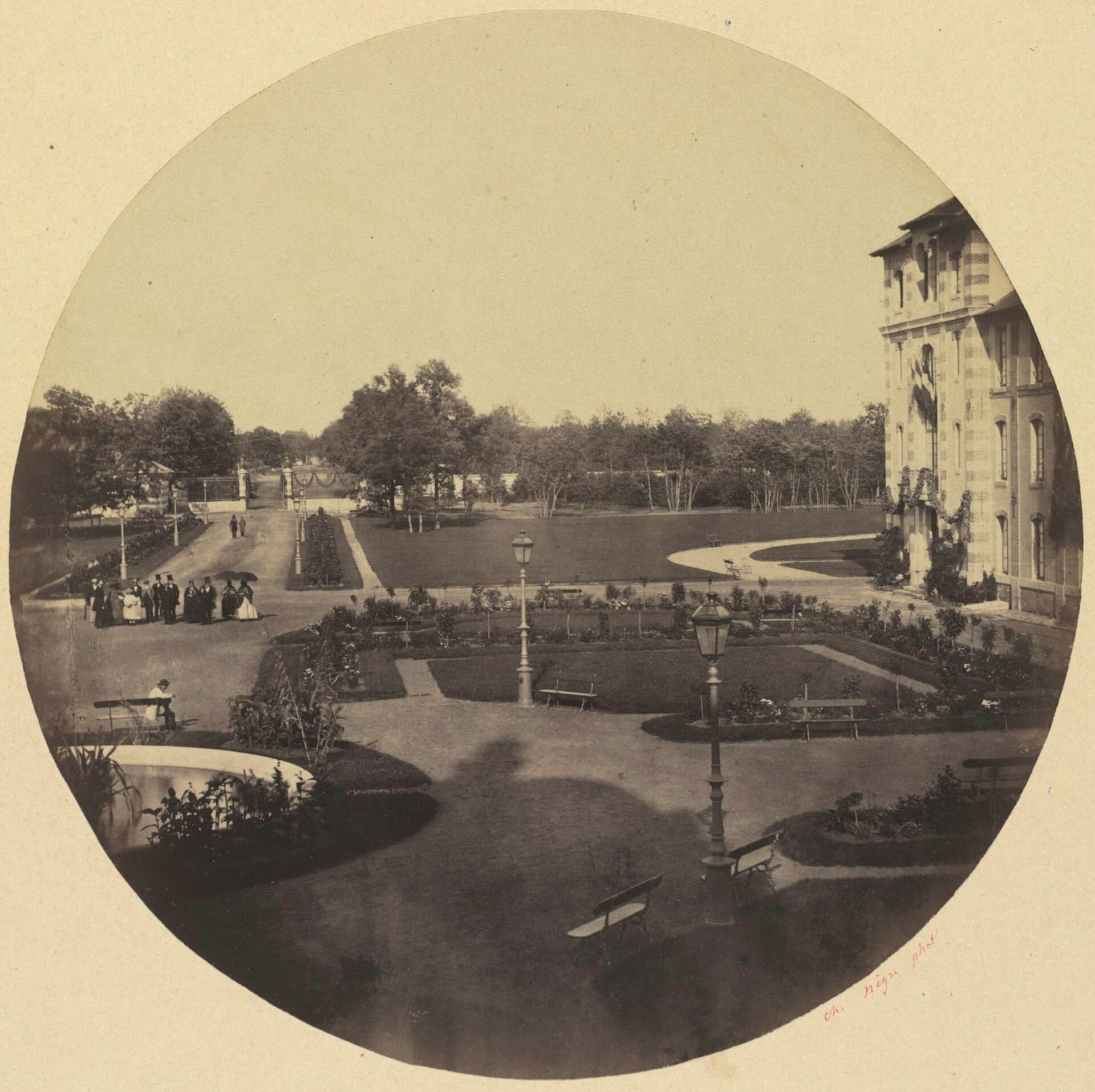 Charles Nègre Photography MuseumThe Charles Nègre museum is Nice's museum of photography, in a seventeenth-centu1 minute walk4.5
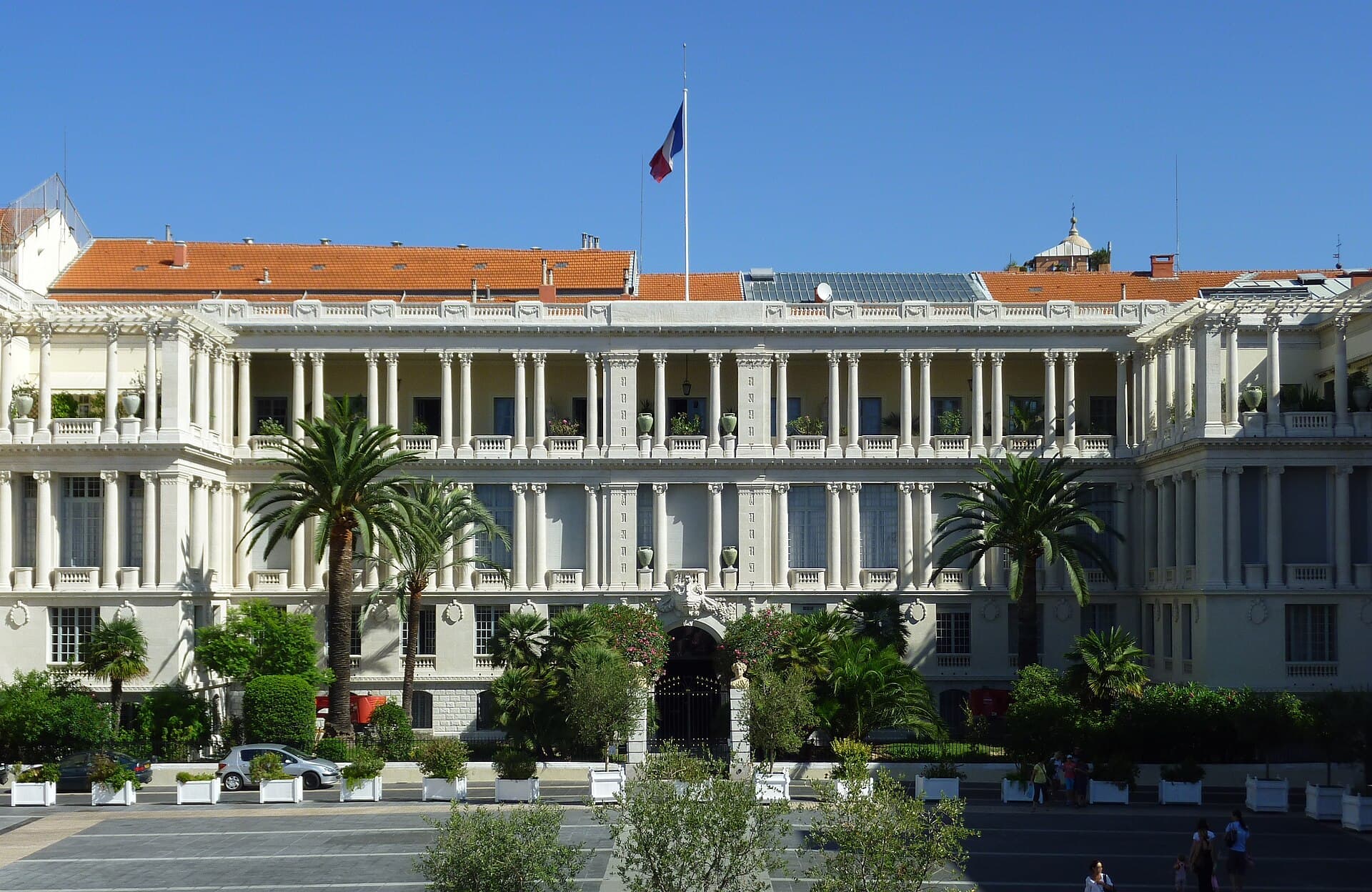 The Prefectoral PalaceA palace at the edge of old Nice, once the residence of the rulers of Savoy and 1 minute walk4.6
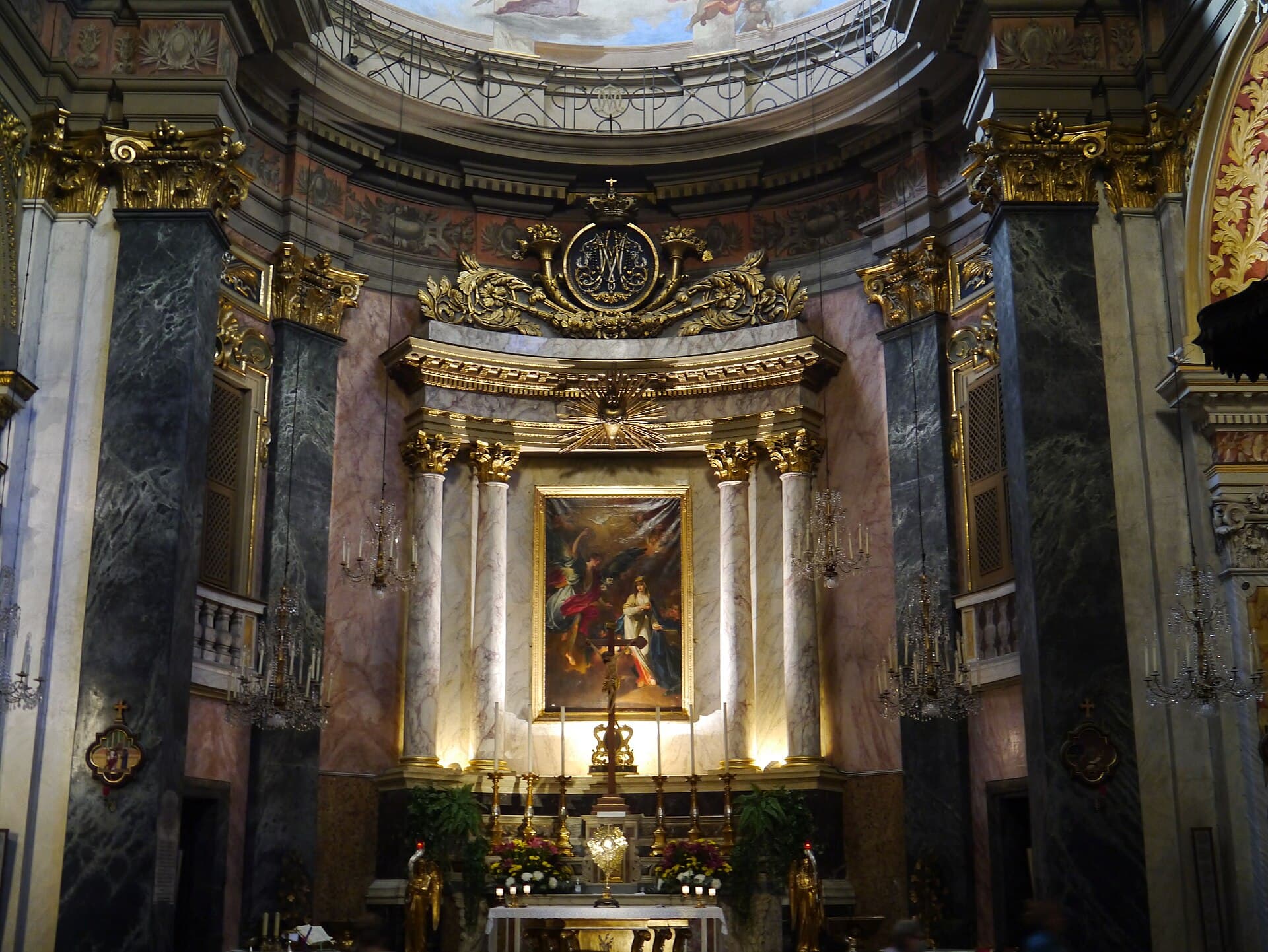 The Church of the AnnunciationThe oldest church in old Nice, known among residents as Santa Rita after Saint R2 minutes walk4.9
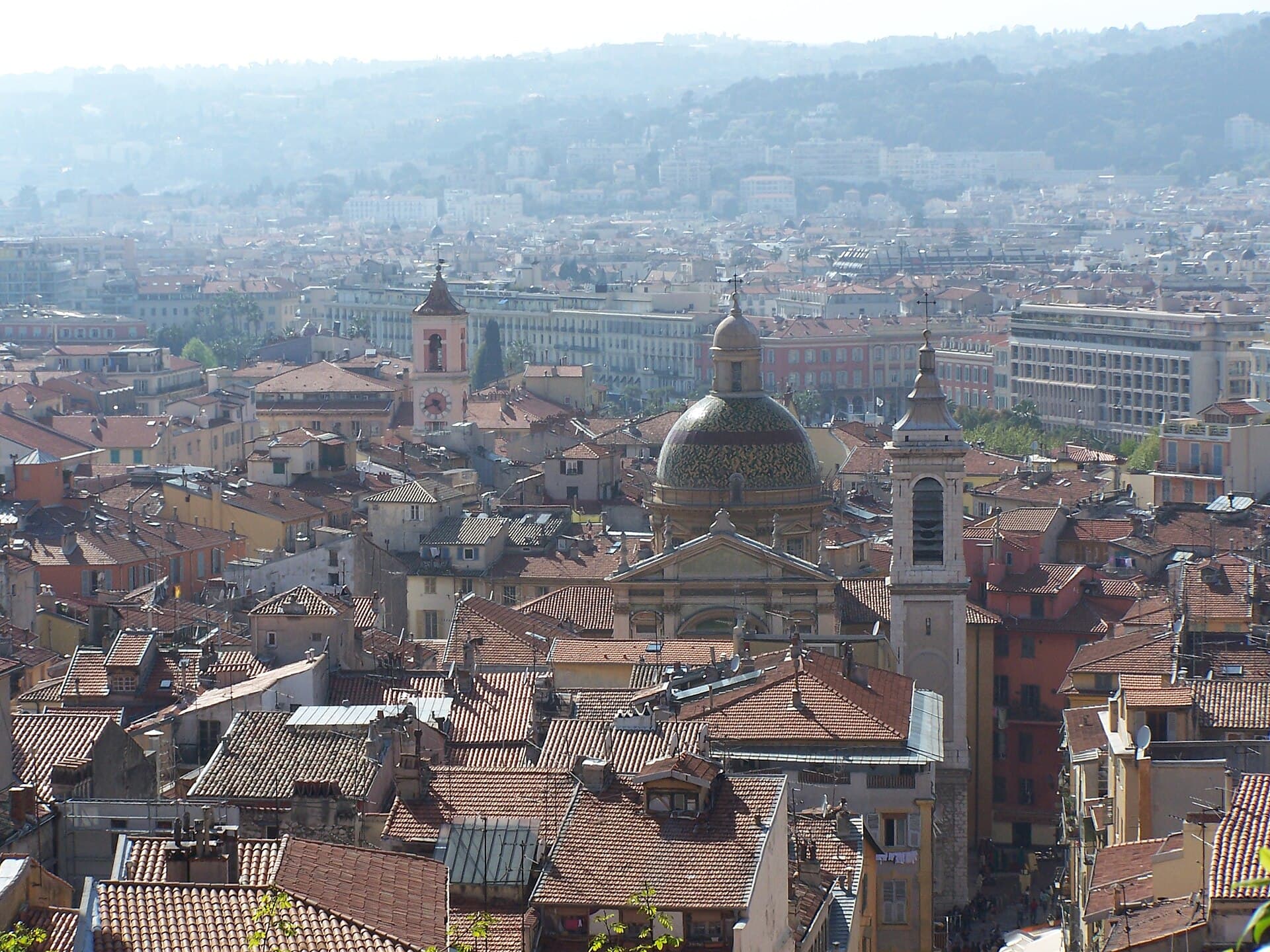 Old NiceOld Nice is the maze between the castle hill and the sea: a dense network of nar2 minutes walk
**Socca** first — a thin chickpea pancake from a wood oven, eaten hot on the spot with pepper (look for a seller pulling it from the oven in front of you, not a pre-plated portion). Then **pissaladière** (onion tart), a real **salade niçoise** (no potato, no green beans — the original is raw vegetables), **panisses** (fried chickpea fingers) and **petits farcis** (stuffed vegetables). Skip the front-of-square restaurants and head into the old town lanes behind.