
The first defenestration
From the New Town Hall in 1419, the spark that ignited the Hussite Wars.
Ondřej Kořínek — CC BY-SA 3.0 · ŠJů — CC BY 4.0 · ŠJů — CC BY 4.0 · Falk2 — CC BY-SA 4.0
Prague's largest square and among the largest in Europe by area, laid out by Emperor Charles IV in 1348 as the central market of the New Town he founded. What surprises a visitor is that it does not look like a square: most of it is now a public park with mature trees, paths and benches, an area of nearly eighty thousand square metres having been converted in the nineteenth century from open marketplace into gardens. Trams run along its edges and the buildings around it are administrative and university rather than touristic. At its northern end stands the New Town Hall, from whose window councillors were thrown in 1419 in the first of Prague's defenestrations — the event that ignited the Hussite Wars, which shook central Europe for two decades. The square is less a destination in itself than a place to pass through and find a shaded bench between errands. Around it are the Church of Saints Cyril and Methodius, the Dvořák Museum and a main metro station.
From the New Town Hall in 1419, the spark that ignited the Hussite Wars.
The conversion came in the nineteenth century, leaving nothing of the market.
Its value is as a shaded pause between errands rather than a sight.
New Town, south of central Prague
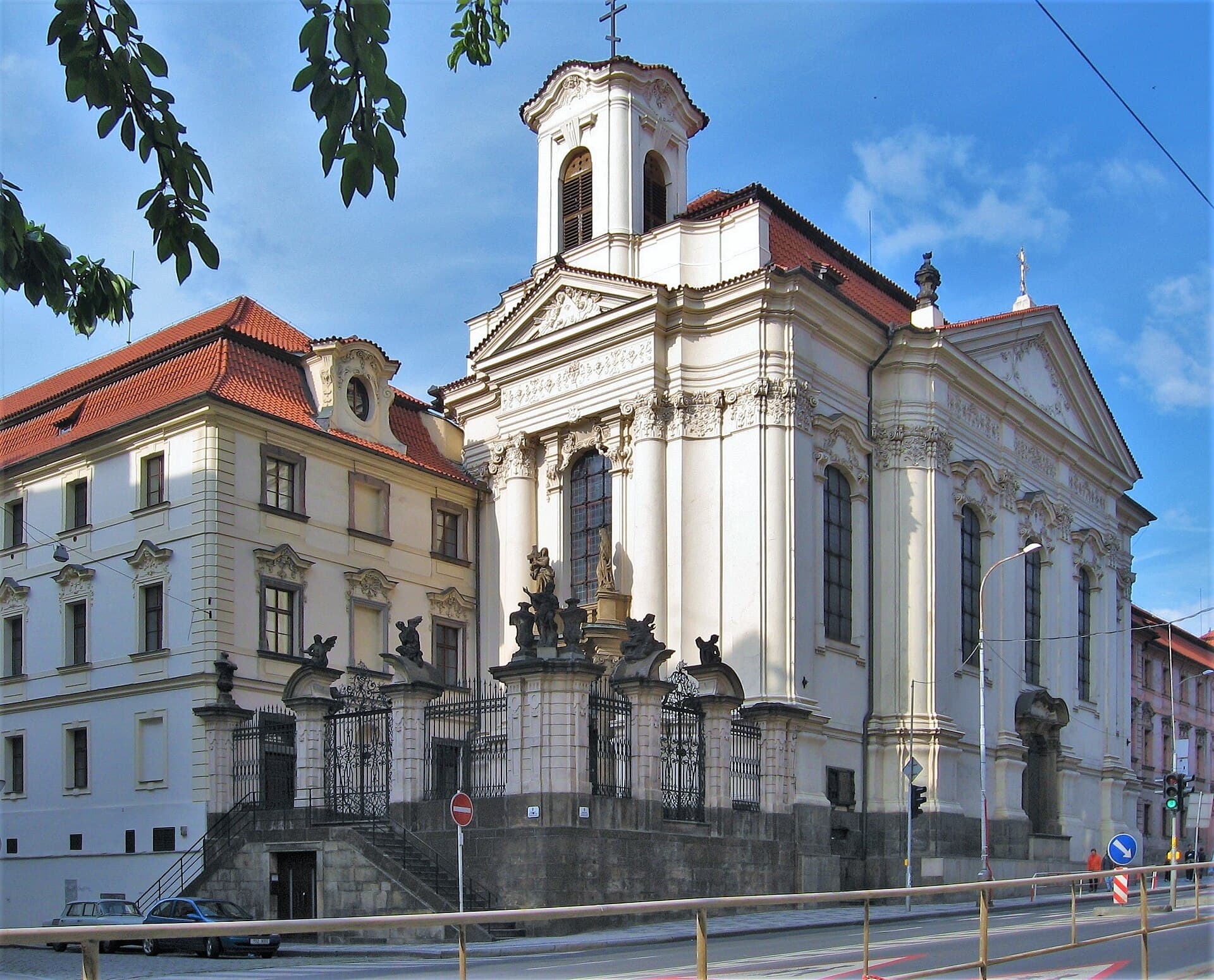 Ss. Cyril and Methodius CathedralThe Cathedral of Saints Cyril and Methodius is a quiet Baroque Orthodox church i3 minutes walk4.9
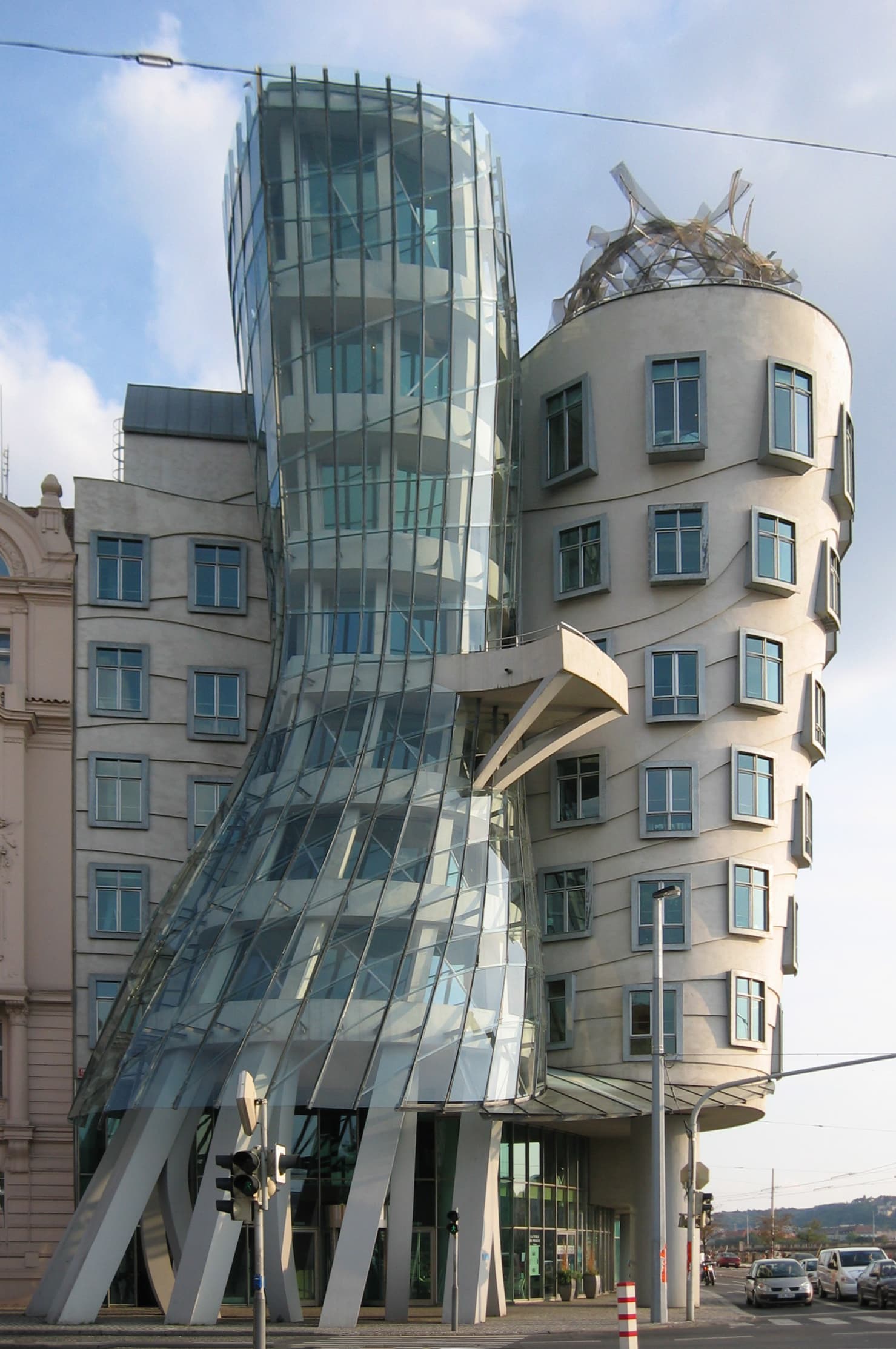 Dancing HouseIn a row of sober stone buildings along the Vltava stands one that appears to sw5 minutes walk4.2
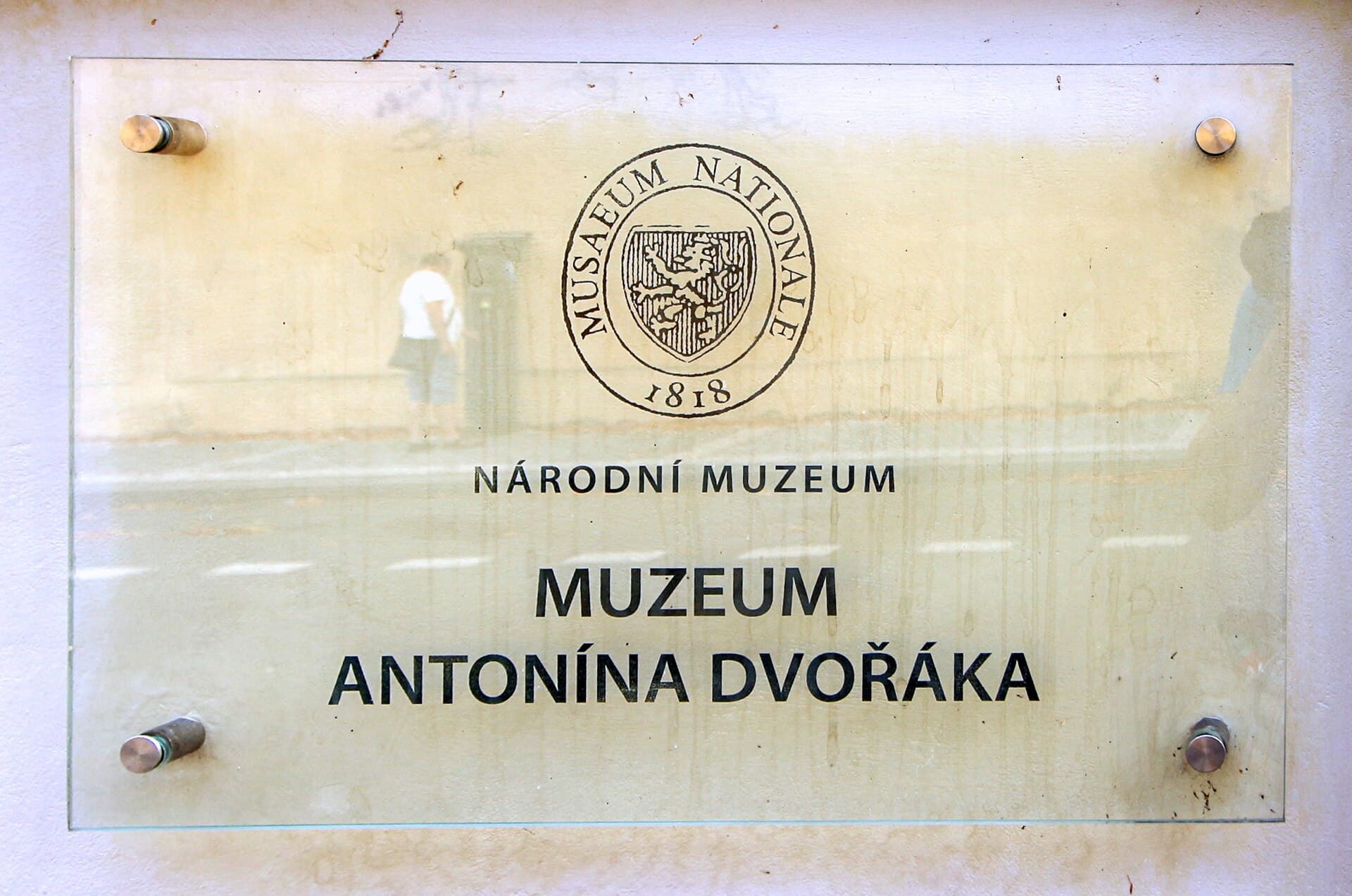 Antonín Dvořák MuseumA museum devoted to the Czech composer Antonín Dvořák, in a small eighteenth-cen7 minutes walk4.6
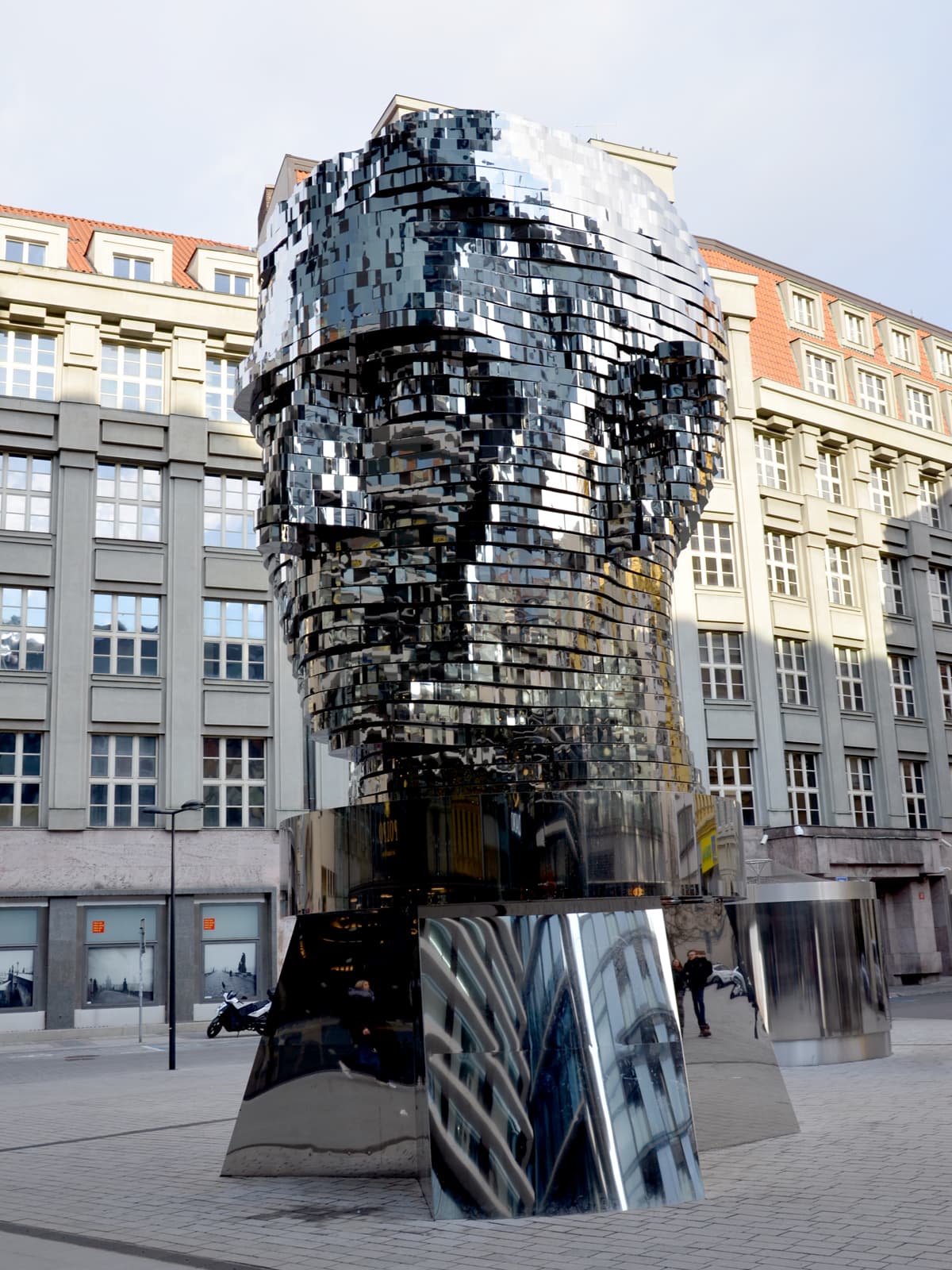 Head of Franz KafkaOn a small plaza outside a shopping centre near Národní třída stands a mirrored 10 minutes walk4.6
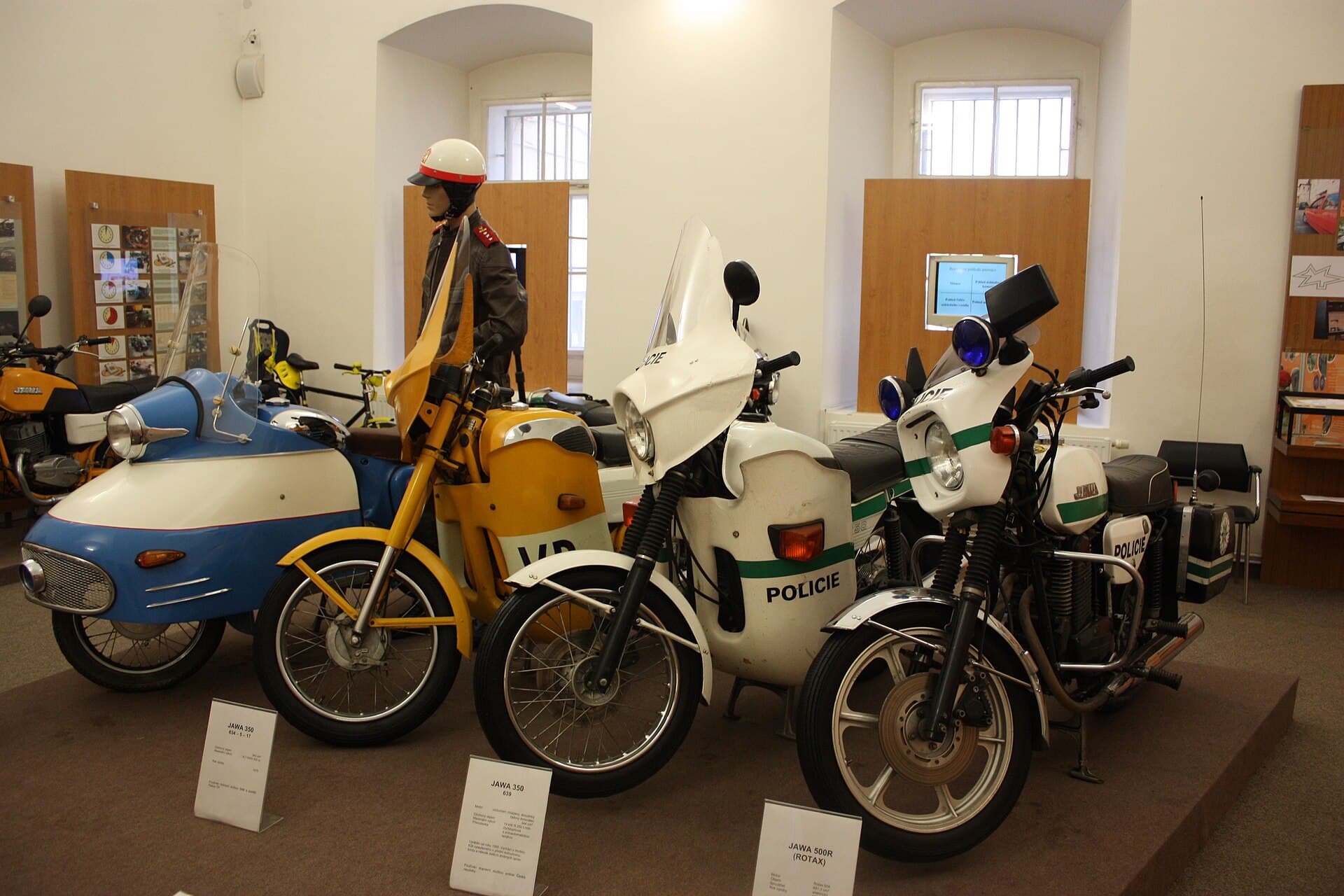 Czech Police MuseumA police history museum in the former Karlov monastery south of the New Town, an11 minutes walk4.7
Two famous incidents in which officials were thrown from the windows of Prague buildings. The first, in 1419, was from the New Town Hall by followers of Jan Hus, and it ignited the Hussite Wars. The second, in 1618, was from Prague Castle and was the spark of the Thirty Years' War that devastated central Europe. The word itself entered European languages from these two events.
Not as a destination in itself. But it sits between the New Town and a main metro station, and you will cross it if you visit the Church of Saints Cyril and Methodius or the Dvořák Museum. Sit in it for twenty minutes between the two rather than planning an hour.