
A stand on musical roots
He urged Americans to build their music on spirituals rather than imitate Europe.
VitVit — CC BY-SA 4.0 · Palickap — CC BY-SA 3.0 · Palickap — CC BY-SA 3.0 · User:Piotrus — CC BY-SA 4.0
A museum devoted to the Czech composer Antonín Dvořák, in a small eighteenth-century baroque palace south of Charles Square. Dvořák is among the most important composers of the nineteenth century, and his best-known work is the New World Symphony, written in New York in 1893 after he was invited to head a conservatory there. In that period he listened to African-American spirituals and Native American music, and urged American composers to build their national music on those roots rather than imitate Europe. That was a bold position in its day. The museum shows his instruments, spectacles, manuscripts and correspondence, and the palace itself — known as the Villa Amerika — is among the finest small baroque buildings in Prague and has a garden. The museum is small and needs under an hour. For anyone interested in music it is a meaningful visit; for others it may feel limited. Chamber concerts are sometimes held here.
He urged Americans to build their music on spirituals rather than imitate Europe.
The baroque building is half the value of the visit, and it has a small garden.
Sometimes held in the hall on separate tickets — check the programme.
Michna Summer Palace, Ke Karlovu, New Town
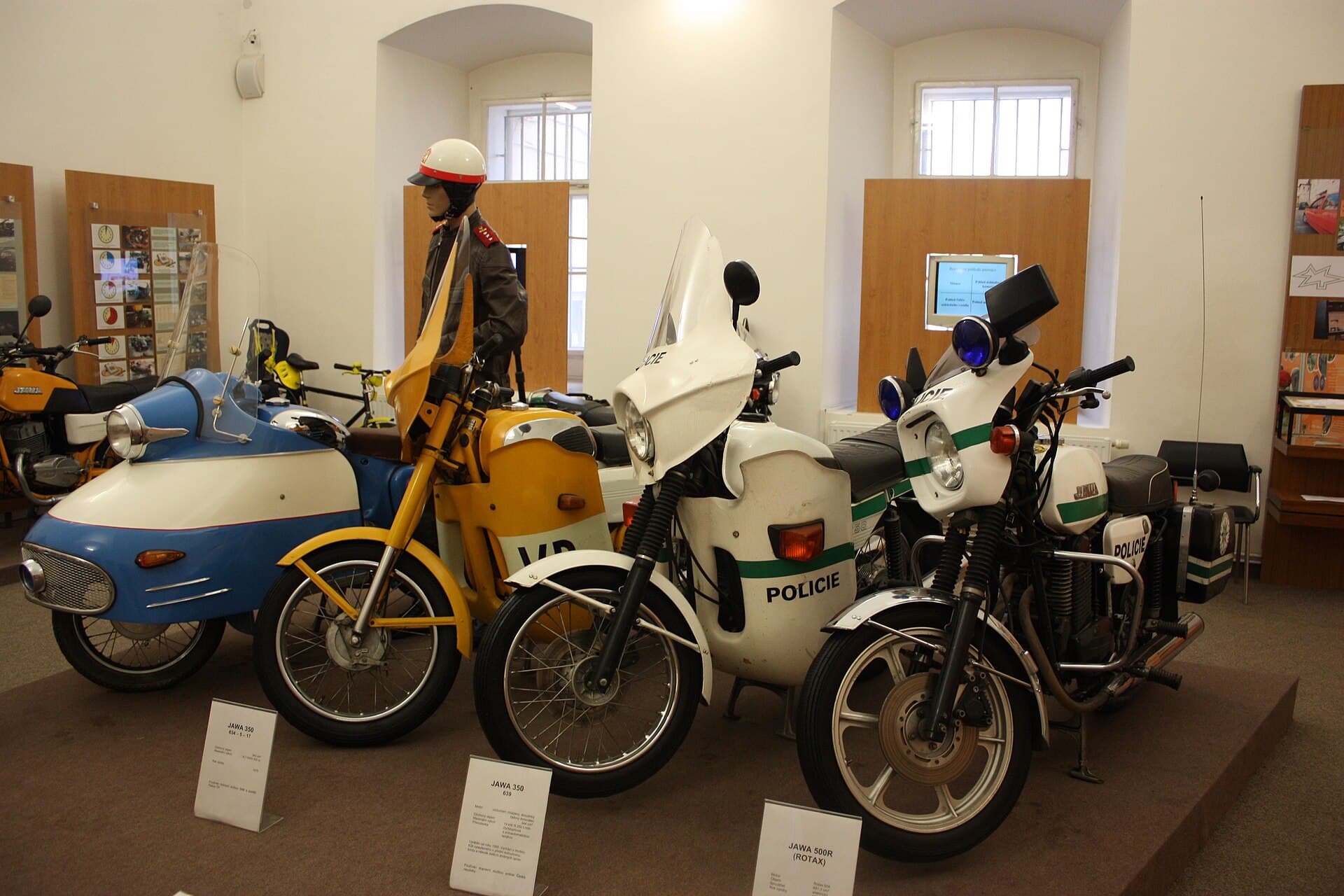 Czech Police MuseumA police history museum in the former Karlov monastery south of the New Town, an6 minutes walk4.7
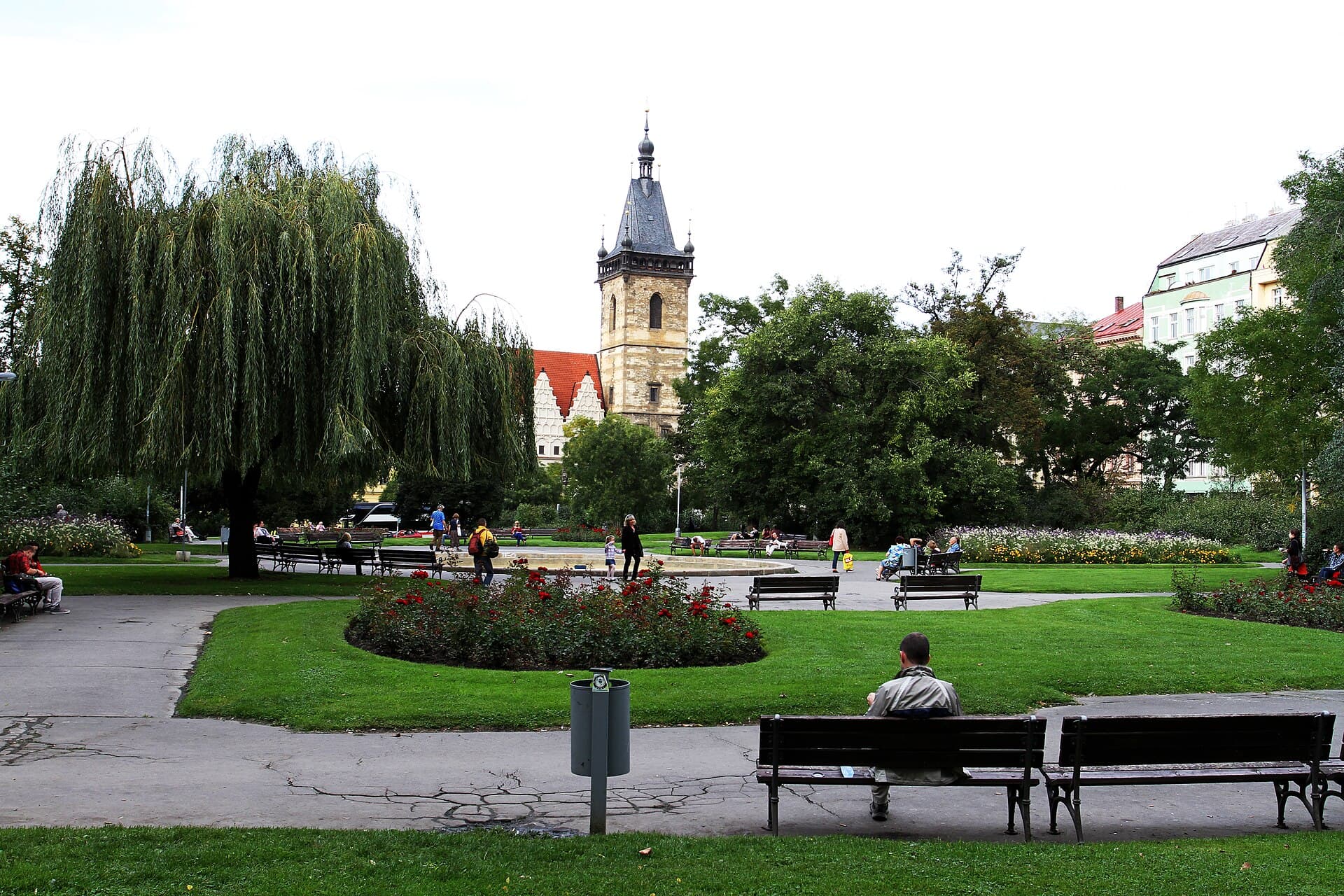 Charles SquarePrague's largest square and among the largest in Europe by area, laid out by Emp7 minutes walk4.4
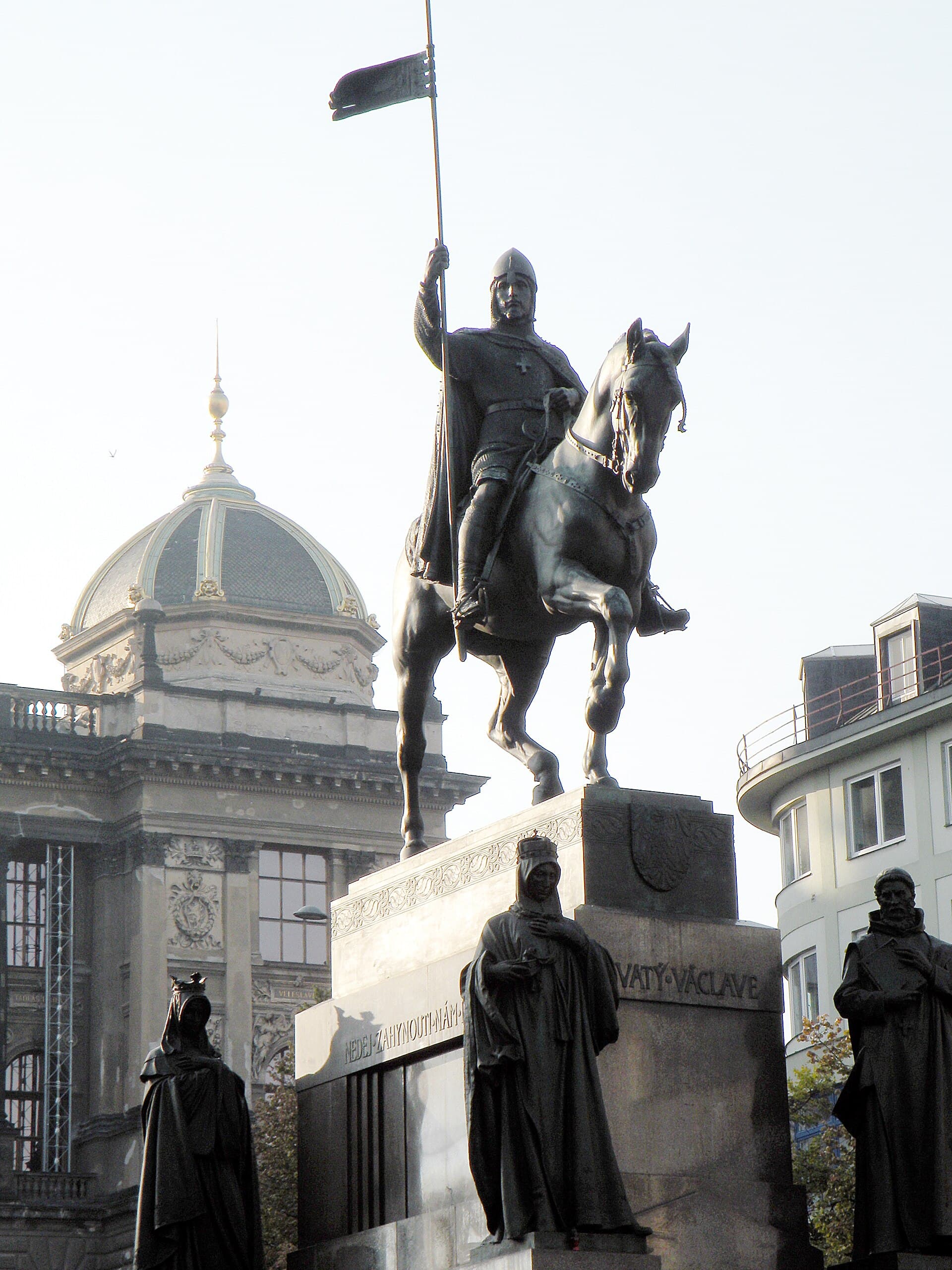 Statue of St. WenceslausAt the head of Wenceslas Square, directly in front of the National Museum, St We9 minutes walk4.8
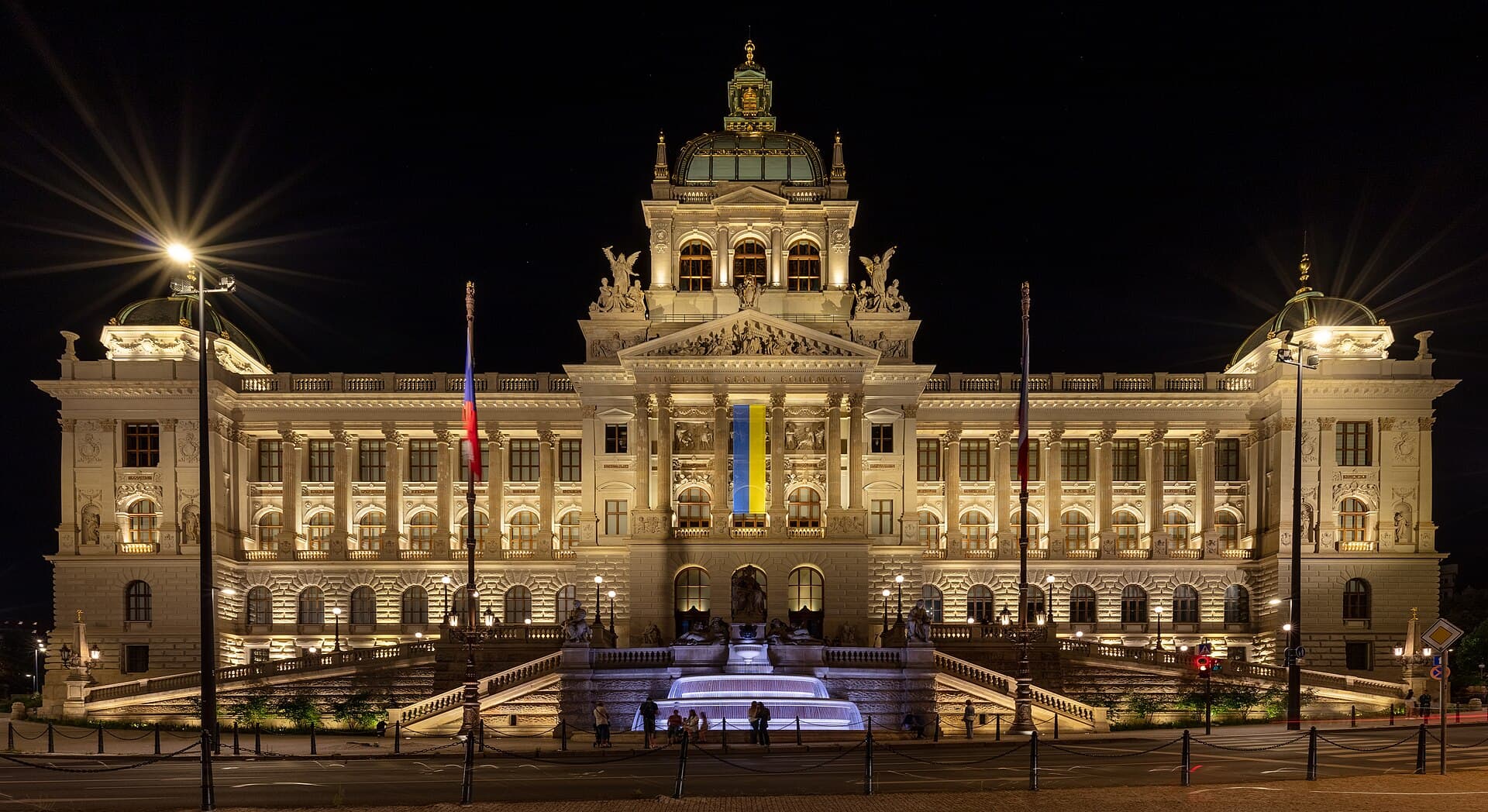 National Museum in PragueThe vast building closing the top of Wenceslas Square is the Czech National Muse9 minutes walk4.5
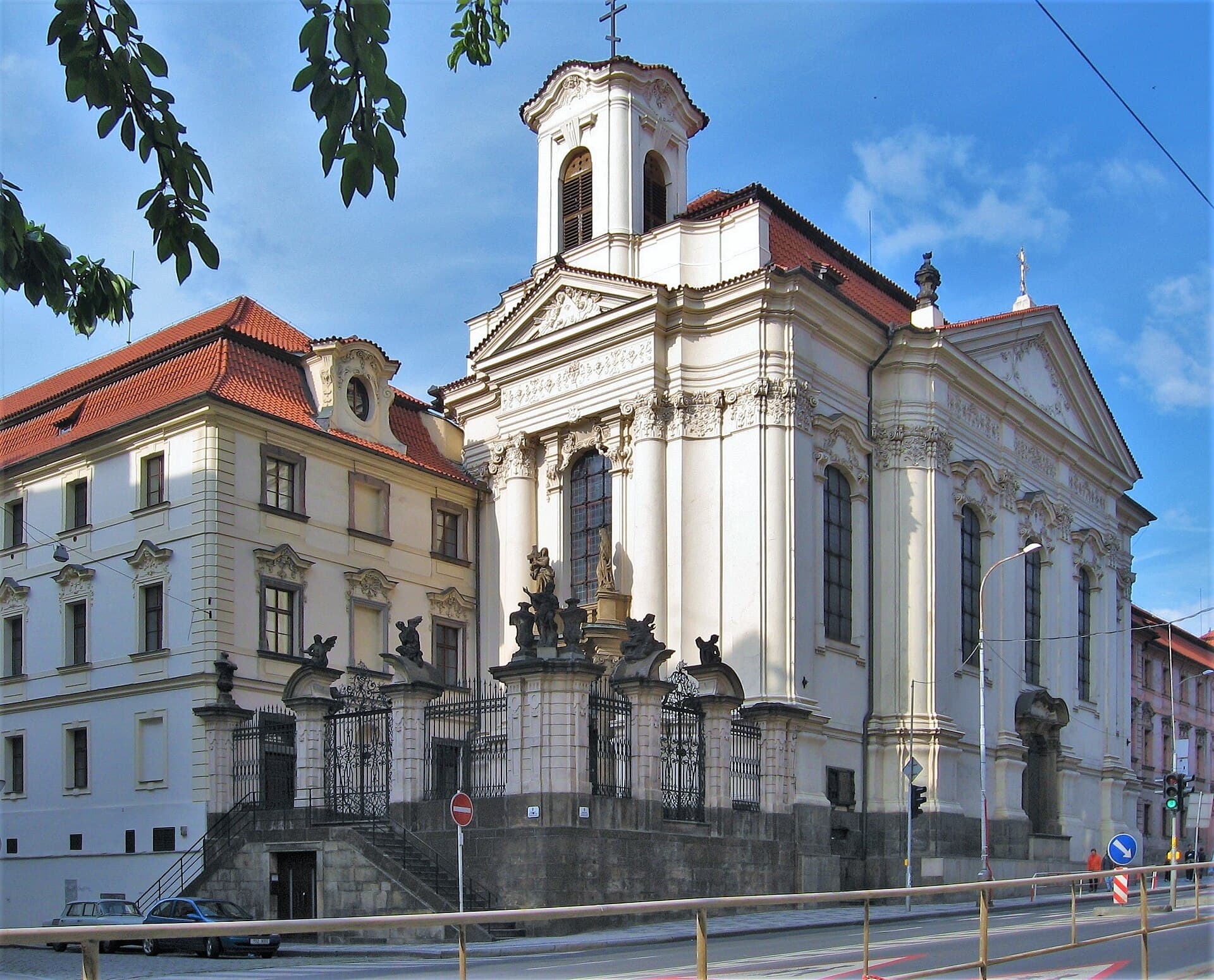 Ss. Cyril and Methodius CathedralThe Cathedral of Saints Cyril and Methodius is a quiet Baroque Orthodox church i9 minutes walk4.9
Anyone who cares about classical music or Czech cultural history. The museum is small and its content personal — instruments, manuscripts, letters — rather than a large visual display. If music does not interest you, Prague has stronger claims on limited time.
In 1892 he was invited to head the National Conservatory of Music in New York and spent about three years there. During it he wrote the New World Symphony and the American Quartet, and argued publicly that African-American spirituals should be the foundation of America's national music — a view that caused considerable controversy at the time.