
The sealed border
Hundreds died attempting to cross between 1948 and 1989, and the museum does not hide it.
Kenyh — CC BY-SA 4.0 · Krokodyl — CC BY-SA 4.0 · Krokodyl — CC BY-SA 4.0 · Krokodyl — CC BY-SA 4.0
A police history museum in the former Karlov monastery south of the New Town, and broader than its name suggests. The historically most valuable part concerns the border: communist Czechoslovakia sealed its western frontier with an electrified fence, watchtowers and minefields, and hundreds of people died attempting to cross between 1948 and 1989. The museum displays that apparatus with its actual equipment, which is rare — most police museums in the world do not exhibit what was used against their own citizens. Alongside it are sections on forensics, investigative methods, police vehicles and the history of the force since the nineteenth century, plus a road-safety section aimed at children. The building itself — a fourteenth-century Augustinian monastery founded by Charles IV — is finer than a visitor to a police museum would expect, and the church beside it is worth a look. The site is south of the centre, reached by metro and a short walk.
Hundreds died attempting to cross between 1948 and 1989, and the museum does not hide it.
A section on investigative methods and how they developed over a century and a half.
Road safety presented in a way that works with the young.
Former Karlov monastery, New Town
 Antonín Dvořák MuseumA museum devoted to the Czech composer Antonín Dvořák, in a small eighteenth-cen6 minutes walk4.6
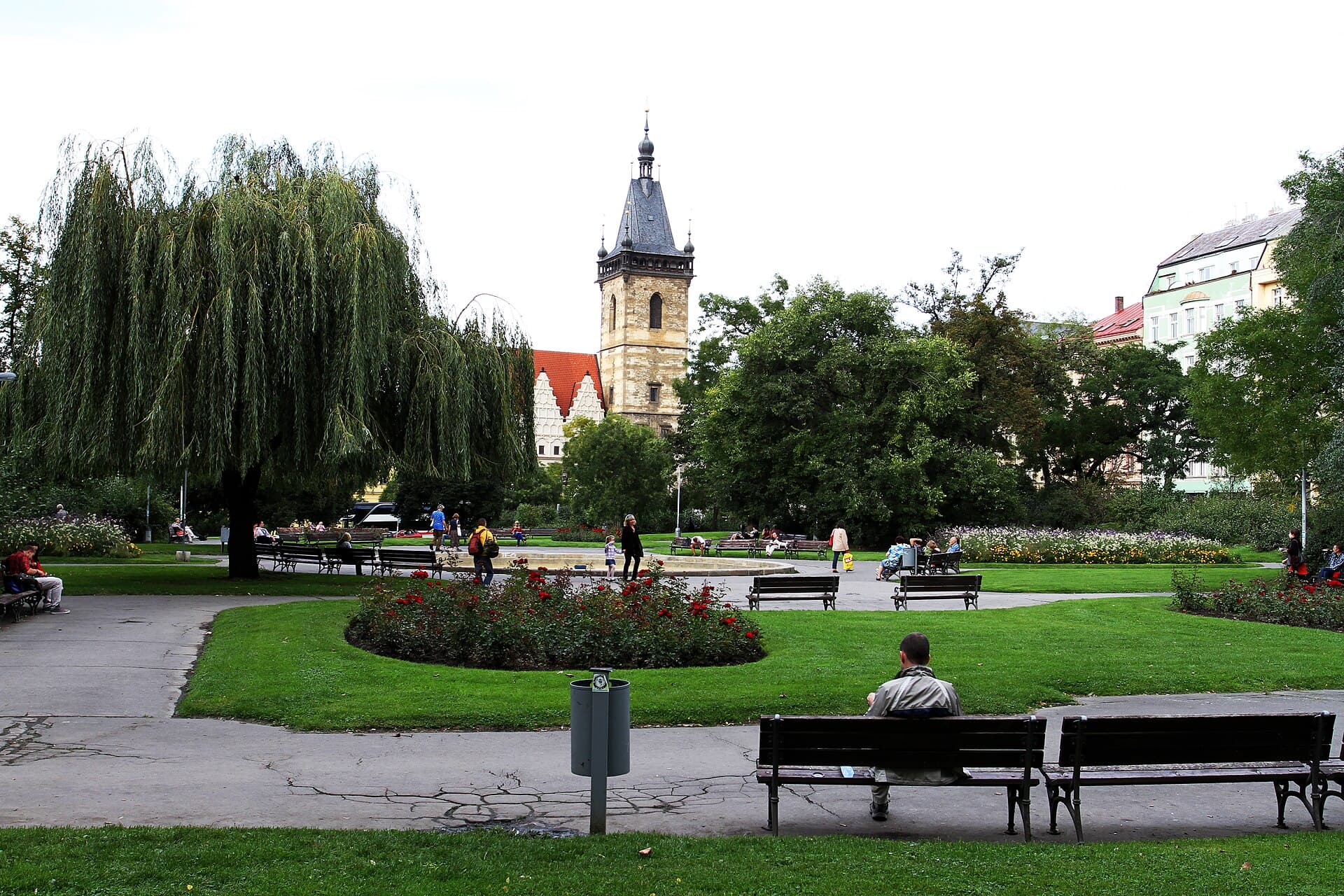 Charles SquarePrague's largest square and among the largest in Europe by area, laid out by Emp11 minutes walk4.4
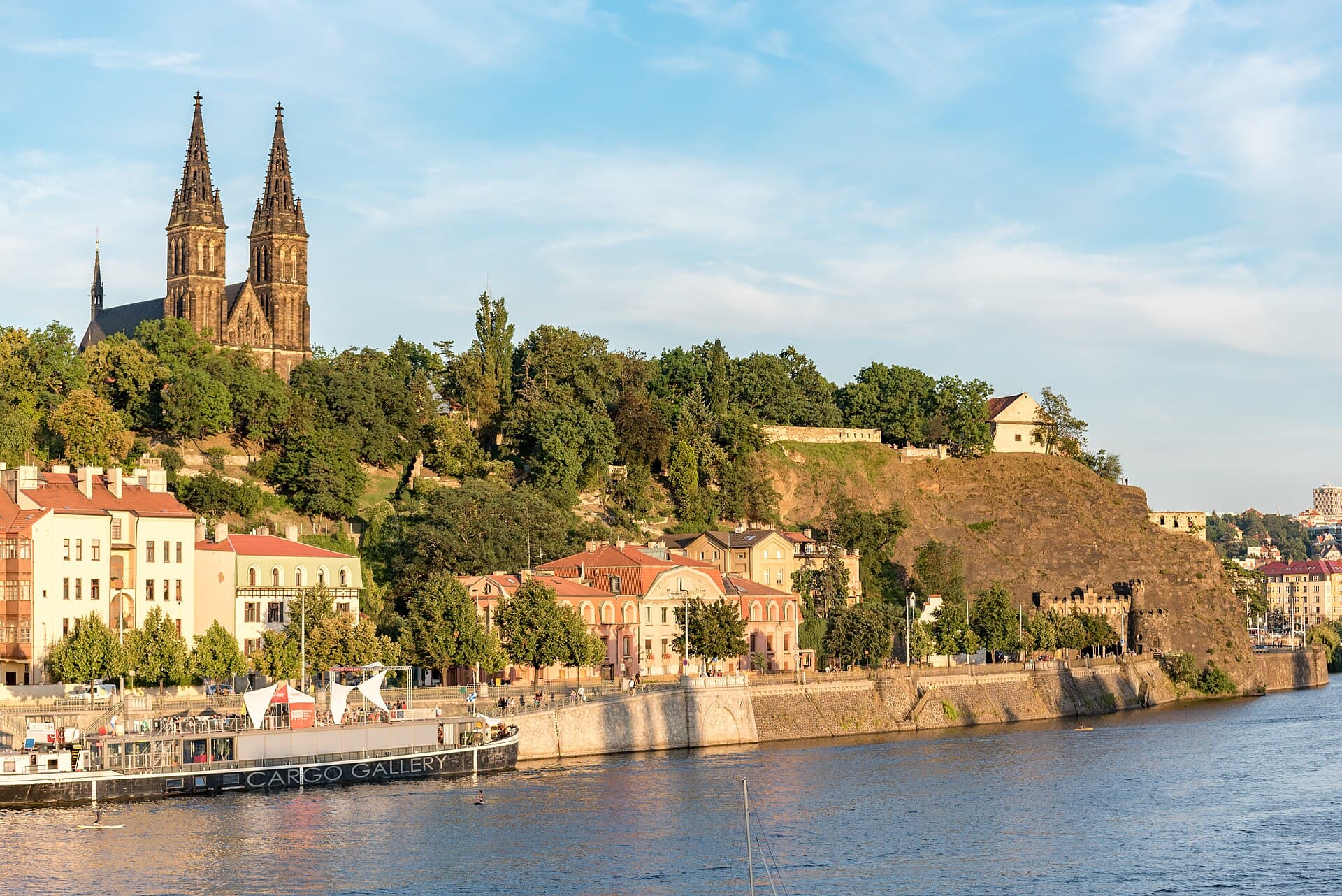 VyšehradIf Prague Castle is the seat of power, Vyšehrad is the seat of legend. The fortr12 minutes walk4.9
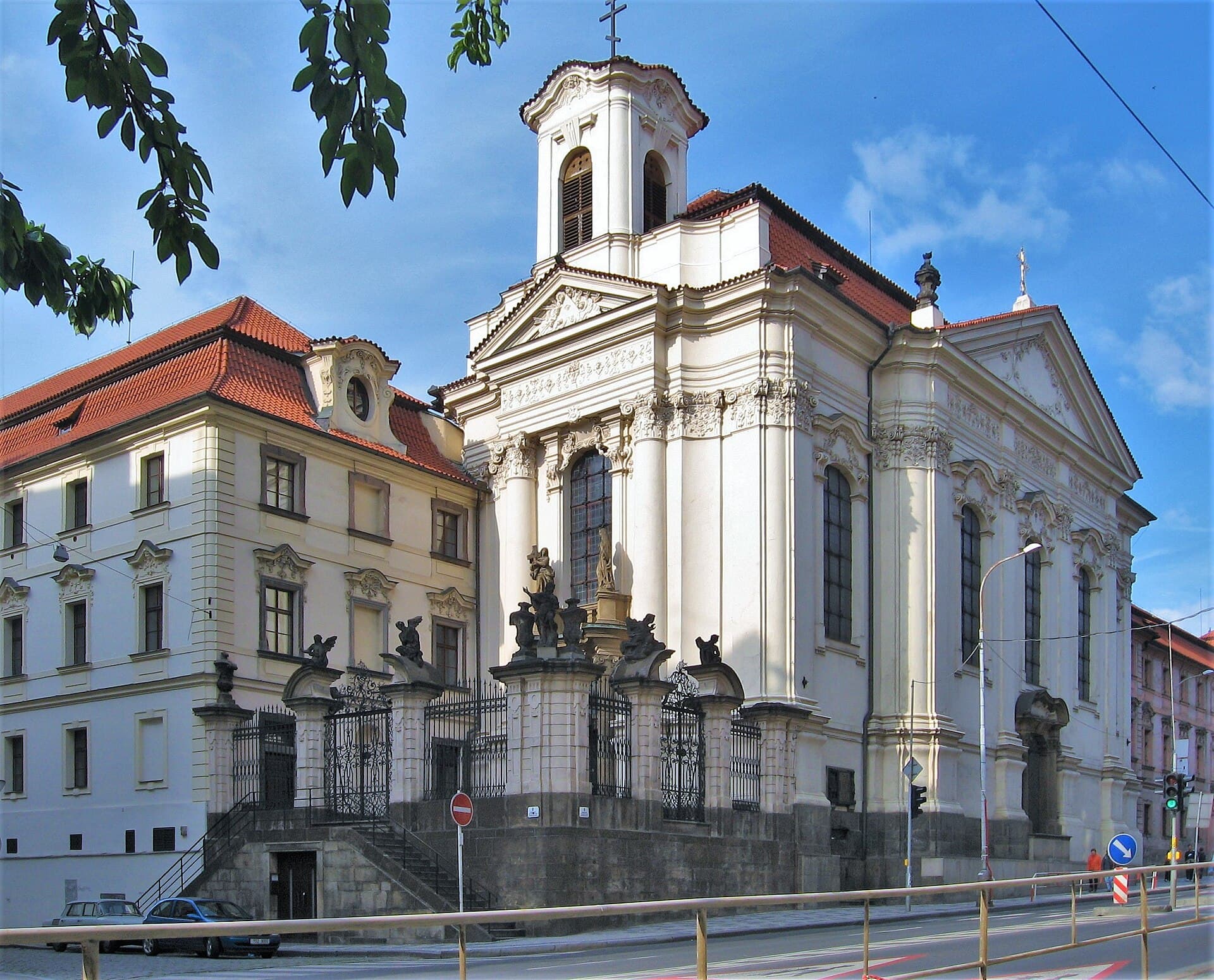 Ss. Cyril and Methodius CathedralThe Cathedral of Saints Cyril and Methodius is a quiet Baroque Orthodox church i14 minutes walk4.9
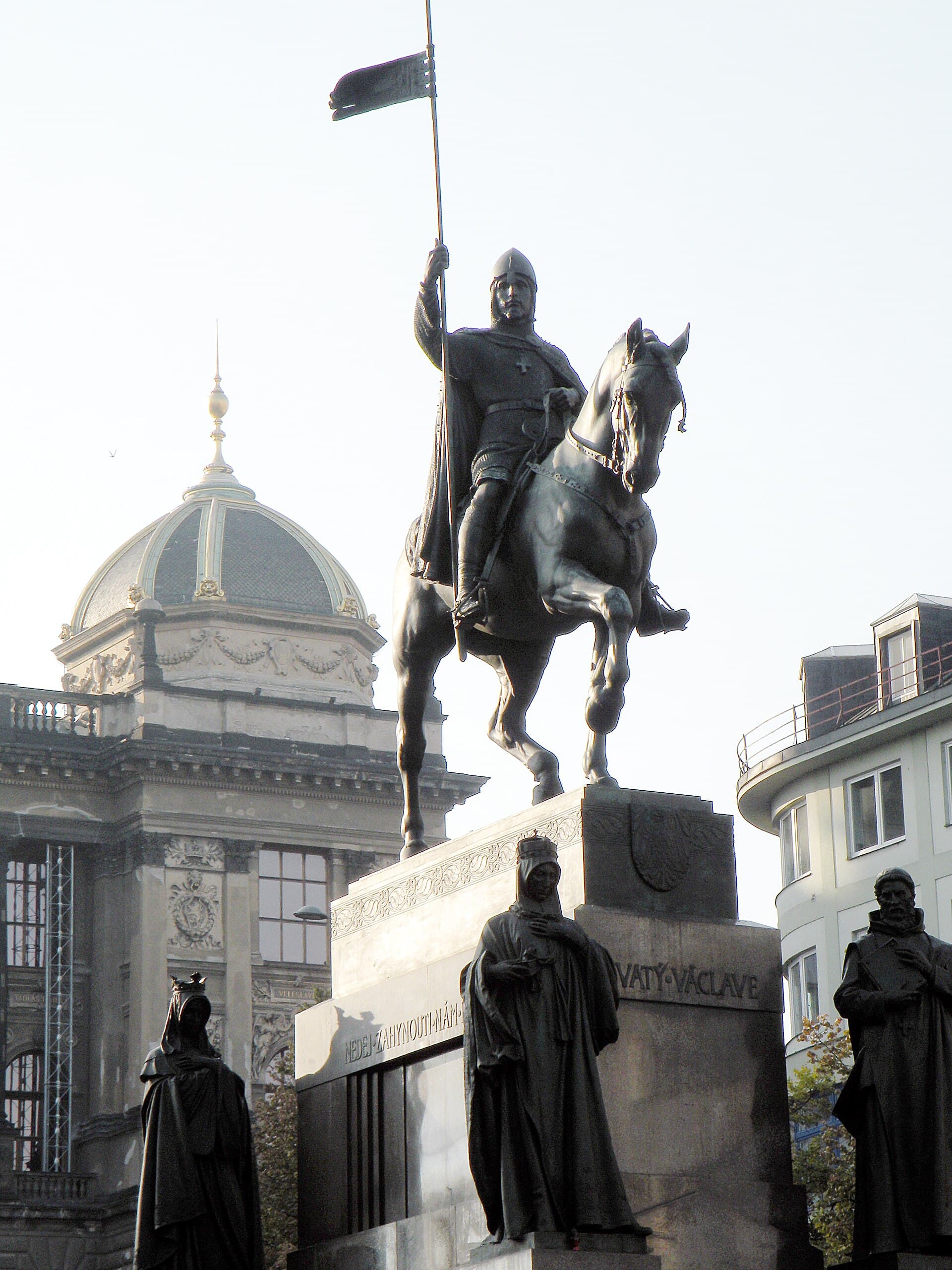 Statue of St. WenceslausAt the head of Wenceslas Square, directly in front of the National Museum, St We15 minutes walk4.8
On the ground it was a forbidden strip several kilometres wide along the Austrian and West German borders: an electrified fence at lethal voltage, watchtowers, dogs, minefields in some periods, and entire villages cleared to empty the zone. Czechoslovaks had no right to travel west, and crossing was a crime punished by prison or death.
Not on a short first visit. But if the communist period interests you it complements the Army Museum in Žižkov from a different angle: that one covers war and occupation, this one internal control and the border.