
Net lifting
With counterweights.
Challiyil Eswaramangalath Vipin from Chalakudy, India — CC BY-SA 2.0 · einalem from Leeds — CC BY-SA 2.0 · Ashwin Kumar from Bangalore, India — CC BY-SA 2.0 · Rangan Datta Wiki — CC BY-SA 4.0 · Vyacheslav Argenberg — CC BY 4.0 · Ranjithsiji — CC BY-SA 4.0 · heb@Wikimedia Commons (mail) — CC BY-SA 3.0 · Ingo Mehling — CC BY-SA 4.0
Kochi's best-known symbol, huge fixed wooden fishing nets on Fort Kochi beach at the harbour mouth, their arms reaching more than 20 m over the water and each at least 10 m tall; their formal name is «shore-operated lift nets». Each net is worked by a team of fishermen who lower the wide net into the water and then lift it with the help of large stones hung from ropes at the other end as counterweights, a rhythmic, almost dance-like motion that visitors love to watch. Local memory links the nets with Chinese traders said to have brought them long ago. They stand in a row along the shore, with stalls behind them selling fresh fish that you can buy and have cooked in small restaurants nearby. Watching is free. The best times are sunset, when the nets are silhouetted against an orange sky, or early morning, when the fishermen are at work; some will let visitors try lifting the net for a small tip.
With counterweights.
Cooked nearby.
On the shore.
Fort Kochi beach, Kochi
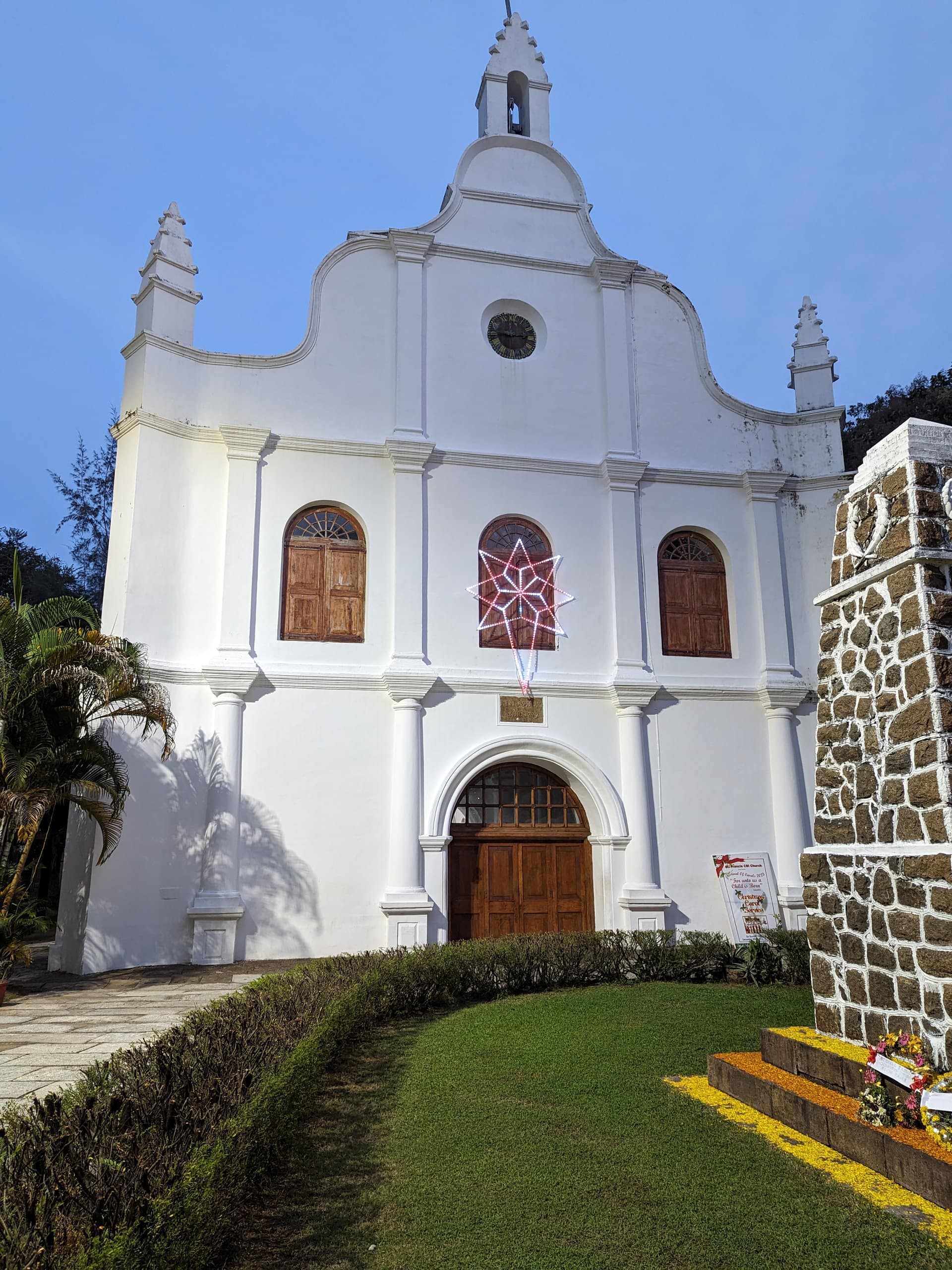 St Francis ChurchOne of the oldest European churches in India, first built in 1503 in Fort Kochi,4 minutes walk4.2
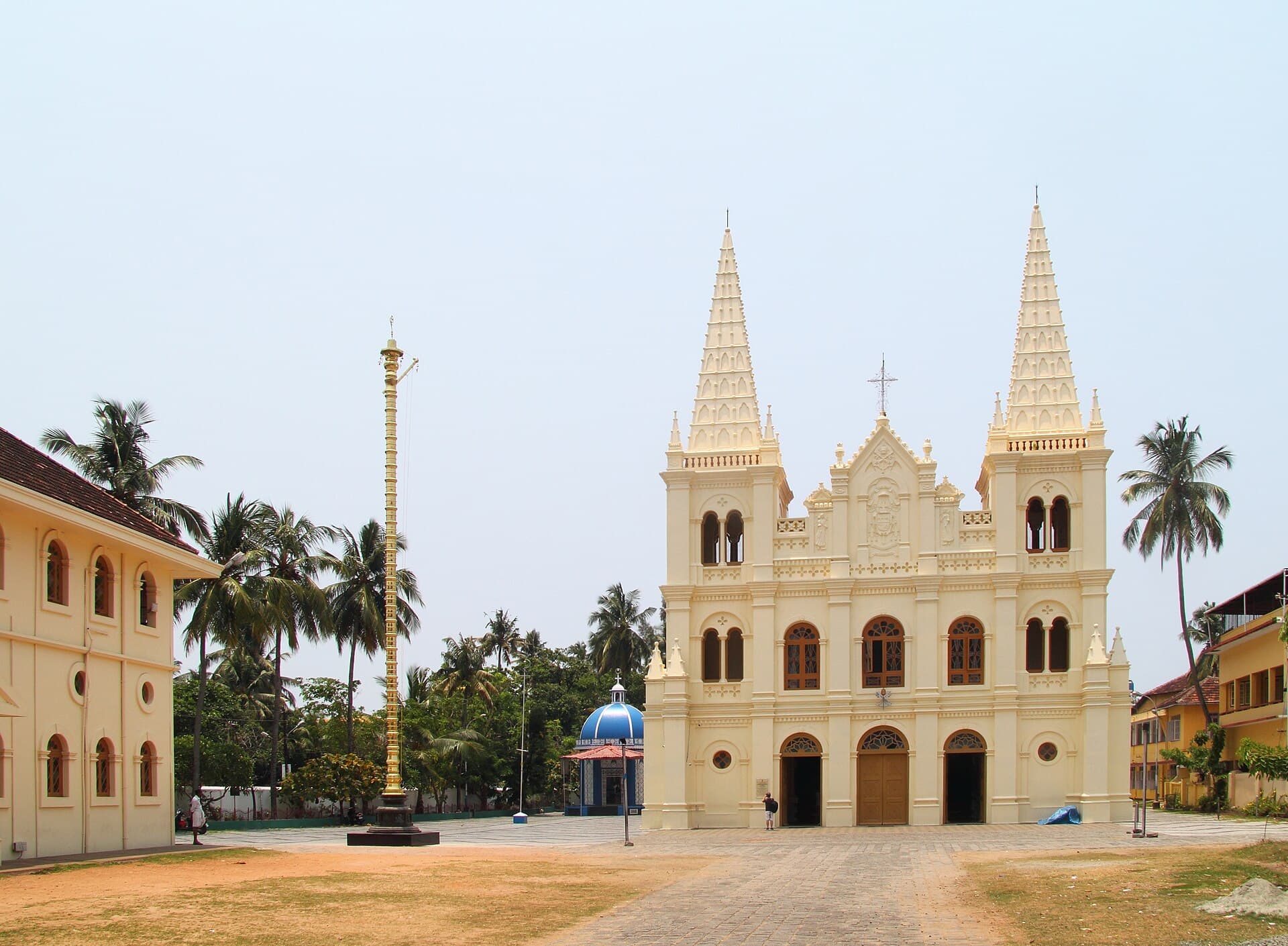 Santa Cruz BasilicaA historic cathedral in Fort Kochi, first built by the Portuguese in 1505 with t5 minutes walk4.6
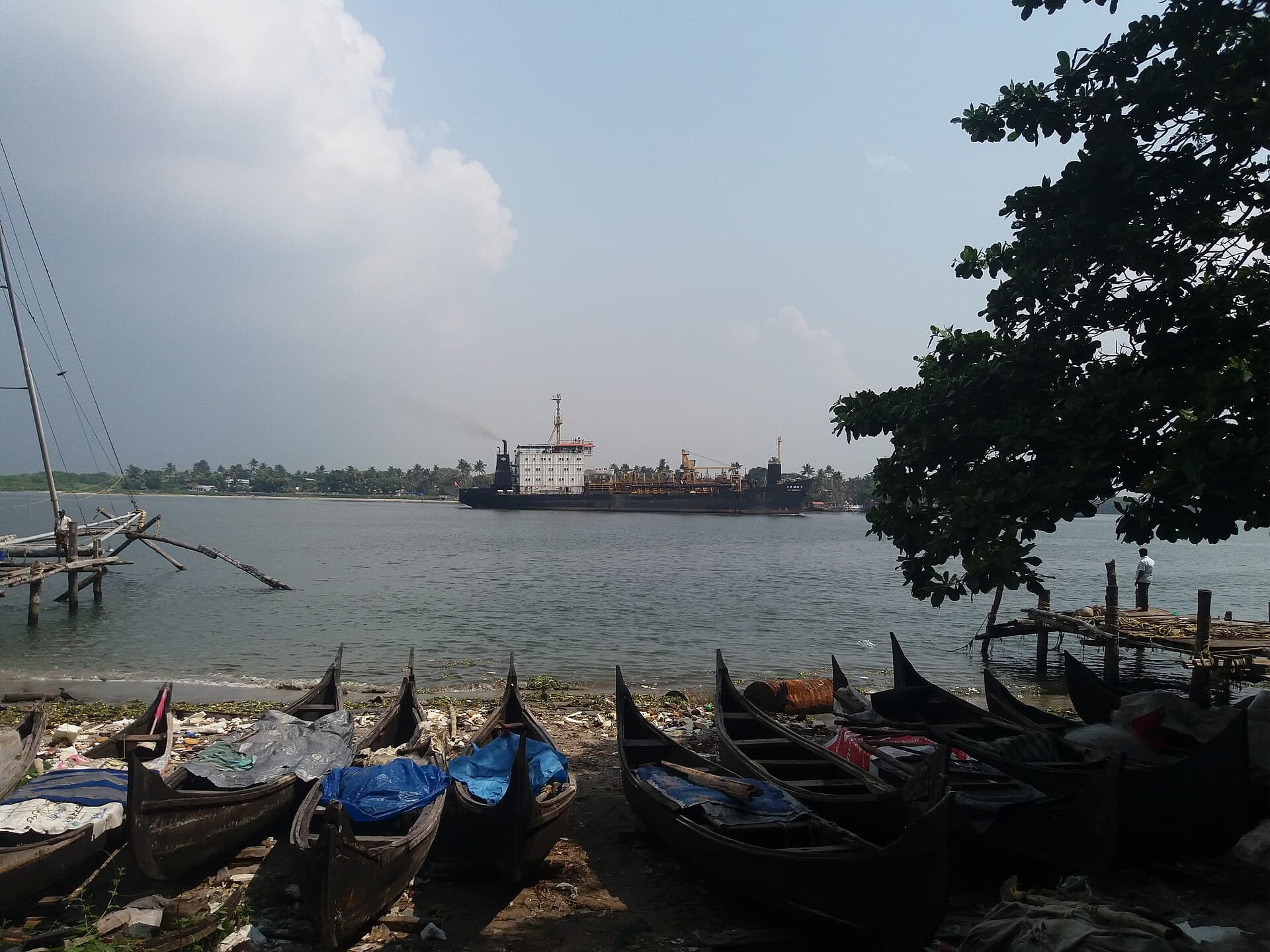 Fort KochiKochi's historic quarter at the tip of an island by the harbour mouth, named aft9 minutes walk4.4
At sunset for the silhouettes, or early in the morning when the fishermen are at work; watching is free.