
Colonial lanes
Colourful doors.
Vis M — CC BY-SA 4.0 · Vandanan gopi — CC BY-SA 4.0 · Vis M — CC BY-SA 4.0 · Emmanuel DYAN from Paris, France — CC BY 2.0 · Vis M — CC BY-SA 4.0 · Galib Tufan — CC BY-SA 4.0 · Nandukrishna_t_ajith — CC0 · Alexey Komarov — CC BY-SA 4.0
Kochi's historic quarter at the tip of an island by the harbour mouth, named after Fort Manuel, built by the Portuguese as the first European fort on Indian soil; the Portuguese, Dutch and British followed one another here, each leaving a mark on its streets. Its quiet lanes wind past colonial houses with colourful wooden doors and shutters, old churches, and warehouses turned into galleries and cafés under huge old shade trees, and the quarter hosts a major international art biennale every two years. At its edge are a beach and a seafront walk lined with the Chinese fishing nets, where locals and visitors gather in the evening to watch the sunset and the big ships entering the harbour, with plenty of restaurants serving fish and seafood. Wandering is free; walking or a hired bike is the best way to explore. Swimming off the beach isn't advised because of currents, and a short, pleasant ferry ride brings you from central Kochi.
Colourful doors.
In old warehouses.
On the seafront.
South-west Kochi, on the Arabian Sea
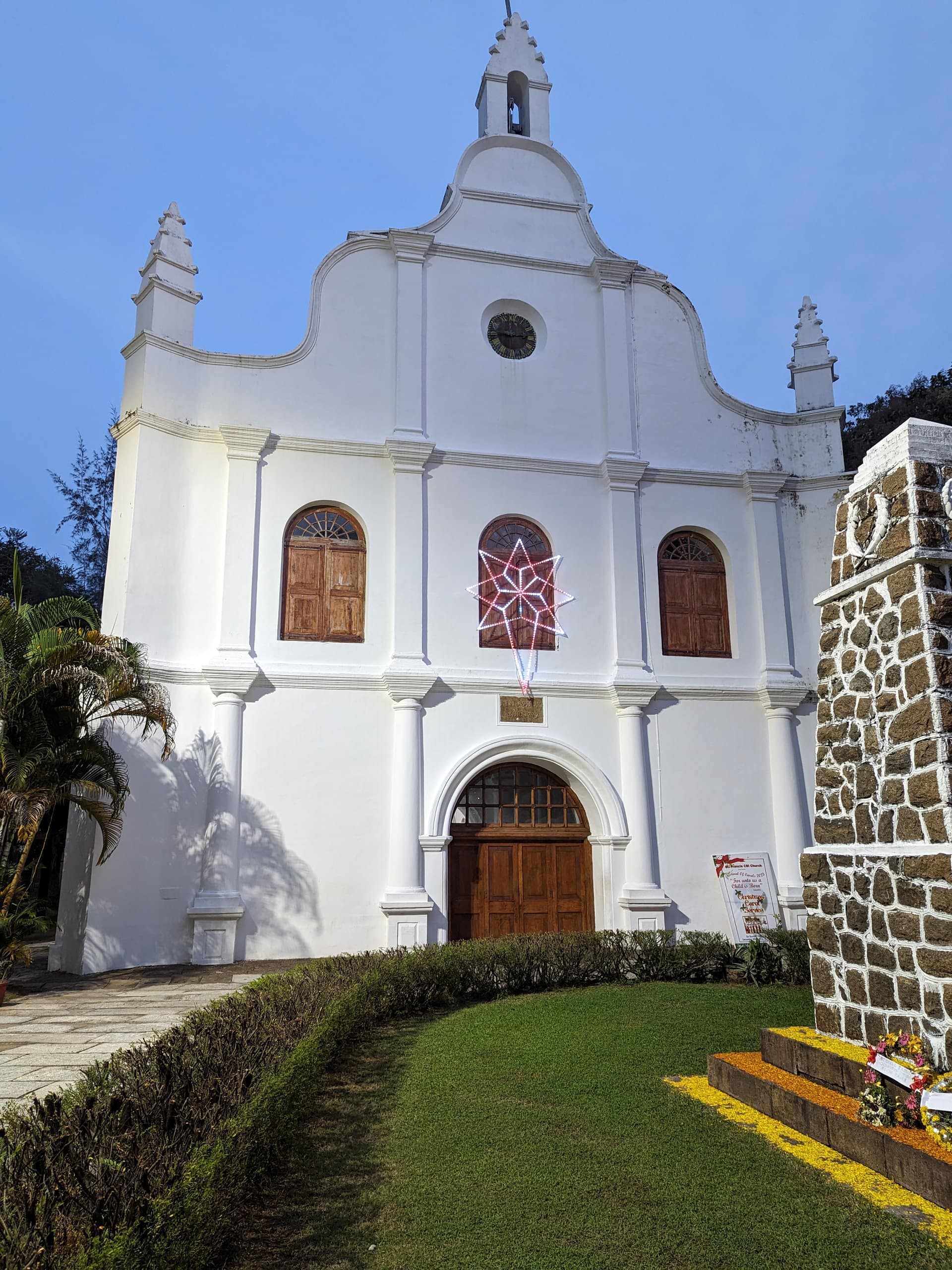 St Francis ChurchOne of the oldest European churches in India, first built in 1503 in Fort Kochi,6 minutes walk4.2
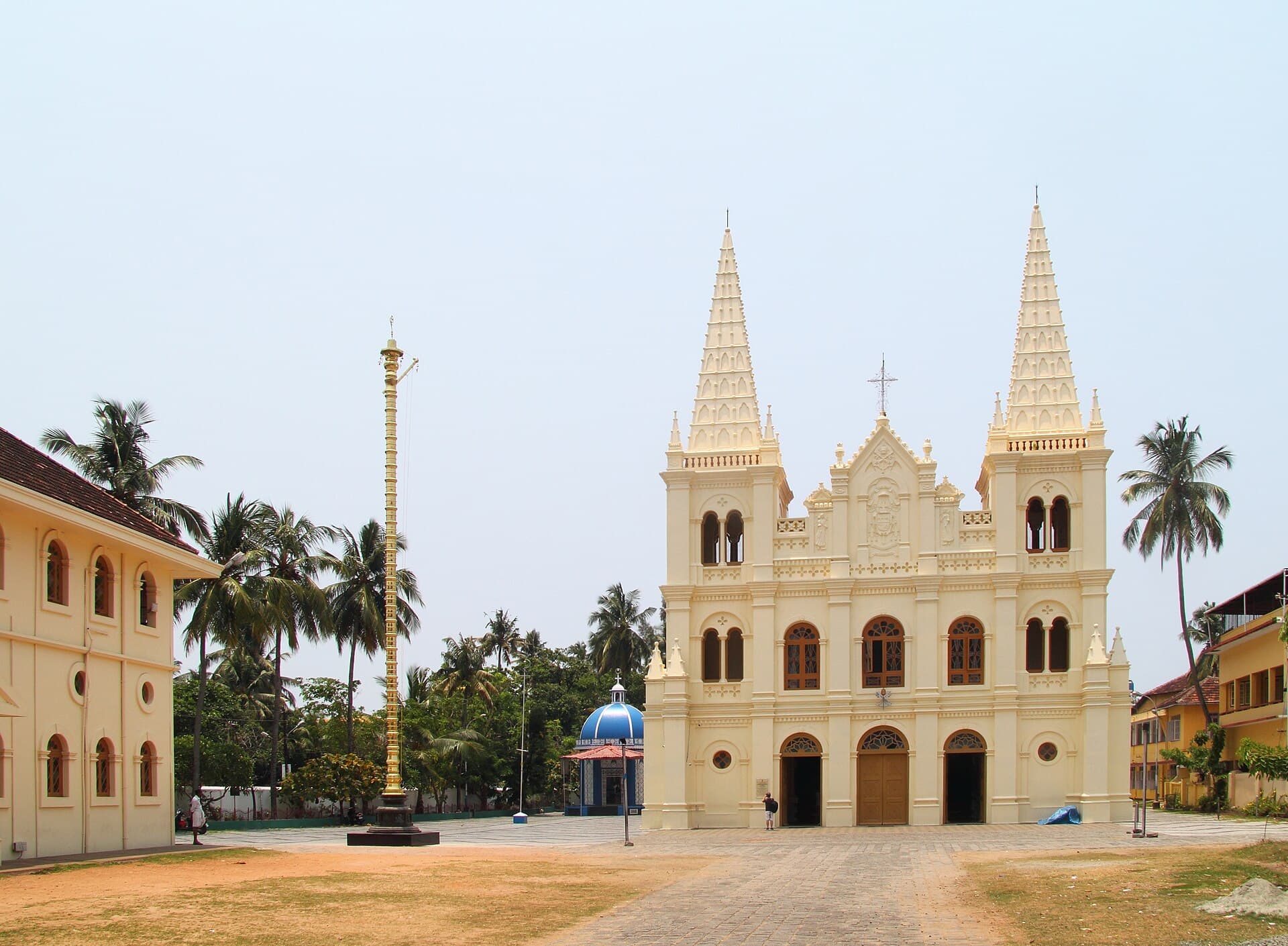 Santa Cruz BasilicaA historic cathedral in Fort Kochi, first built by the Portuguese in 1505 with t8 minutes walk4.6
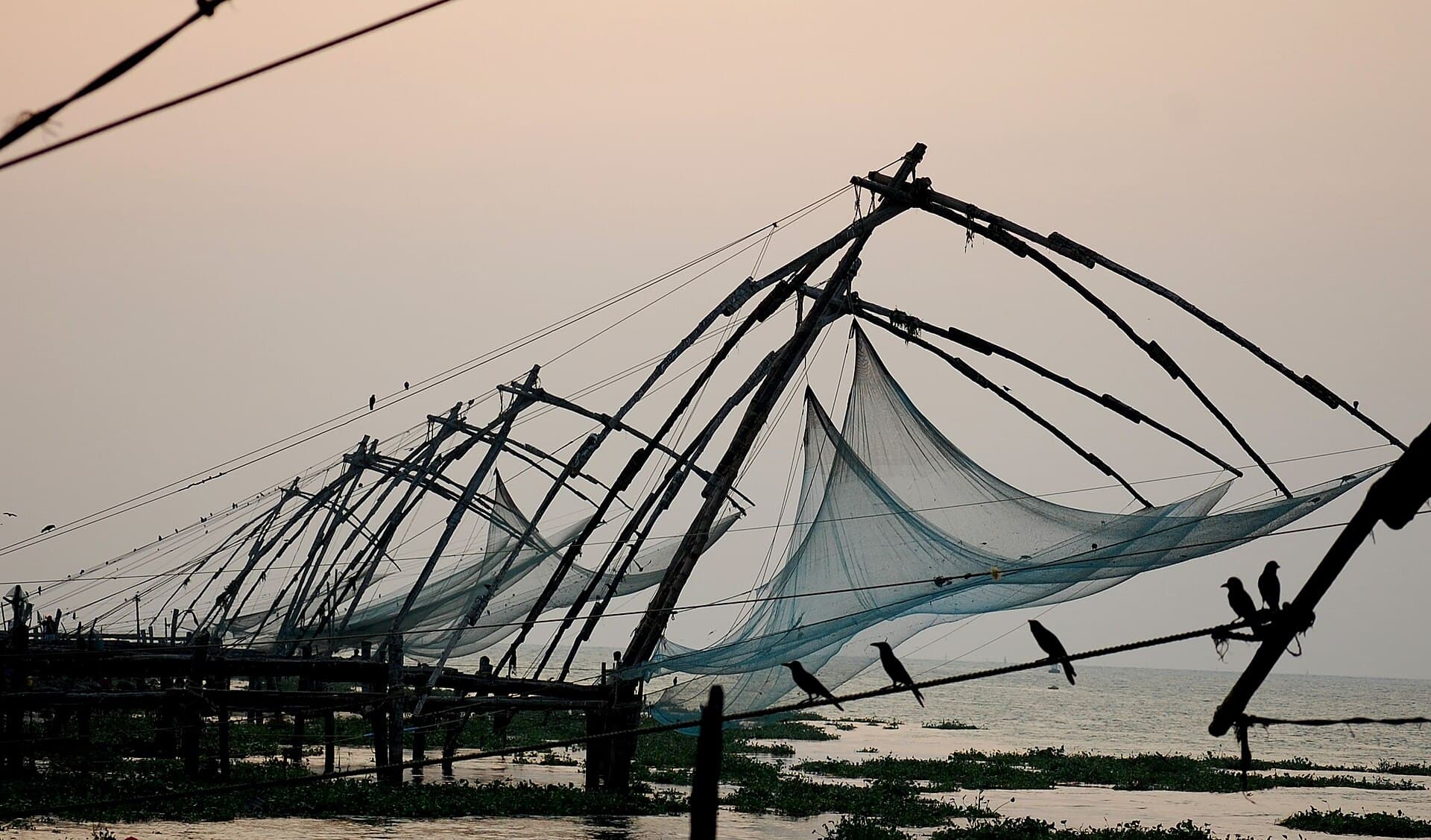 Chinese Fishing NetsKochi's best-known symbol, huge fixed wooden fishing nets on Fort Kochi beach at9 minutes walk4.4
By a short ferry ride from central Kochi or by road over the bridges; exploring is free on foot or by bike.