
White façade
Stepped gable.
SerChevalerie — CC0 · Renith — Public domain · Rainer Halama — CC BY-SA 4.0 · Ranjith Siji — CC BY-SA 4.0 · Sudheeshpillai — CC BY-SA 3.0 · Pinakpani — CC BY 4.0 · Pinakpani — CC BY 4.0 · Rainer Halama — CC BY-SA 4.0
One of the oldest European churches in India, first built in 1503 in Fort Kochi, a witness to the beginnings of European colonial ambition in the subcontinent; the Portuguese, Dutch and British held it in turn. It is linked with the Portuguese explorer Vasco da Gama, who opened the sea route from Europe to India and died in Kochi in 1524 on his third voyage. He was buried here, and his remains were moved to Lisbon fourteen years later, but the spot of his first grave can still be seen. The building is simple, with a stepped white European-style façade, traditional cloth «punkah» fans hanging from the ceiling that servants once pulled by rope, and old Dutch and British tombstones on its walls. Entry is free; dress modestly and keep quiet. Sunday services are held here, so avoid those hours. It's a short walk from the Chinese fishing nets and Santa Cruz Basilica.
Stepped gable.
Rope-pulled.
His first grave.
Fort Kochi, Kochi
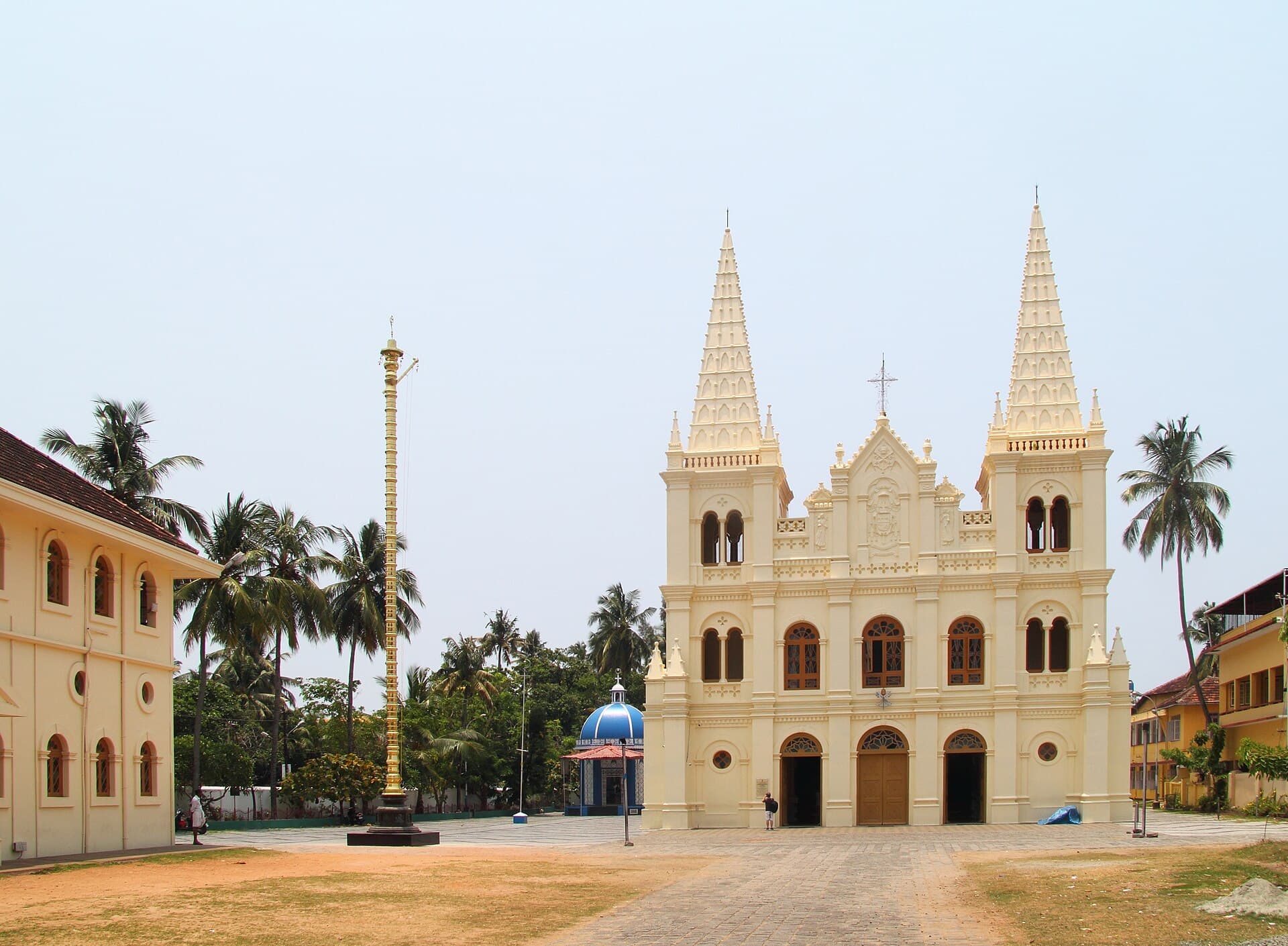 Santa Cruz BasilicaA historic cathedral in Fort Kochi, first built by the Portuguese in 1505 with t3 minutes walk4.6
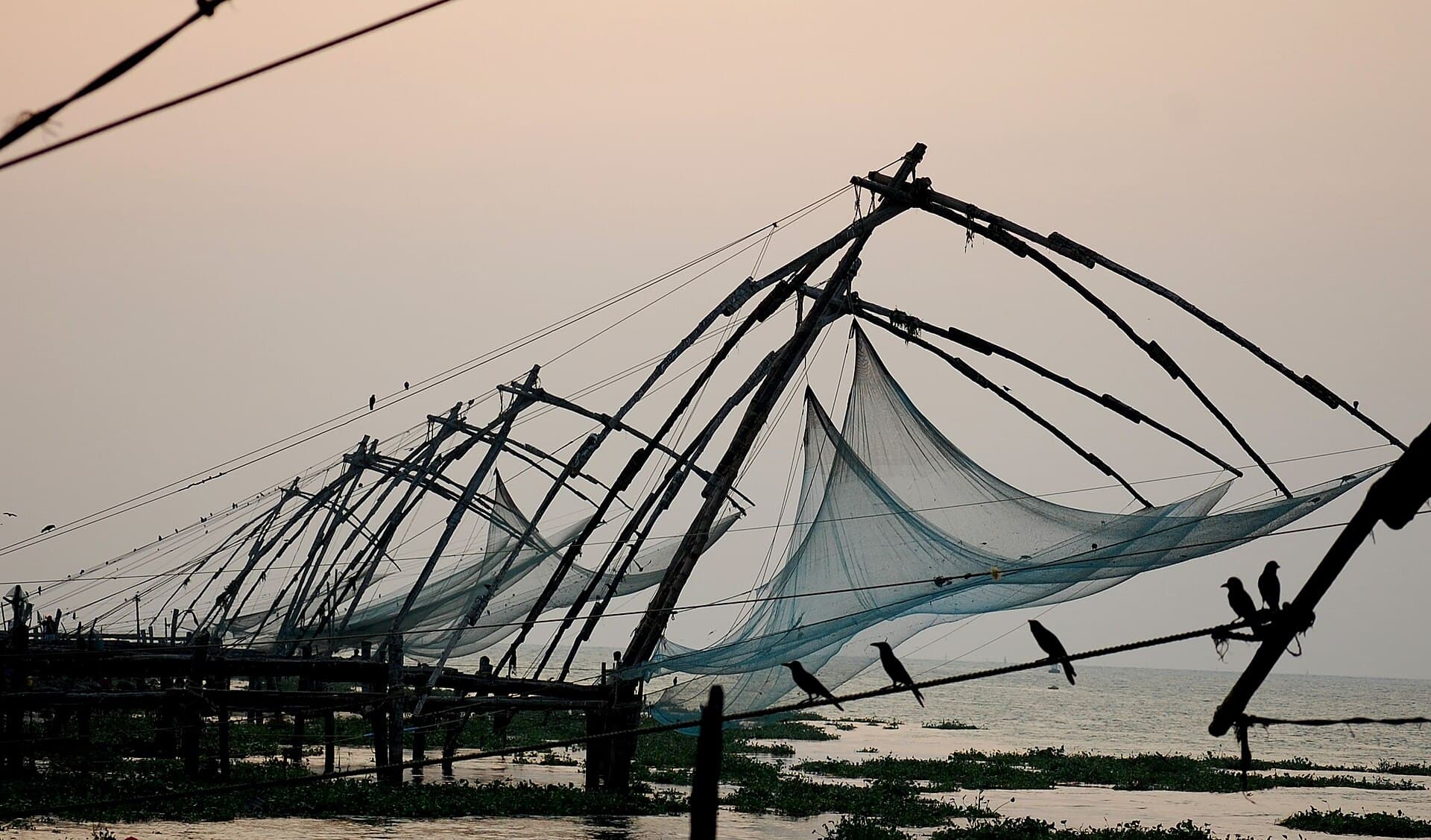 Chinese Fishing NetsKochi's best-known symbol, huge fixed wooden fishing nets on Fort Kochi beach at4 minutes walk4.4
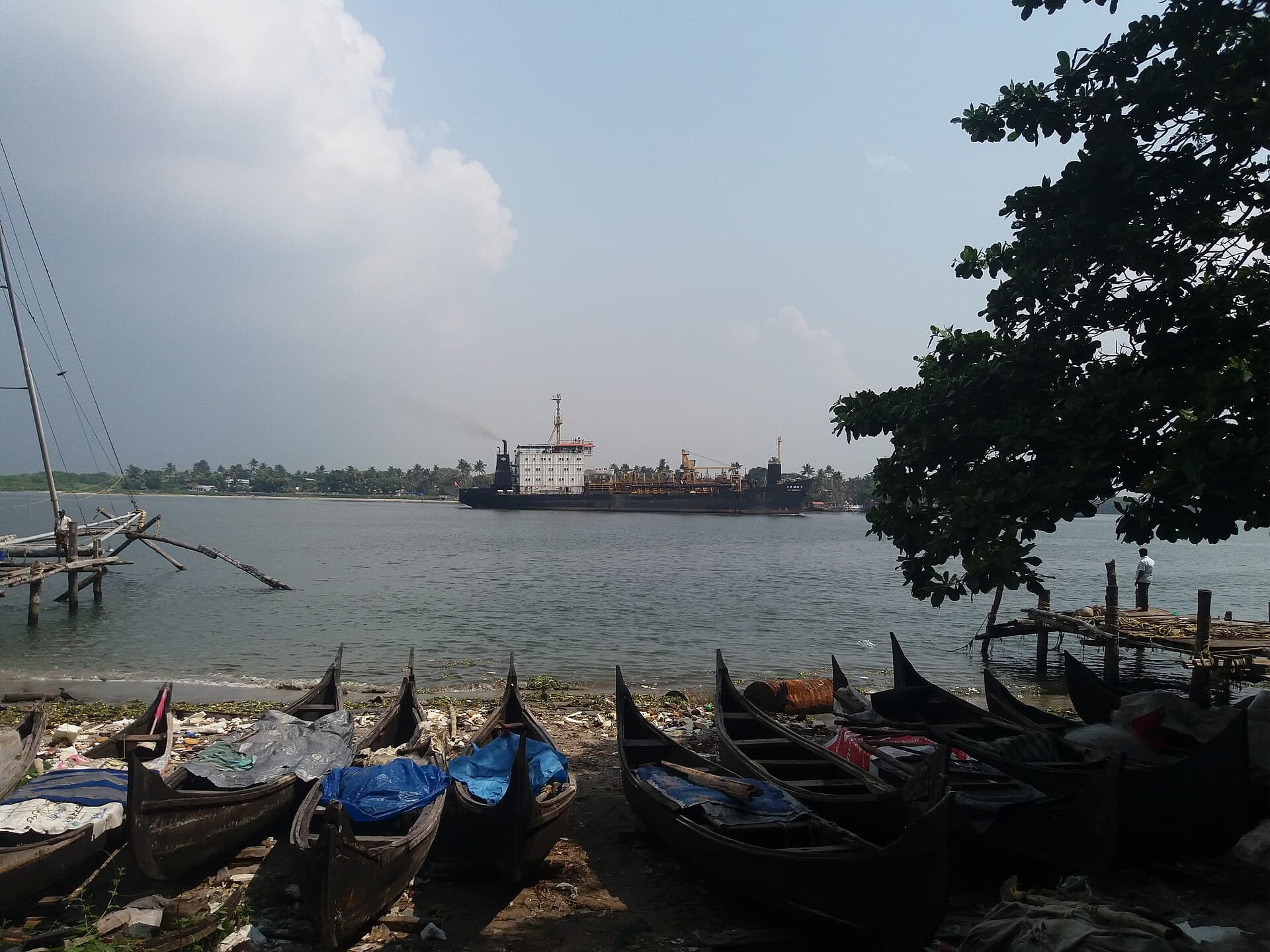 Fort KochiKochi's historic quarter at the tip of an island by the harbour mouth, named aft6 minutes walk4.4
Yes, first in St Francis Church after his death in 1524; his remains were moved to Lisbon fourteen years later.