
The interrogation cellars
The history is shown where it happened, not in a neutral hall.
Benoît Prieur — CC0 · Romainbehar — CC0 · Romainbehar — CC0 · Benoît Prieur — CC0
A museum of the French Resistance and of the deportation of Jews and opponents of the regime, housed in the building the Gestapo used as its Lyon headquarters during the occupation. The building is the heart of the matter. Interrogations and torture were carried out here under Klaus Barbie, the officer later known as the Butcher of Lyon, who was tried in this same city in 1987 for crimes against humanity. Presenting the history in the cellars where it happened makes the visit unlike any other museum. Lyon was regarded as the capital of the French Resistance: its position, its clandestine printing presses and its networks made it a centre, and the museum tells that story through documents, recordings, objects and filmed testimony from survivors. Practical points: entry costs little and the content is text-heavy, with an audio guide available in several languages that is worth taking. The subject is hard and covers deportation and genocide — it is not suitable for young children. Allow at least an hour and a half.
The history is shown where it happened, not in a neutral hall.
The Butcher of Lyon was tried in this city for crimes against humanity.
Lyon's networks and clandestine presses made it the Resistance's centre.
Avenue Berthelot, 7th arrondissement, Lyon
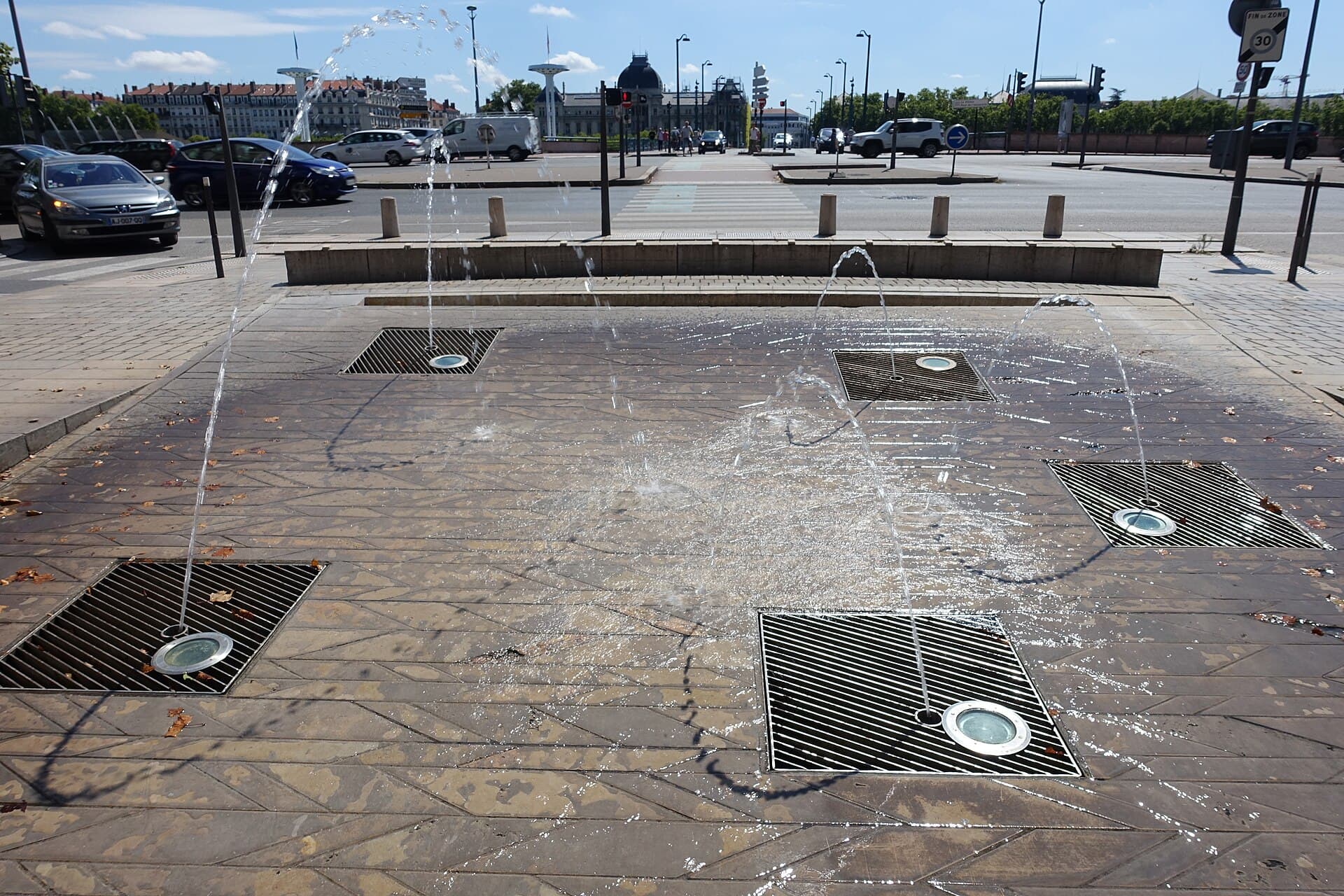 Place Gailleton FountainA commemorative fountain in a small square south of Place Bellecour, raised in h9 minutes walk4.3
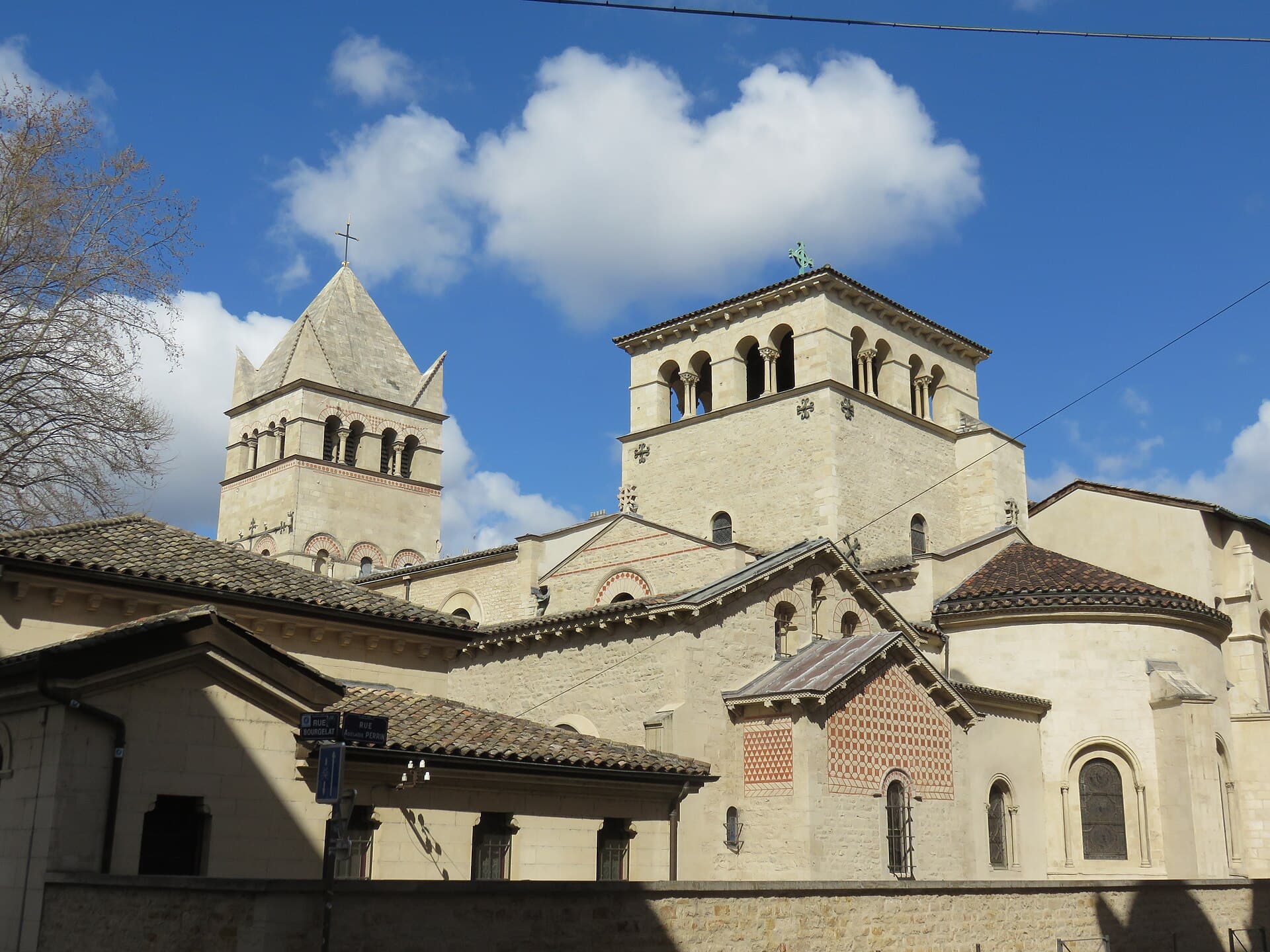 Basilica of Saint-Martin d'AinayAn eleventh-century Romanesque church in the Ainay quarter on the Presqu'île, th12 minutes walk4.9
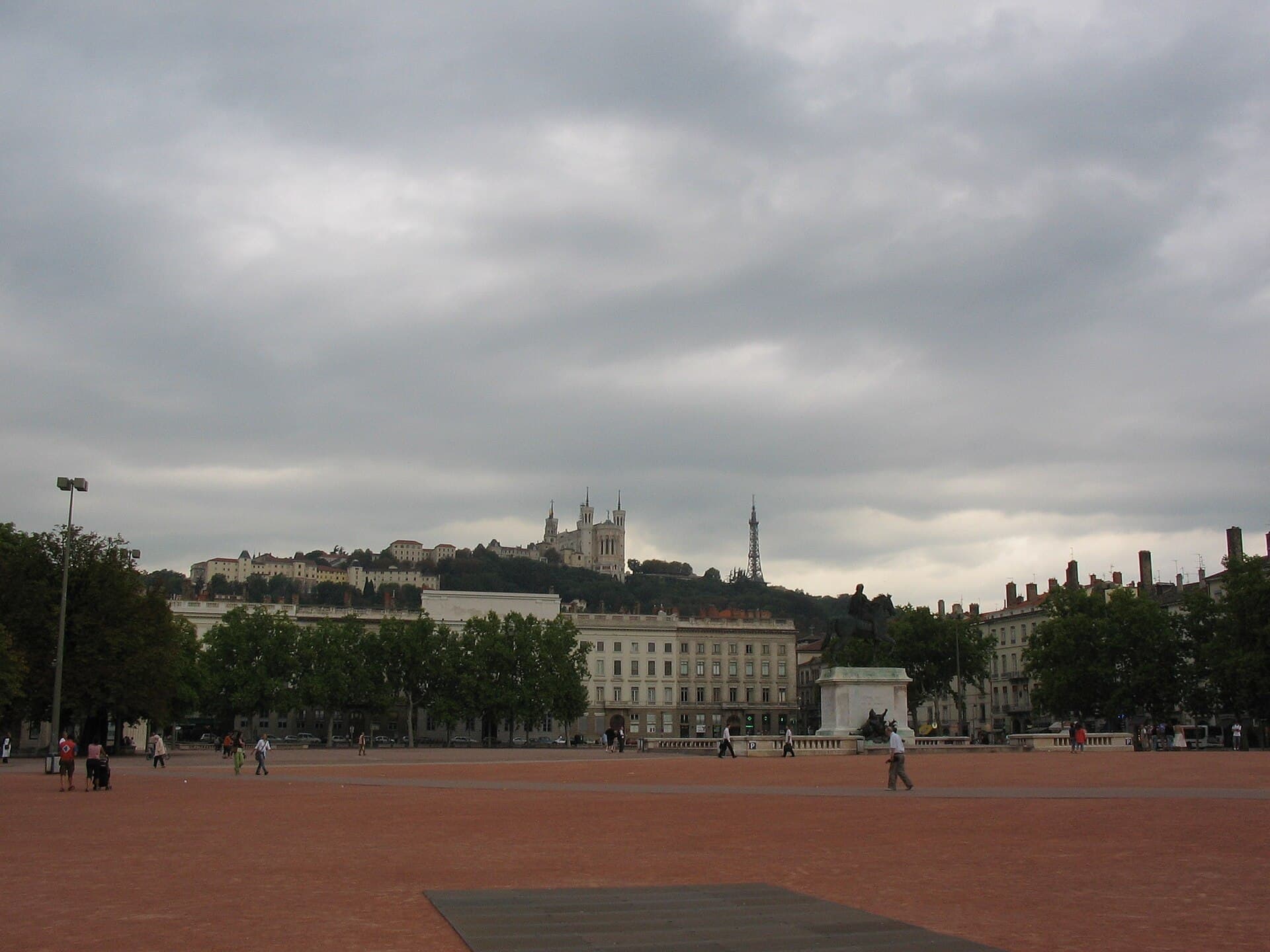 Place BellecourBellecour is among Europe's largest open squares — a vast red rectangle of packe15 minutes walk4.5
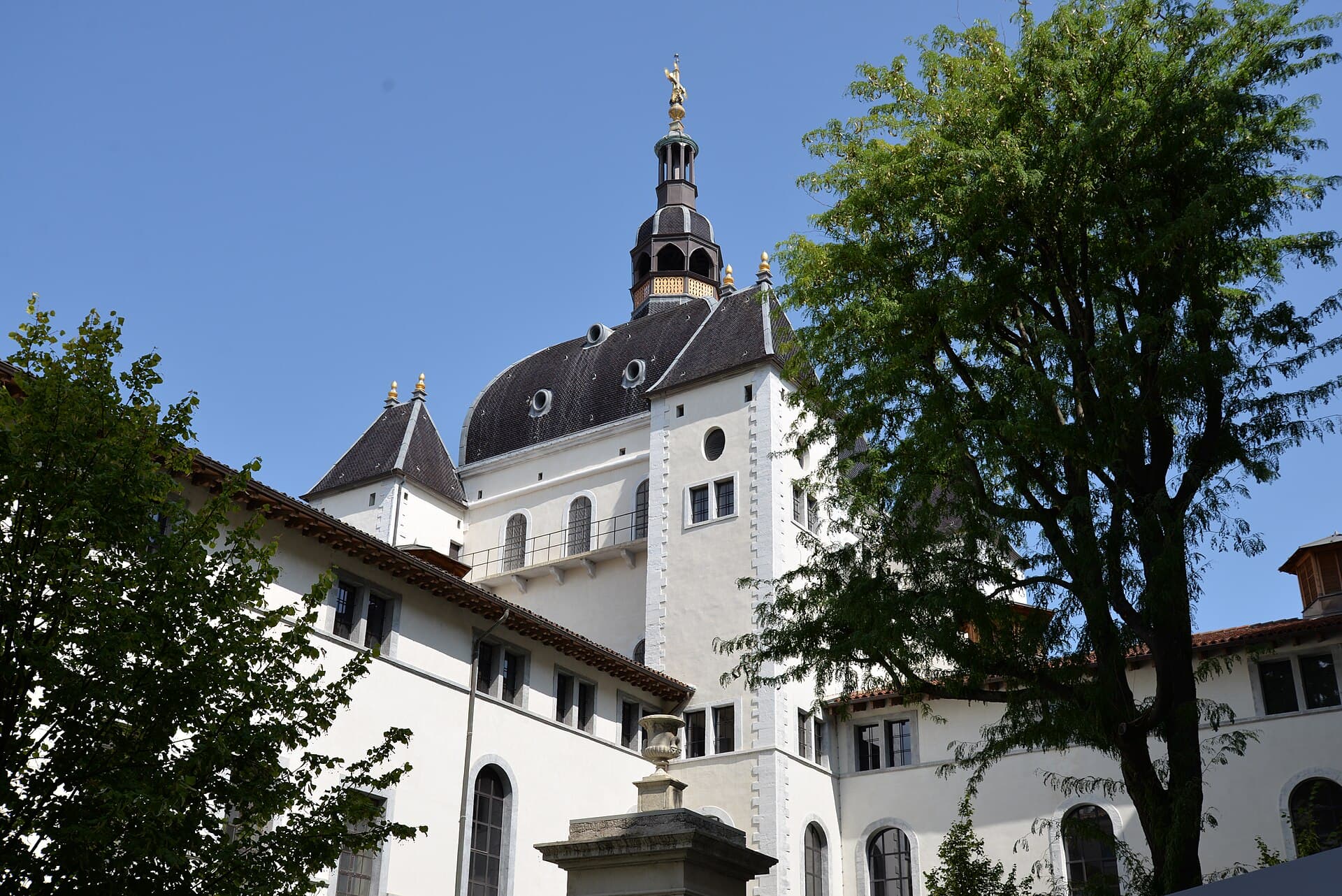 The Grand Hôtel-DieuAn enormous building on the bank of the Rhône in Lyon, the city's hospital for e17 minutes walk4.4
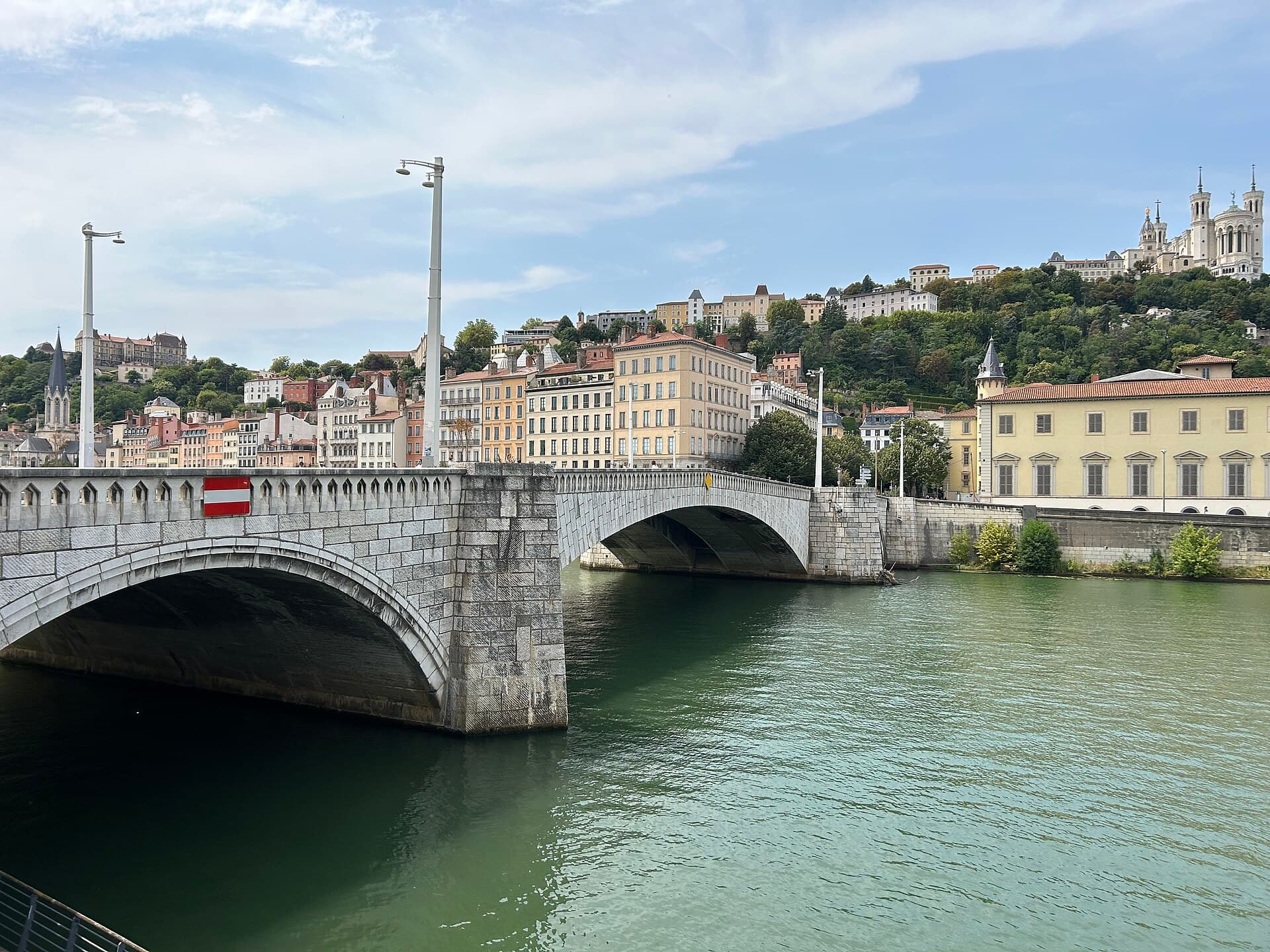 Pont BonaparteA bridge over the Saône linking the Presqu'île with the historic Vieux Lyon quar19 minutes walk4.4
The panels are mainly in French, but the audio guide covers the full route in several languages. Take it — without it you will lose most of the content, and this is a museum whose value is in its texts and testimony rather than visual exhibits.
Yes for teenagers, and it is among the best things to visit with them in Lyon because it anchors history to a specific place. But the subject is harsh and covers torture and the death camps, so prepare them beforehand. Young children, no.