
Third Republic statuary
France filled its squares with administrators rather than kings — itself a statement.
Guilhem Vellut from Annecy, France — CC BY 2.0 · Sebleouf — CC BY-SA 4.0 · Frachet — CC BY-SA 3.0 · Guilhem Vellut from Annecy, France — CC BY 2.0
A commemorative fountain in a small square south of Place Bellecour, raised in honour of Antoine Gailleton, mayor of Lyon at the end of the nineteenth century. Gailleton is remembered for public health works and hospitals in a city whose industrial quarters had harsh living conditions. The monument is of a kind the Third Republic put up in quantity: honouring local administrators and politicians with statues and fountains in public squares, as a way of embedding republican values in shared space. That is the context that makes a small monument like this intelligible: France in that period filled its cities with statues of men who were neither kings nor saints, and that in itself was a political statement. A plain practical point: this is not a destination. It is a small quiet square in a residential area south of the centre, and the fountain is a detail within it. Pause for minutes if you pass on your way south from Bellecour, and do not make a trip of it.
France filled its squares with administrators rather than kings — itself a statement.
Gailleton is remembered for hospitals and works in a harsh industrial city.
Minutes if you pass — do not make a trip of it.
Place Gailleton, southern Presqu'île, Lyon
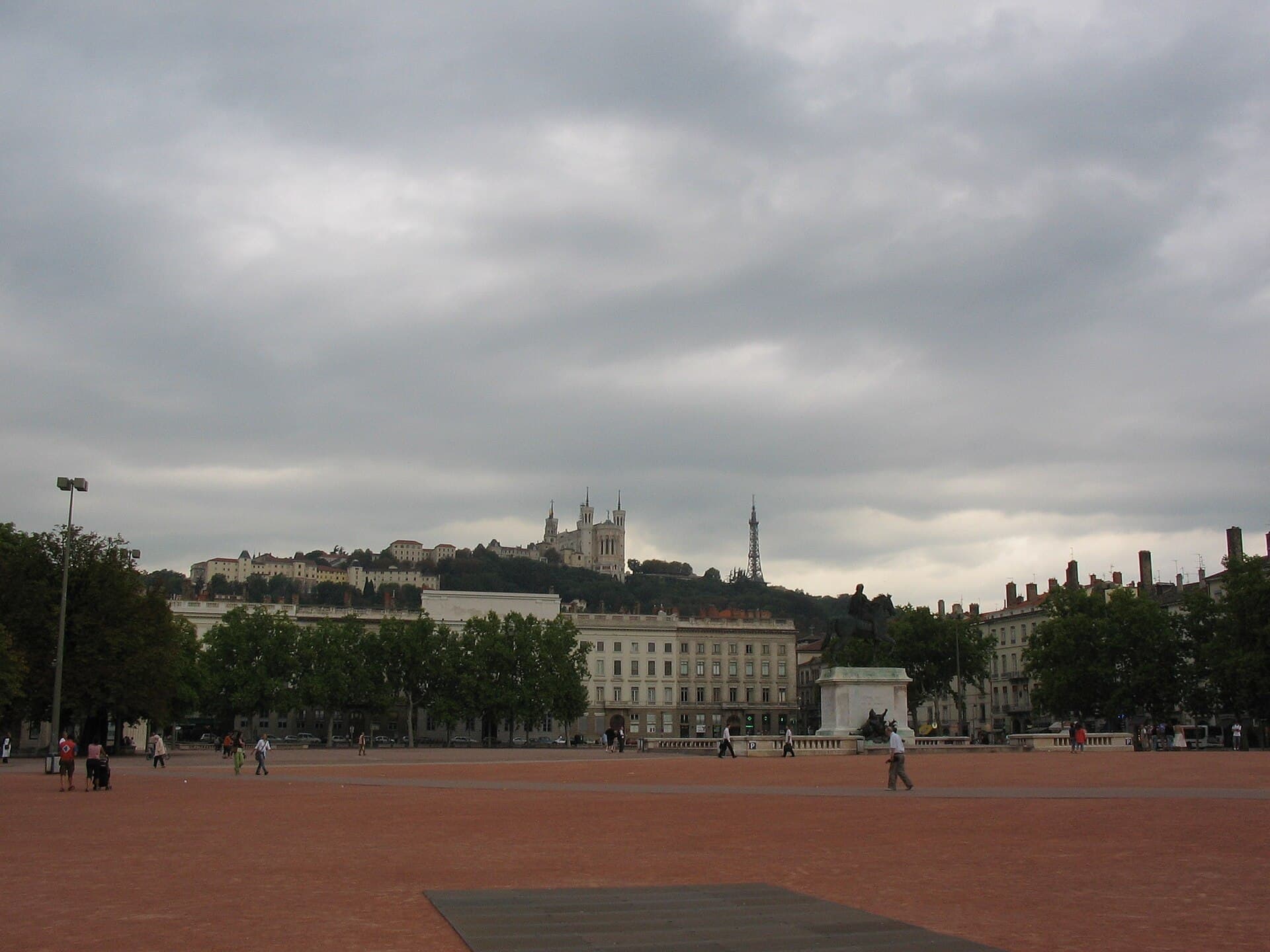 Place BellecourBellecour is among Europe's largest open squares — a vast red rectangle of packe6 minutes walk4.5
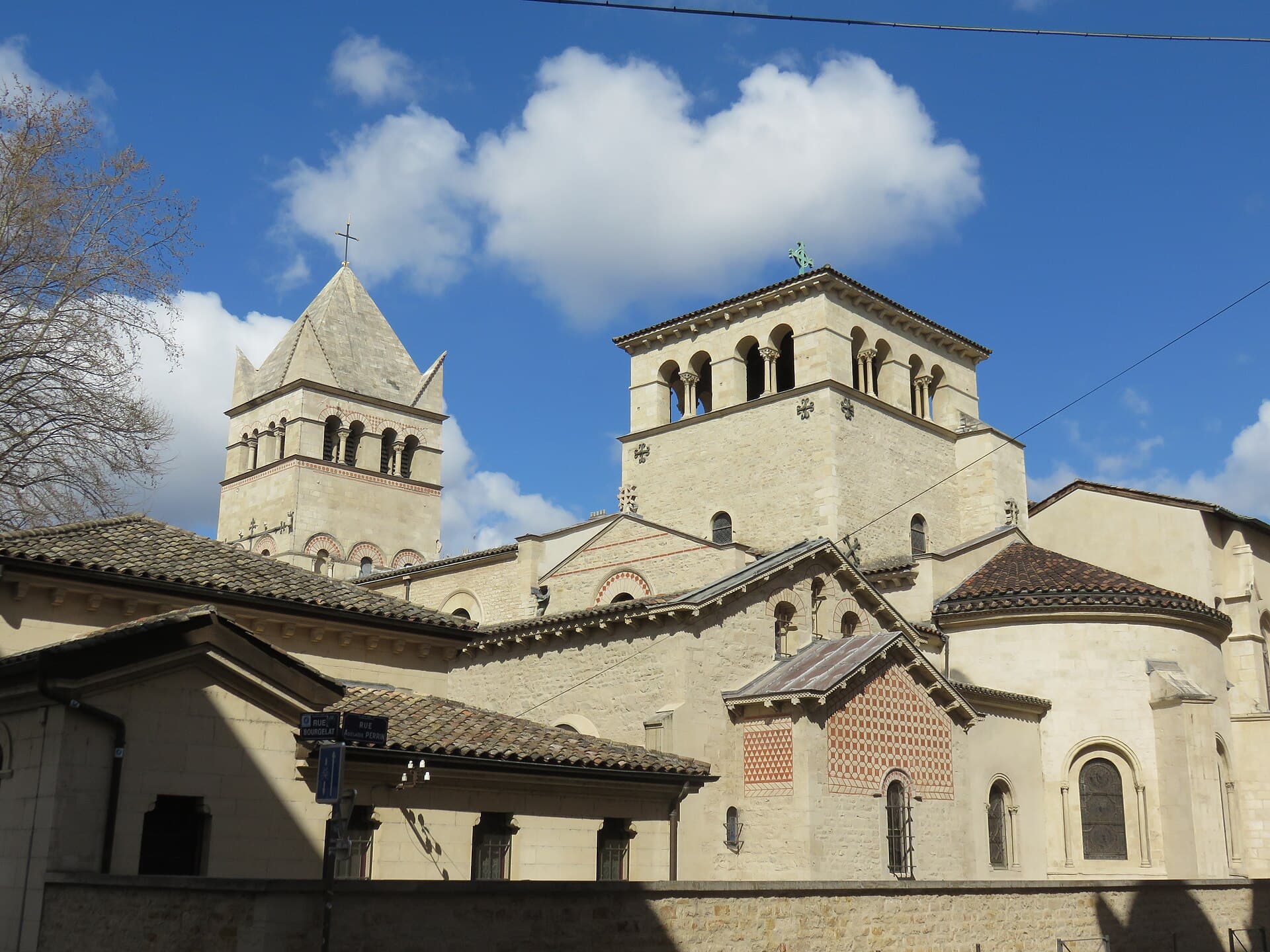 Basilica of Saint-Martin d'AinayAn eleventh-century Romanesque church in the Ainay quarter on the Presqu'île, th6 minutes walk4.9
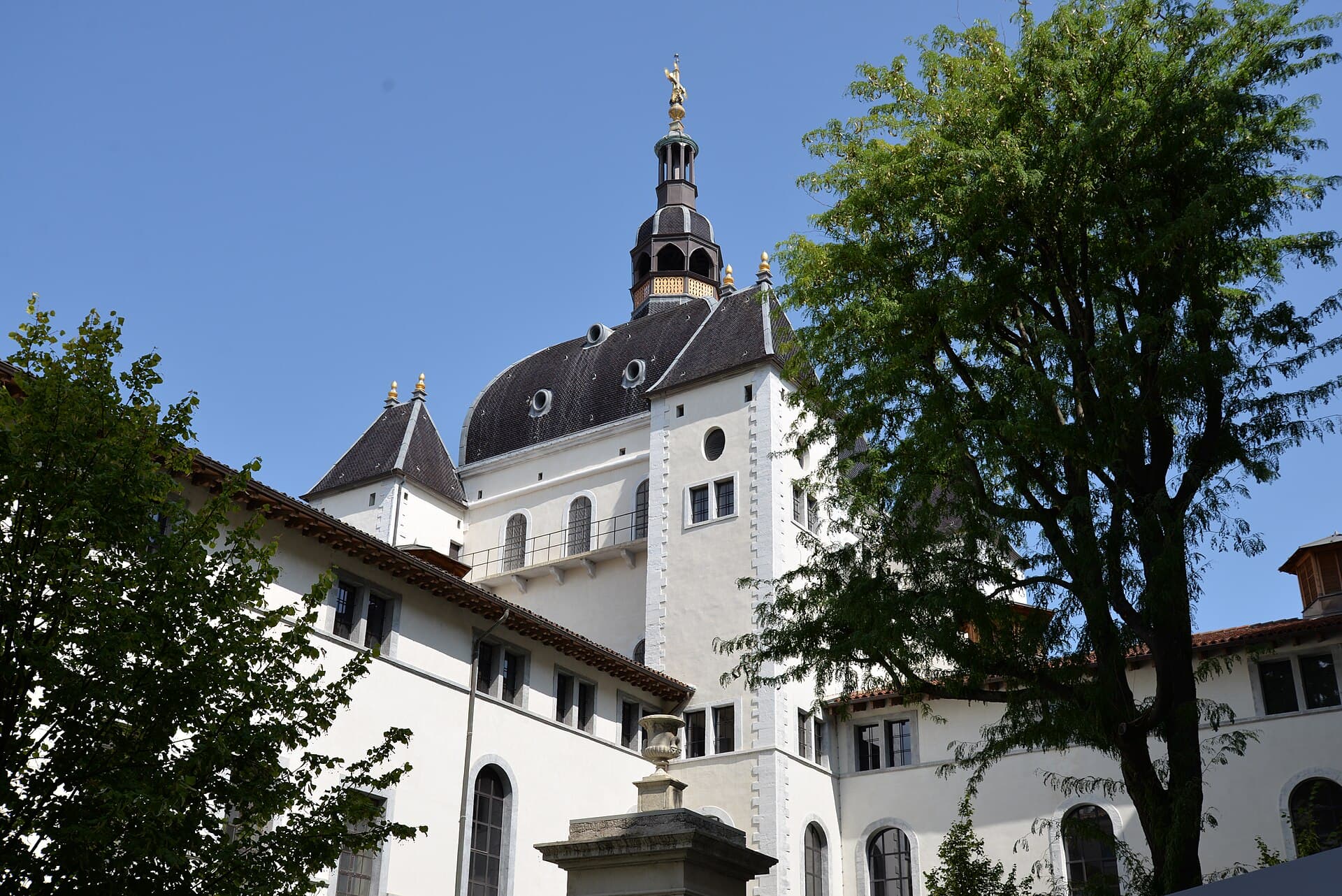 The Grand Hôtel-DieuAn enormous building on the bank of the Rhône in Lyon, the city's hospital for e8 minutes walk4.4
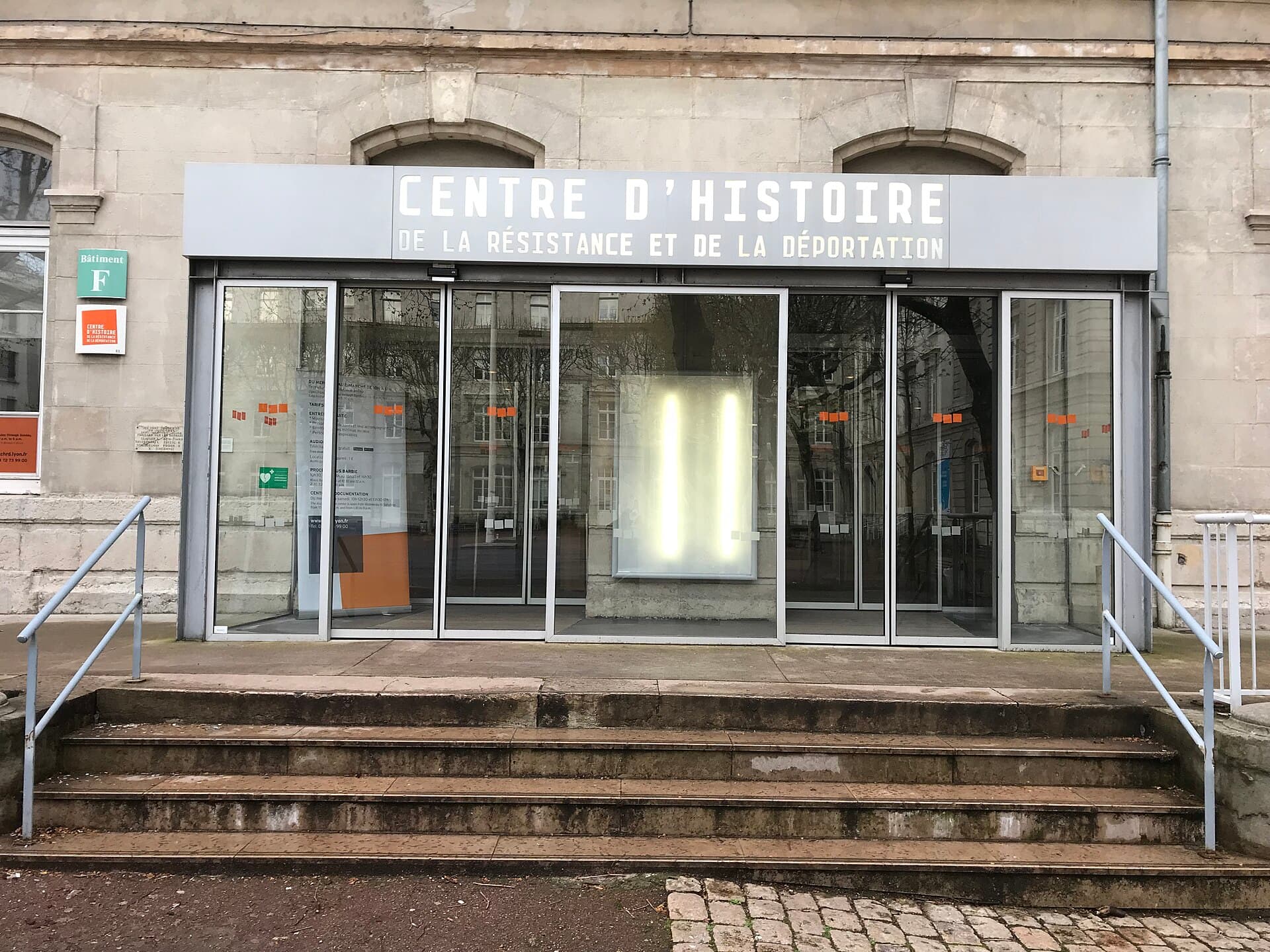 Centre for the History of Resistance and DeportationA museum of the French Resistance and of the deportation of Jews and opponents o9 minutes walk4.4
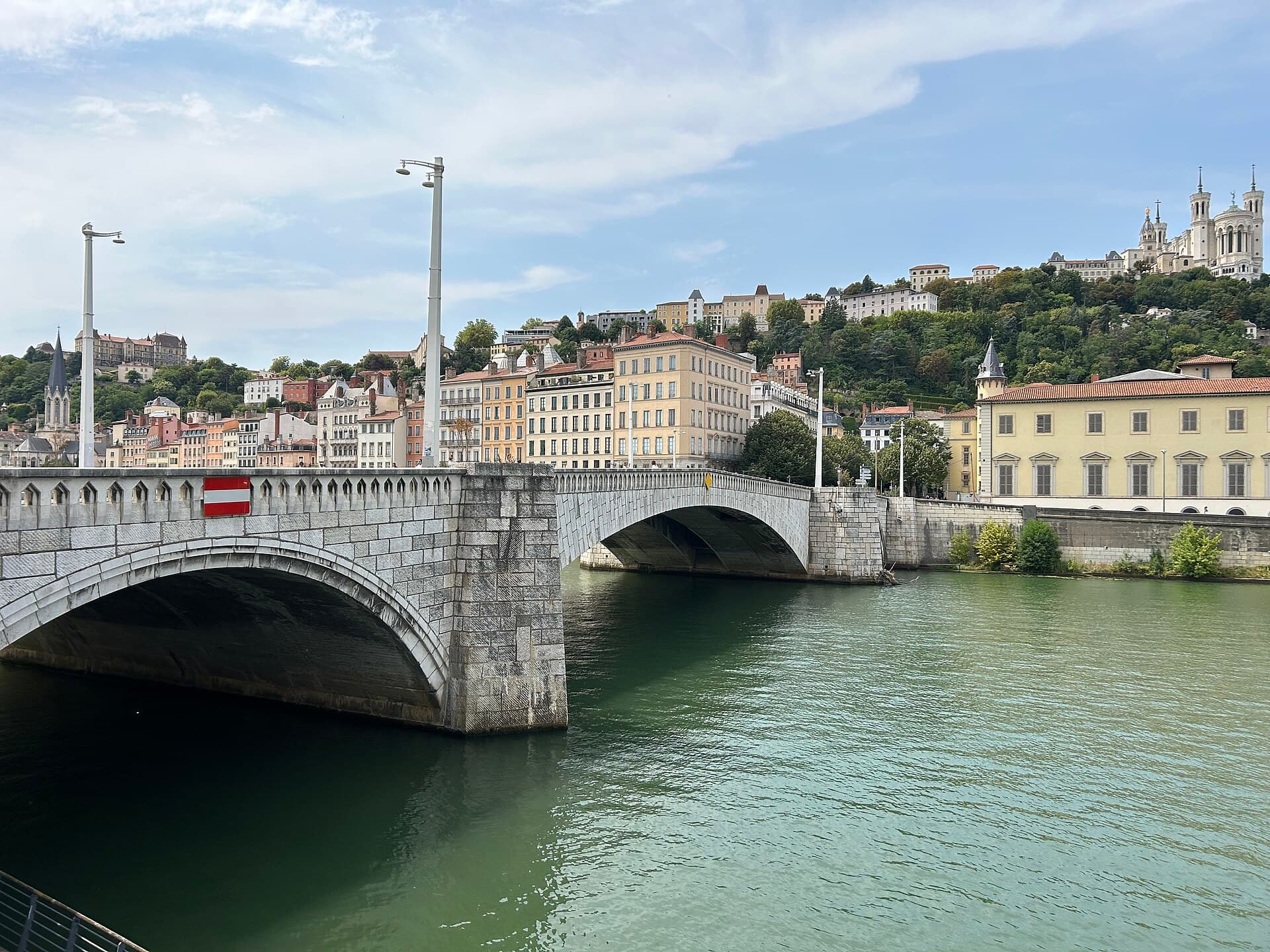 Pont BonaparteA bridge over the Saône linking the Presqu'île with the historic Vieux Lyon quar10 minutes walk4.4
No. It is a detail in a quiet residential area south of Bellecour. Note it only if you are walking south towards Ainay or Confluence, since it lies on the way. As a destination in itself it does not justify the time.
The Romanesque basilica of Saint-Martin d'Ainay, Lyon's oldest church, then continuing south to the Confluence district with its contemporary architecture and museum. That makes a half-day route starting from Bellecour.