
A dome by the Panthéon's architect
Soufflot, architect of the Paris Panthéon, designed it in the eighteenth century.
An enormous building on the bank of the Rhône in Lyon, the city's hospital for eight centuries and now, after a major restoration, a complex of shops, restaurants, a hotel and a pharmacy museum. The building itself is the exhibit. Its river facade runs some three hundred and fifty metres beneath an eighteenth-century dome by Soufflot, the architect of the Panthéon in Paris. Its inner courtyards are open to passers-by today, after centuries as a closed medical space. Its medical history is serious. Founded as a shelter for the poor and the sick in the twelfth century, it remained a working hospital until 2010. François Rabelais, the French writer of Gargantua and Pantagruel, worked here as a doctor in the 1530s. Its conversion is genuinely contested in Lyon. Supporters see it as the rescue of a building that would otherwise have decayed; opponents see a hospital for the poor turned into a luxury shopping centre, the opposite of what it was built for. Practical points: walking the courtyards and passages is free and open. The pharmacy museum is ticketed with limited hours. Allow an hour to walk it, longer if you sit down.
Soufflot, architect of the Paris Panthéon, designed it in the eighteenth century.
The author of Gargantua practised in this hospital in the 1530s.
The building was saved — or a hospital for the poor became a luxury mall.
The Rhône bank, 2nd arrondissement, Lyon
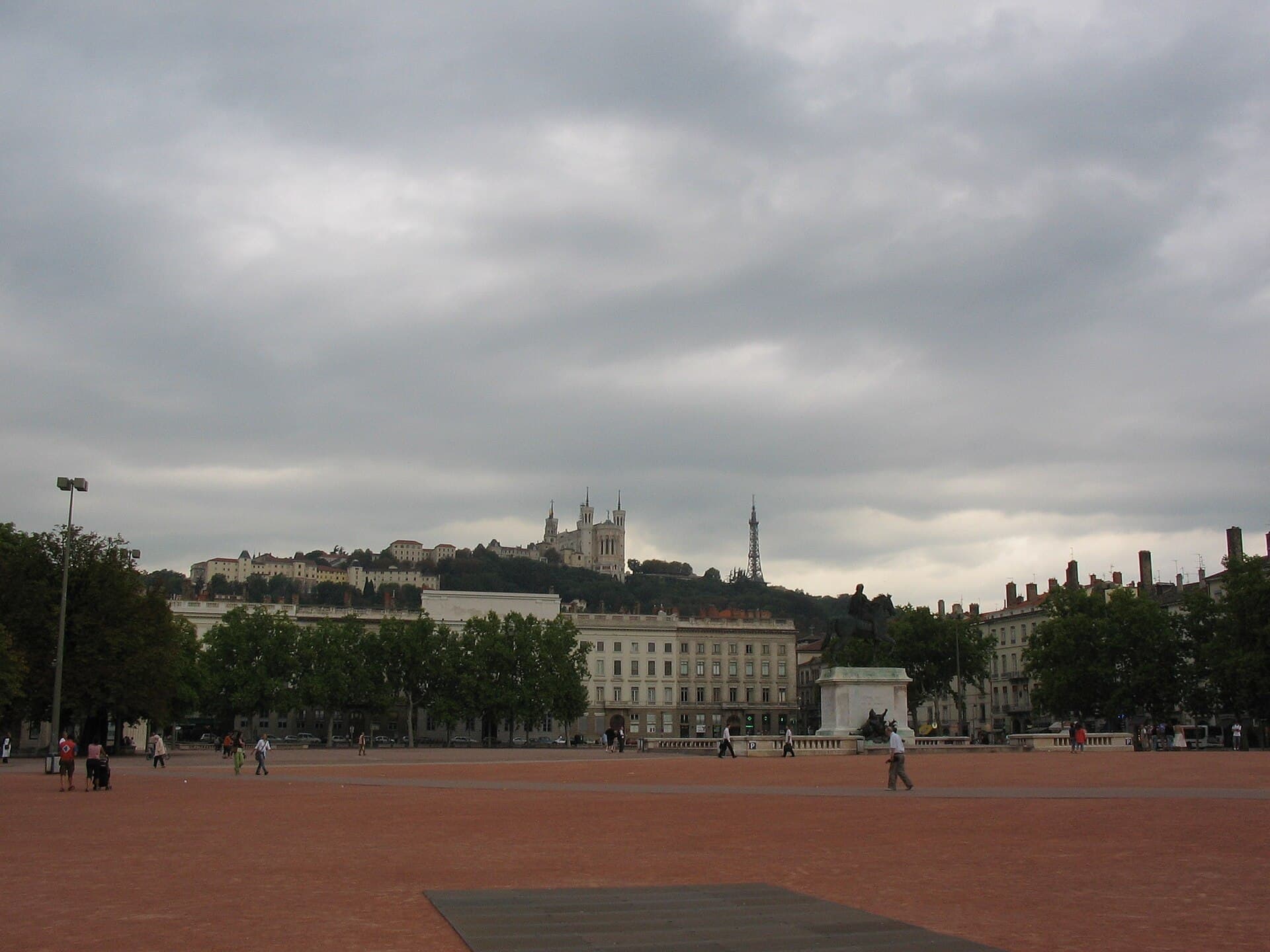 Place BellecourBellecour is among Europe's largest open squares — a vast red rectangle of packe5 minutes walk4.5
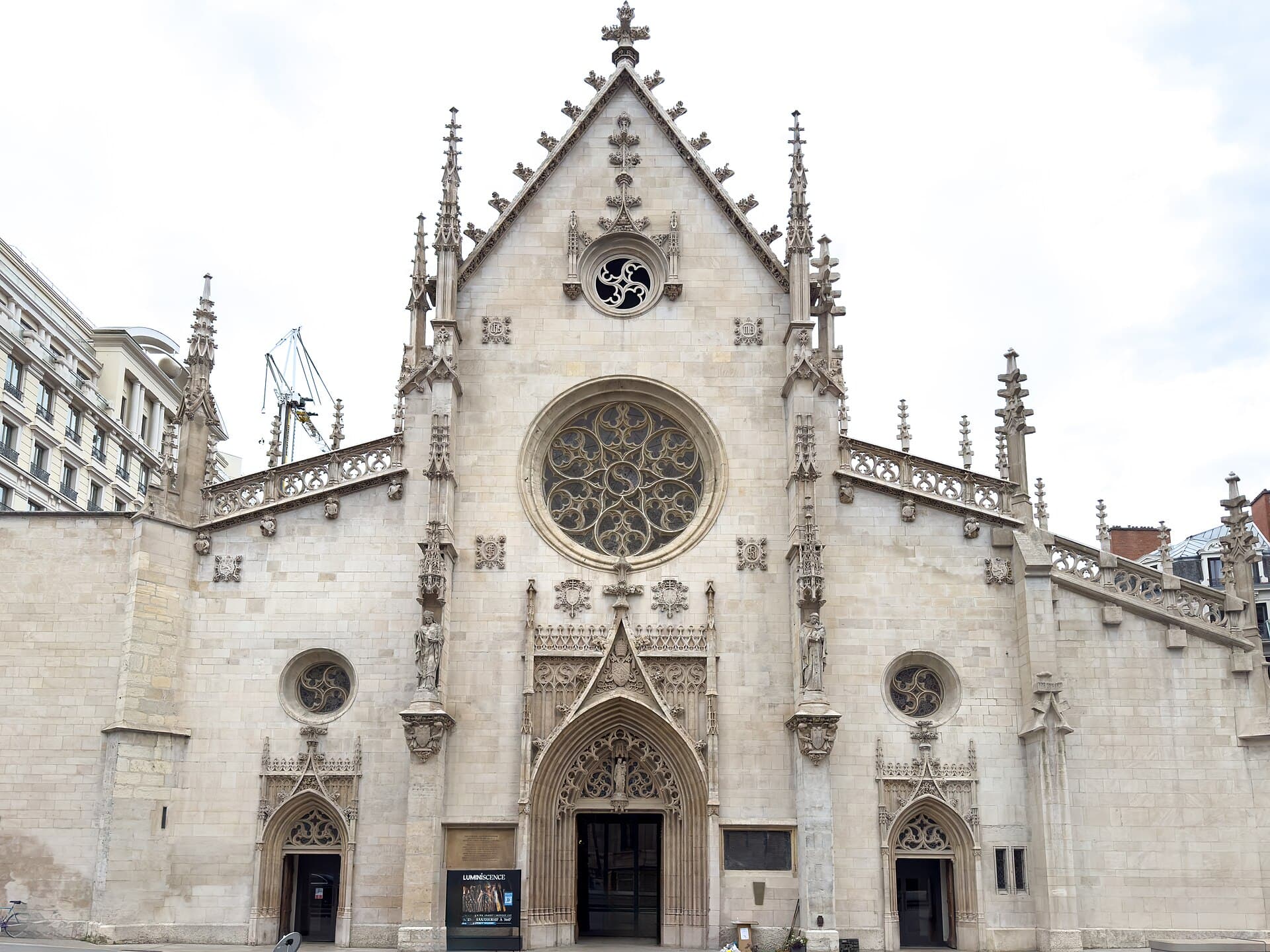 The Basilica of Saint BonaventureA Gothic church in the commercial heart of Lyon, and the only surviving church o6 minutes walk4.6
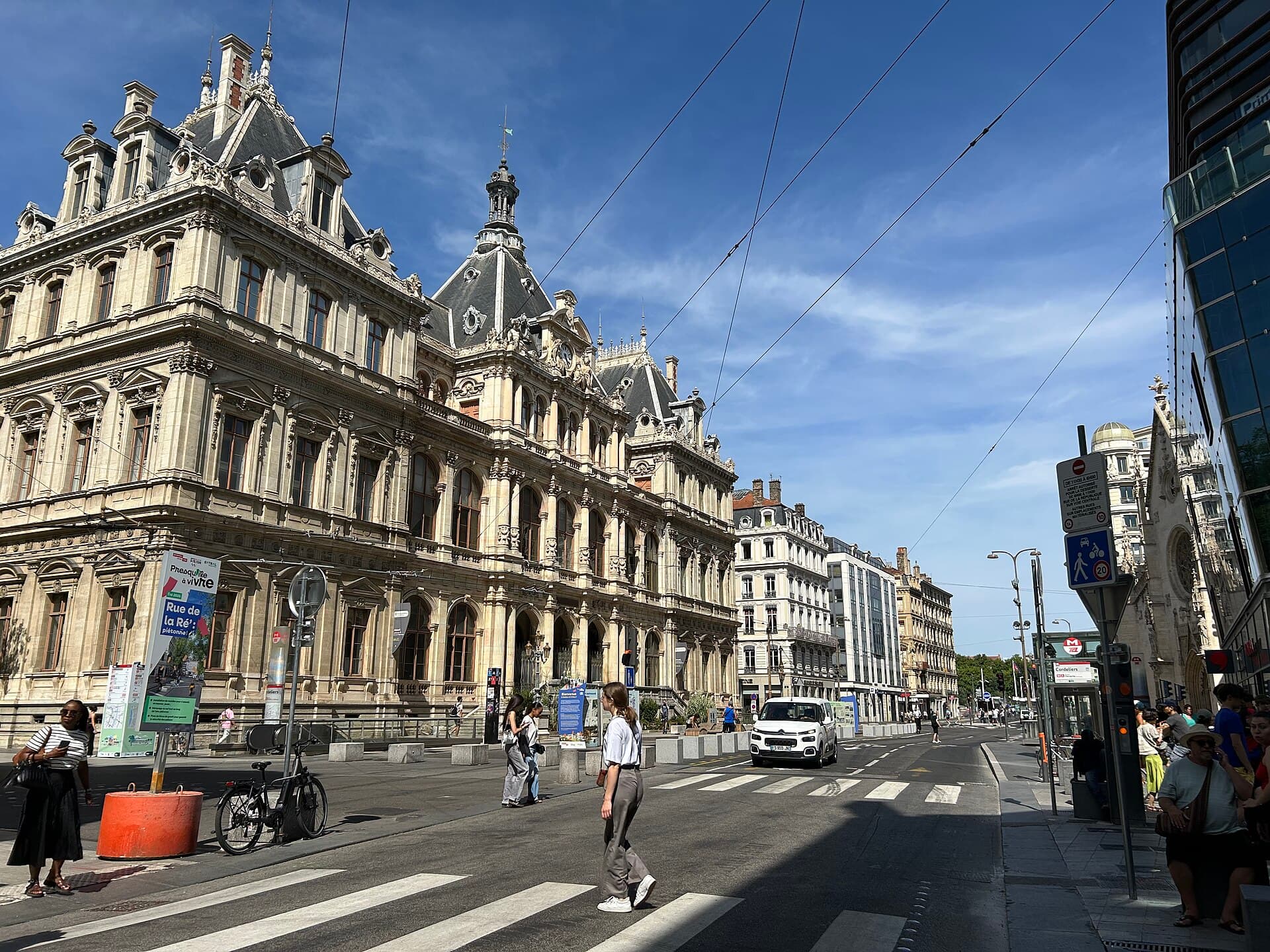 Place des CordeliersA square in the heart of the Presqu'île, one of the main meeting points in Lyon'6 minutes walk4.6
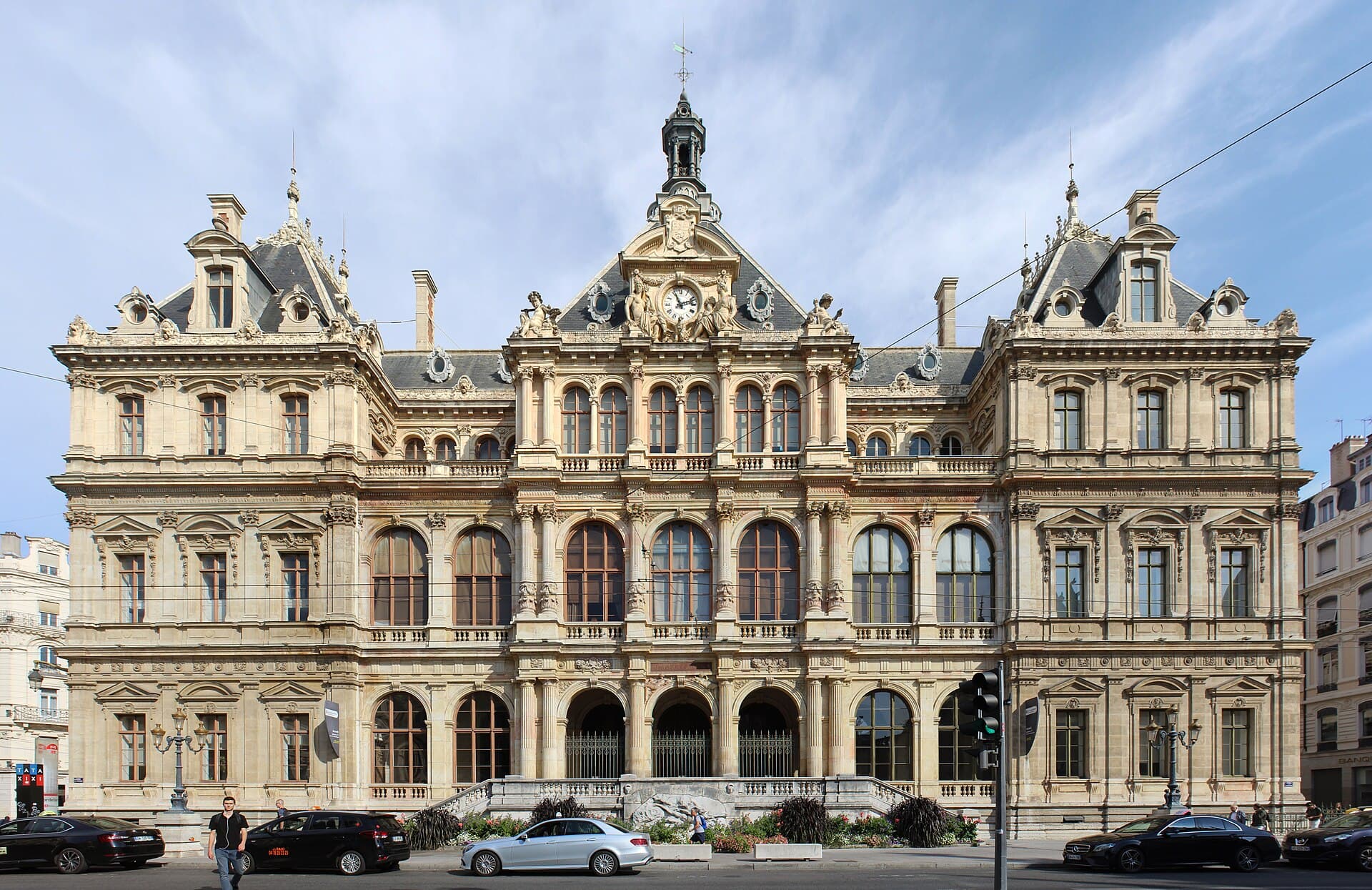 The Palais de la BourseA mid-nineteenth-century building in the heart of Lyon, built as the city's stoc7 minutes walk4.8
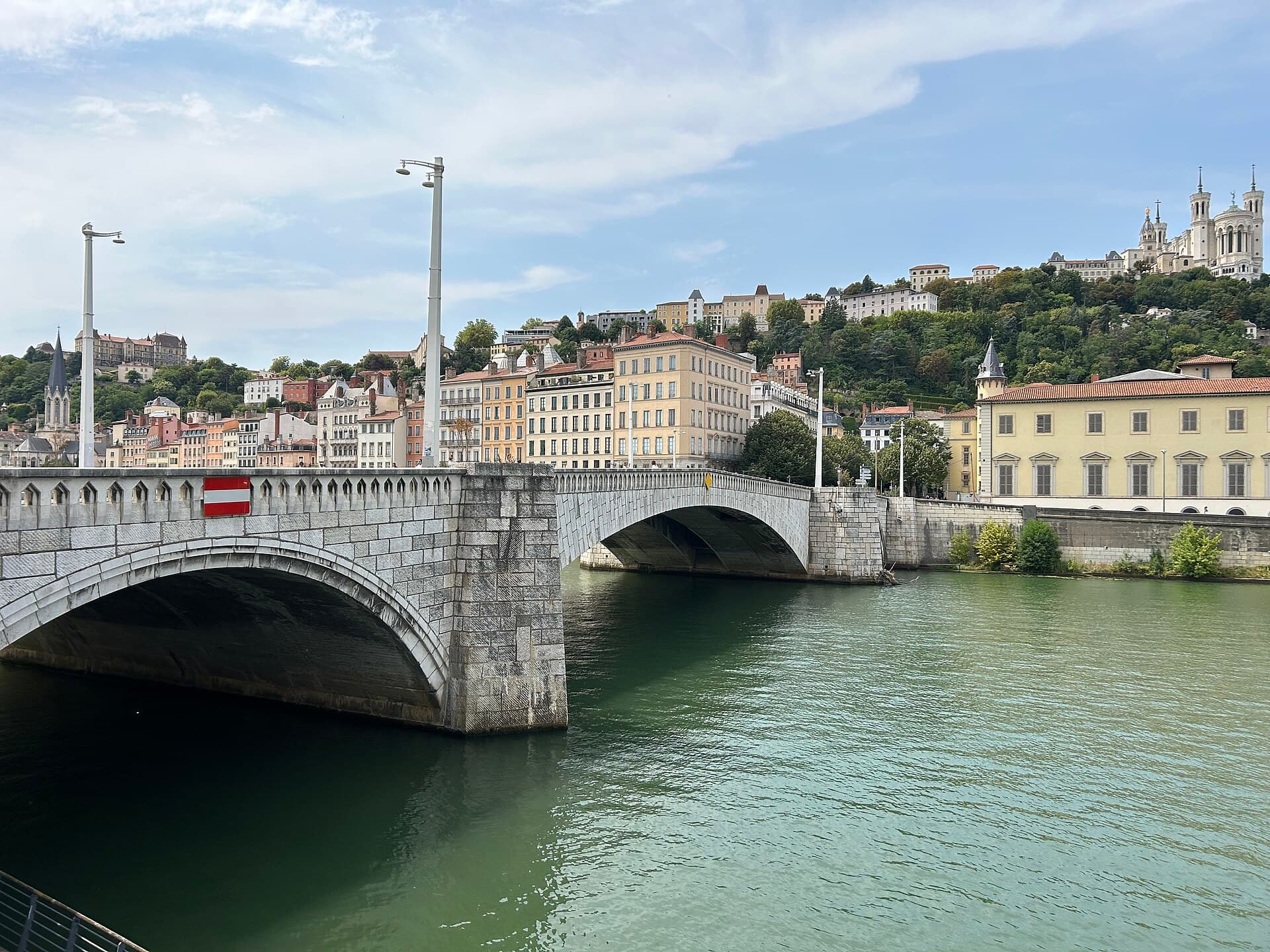 Pont BonaparteA bridge over the Saône linking the Presqu'île with the historic Vieux Lyon quar8 minutes walk4.4
No. The courtyards and inner passages are public and free, and you can walk them as you would a street. You pay only if you enter the pharmacy museum or sit down at a café or restaurant. Many people pass without realising it is open to the public and settle for the facade from the riverbank.
Place Bellecour minutes away, among the largest squares in Europe, and the Presqu'île peninsula between the two rivers for walking and shopping. Across the Saône lies Vieux Lyon, the UNESCO-listed old quarter with its traboules, the hidden passages the silk merchants used. And at the top of the hill, the basilica of Notre-Dame de Fourvière with its view over the city.