
The marble tombs
Figures and chapels in the Italian funerary manner.
Scotch Mist — CC BY-SA 4.0 · Derek Harper — CC BY-SA 2.0 · Peter Holmes — CC BY-SA 2.0 · Peter Holmes — CC BY-SA 2.0
On the summit of the castle hill, where Nice's citadel stood before Louis XIV demolished it in 1706, lies the city's **historic cemetery** — terraced down the slope among cypress and pine, looking straight over the bay and the old town below. It is in fact three adjoining cemeteries: **Catholic**, **Jewish** and **Protestant** — a juxtaposition that tells you what nineteenth-century Nice was, a city of several European communities. Its tombs are grand in the Italian funerary manner: marble figures, family chapels and inscriptions in French, Italian, Hebrew and Russian. It holds some known graves, among them the parents of **Giuseppe Garibaldi** — the Italian revolutionary and architect of Italian unification, who was born in Nice in 1807 — and old Niçois families. A silent, shaded place that many people pass on the way down from the castle hill without ever going in.
Figures and chapels in the Italian funerary manner.
French, Italian, Hebrew and Russian.
The bay and the old town from among the cypresses.
Allée François Aragon, 06300 Nice
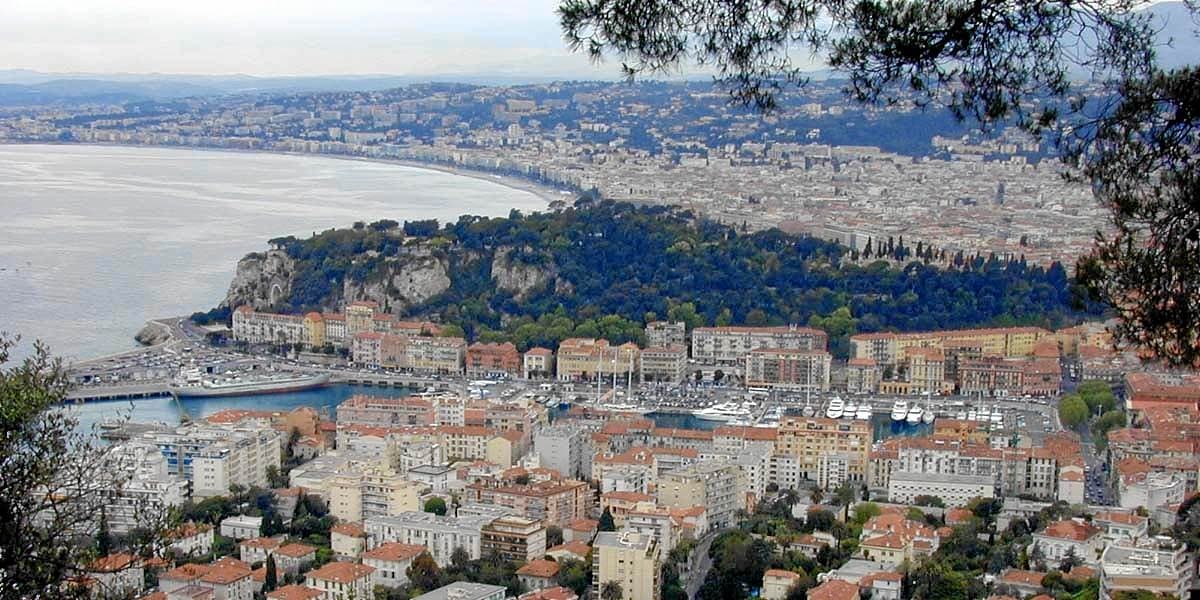 Castle Hill (Colline du Château)Castle Hill is the best place to begin Nice. From the top you get, in one sweep,3 minutes walk4.8
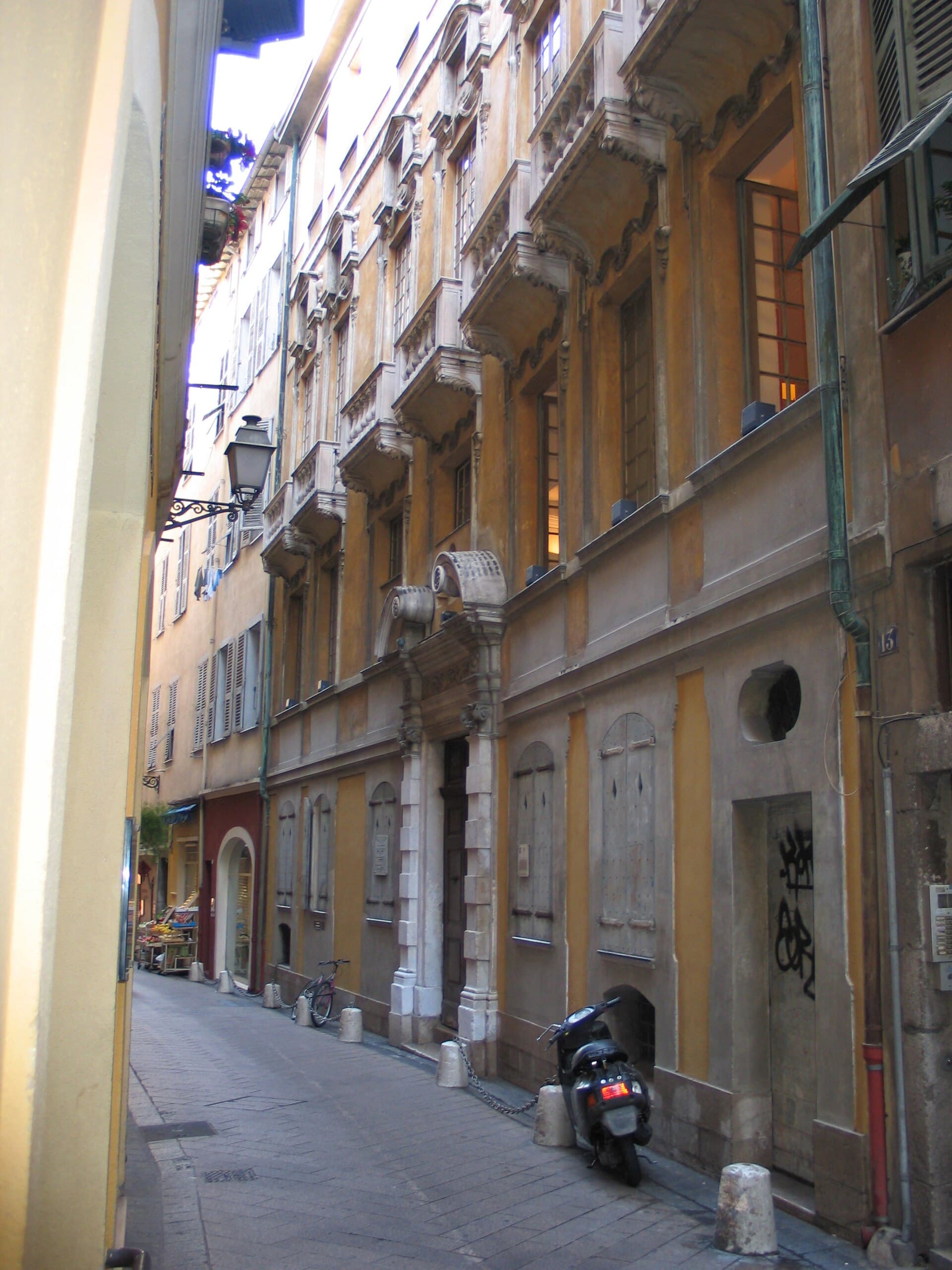 Palais LascarisThe Palais Lascaris hides in the narrowest lanes of old Nice: a façade that prom4 minutes walk4.5
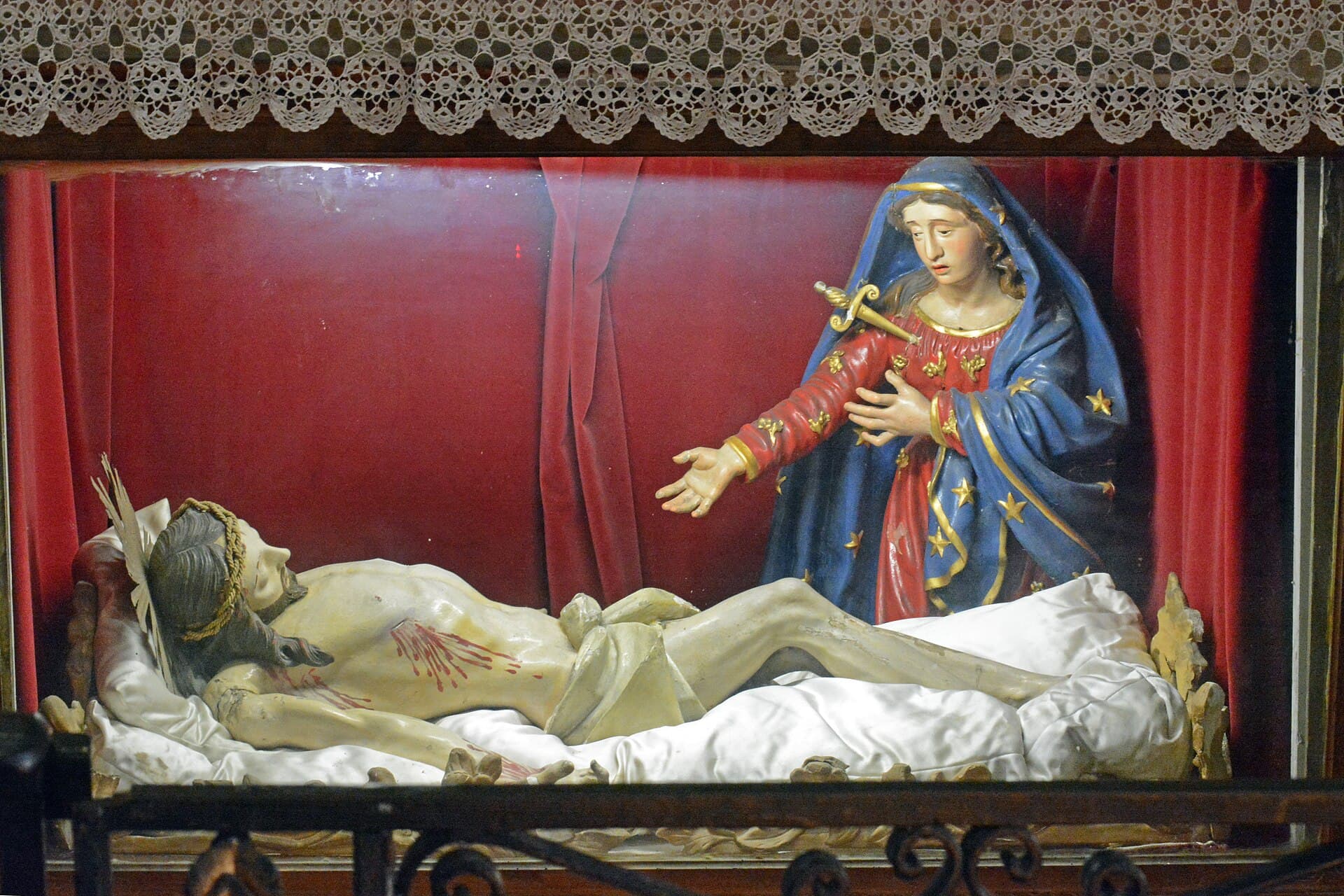 The Church of Saint James the GreaterA Jesuit church in old Nice, built in the seventeenth century and known locally 4 minutes walk4.7
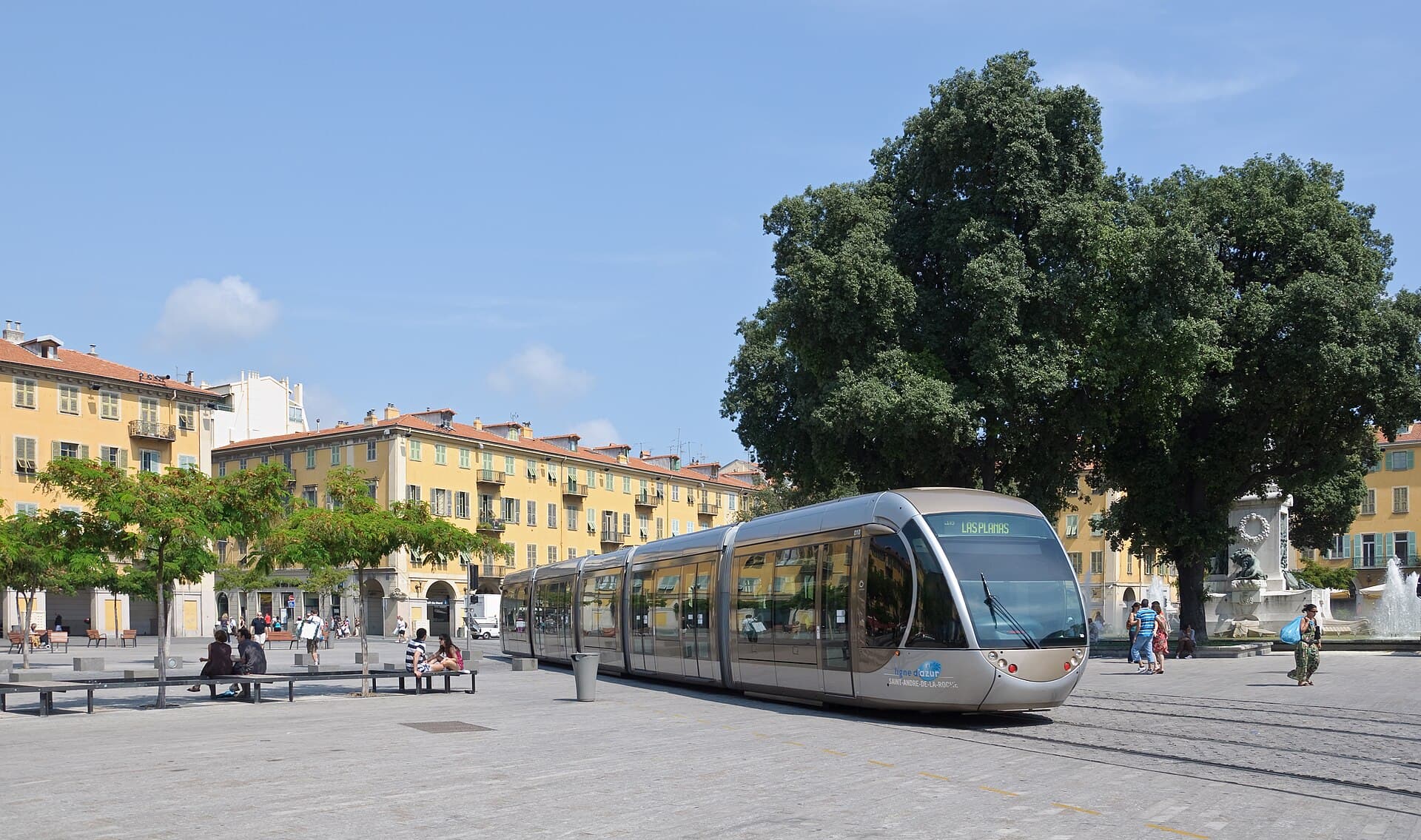 Place GaribaldiThe oldest planned square in Nice and its largest, laid out in the late eighteen4 minutes walk4.4
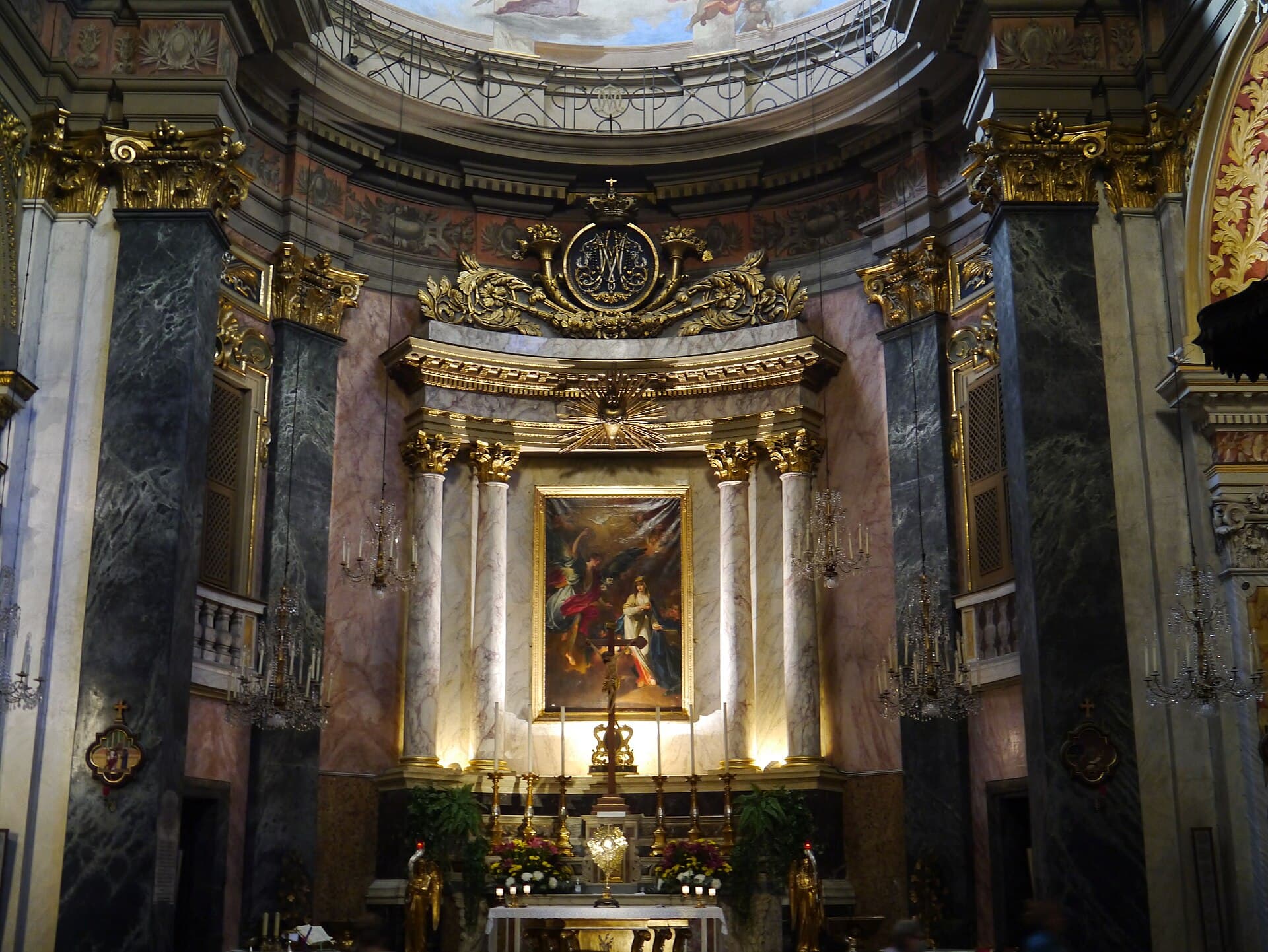 The Church of the AnnunciationThe oldest church in old Nice, known among residents as Santa Rita after Saint R5 minutes walk4.9
Three ways: the **free lift** at the end of the seafront road (by far the easiest, and the one to use with children or in heat), the **steps** climbing from the old town (tiring but lovely), or the winding road from the port side. At the top are a park, an artificial waterfall and the view over the Baie des Anges — among the best things in Nice, and entirely free. The cemetery is on the same summit.