
The jinn man's bath
Built in 1645 by Cinci Hoca, the Safranbolu-born courtier who won Sultan İbrahim with amulets, three years before his death.
Özgür Esen (Surdurulebiliryasam) — CC BY-SA 4.0 · Ray Swi-hymn from Sijhih-Taipei, Taiwan — CC BY-SA 2.0 · Ray Swi-hymn from Sijhih-Taipei, Taiwan — CC BY-SA 2.0 · Ray Swi-hymn from Sijhih-Taipei, Taiwan — CC BY-SA 2.0
This bathhouse was paid for by a man who was said to cure the Sultan of jinn. Karabaşzade Hüseyin Efendi, a Safranbolu boy whom Istanbul came to know as Cinci Hoca, the jinn man, worked his way into the confidence of Sultan İbrahim with prayers and amulets until he was kazasker (chief judge) of Anatolia and one of the most powerful men at court. Some of his enormous fortune went home: a great caravanserai, and next to it, in 1645, this double bath, registered to the endowment of his mother Hamide Hatun. Three years later he was killed in Istanbul. The hammam has been heating water more or less ever since. Double is meant literally. There is a men's section and a women's section, identical in plan, each with its own door on a different street, so the two halves never meet. Inside, the sequence is textbook Ottoman: a domed cold room, a warm room, then a cross-shaped hot room with four iwans and small private cubicles (halvets) in the corners, the type historians file under baths with a cruciform hot room. The General Directorate of Foundations restored it, but what you get is a real town hammam rather than a spa: old marble, a plain and unadorned cold room, and attendants who know their trade better than they know how to smile. You pay at the door and choose a plain bath or the full ritual with a kese scrub and foam massage; towel and peştemal are provided. Prices in Turkey move every season, so think roughly 250 TL for entry and around 700 TL for the full works, a fraction of what the historic hammams in Istanbul charge. It opens daily from nine in the morning until close to midnight, but the women's side keeps its own timetable, which can be shorter, so ask before you go. There are no family or private rooms: couples enter by separate doors, and the rule for small children going in with a mother or father is settled at the door. The best time is after a long afternoon on the cobbles of the bazaar, and better still in Safranbolu's cold winter, when hot marble becomes a mercy. If you have done a grand hammam in Istanbul, this one is smaller, older, more honest and much cheaper. If hammams are not your thing at all, the domes are worth a glance from the square, where the bath is among the first buildings to greet you at the entrance to the Çarşı, and the caravanserai next door, now a hotel, deserves a look at its courtyard.
Built in 1645 by Cinci Hoca, the Safranbolu-born courtier who won Sultan İbrahim with amulets, three years before his death.
Four iwans and corner cubicles beneath the dome, the classic Ottoman plan, repeated identically in both sections.
Scrub and foam on marble nearly four centuries old at a fraction of Istanbul prices, minus the spa polish.
Hamamönü Caddesi No. 4, Kazdağlıoğlu Meydanı, Old Bazaar (Çarşı), Çeşme Mahallesi, Safranbolu
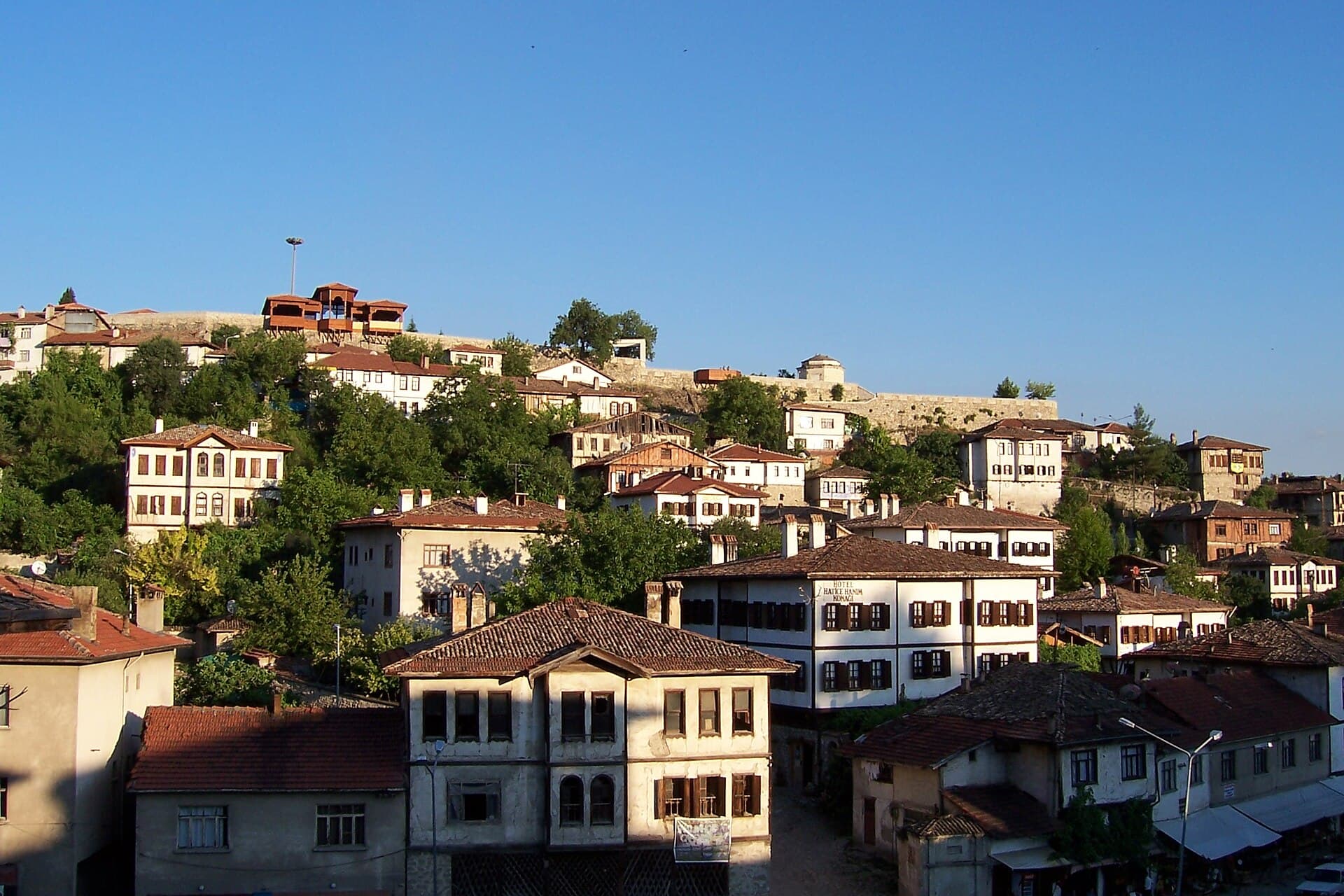 Safranbolu Old Town and Ottoman HousesSafranbolu was built on a centuries-old neighbourly rule that the townspeople st1 minute walk4.6
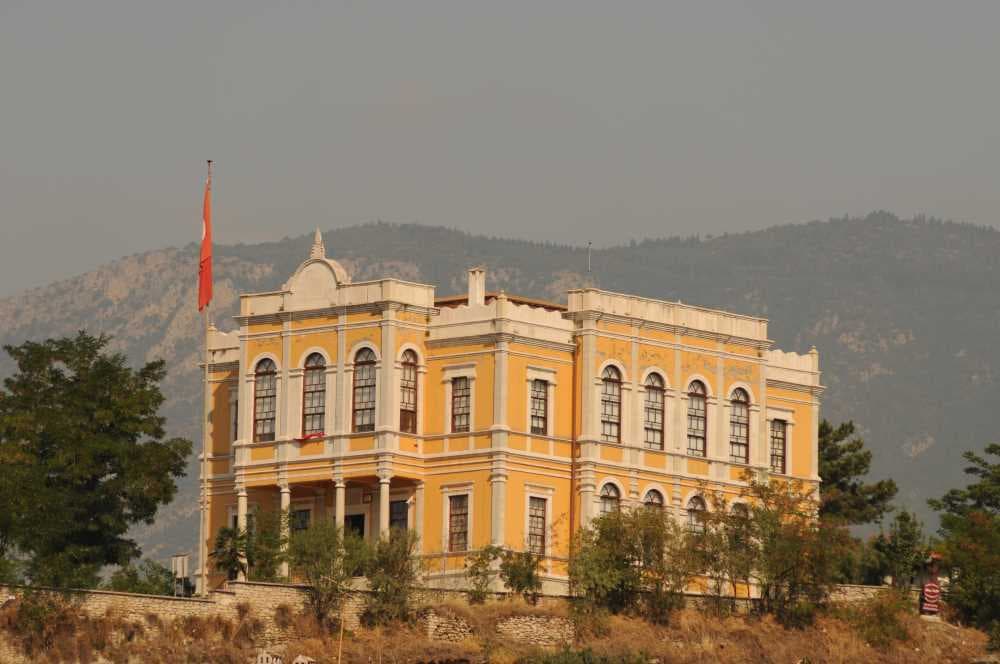 Safranbolu City History MuseumThe best thing about this museum stands outside it: a clock tower raised in 17973 minutes walk4.4
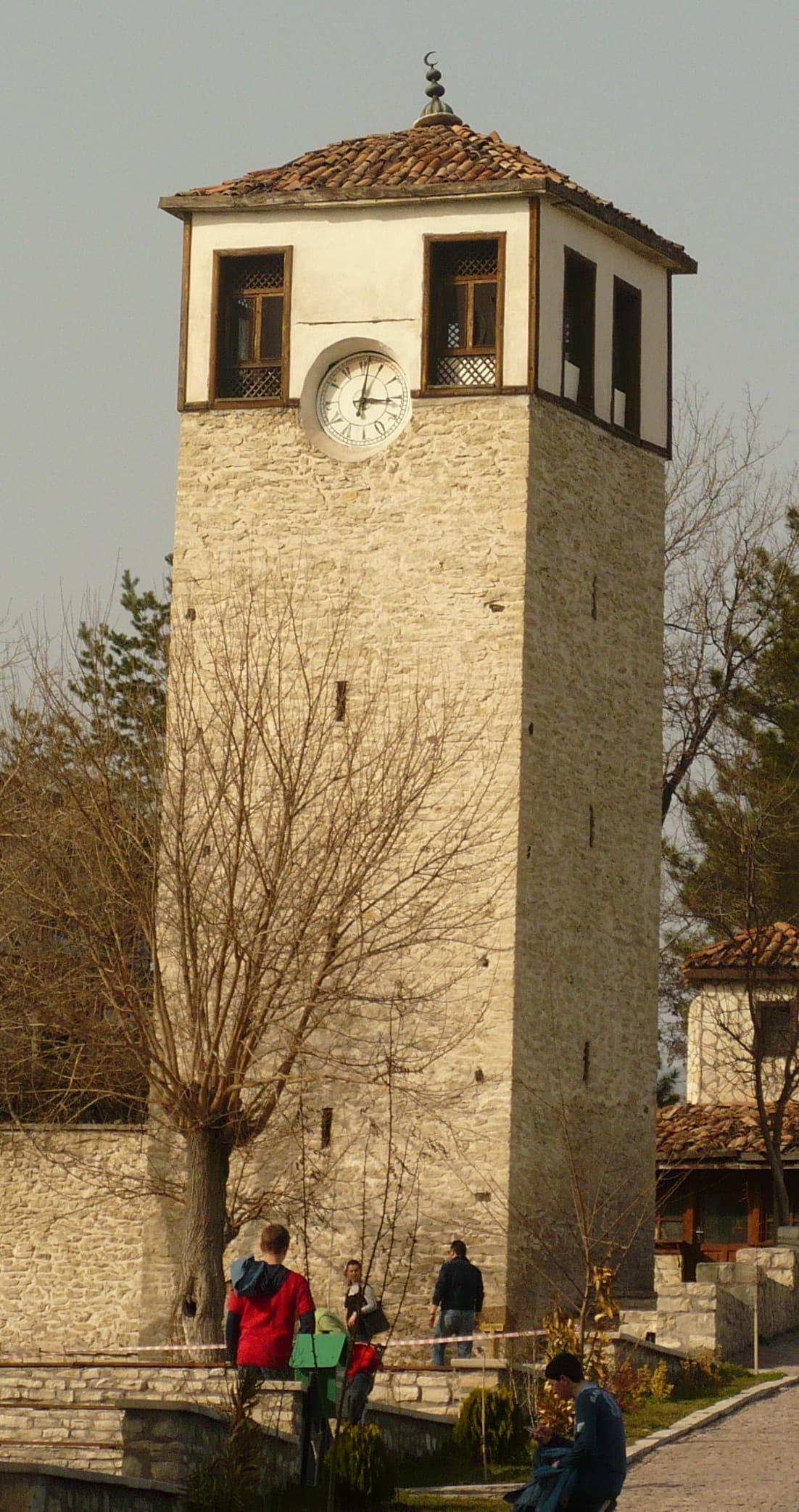 Safranbolu Clock TowerIn 1797, when a public clock was still a rarity anywhere in Anatolia, Grand Vizi3 minutes walk4.6
If you want luxury, Istanbul's restored historic hammams are grander, prettier and far more expensive. Cinci is smaller, plainer and more honest: a bath the townspeople actually use, at a small fraction of Istanbul prices. Go for the authenticity and the warmth after a day on your feet, not for the photographs.
No. The bath is split into two completely separate men's and women's sections with entrances on different streets, and there are no private rooms. Couples go in on their own sides and agree a time to meet in the square; women are attended by a female bath attendant (natır) in their section.