
Kazdağlı Meydanı and Yemeniciler Arastası
The heart of the old quarter, with the mosque of 1779 and the restored shoemakers' arcade now selling crafts.
Safranbolu was built on a centuries-old neighbourly rule that the townspeople still quote with pride: no house may block another house's view. So hundreds of timber-framed, whitewashed Ottoman konaks step down the valley slopes like the tiers of a theatre, each with its own share of sun and its own look across the red-tiled roofs. It is this complete 18th- and 19th-century fabric, not any single building, that put the Çarşı quarter on the UNESCO World Heritage list on 17 December 1994, and that makes it the best-preserved Ottoman town in all of Türkiye. The walk radiates from Kazdağlı Meydanı and its mosque of 1779: the Yemeniciler Arastası, the old shoemakers' arcade restored and now selling crafts; Cinci Han, a 63-room caravanserai of the 1640s turned hotel, whose stone galleries and roof terrace look out over the whole town; the neighbouring Cinci Hamamı of 1645; and the Köprülü Mehmet Paşa and İzzet Mehmet Paşa mosques. The quarter itself costs nothing to wander. What you pay for are the house museums, chiefly Kaymakamlar Müze Evi, an early-19th-century konak on three levels with period-furnished rooms and separate harem and selamlık wings that shows how Safranbolu's notables actually lived. Admission was around 100 TRY at our last check and rises yearly; it opens 9:00 to 19:00 in summer and until 17:30 in winter. A frank word: give it a full day at least, not two hours squeezed into the Istanbul-Ankara drive, which is four to five hours from either city. The cobbled lanes are steep and hard on pushchairs and on anyone who struggles uphill. Better still, sleep a night in one of the konaks converted into hotels; the quarter becomes a different place once the day visitors leave. The finest view of it all is from Hıdırlık Hill opposite, ideally before sunset, for a small municipal fee paid at the gate. Cinci Hamamı has fully separate men's and women's sections, which settles the question for many of our families. The old town lies about 2 km below modern Kıranköy, where intercity buses stop; the main rail and bus hub is Karabük, 8 km away. Summer weekends and Turkish holidays bring genuine crowds to the narrow lanes, so come in spring or autumn or on a weekday if you can. And do not leave without a box of the local lokum or something made with the saffron that gave the town its name.
The heart of the old quarter, with the mosque of 1779 and the restored shoemakers' arcade now selling crafts.
A caravanserai of the 1640s turned hotel; its roof terrace is the best view of the tiled roofs from inside the quarter.
The town's main house museum: three storeys of 19th-century furnished rooms with separate harem and selamlık wings.
Çarşı Mahallesi, Kazdağlı Meydanı, Safranbolu, Karabük
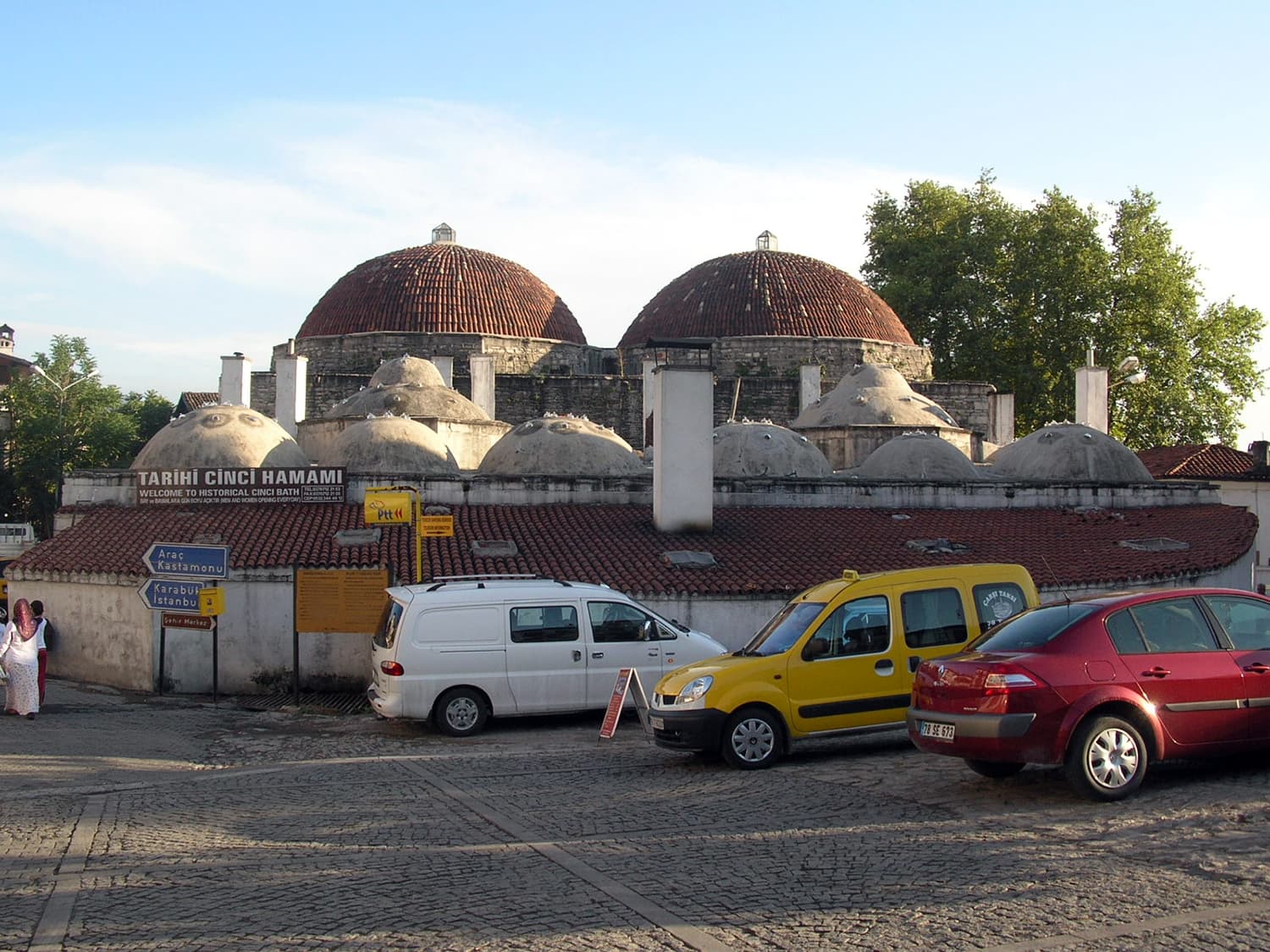 Cinci HamamThis bathhouse was paid for by a man who was said to cure the Sultan of jinn. Ka1 minute walk4.4
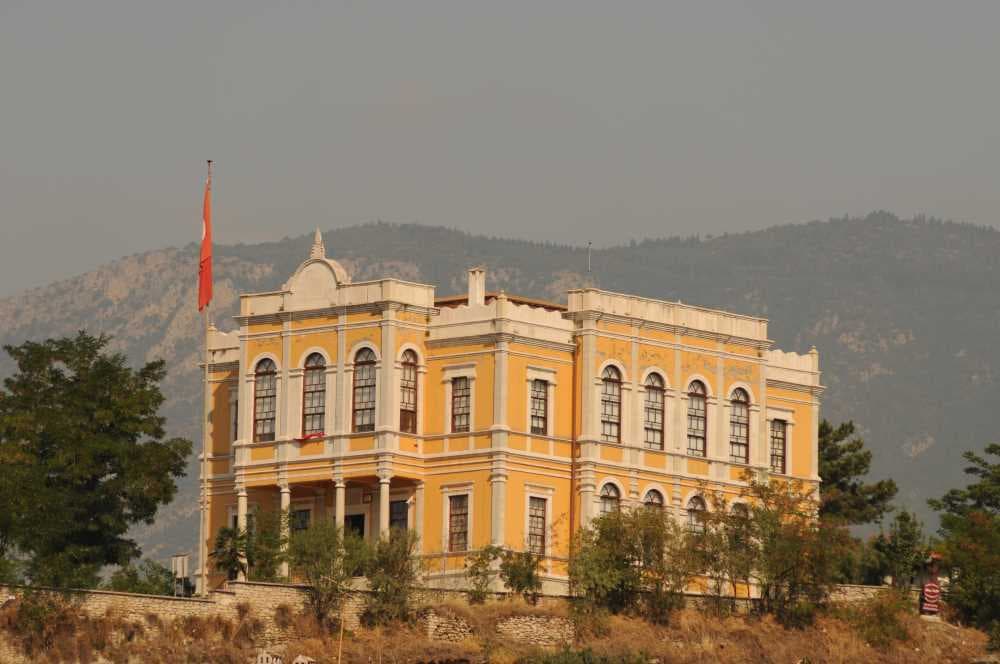 Safranbolu City History MuseumThe best thing about this museum stands outside it: a clock tower raised in 17973 minutes walk4.4
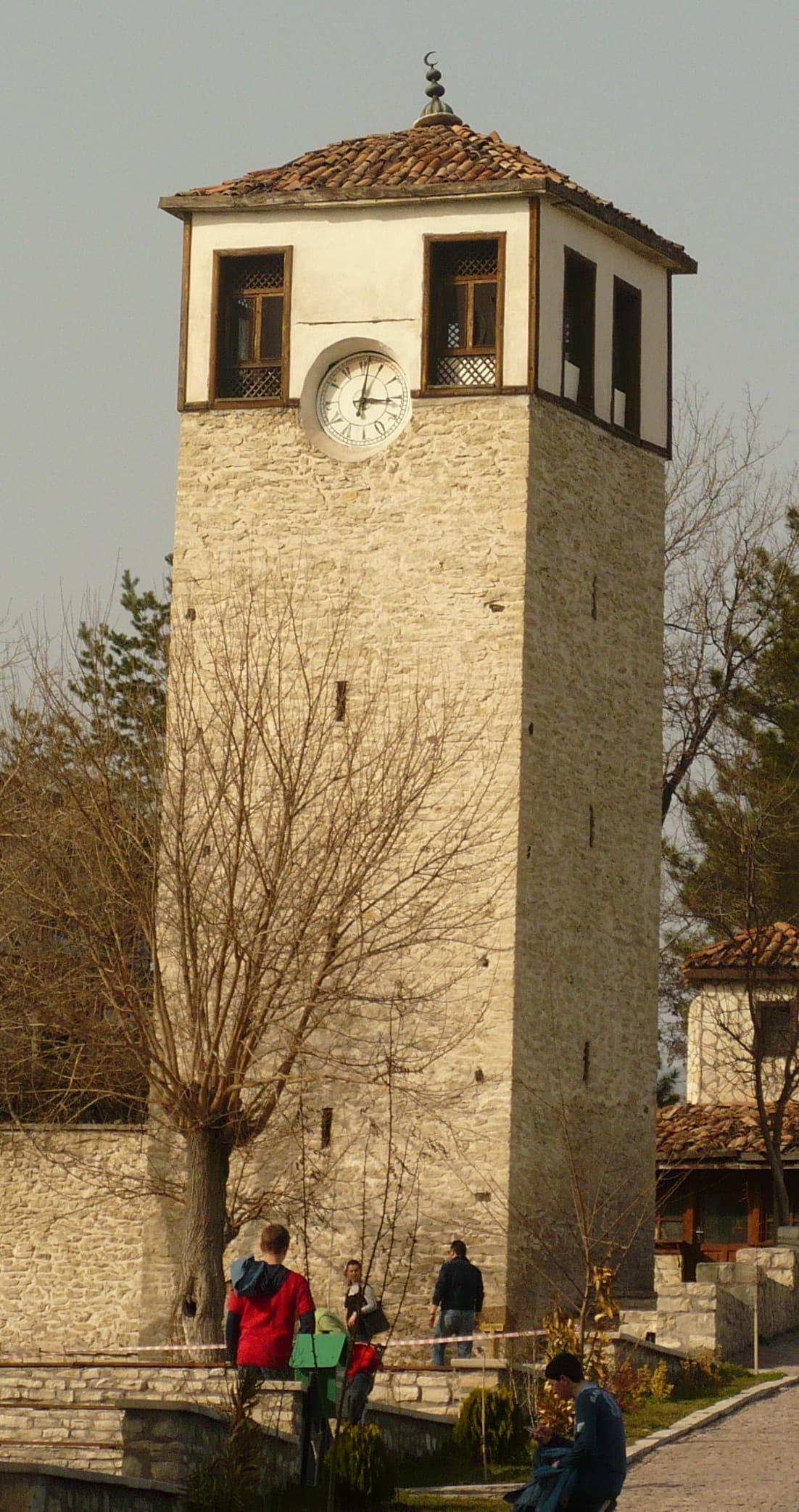 Safranbolu Clock TowerIn 1797, when a public clock was still a rarity anywhere in Anatolia, Grand Vizi3 minutes walk4.6
Barely. It is four to five hours from either city, which leaves you two or three rushed hours on foot. Do it if you must, but the quarter earns a night in one of its konak hotels: it goes quiet after sunset and you get Hıdırlık Hill at golden hour.
For children yes, the lanes are safe and there is lokum at every corner. For pushchairs no: the cobbles and sharp gradients make them a burden, so bring a carrier and comfortable shoes.