
The original works
Gears and weights ordered from London in 1797, still hand-wound weekly and striking every hour.
Vikiçizer — CC BY-SA 4.0 · İmmortalance — CC BY-SA 4.0 · İmmortalance — CC BY-SA 4.0 · İmmortalance — CC BY-SA 4.0
In 1797, when a public clock was still a rarity anywhere in Anatolia, Grand Vizier İzzet Mehmet Paşa gave his home town a square stone tower on the castle hill and had the works shipped from London. That same mechanism, driven by two weights of 109 and 60 kilograms, is still wound by hand once a week and still strikes the hour more than two centuries later, long tended by a single local keeper. It is why the tourism office calls it the oldest working clock tower in Turkey that visitors can actually go inside. Do not expect a giant. It stands just 12 metres, on a base 4.65 metres square, under a plain gabled roof, with an outer dial only 120 centimetres across. What it lacks in scale it makes up for in position: it sits in the grounds of the old Ottoman government house, now the City History Museum, on the hill above the Çarşı bazaar quarter, with a historic sundial beside it. The edge of this hill is where Safranbolu's most famous photograph is taken, the red-tiled roofs and whitewashed houses packed into the valley floor. Unusually for a clock tower, you can climb it: a few dozen narrow stone steps lead to the clock chamber, lit by a pair of windows on each of its four sides, where the gears and weights are visible in motion and the keeper is often on hand to explain. The stairs are no place for a pushchair or anyone who finds climbing hard, but older children are gripped by the machinery when it strikes. The exterior and the view cost nothing at any hour; the museum and tower open 09:00 to 17:30, close on Mondays, and the municipal ticket is cheap, around 60 lira at the time of writing. Ten minutes covers the tower, half an hour if you climb and wait for the chime. Treat it as a stop alongside the museum on the way up to Hıdırlık Hill or down into the bazaar, not as an outing in its own right. A few steps away, a small open-air park opened in 2012 displays 15 miniature Ottoman clock towers, 14 from across Anatolia and one from Bosnia; a pleasant diversion for children in passing, nothing more.
Gears and weights ordered from London in 1797, still hand-wound weekly and striking every hour.
Narrow stone steps to the clock chamber with windows on all four sides, often with the keeper there to explain.
The castle-hill edge beside the tower is where Safranbolu's classic shot over the tiled roofs is taken.
Castle hill (Kale), Çeşme district, beside the City History Museum, Safranbolu, Karabük
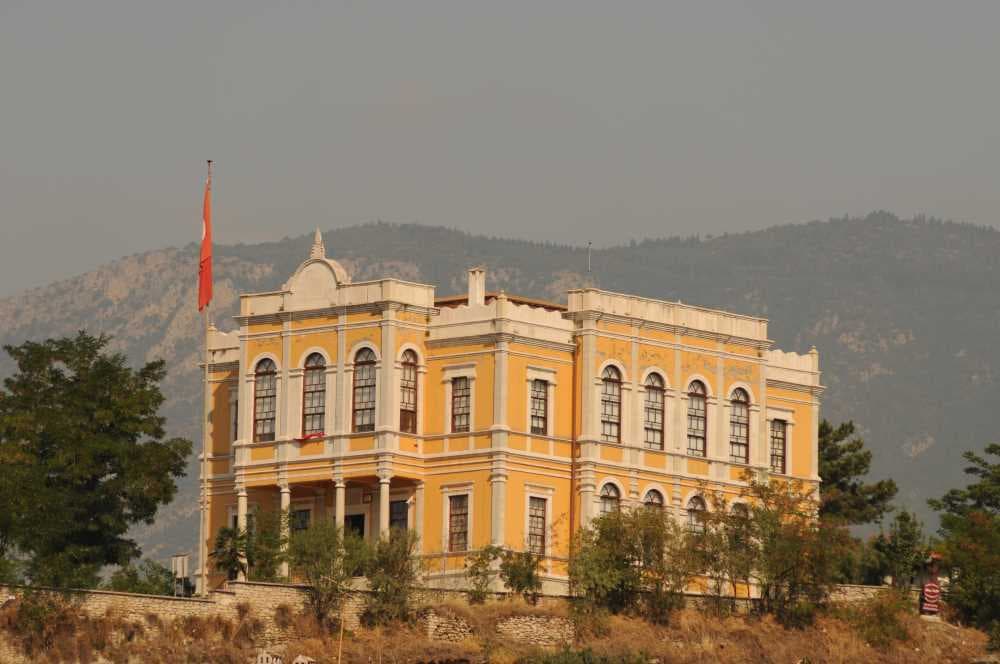 Safranbolu City History MuseumThe best thing about this museum stands outside it: a clock tower raised in 17971 minute walk4.4
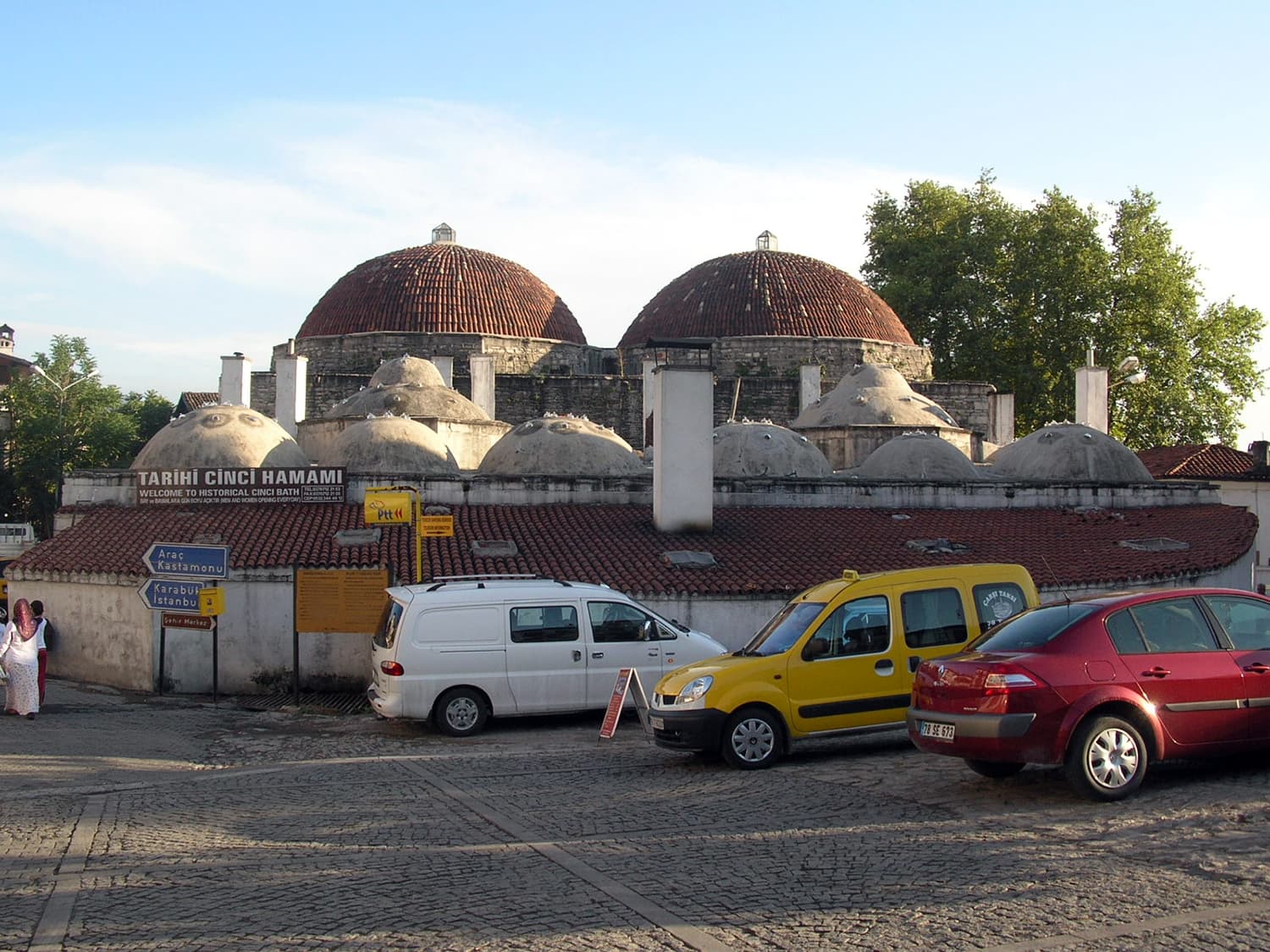 Cinci HamamThis bathhouse was paid for by a man who was said to cure the Sultan of jinn. Ka3 minutes walk4.4
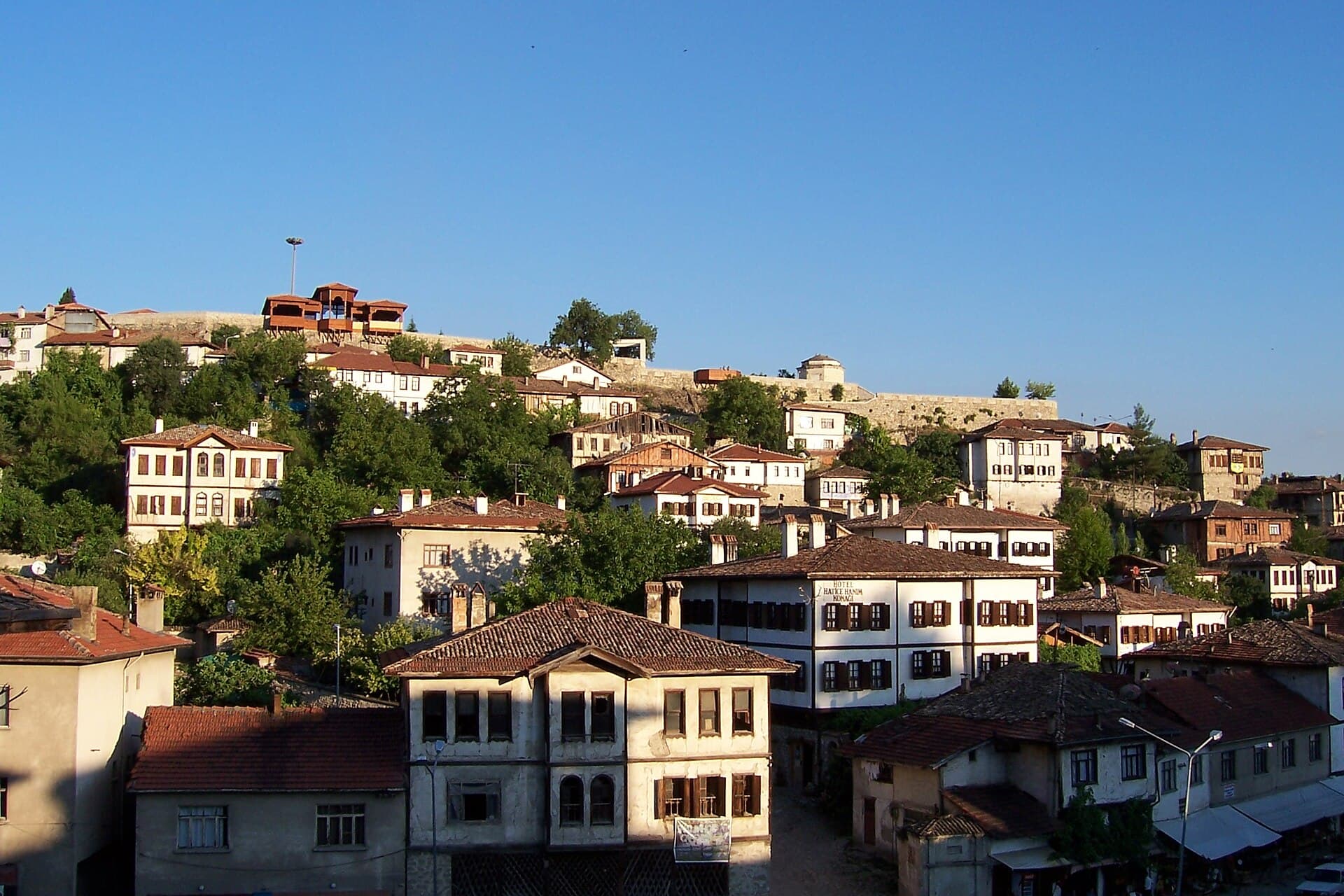 Safranbolu Old Town and Ottoman HousesSafranbolu was built on a centuries-old neighbourly rule that the townspeople st3 minutes walk4.6
If you are entering the museum anyway, the climb is a short, worthwhile add-on: a working mechanism more than two centuries old. If you are pressed for time or have a pushchair, the exterior and the hilltop view are the real point, and they cost nothing.
Hıdırlık is higher and takes in the whole town, but the castle hill is closer to the bazaar and gives you the tower and museum as well. On a day visit the two are close enough to do both.