
The 1797 clock tower
Anatolia's first known clock tower, its mechanical clock still running, standing free of charge in the garden.
Dilaraaksoy — CC0 · İmmortalance — CC BY-SA 4.0 · İmmortalance — CC BY-SA 4.0 · Vikiçizer — CC BY-SA 4.0
The best thing about this museum stands outside it: a clock tower raised in 1797 on the orders of İzzet Mehmet Paşa, the Safranbolu boy who rose to grand vizier of the Ottoman Empire, and whose original London-made mechanical clock is still ticking. It is generally counted the first known clock tower in Anatolia, and beside it sits a small park, opened in 2012, of fifteen miniature replicas of clock towers from other Anatolian towns, plus a historic sundial. All of it is open-air and free, on the crown of the castle hill with the white houses and terracotta roofs of the old Çarşı spread out below. The building itself is the Old Government House, put up between 1904 and 1906 where the medieval fortress once stood. It burned out completely in January 1976 and sat as a shell for the best part of 25 years until the Ministry of Culture restored it from 2000 and reopened it as the town museum in 2006. Inside are three floors: the ground floor recreates the old artisans' shops as mock workshops, a pharmacy, a lokum confectioner, a shoemaker, a coppersmith and a blacksmith, and this is the part children actually enjoy. The first floor holds documents, maps and an exhibition hall; the second, Republican-era costume, photographs of the town from Ottoman times onward, and Roman, Byzantine and Ottoman coins. Let us be plain: the collection is modest and the labelling mostly Turkish, so do not expect two hours of absorption. What earns the climb is the terrace and the garden; what earns the ticket is the ground-floor workshops if you have children in tow. The clever plan is to start your day here in the morning, when the sun is behind you and the view over the bazaar is at its clearest, then walk downhill into the lanes. The approach is a steep cobbled climb and there is no lift inside, so pushchairs stay at the gate. Tickets are bought at the door and are cheap by Turkish museum standards, around 60 lira for adults at the time of writing; the museum is run by the local district governorate rather than the Ministry of Culture, so do not count on the state Müzekart being accepted and ask at the gate. It opens Tuesday to Sunday from nine until half past five and closes on Mondays. In the Gulf summer Safranbolu stays kinder than Istanbul thanks to its altitude, and in winter the snow on the tiled roofs makes the view from the terrace better than at any other time, provided you can manage wet stone steps.
Anatolia's first known clock tower, its mechanical clock still running, standing free of charge in the garden.
The clearest view of Safranbolu's tiled roofs, best in the morning before you walk down into the lanes.
A pharmacy, a lokum maker, a shoemaker and a coppersmith recreated as old shops, the part that holds children's attention.
Çeşme Mah., Kale Altı Sk. No:19, 78600 Safranbolu, Karabük
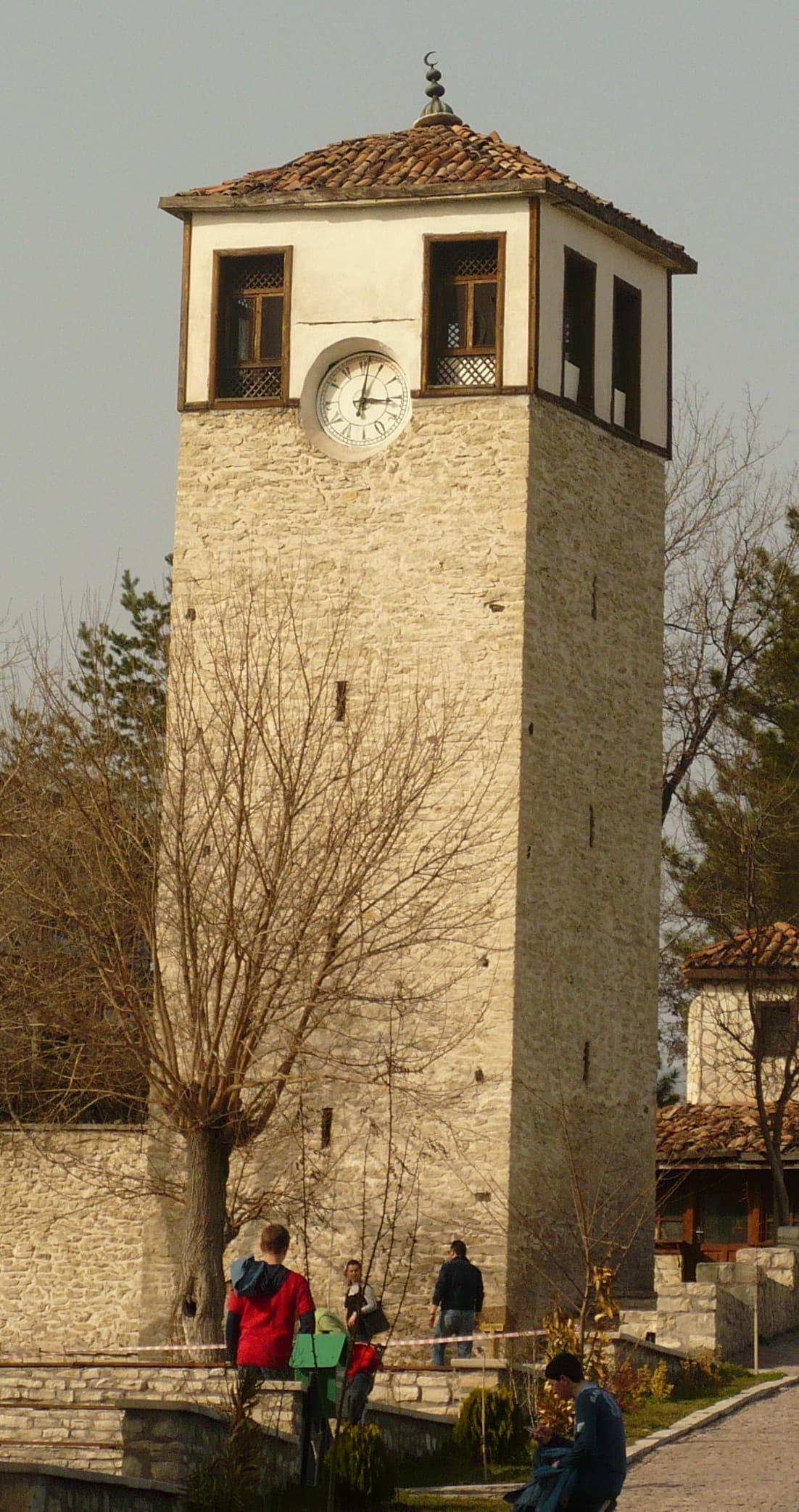 Safranbolu Clock TowerIn 1797, when a public clock was still a rarity anywhere in Anatolia, Grand Vizi1 minute walk4.6
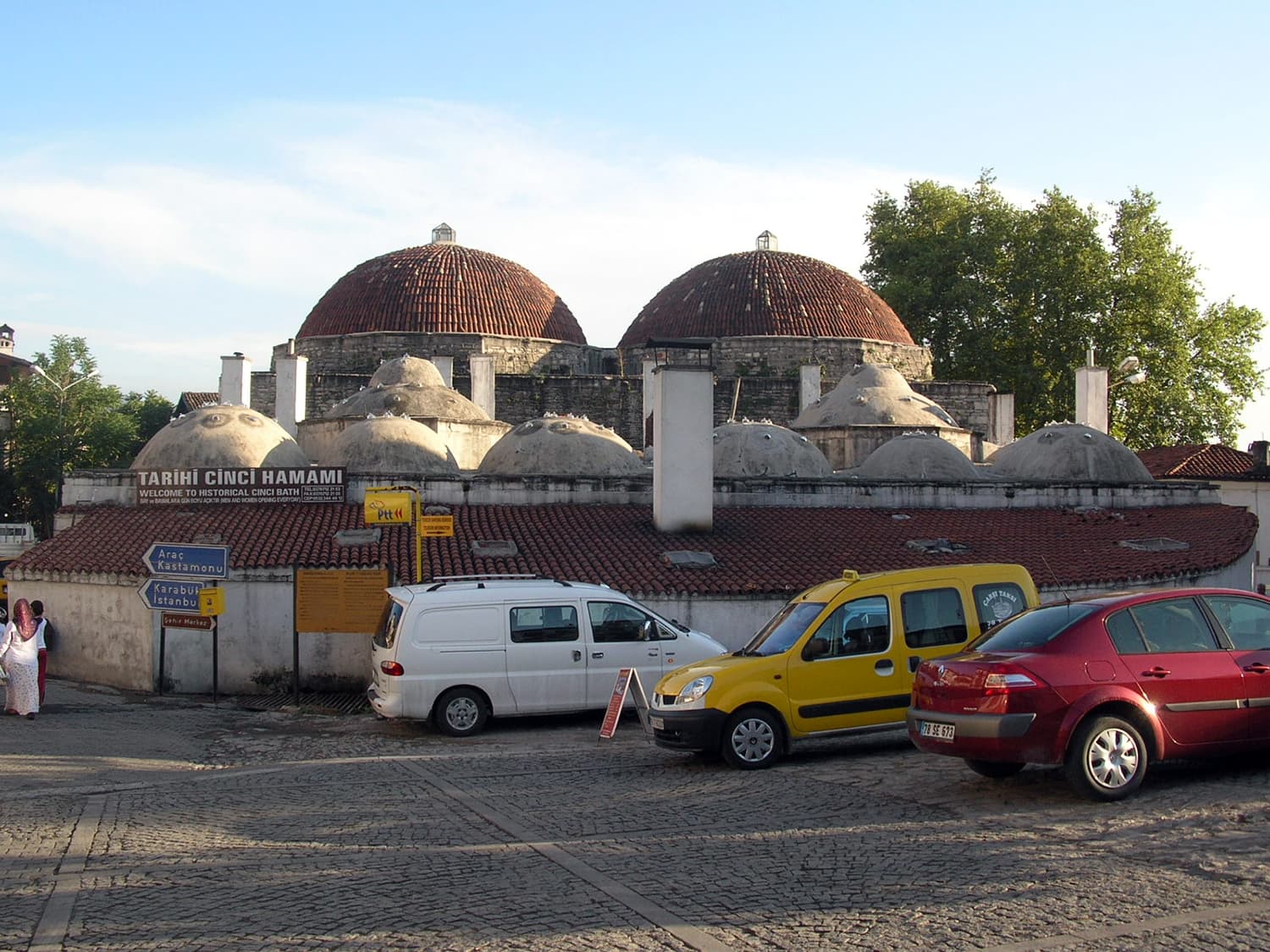 Cinci HamamThis bathhouse was paid for by a man who was said to cure the Sultan of jinn. Ka3 minutes walk4.4
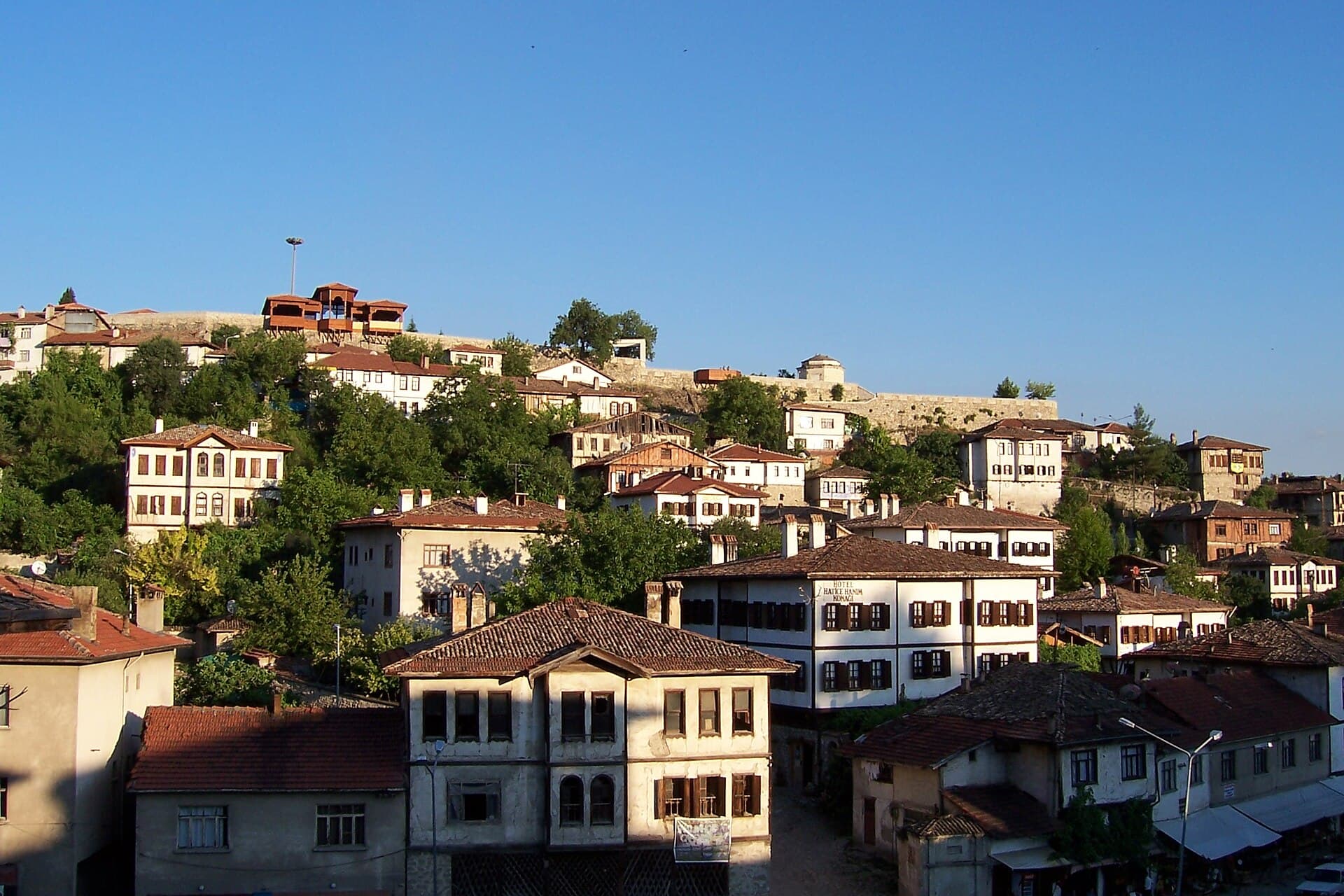 Safranbolu Old Town and Ottoman HousesSafranbolu was built on a centuries-old neighbourly rule that the townspeople st3 minutes walk4.6
If you have no children and limited time, the garden, clock tower and terrace are free and are the heart of the visit; you can stop there. The interior justifies its cheap ticket if you have children who enjoy the mock workshops, or if you want the town's story before wandering the bazaar. For seeing a genuine Safranbolu mansion from the inside, the Kaymakamlar House museum down the hill is the better choice.