
The terrace
An open sweep over the Tiber and the rooftops with the dome of St Peter's centred in the frame, and nothing to pay for it.
user:Lalupa — Public domain · Lucicuta77 — CC BY-SA 4.0 · Guilhem Vellut from Paris, France — CC BY 2.0 · Guilhem Vellut from Paris, France — CC BY 2.0
One of Rome's best free views asks nothing of you: no ticket, no booking, no queue. You walk up a quiet slope on the Aventine, pass through a stone gate between two walls, and a rectangle of orange trees opens ahead of you, ending at a terrace that hands over the whole city — the Tiber below, the rooftops running to the horizon, and the dome of St Peter's hanging dead centre in the frame. The official name is Parco Savello. Nobody in Rome uses it. What you are standing on was never meant to be a garden. The Savelli family raised a fortress here between 1285 and 1287, on top of a tenth-century castle built by the Crescenzi, and the site stayed walls and towers for centuries until the architect Raffaele De Vico turned it into this trim orchard in 1932 — roughly 7,800 square metres, a single central avenue, strict symmetry, and bitter oranges whose fruit nobody eats. The choice of tree is a nod to St Dominic, who by tradition planted the first orange tree on this hill from a sapling brought from Spain; its descendant still stands in the cloister of Santa Sabina next door, and since that cloister is normally shut to visitors you glimpse the tree instead through a small opening in the wall of the basilica's porch. Be honest about your itinerary. If this is a first visit with three days and you have not yet seen the Colosseum or the Vatican, the Orange Garden is not worth carving an hour out of the day for — it is a twenty-minute stop you make because you are already nearby. If you are back in Rome, or travelling with children or with older parents who have had their fill of queues and crowds, it is one of the best cheap hours in the city: benches, shade, level gravel paths, nothing to pay and nothing to reserve. The neighbourhood repays a slow morning. Santa Sabina stands metres away — a fifth-century basilica, free to enter, its carved cypress doors among the oldest surviving anywhere in the Christian world, though on Sundays and Mondays it opens only from midday. A few minutes further is Piazza dei Cavalieri di Malta with its famous keyhole, a completely separate site with its own page and its own long queue; do not treat the two as one visit. Below the garden the medieval Clivo di Rocca Savella drops towards the river, and the nearest metro is Circo Massimo on line B. Two warnings: the gates close on time, to the minute, and sunset brings a real crush along the terrace rail. The belvedere, the Savelli tower that carries it and the medieval walls along the clivo were restored under the city's recent programme of works, now recorded as finished, so the terrace is back in use — but this is a terrace with a history of structural trouble, so a quick check is worth it if you are climbing the hill for the view alone.
An open sweep over the Tiber and the rooftops with the dome of St Peter's centred in the frame, and nothing to pay for it.
The orange trees stand in the courtyard of a Savelli stronghold raised between 1285 and 1287 that only became a garden in 1932.
Benches, shade and level paths make this the easiest break in central Rome for families and for anyone travelling with older relatives.
Piazza Pietro d'Illiria, Aventine Hill, 00153 Rome
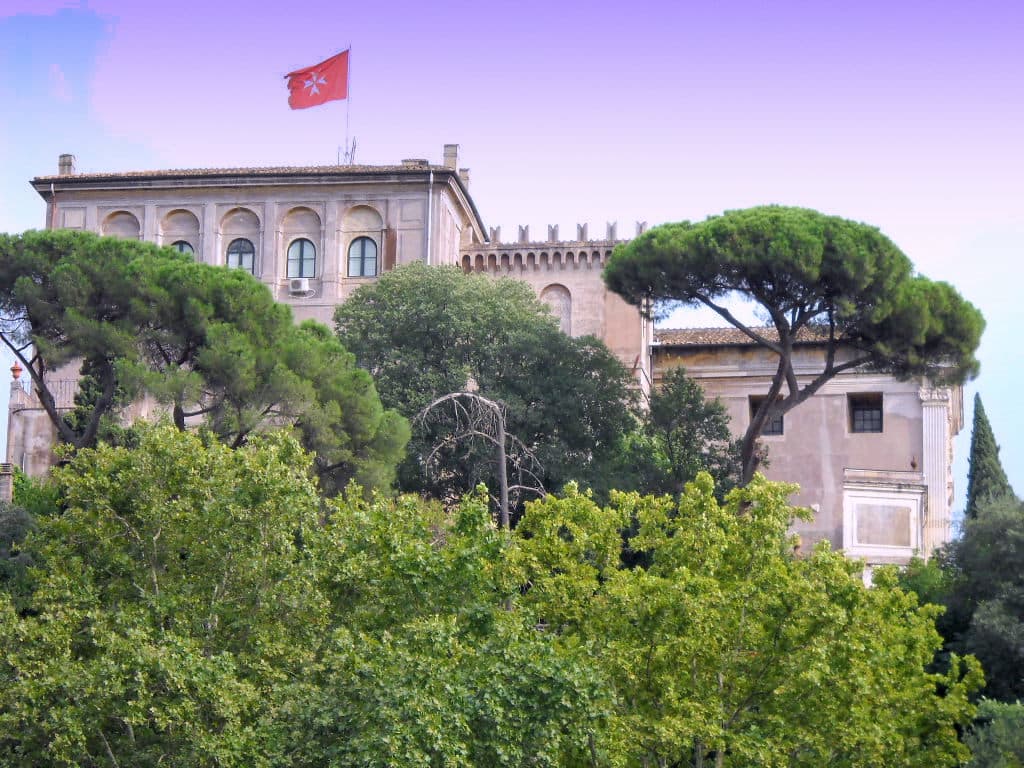 Villa del Priorato di MaltaThe most famous keyhole in the world: an ordinary green door on the Aventine Hil4 minutes walk4.1
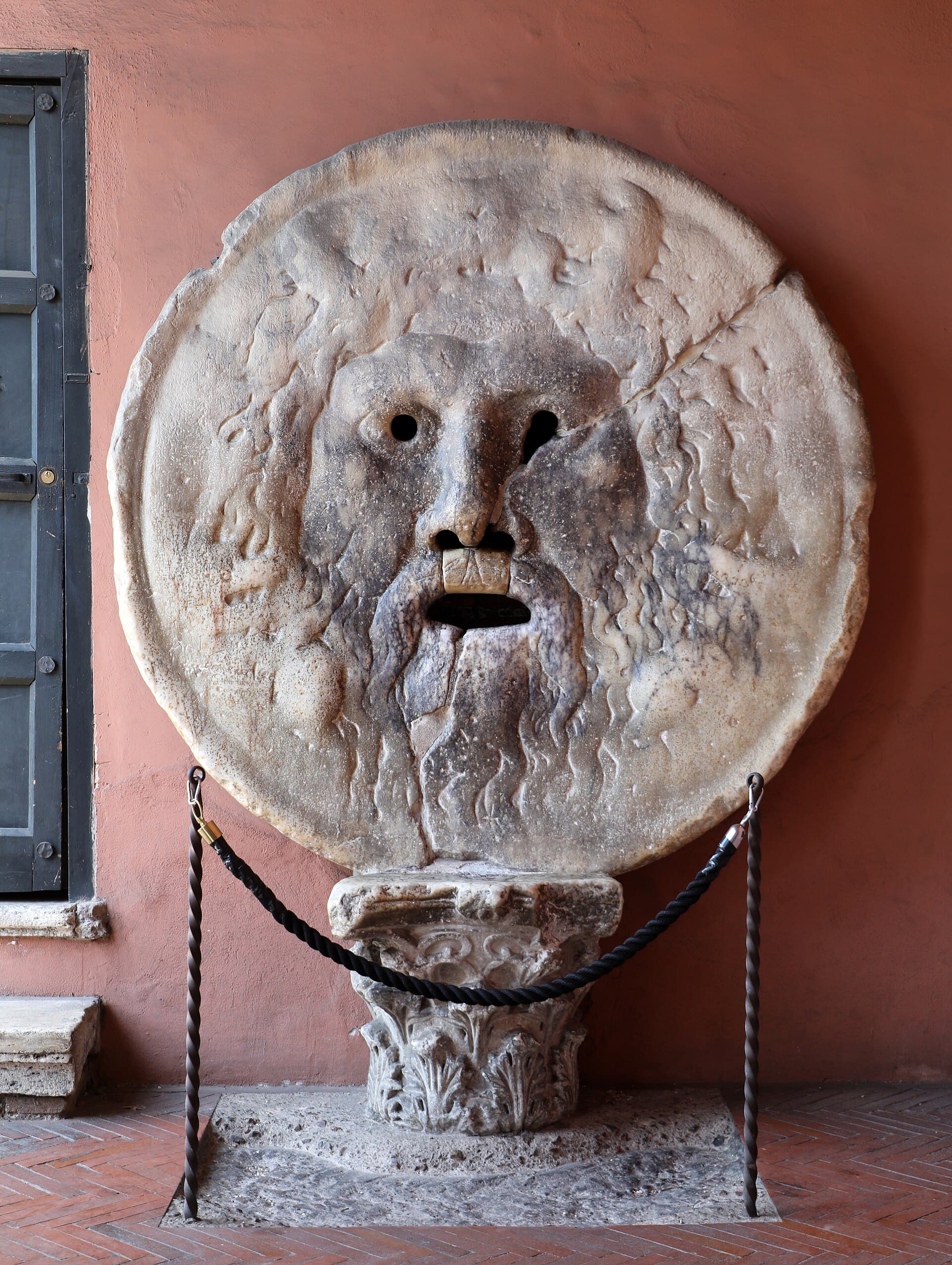 The Mouth of TruthIn the portico of Santa Maria in Cosmedin hangs a huge marble disc bearing a riv4 minutes walk4.2
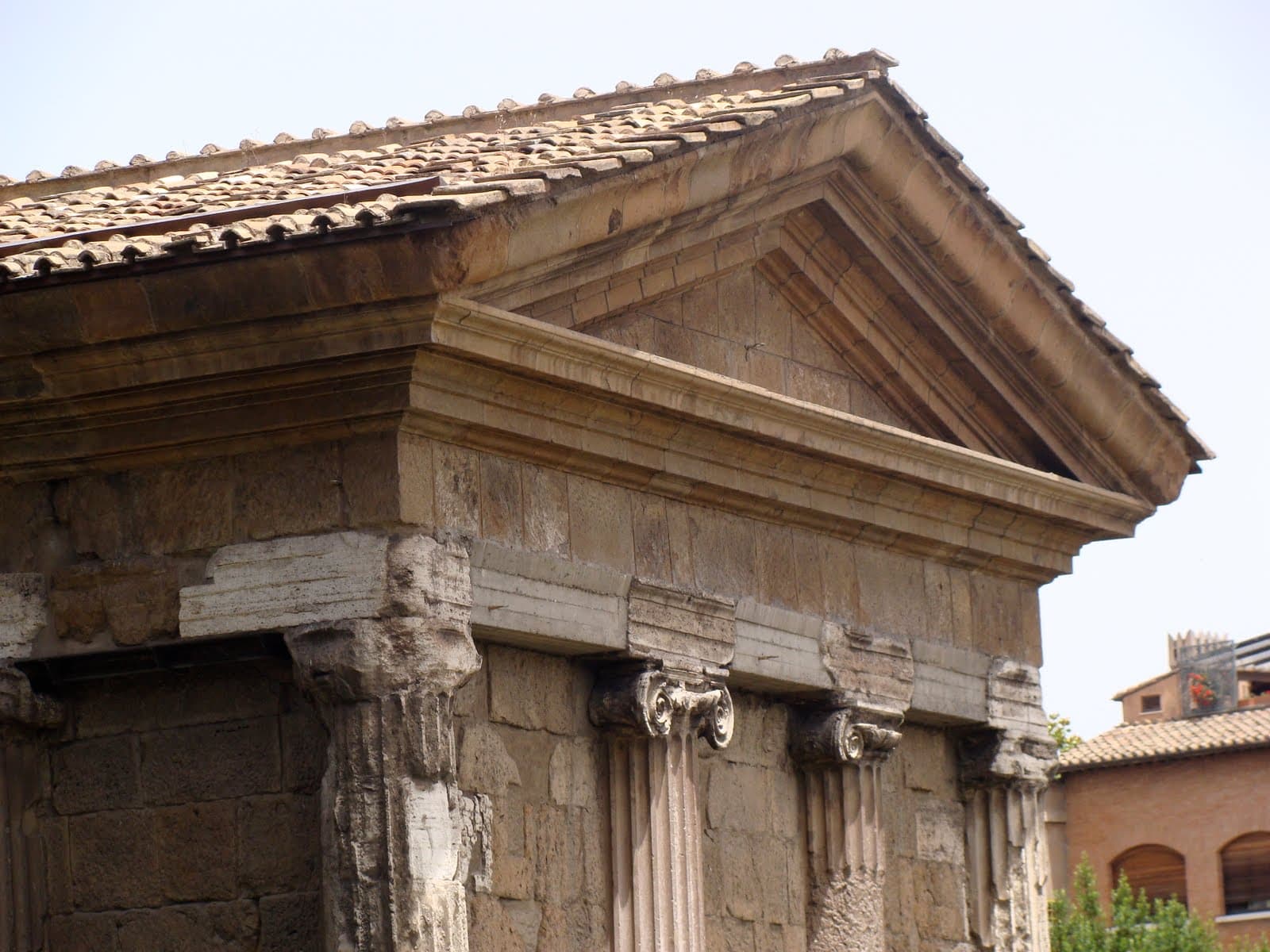 Forum Boarium (Temples of Hercules and Portunus)Centuries before the Colosseum, this flat patch of ground on the Tiber was a cat5 minutes walk4.4
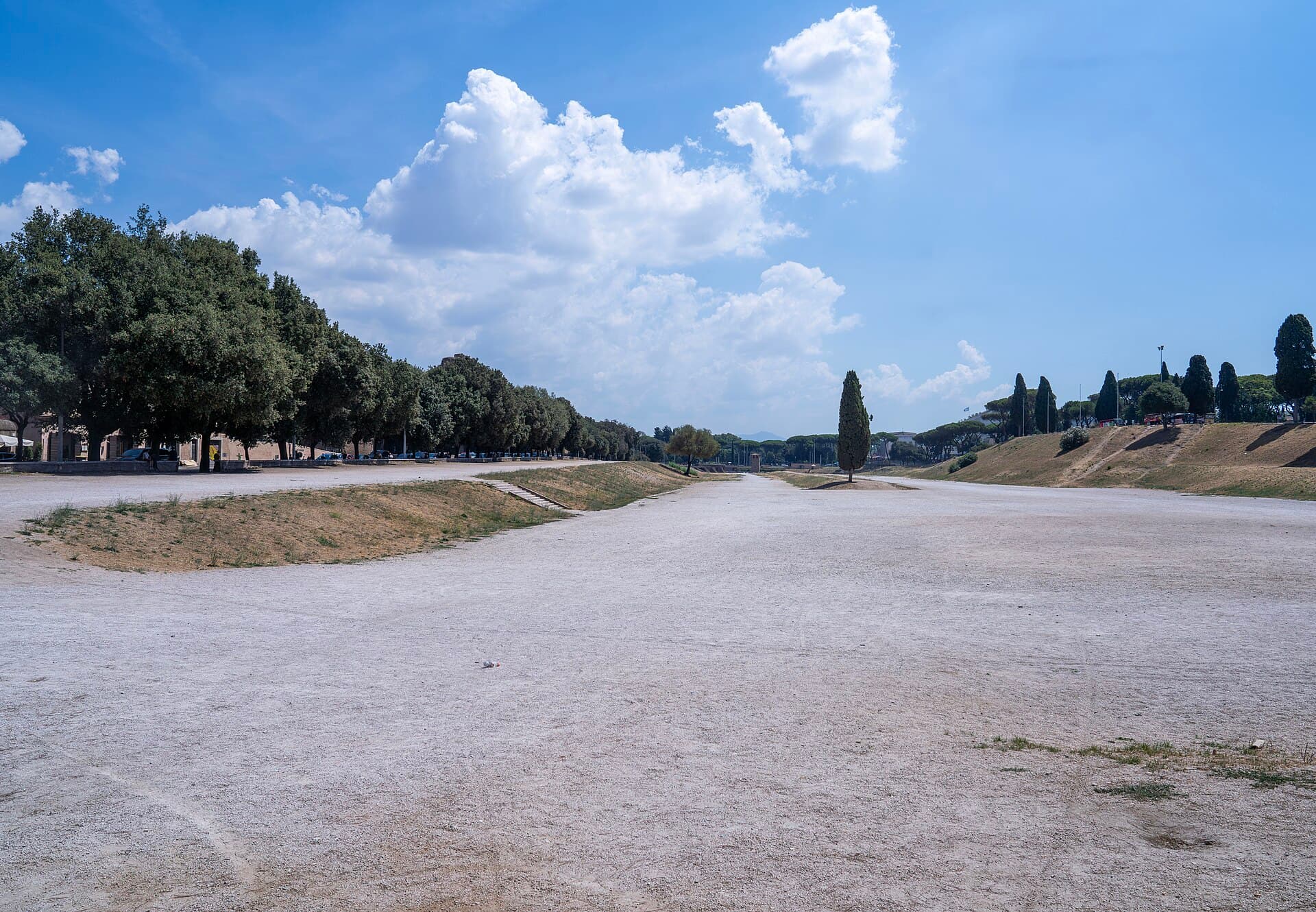 Circus MaximusThe largest stadium in history: a long valley between the Palatine and Aventine 6 minutes walk4.6
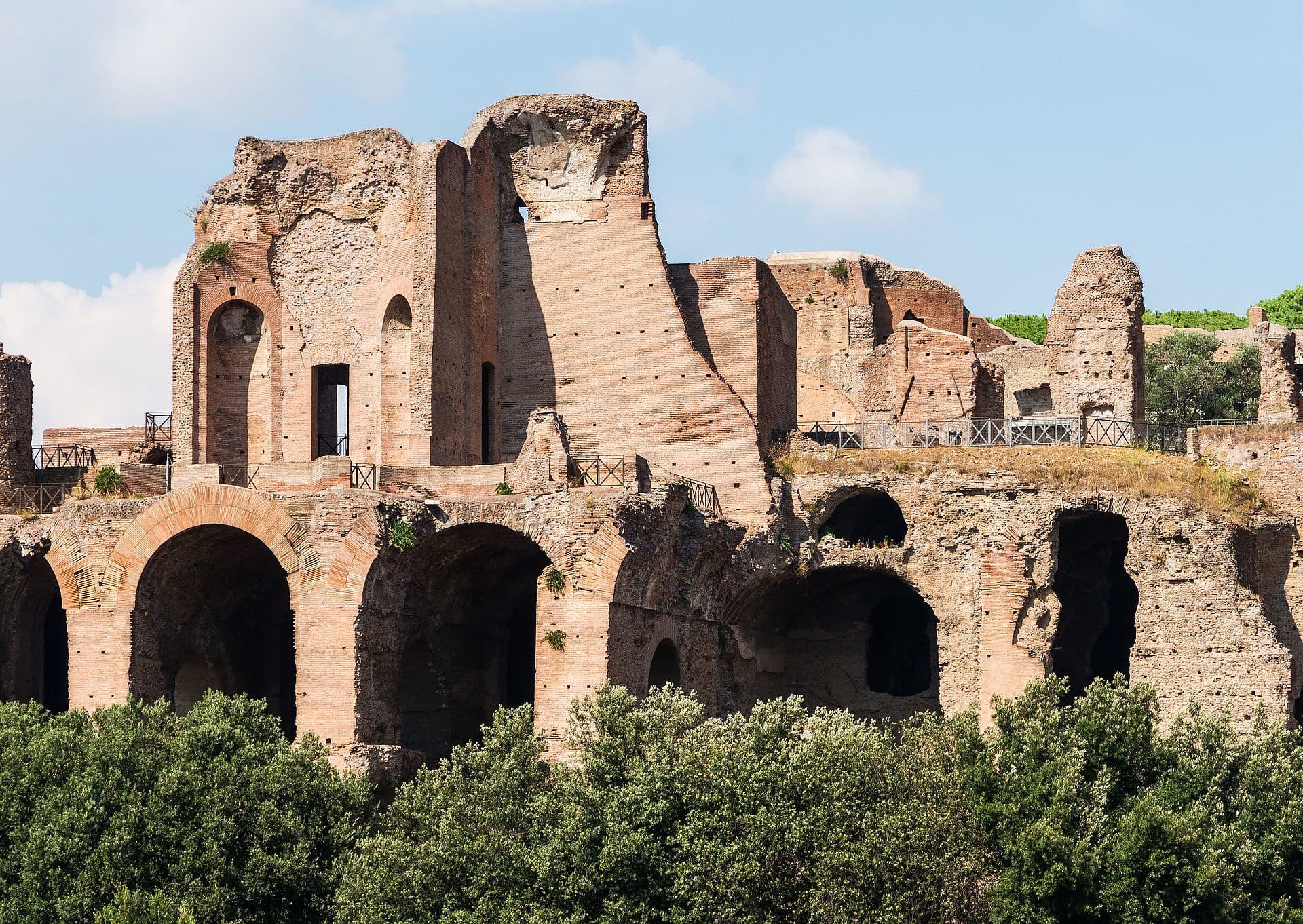 Palatine HillAll of Rome began on this hill: here, by legend, Romulus founded the city in 7538 minutes walk4.6
Looking for halal food near Giardino degli Aranci (Orange Garden)? There are several options nearby, from Moroccan and Indian kitchens to quick casual spots and places with a view. Confirm the halal status and opening hours before you go — these can change.
Not as a destination in its own right. On a short first visit the Colosseum, the Vatican and the Pantheon come first by a wide margin. But if your route already passes the Circus Maximus, the Mouth of Truth or Piazza dei Cavalieri di Malta, the climb adds about twenty minutes and gives you one of the best free views in the city — at that point skipping it makes no sense.
The last hour before sunset is the famous one and the busiest of the day — the terrace rail fills up thirty to sixty minutes ahead, especially in summer and at weekends. Remember you are looking north-west: in the summer months the sun goes down close to the line of the dome, so the shot is backlit and the city reads as silhouette and haze. If you want light falling on the dome and a near-empty garden, come just after opening at seven or eight in the morning, with the sun behind you.