
The oldest marble in Rome
The round Temple of Hercules, with nineteen of its original twenty columns still standing, is the oldest marble building left in the city.
Torquatus — CC BY-SA 4.0 · Heinrich Hasselhorst — PDM-owner · Heinrich Hasselhorst — PDM-owner · Dguendel — CC BY 4.0
Centuries before the Colosseum, this flat patch of ground on the Tiber was a cattle market and a river port where cargo came off the boats — hence the name, Forum Boarium, the ox market. Rome's great altar to Hercules stood here, and here in 264 BC the city watched its first gladiatorial combat, staged at a nobleman's funeral, long before that private rite grew into an imperial industry with tiered seating and blood. Almost none of it survives. What does survive is two small temples standing on a square of grass ringed by traffic, and they happen to be among the purest surviving pieces of Republican Roman architecture anywhere in the city. The round one is the Temple of Hercules Victor, from the later second century BC, and it is the oldest marble building left standing in Rome: nineteen of its original twenty Corinthian columns still hold the circle, the earliest of them cut from Greek marble, though ten were replaced with Italian Luna marble under the empire. For centuries it was misidentified as a temple of Vesta simply because it is round. Its rectangular neighbour belongs to Portunus, god of harbours, keys and doorways — a fitting patron beside the old river port. His temple is built of humbler stuff, tufa and travertine once coated in stucco to imitate marble, but it came down to us almost whole, Ionic columns in front and half-columns engaged into the walls behind, the textbook example in every history of Roman building. The reason both are still upright is faintly ironic: the Church saved them. In 872 the Temple of Portunus was turned into a church, later known as Santa Maria Egiziaca, and it stayed in use until 1916, when it was deconsecrated and stripped back to the ancient shell — medieval wall paintings still survive inside. The round temple became a church too, known from the seventeenth century as Santa Maria del Sole. A building in use is not demolished and its stone is not carted off for someone's new palace, and that alone is the difference between two temples standing and dozens gone. Practically: the square is open day and night, entirely free, no ticket, no booking, no queue, and flat enough to cross with a pushchair. The interiors are normally shut, opened only for occasional pre-booked guided visits at a small fee, and you lose very little by missing them — the value here is all on the outside. Twenty minutes is enough. Do not make a special trip if this is your first visit to Rome and you have three days; the Colosseum and the Vatican have a stronger claim on your time. But it is an excellent stop if you are already heading to the Mouth of Truth in the porch of Santa Maria in Cosmedin across the square (a separate queue, a separate donation, a separate visit), or coming down off the Aventine, or crossing the bridge into Trastevere. Come in the hour before sunset, when the marble turns honey-coloured; both temples are usually lit after dark. Be warned that there is almost no shade at midday in summer and the riverside road is loud. A few steps behind the square stands the four-fronted Arch of Janus, restored and reopened in 2021, its enclosure free on limited days, with the church of San Giorgio in Velabro beside it.
The round Temple of Hercules, with nineteen of its original twenty columns still standing, is the oldest marble building left in the city.
The Temple of Portunus stayed in use as a church until 1916, which is why it reached us nearly intact while dozens of temples vanished.
Top-tier Roman architecture you can see free at any hour, lit at night and rarely crowded.
Piazza della Bocca della Verità, 00186 Rome
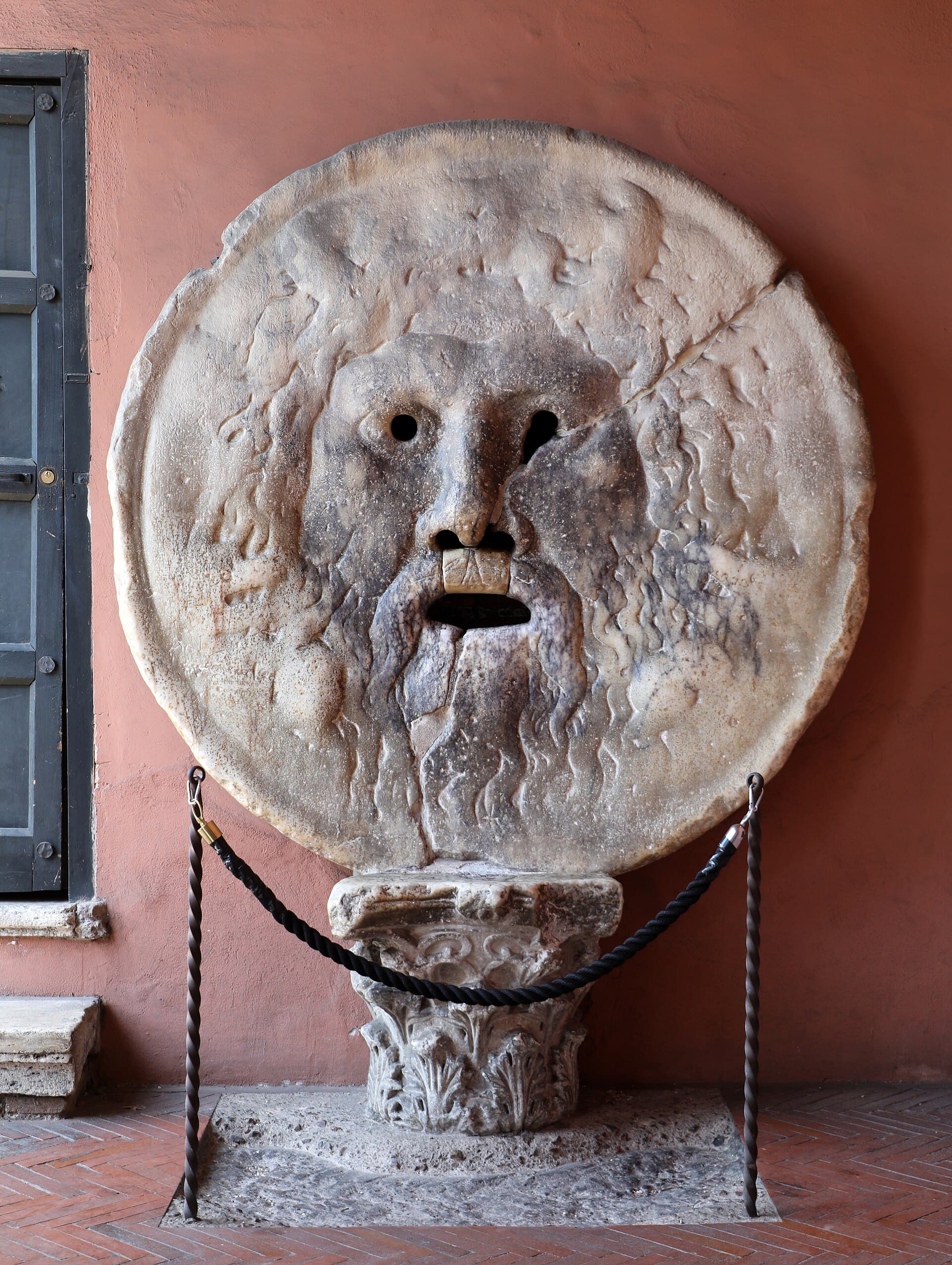 The Mouth of TruthIn the portico of Santa Maria in Cosmedin hangs a huge marble disc bearing a riv1 minute walk4.2
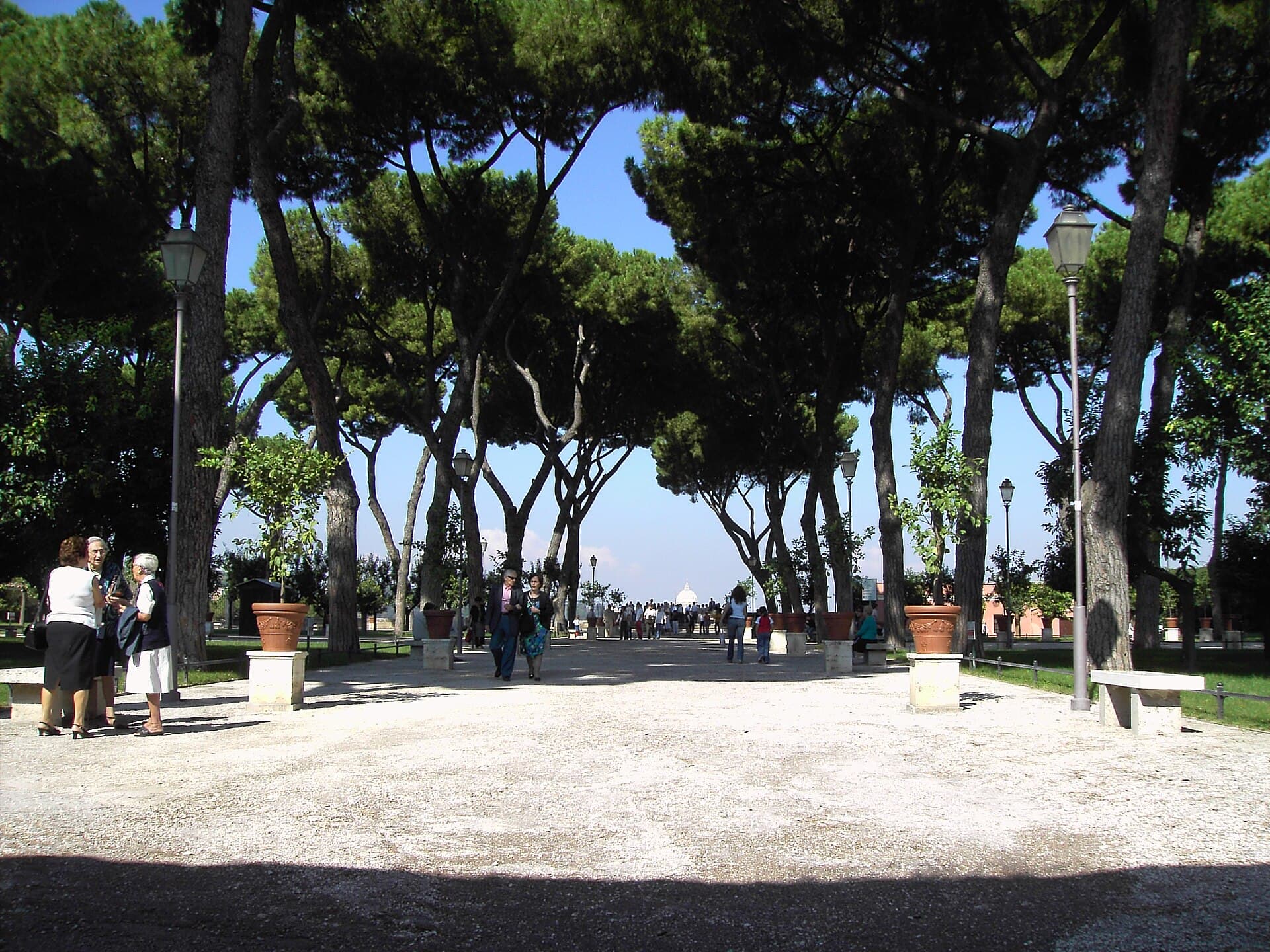 Giardino degli Aranci (Orange Garden)One of Rome's best free views asks nothing of you: no ticket, no booking, no que5 minutes walk4.6
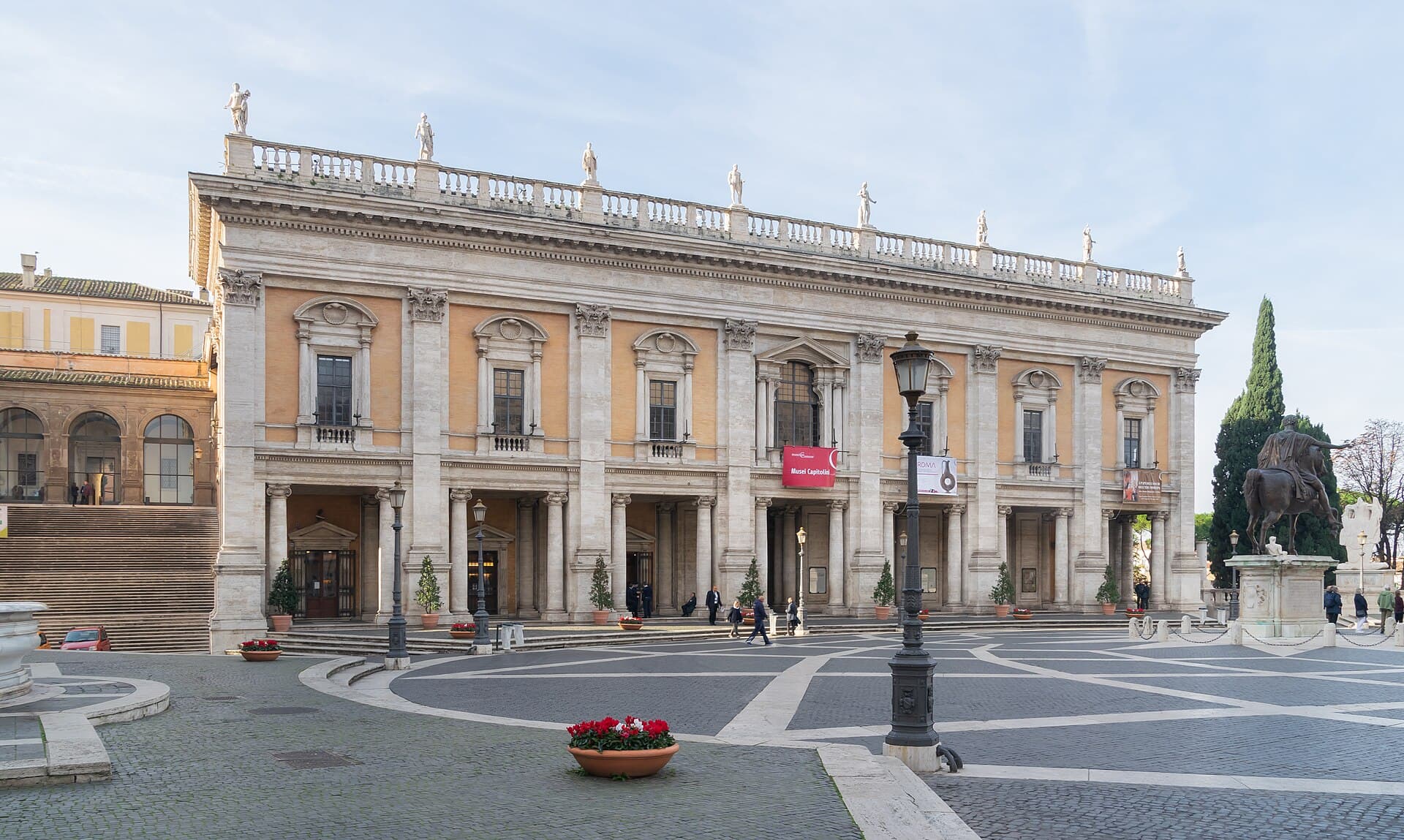 Capitoline MuseumsThe oldest public museum in the world: founded in 1471 when Pope Sixtus IV gave 6 minutes walk4.6
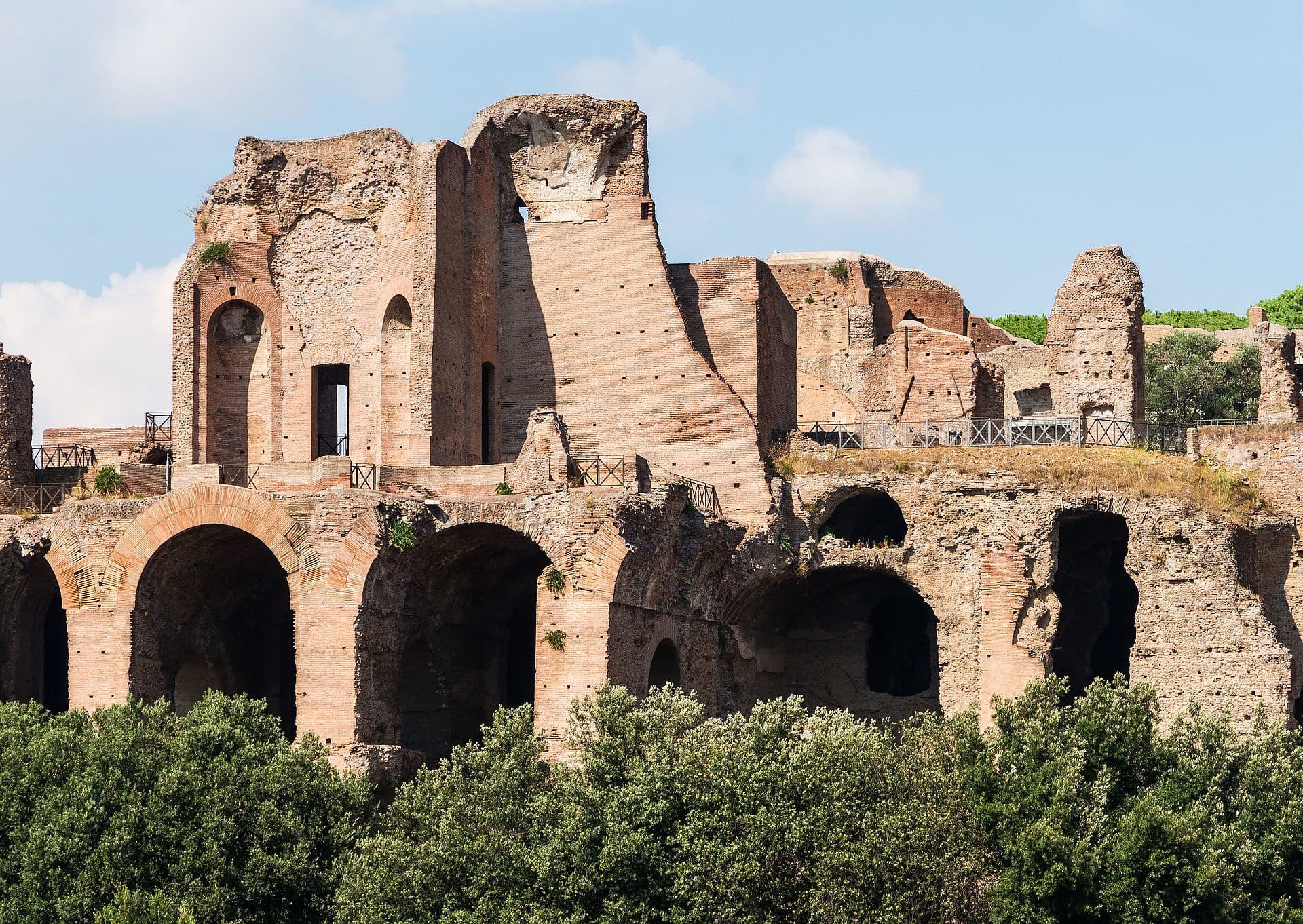 Palatine HillAll of Rome began on this hill: here, by legend, Romulus founded the city in 7536 minutes walk4.6
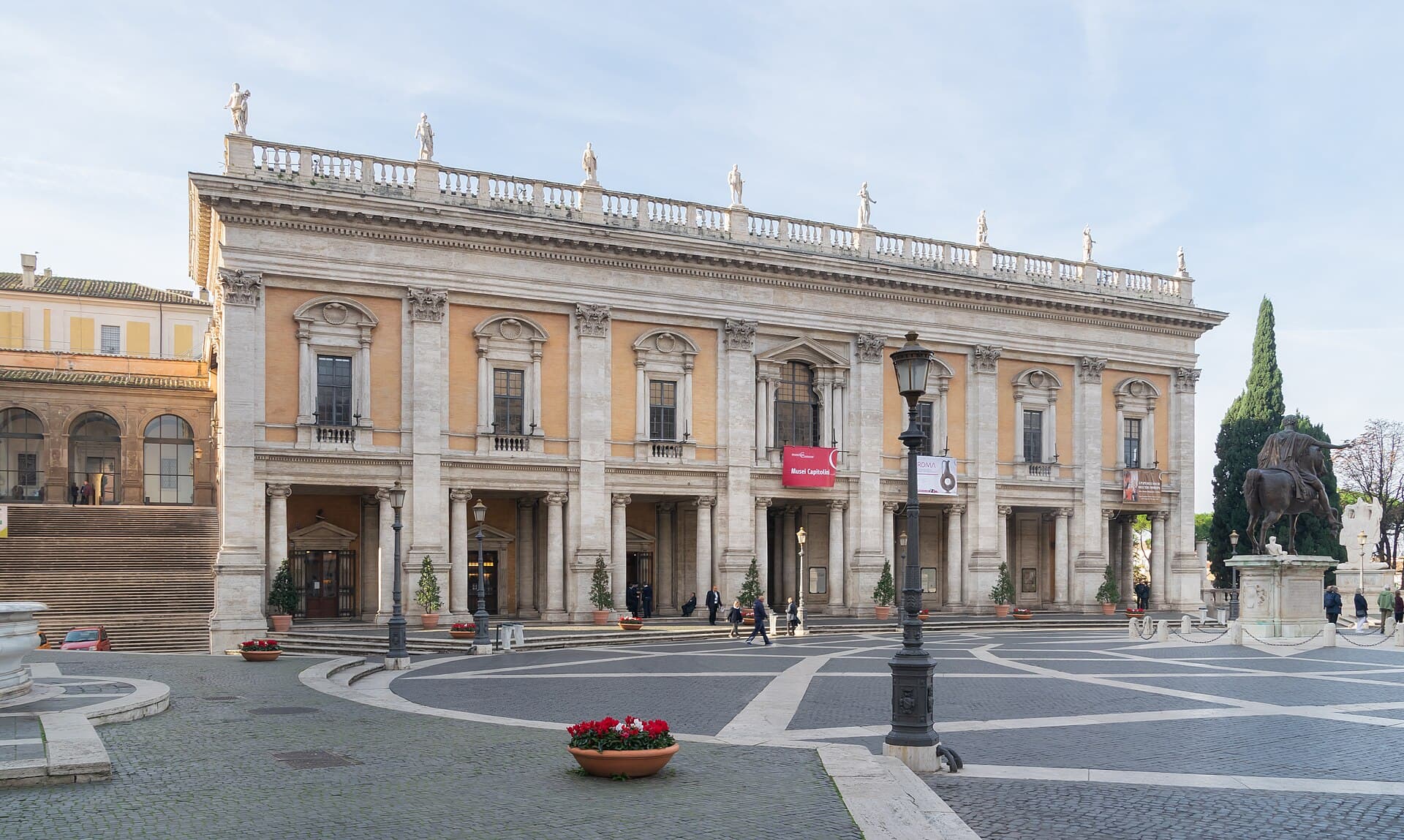 The Palazzo dei ConservatoriOne of the two palaces of the Capitoline Museums on the Piazza del Campidoglio, 6 minutes walk4.6
Looking for halal food near Forum Boarium (Temples of Hercules and Portunus)? There are several options nearby, from Moroccan and Indian kitchens to quick casual spots and places with a view. Confirm the halal status and opening hours before you go — these can change.
No, not as a destination of its own on a schedule that tight. But it costs nothing and needs twenty minutes, so fold it into a walk you are making anyway: between the Circus Maximus and the Mouth of Truth, coming down off the Aventine, or before crossing into Trastevere. If it is your second trip and you are tired of queues, this is exactly the kind of place worth a trip of its own.
Not normally. Both are kept closed and are meant to be seen from outside; interiors open only for occasional pre-booked guided visits at a small fee, on dates that change and need confirming. It is no great loss — the architecture is all on the exterior, and inside is a near-empty stone room, though the Temple of Portunus does keep its medieval wall paintings.