
Spring bubbles
Water rising from below.
Sharawy24 — CC BY-SA 4.0 · mykola.rykov — CC BY 3.0 · Ahmed Emad Hamdy — CC BY-SA 4.0 · youssef_alam — CC BY 3.0 · ولاء — Public domain · youssef_alam — CC BY 3.0 · Mohamed shokry algarnosy — CC BY-SA 4.0
Siwa's best-known natural spring, a large round stone-lined pool where clear water rises from underground, ringed by palm groves. Folk tales tie its name to Queen Cleopatra, and some accounts hold that it is the Spring of the Sun that the Greek historian Herodotus described near the Temple of Amun. A stream of bubbles rises from the springs in its floor, and the water stays mild all year, so visitors and locals swim in it. Simple cafés around the spring serve tea, juices and Siwan food, and small shops sell dates and crafts. Swimming is in modest clothing out of respect for the oasis's conservative customs, and women sometimes have times or spots of their own. The spring is lit in the evening, making it a pleasant place to sit after a day of exploring. Entry is usually free, and it is near the Temple of the Oracle, so pair them on one outing by bicycle or tuk-tuk.
Water rising from below.
Tea and Siwan food.
A calm evening sit.
South of the Aghurmi rock, about five kilometres from Siwa town
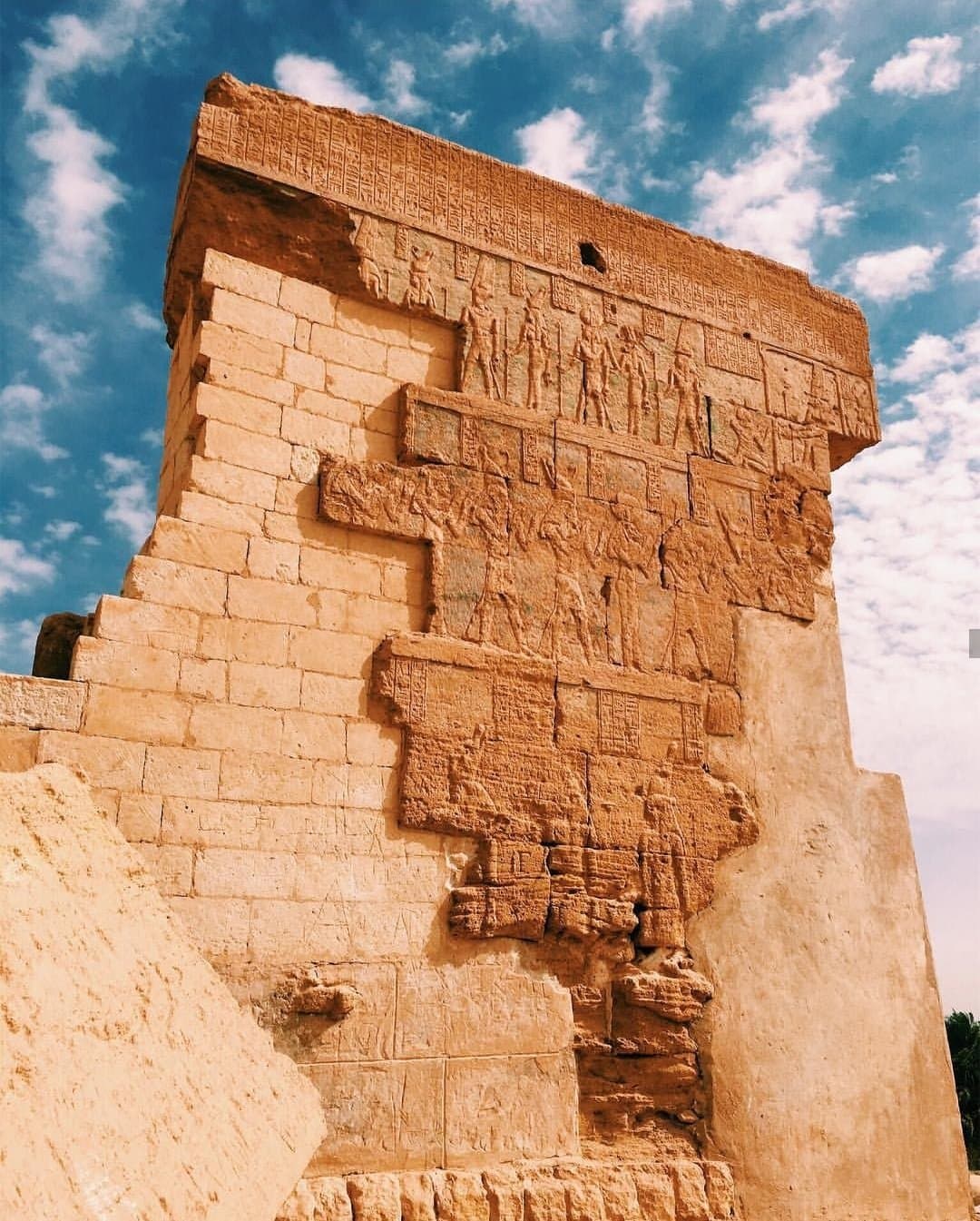 Temple of Umm UbaydaThe remains of Siwa's second temple of Amun, built by King Nectanebo II of the T10 minutes walk
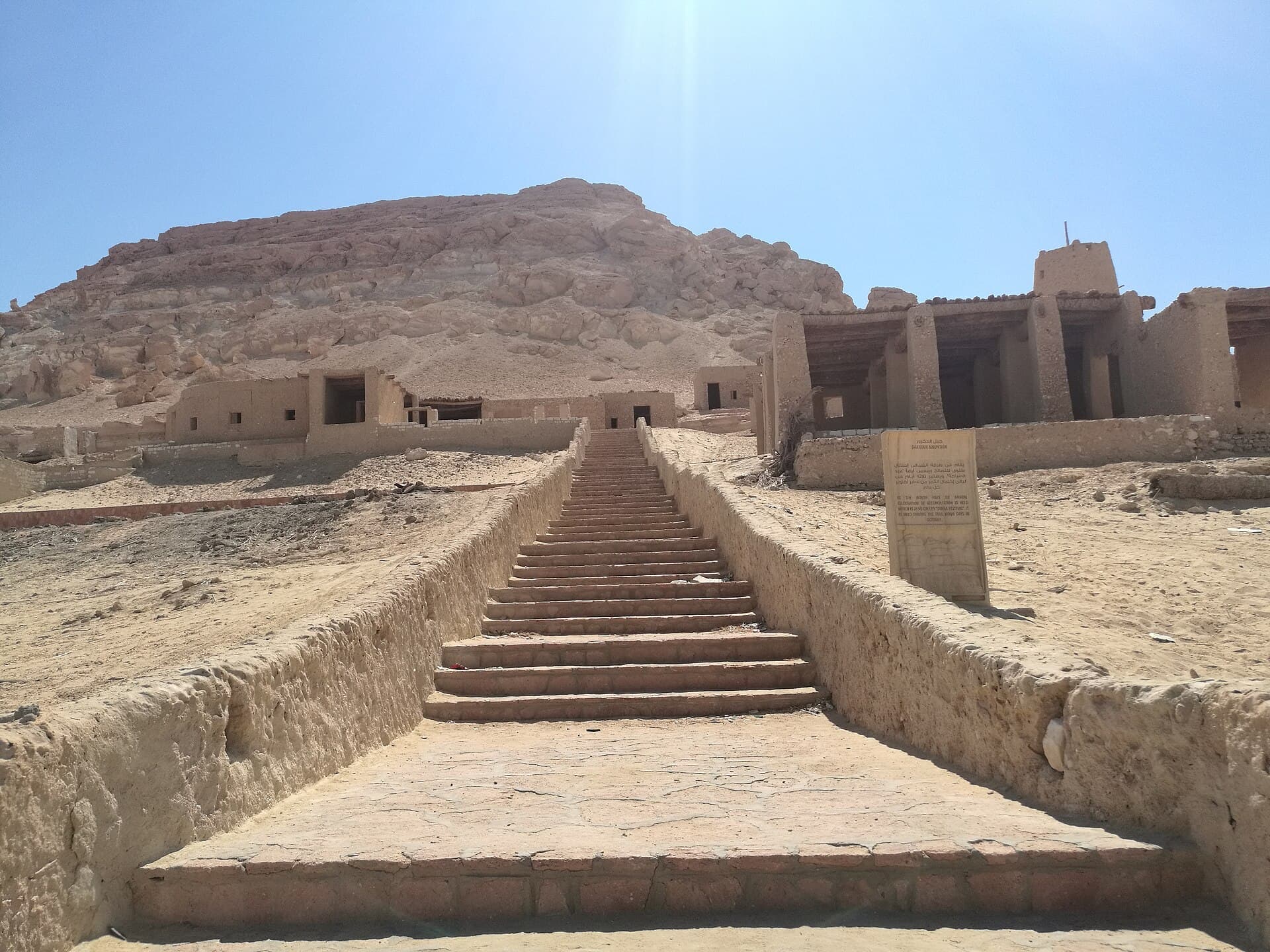 Gebel DakrurA sandstone mountain rising from the sands about 4 km southeast of Siwa town, wi11 minutes walk
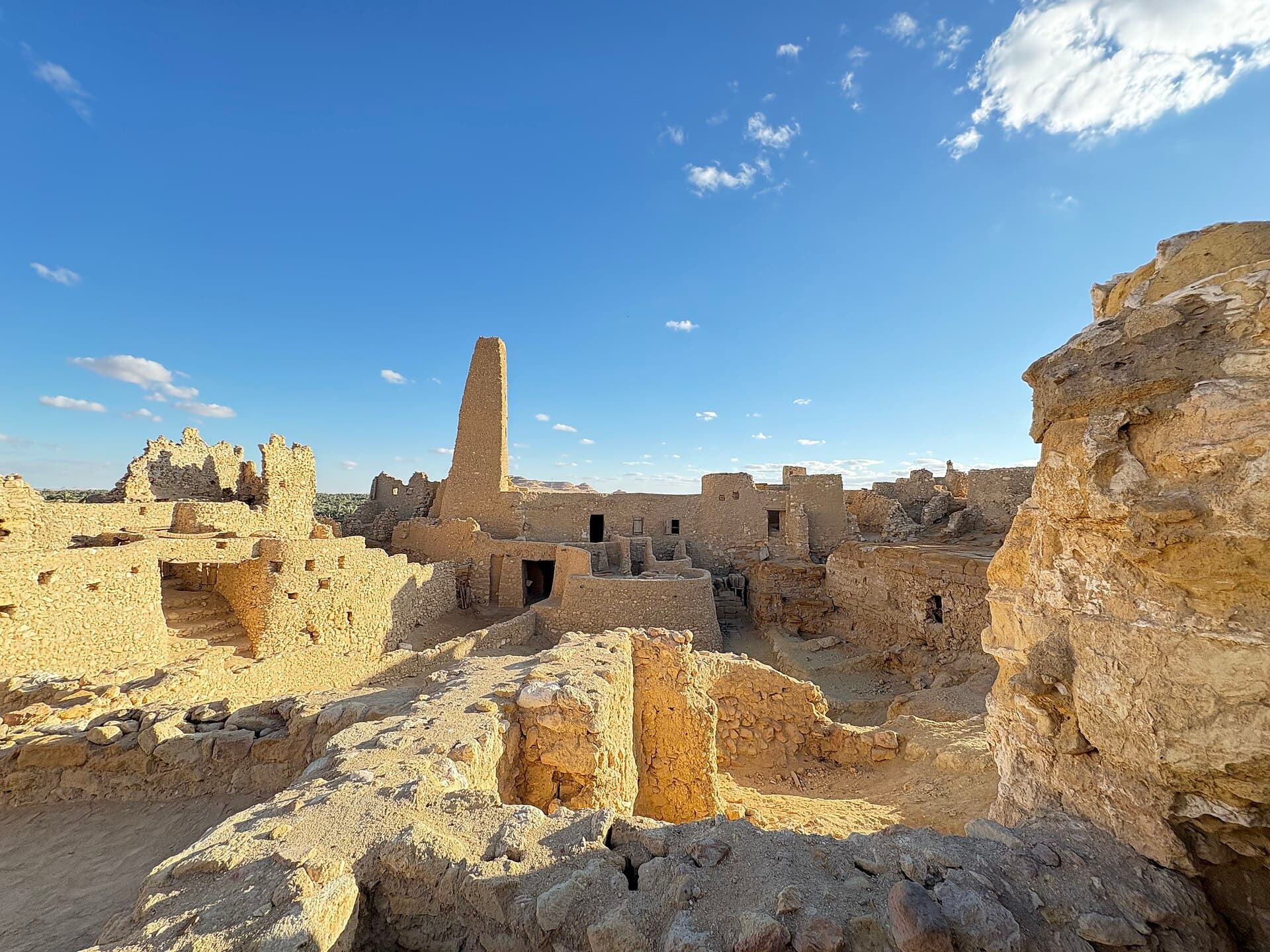 Temple of the Oracle (Temple of Amun)The temple of the god Amun, famed across the ancient world for its oracle, stand14 minutes walk4.6
Yes, in modest clothing that suits the oasis's customs; the water is mild all year, and early morning or evening are nicest.