
The carved wall
All that survives.
Karim Essm — CC BY-SA 4.0 · youssef_alam — CC BY 3.0 · Bilal Detailz — CC BY-SA 4.0 · Roland Unger — CC BY-SA 3.0 · Roland Unger — CC BY-SA 3.0 · Roland Unger — CC BY-SA 3.0 · Roland Unger — CC BY-SA 3.0 · Roland Unger — CC BY-SA 3.0
The remains of Siwa's second temple of Amun, built by King Nectanebo II of the Thirtieth Dynasty in the 4th century BC a few hundred metres south of the Oracle Temple, to which a processional way once linked it. It stood until the late 19th century, when a local official blew it up to reuse its stones for building, per visitor guides. All that is left is a single standing wall amid scattered blocks among the palms. That wall, though, carries fine raised reliefs and hieroglyphs, including a local ruler of the oasis kneeling before Amun with a procession of gods behind him, some traces of colour still visible. There is no ticket on the ministry list, and a visit is usually free and short. Combine it with the nearby Oracle Temple; it is easy to reach by bicycle or donkey cart from Siwa town.
All that survives.
Before Amun.
Scattered blocks.
South of the Aghurmi rock, east of Siwa town
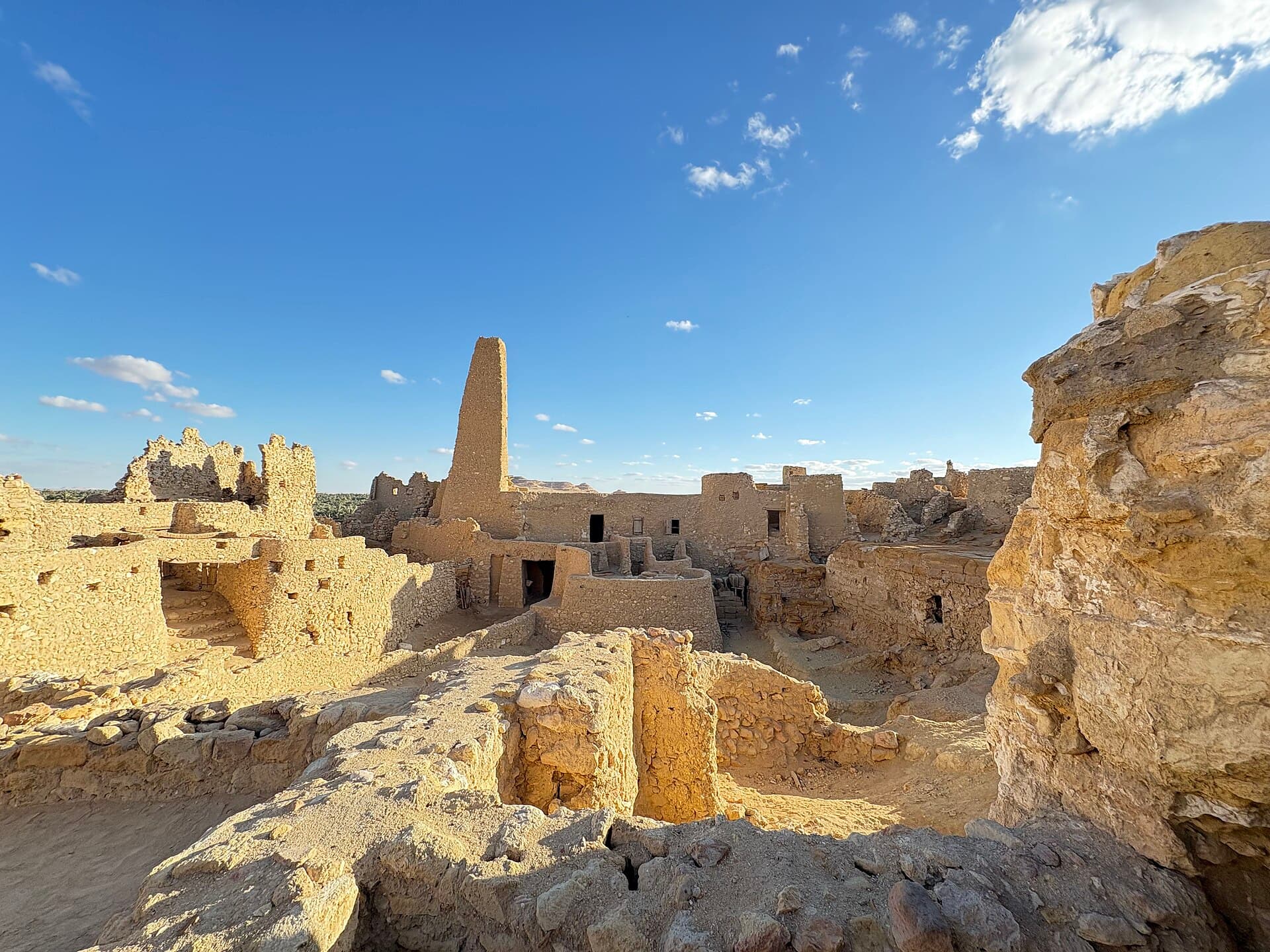 Temple of the Oracle (Temple of Amun)The temple of the god Amun, famed across the ancient world for its oracle, stand5 minutes walk4.6
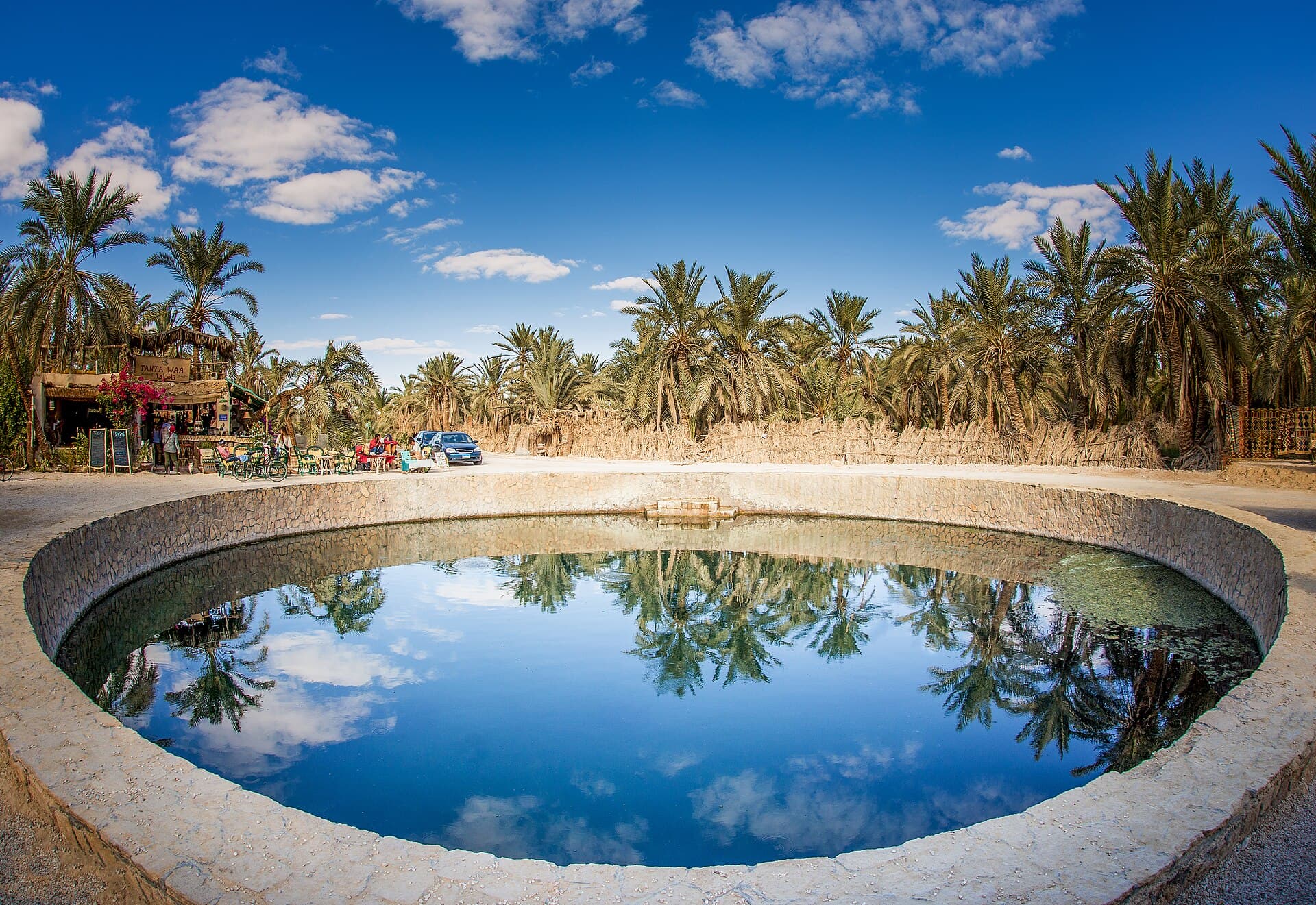 Cleopatra's SpringSiwa's best-known natural spring, a large round stone-lined pool where clear wat10 minutes walk4.4
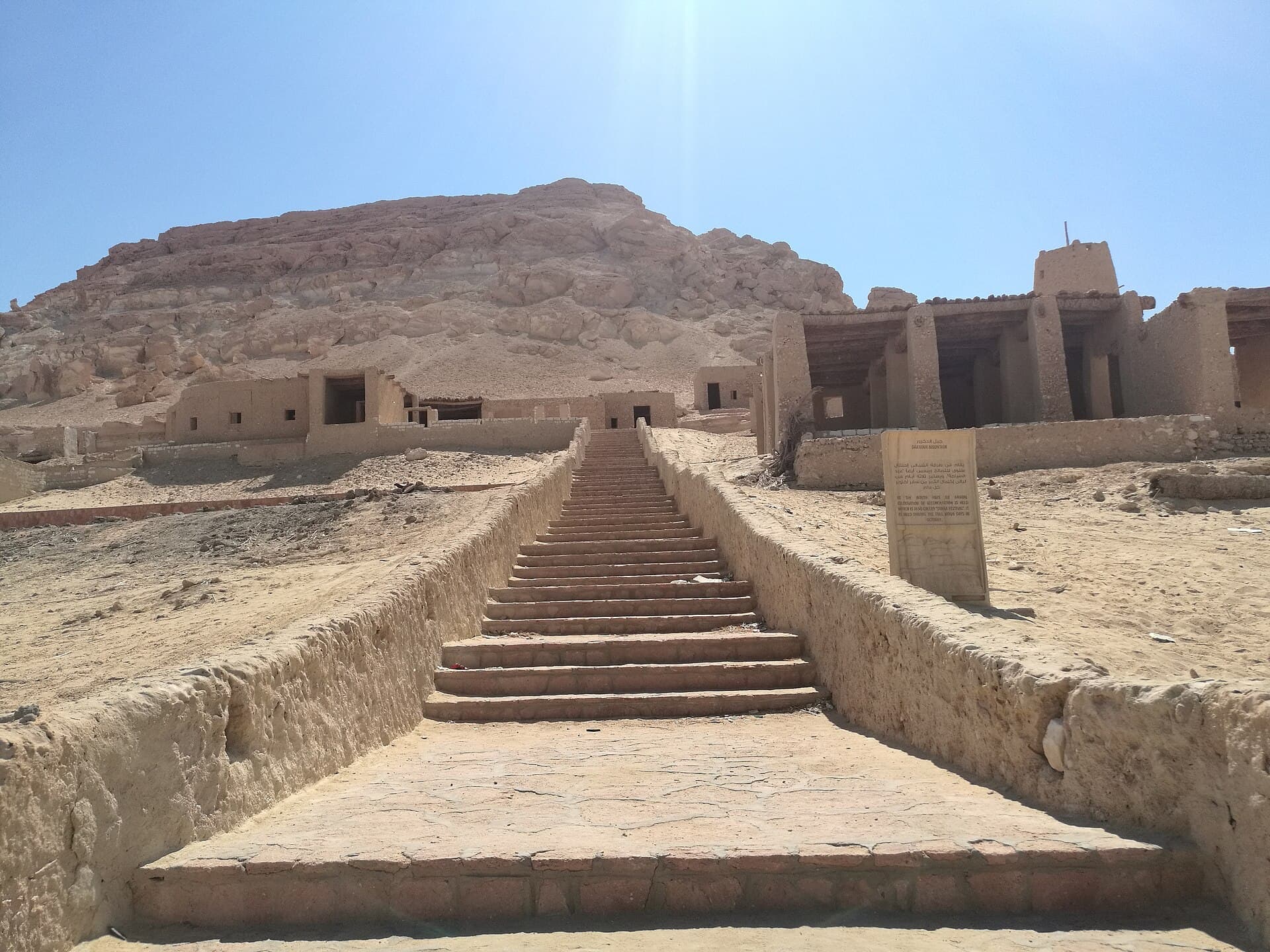 Gebel DakrurA sandstone mountain rising from the sands about 4 km southeast of Siwa town, wi20 minutes walk
A local official blew the temple up in the late 19th century to reuse its stones, per visitor guides, leaving one carved wall.