Amun's oracle
The ancient world's famed seer.
ولاء — Public domain · ولاء — Public domain · Mohamed shokry algarnosy — CC BY-SA 4.0 · أحمد ناجي — CC BY-SA 4.0 · ولاء — Public domain · ولاء — Public domain · Mohamed shokry algarnosy — CC BY-SA 4.0 · Mohamed shokry algarnosy — CC BY-SA 4.0
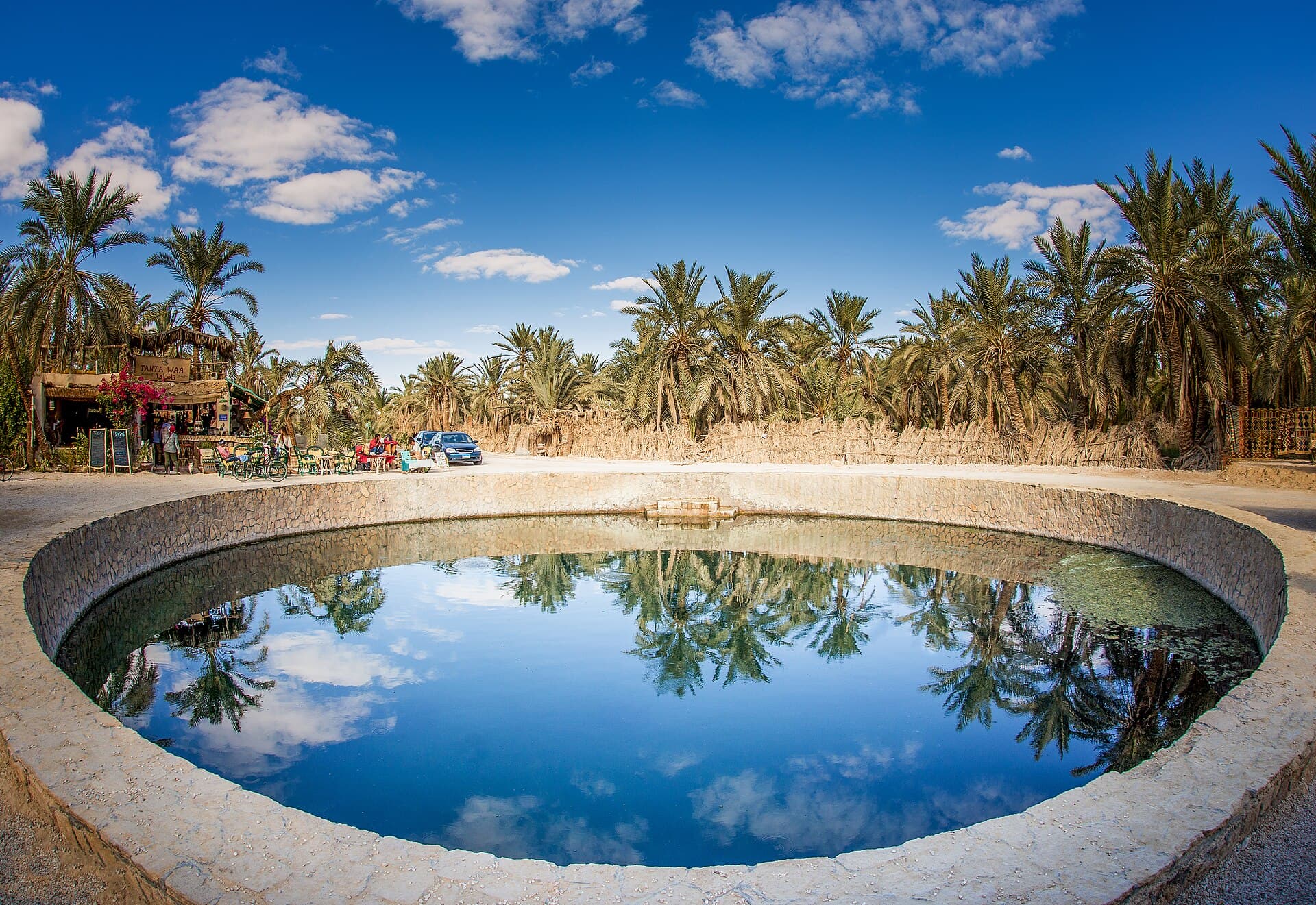
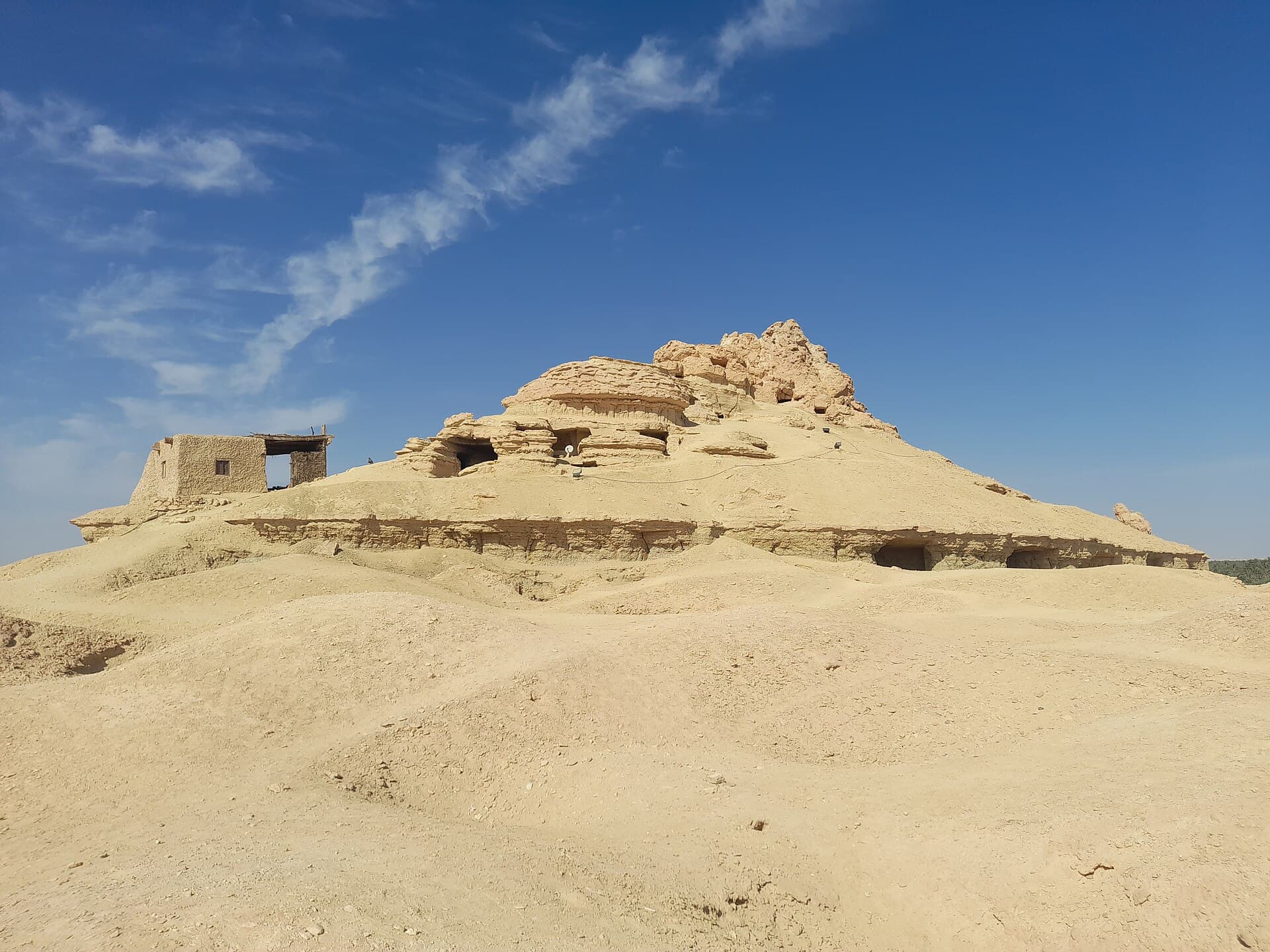
The temple of the god Amun, famed across the ancient world for its oracle, stands on the Aghurmi rock east of Siwa town and dates from the Twenty-sixth Dynasty in the sixth century BC. People came from Greece and beyond to ask the god about their future. Its most famous visitor was Alexander the Great, who crossed the desert to it in 331 BC after taking Egypt; the priest is said to have greeted him as the son of Amun, which shaped his image as ruler of Egypt. Visitors today see the temple halls, the sanctuary and its narrow passages. Around the temple lie the ruins of the old kershef village of Aghurmi, its old mosque, restored and reopened, and an ancient well cut into the rock. From the top of the rock is one of the oasis's finest views, over a sea of palms, lakes and hills. A foreign visitor's ticket costs about a hundred and twenty Egyptian pounds according to the ministry list, and it opens from nine to five. The ruins of the Umm Ubayda temple are nearby, and Cleopatra's Spring is minutes away, so combine them on one outing.
The ancient world's famed seer.
Kershef ruins.
Palms and lakes.
Aghurmi rock, about four kilometres east of Siwa town
Alexander the Great came in 331 BC to consult the oracle; the priest is said to have hailed him as Amun's son, which strengthened his standing as ruler of Egypt.