
Sand baths
In the summer heat.
Sara Nabih — CC BY-SA 4.0 · Roland Unger — CC BY-SA 3.0 · ولاء — Public domain · Roland Unger — CC BY-SA 3.0 · Roland Unger — CC BY-SA 3.0 · ولاء — Public domain · Yasmin sheha — CC BY-SA 4.0 · ولاء — Public domain
A sandstone mountain rising from the sands about 4 km southeast of Siwa town, with views from the top over the oasis's palm groves and lakes. Mud-brick buildings in the Siwan style sit at its foot, and old tombs are cut into its rock. It is famous for hot sand baths: people with aching joints are buried up to the neck in the sand in the midday heat, in the belief that it eases rheumatism and joint pain. The season runs from July to the end of September; a session lasts 10 to 15 minutes and a course usually three to five days, per visitor guides. Anyone with heart trouble or high blood pressure should check with a doctor first. The mountain also hosts the yearly Siyaha festival, or feast of reconciliation, when Siwa's men gather for three days to eat together, chant and settle their quarrels, then march with flags to Sidi Sulayman square in the centre of town to begin a new year without grudges. Visiting the mountain is free; sand-bath sessions are arranged with local camps for a fee, per visitor guides. It is loveliest at sunset and pairs well with the nearby Oracle Temple and the Temple of Umm Ubayda.
In the summer heat.
On the mountain.
Over the oasis.
About 4 km southeast of Siwa town
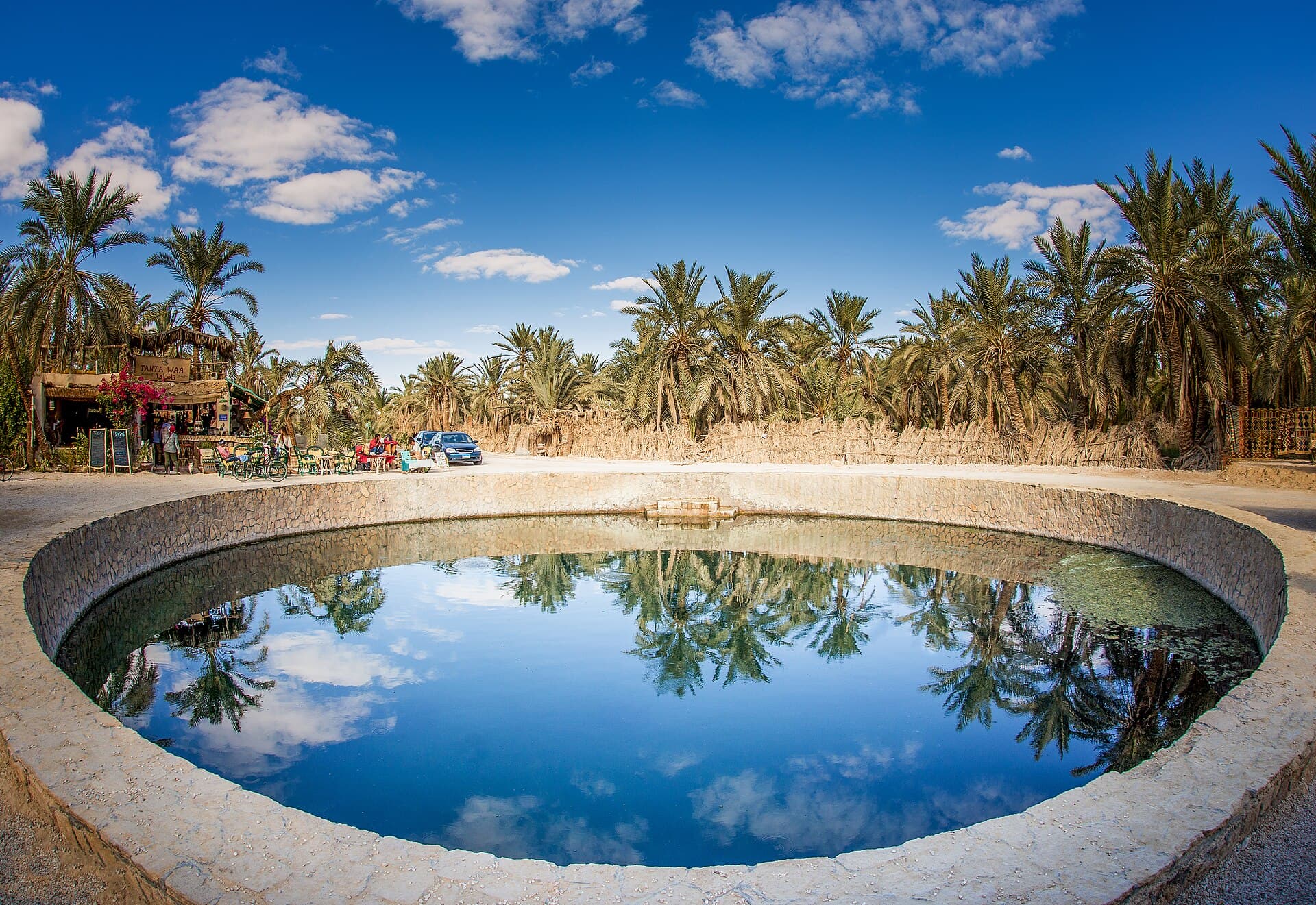 Cleopatra's SpringSiwa's best-known natural spring, a large round stone-lined pool where clear wat11 minutes walk4.4
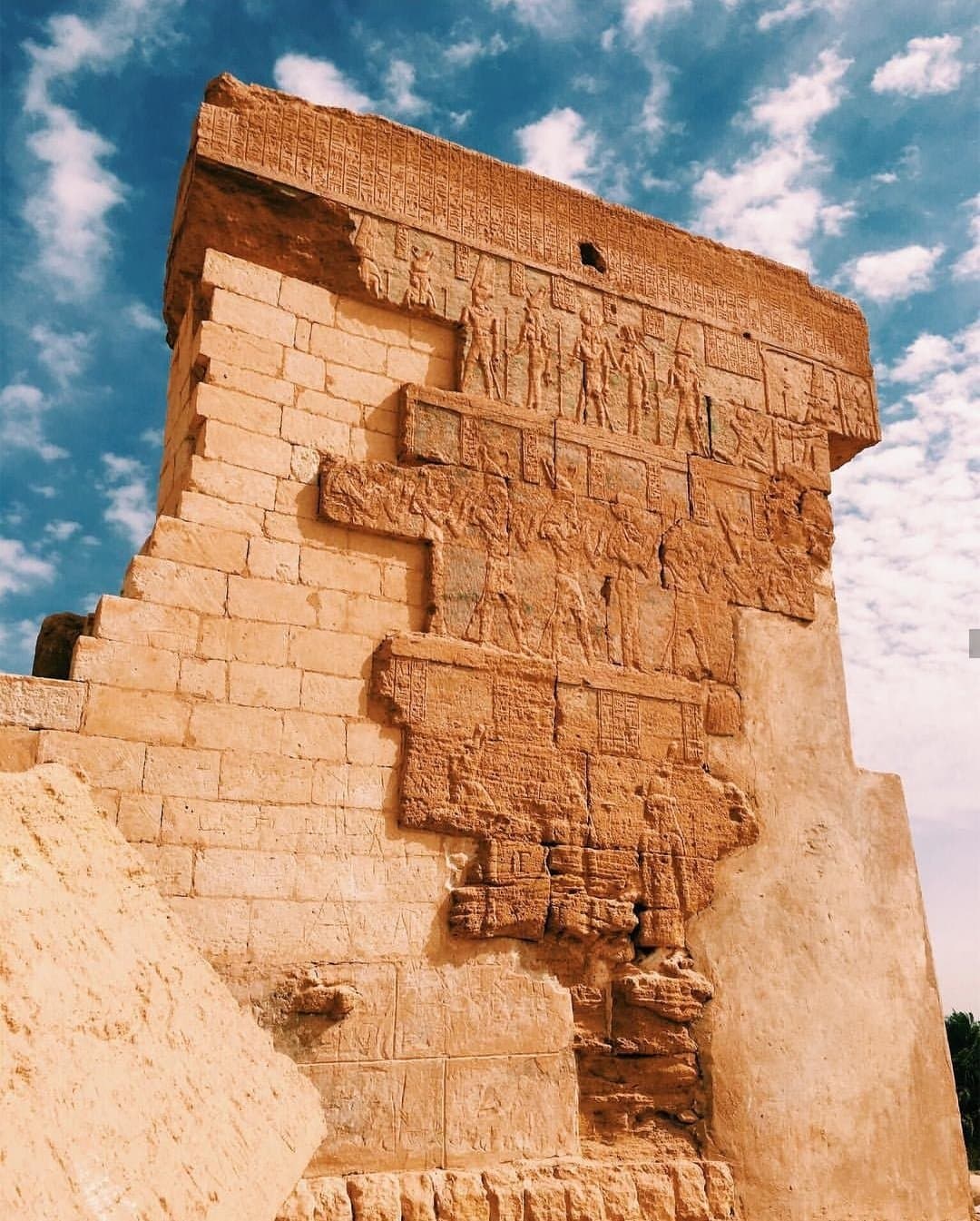 Temple of Umm UbaydaThe remains of Siwa's second temple of Amun, built by King Nectanebo II of the T20 minutes walk
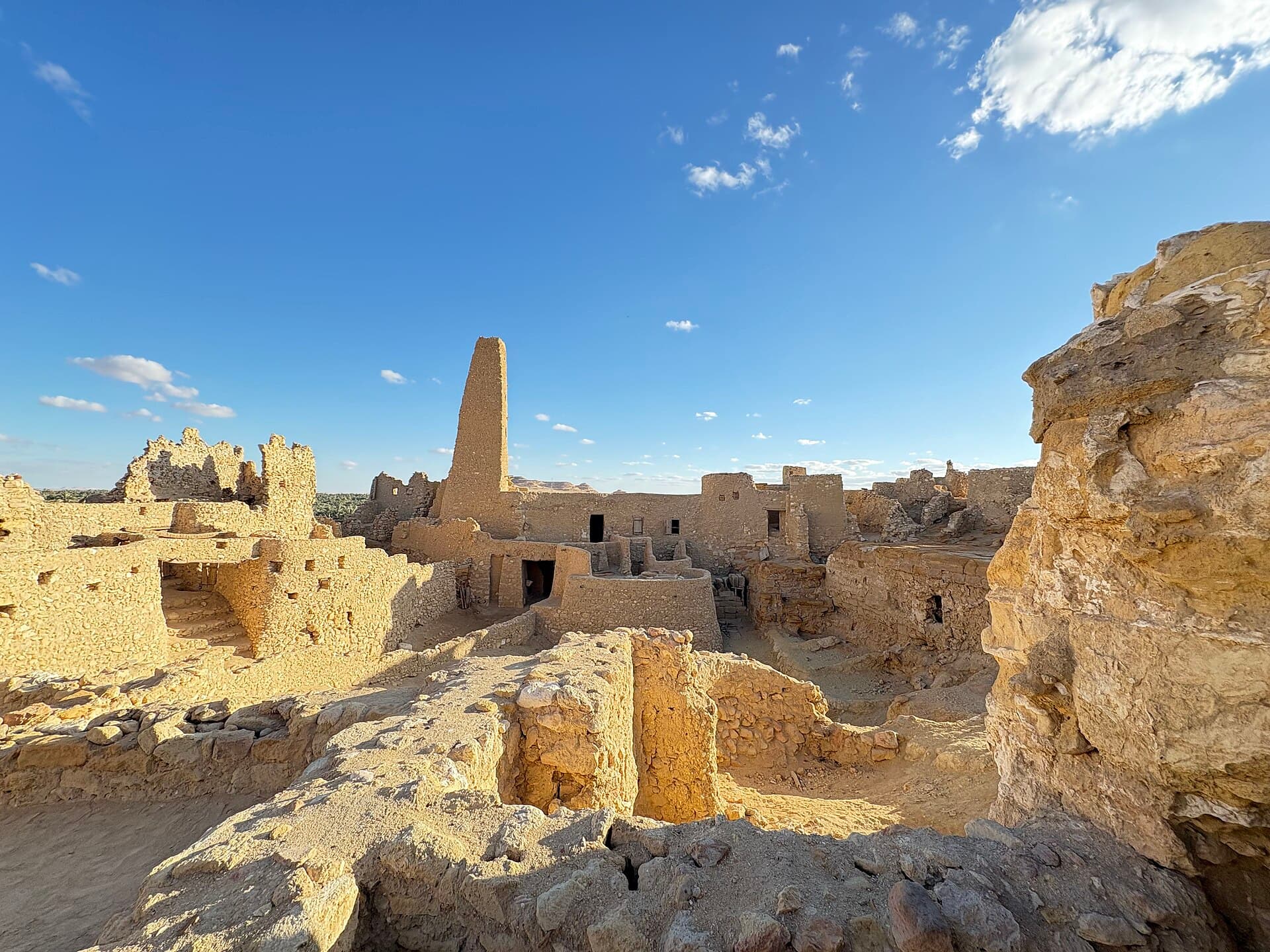 Temple of the Oracle (Temple of Amun)The temple of the god Amun, famed across the ancient world for its oracle, stand25 minutes walk4.6
From July to the end of September; a session lasts 10 to 15 minutes and a course usually three to five days, per visitor guides.