
A listening post, not only a shelter
The hotel rooms were wired, and recorded from below.
Jklamo — CC BY-SA 4.0 · x70tjw — CC BY-SA 2.0 · Ben Skála — CC BY-SA 3.0 · CC BY-SA 4.0
A secret nuclear shelter beneath the Hotel Jalta on Wenceslas Square, opened to visitors after remaining classified into the 1990s. The hotel was built in 1958 at the height of the Cold War, and beneath it — unknown to the guests — a blast-hardened shelter was designed for some two hundred people, reserved for the military and party leadership. It holds communications rooms, an air-filtration system, generators and heavy steel doors. The heavier detail is that the shelter was not only for protection: it was a listening post as well. The hotel's rooms were fitted with microphones, and foreign guests — diplomats, journalists, businessmen — were recorded from below. The equipment is still in place. Visits are by guided tour at set times, and the underground space is narrow and cold. Book ahead, as places are limited.
The hotel rooms were wired, and recorded from below.
Communications, filtration and generators remain as they were left.
Wenceslas Square is directly above, the stage of 1968 and 1989.
Wenceslas Square, beneath the Hotel Jalta
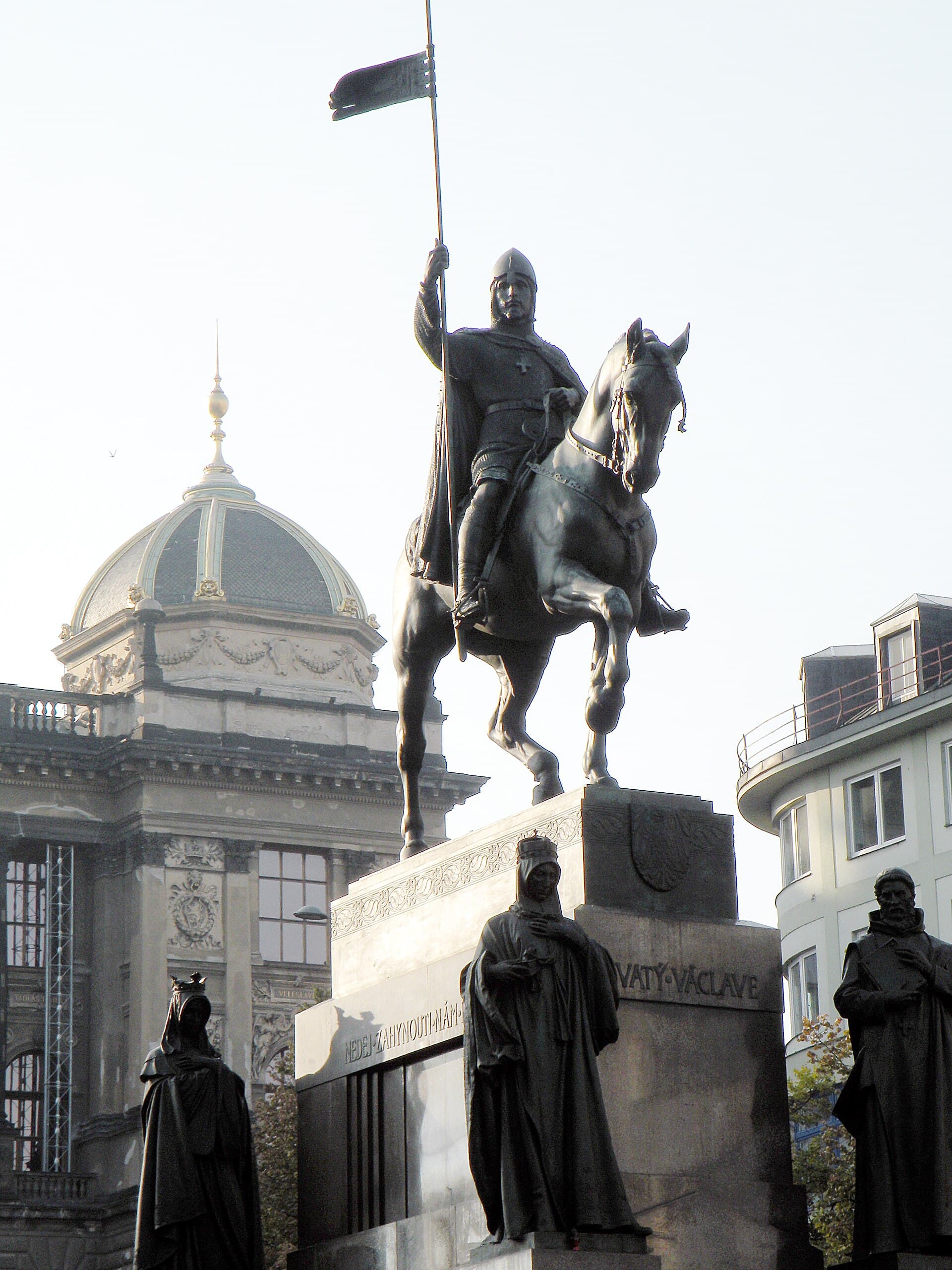 Statue of St. WenceslausAt the head of Wenceslas Square, directly in front of the National Museum, St We2 minutes walk4.8
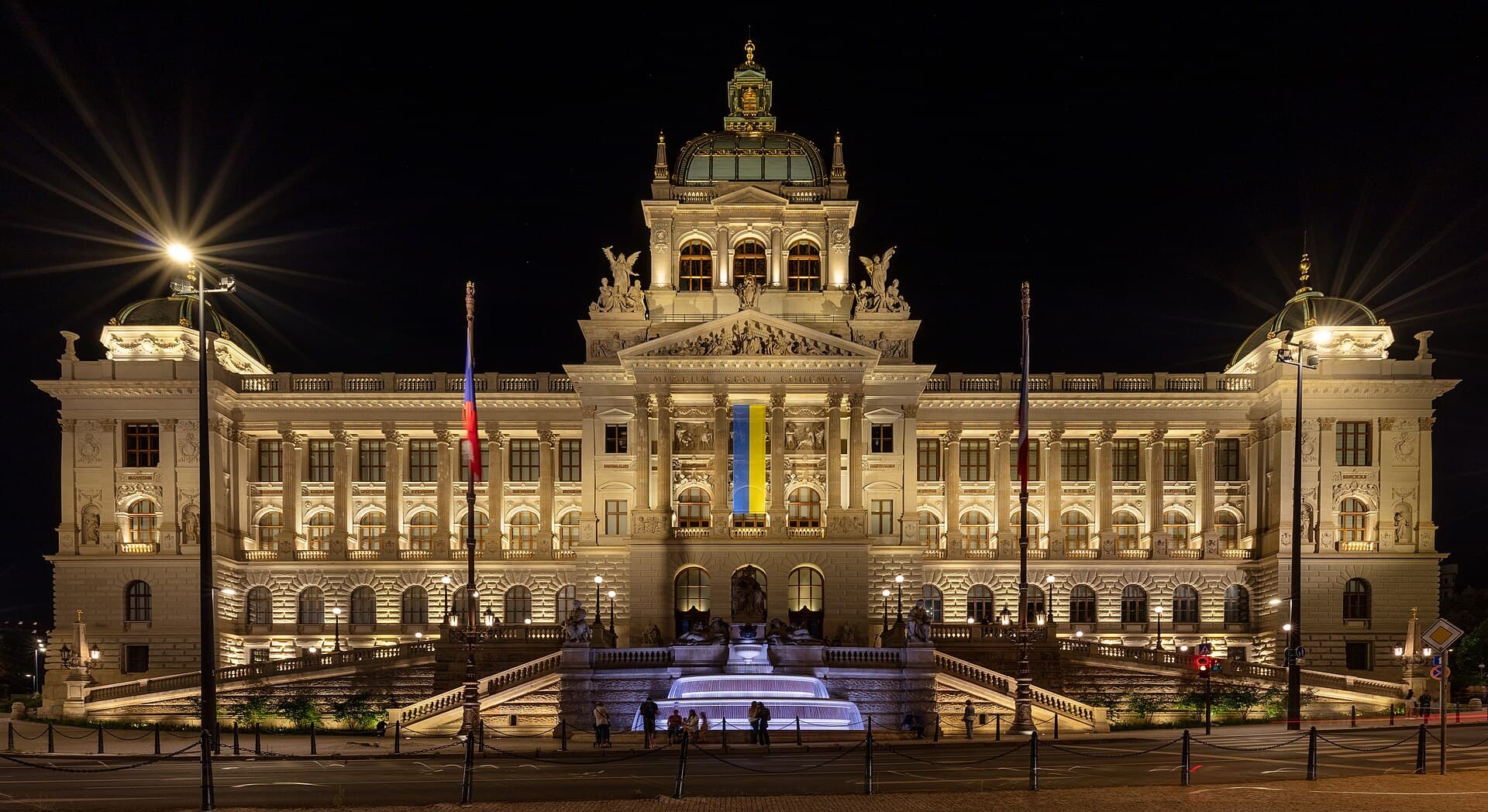 National Museum in PragueThe vast building closing the top of Wenceslas Square is the Czech National Muse3 minutes walk4.5
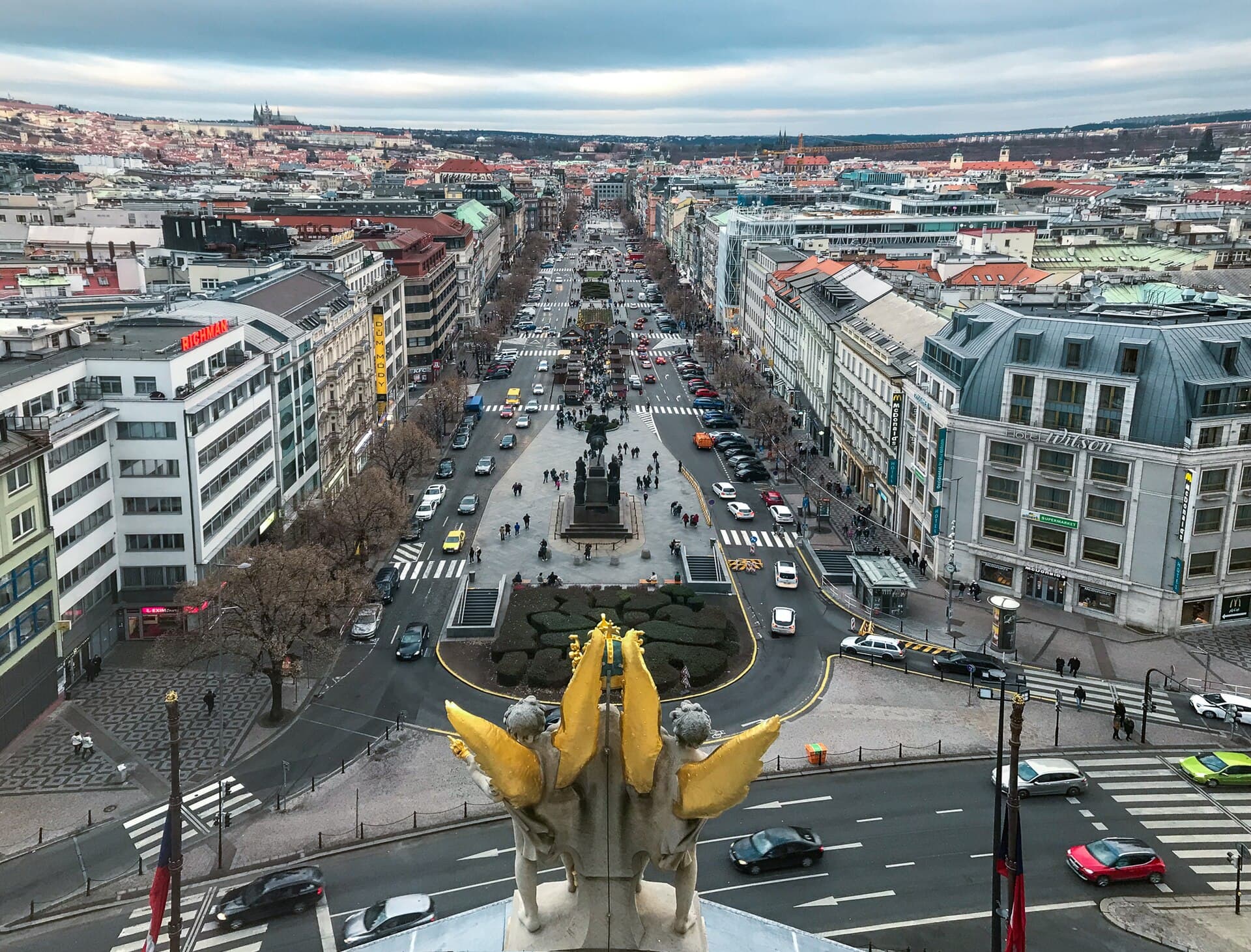 Wenceslas SquareWenceslas Square is not a square in the usual sense but a broad boulevard some 73 minutes walk
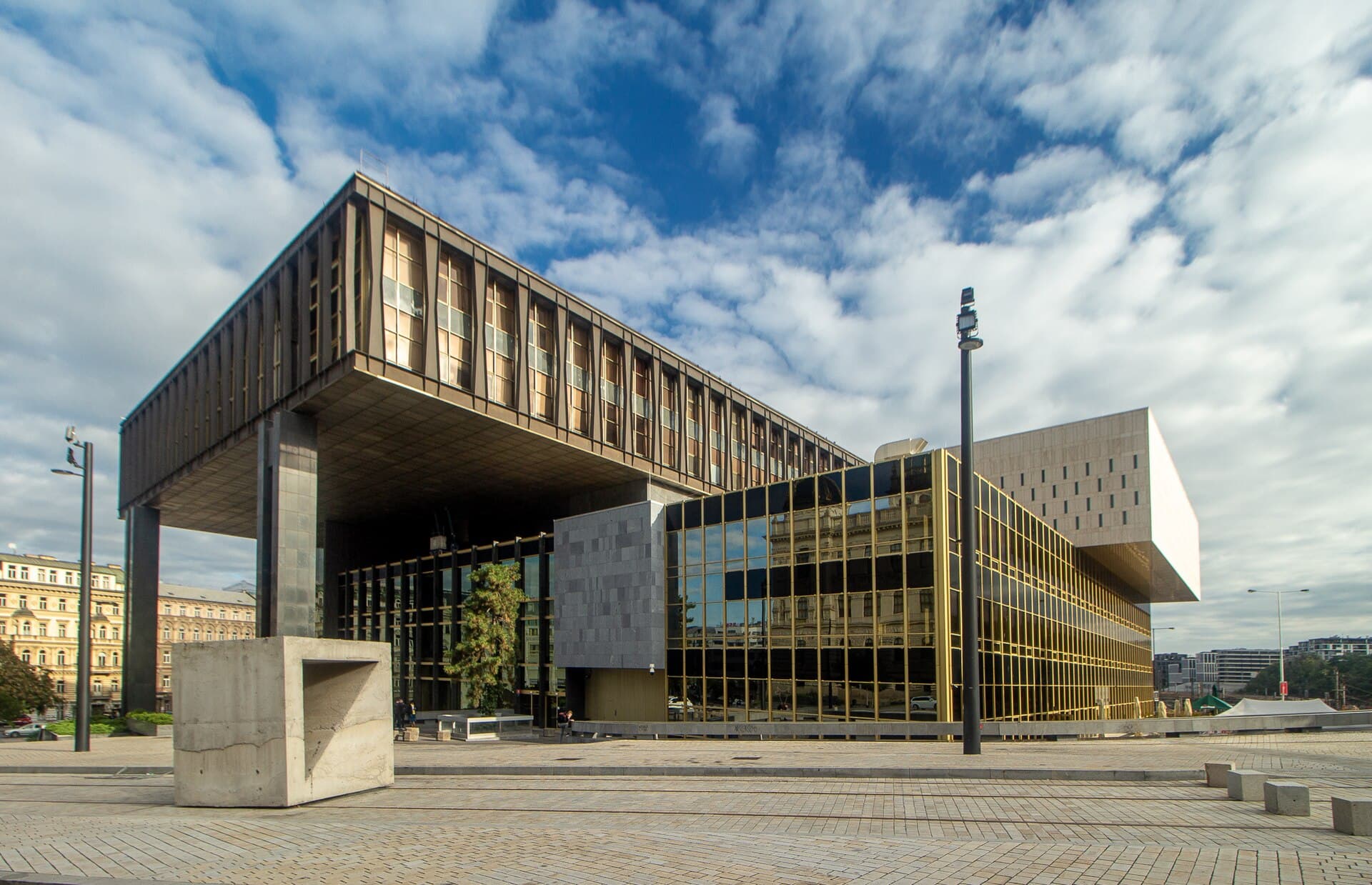 The New Building of the National MuseumThe National Museum's second building in Prague, standing directly beside the hi4 minutes walk4.3
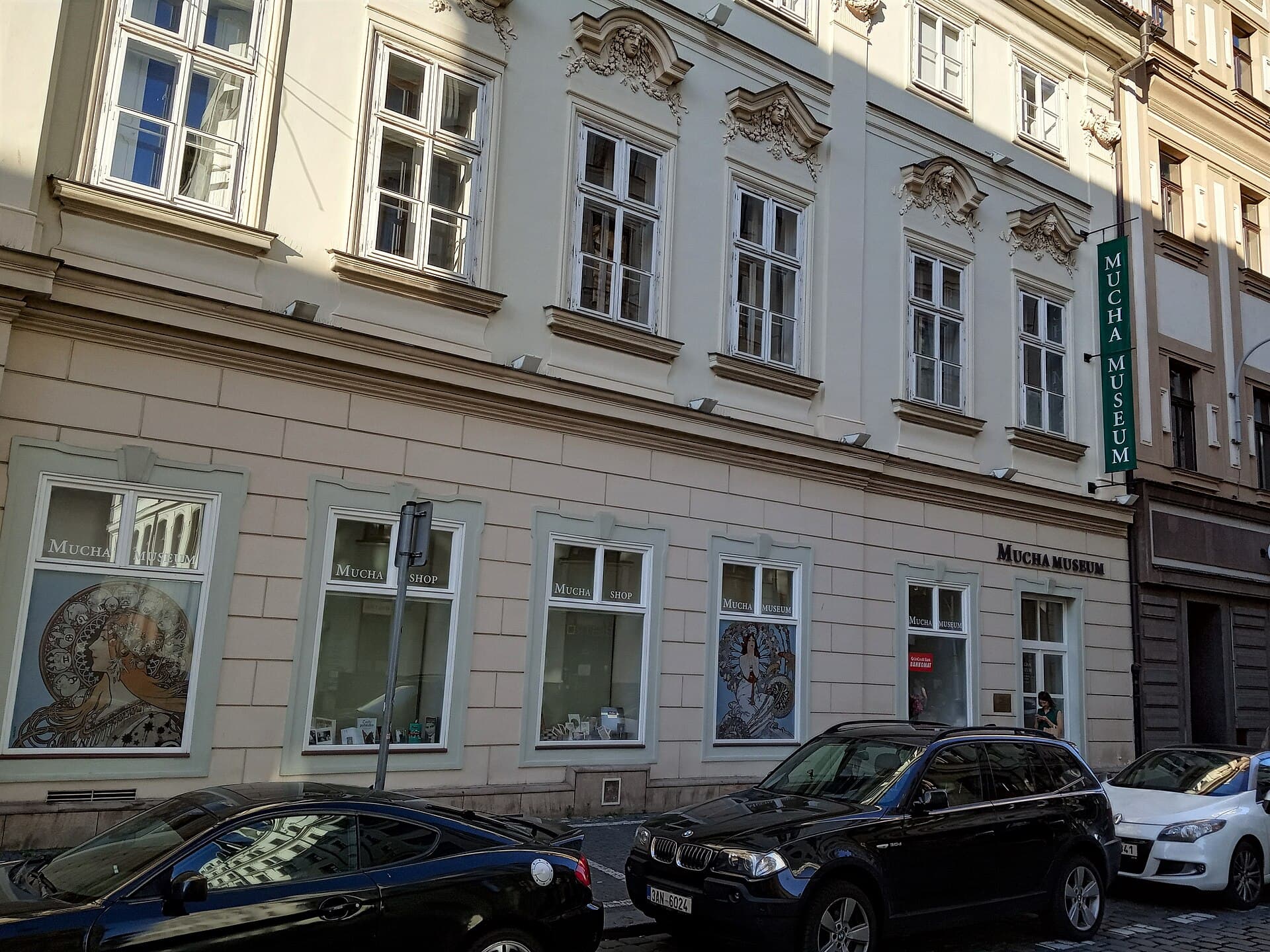 Mucha MuseumAlphonse Mucha is the artist who gave Art Nouveau its visual face, and you have 4 minutes walk4.2
It is the square where Czechoslovaks gathered at their defining moments: protesting the Soviet invasion in 1968, where the student Jan Palach burned himself in 1969 against the surrender that followed, and where hundreds of thousands massed in 1989 in the Velvet Revolution that brought down the regime peacefully. The shelter is directly beneath it.
Probably not. The tour passes through narrow corridors and closed underground rooms behind heavy steel doors, and that is part of the intended effect. Anyone who struggles in enclosed spaces is better avoiding it.