
The St Wenceslas statue
At the head of the square before the National Museum — the Czech national gathering point, with the Palach memorial set into the ground beside it.
VitVit — CC BY-SA 4.0 · VitVit — CC BY-SA 4.0 · Ray Swi-hymn from Sijhih-Taipei, Taiwan — CC BY-SA 2.0 · Ray Swi-hymn from Sijhih-Taipei, Taiwan — CC BY-SA 2.0
Wenceslas Square is not a square in the usual sense but a broad boulevard some 750 metres long, sloping down from the National Museum at the top to the Můstek area at the bottom. It began as the Horse Market in Charles IV's New Town in the 14th century, and was renamed for St Wenceslas in the 19th century as the Czech national movement rose. This is, without argument, the square of modern Czech history. Czechoslovak independence was declared here in 1918; Warsaw Pact tanks came here in 1968 to crush the Prague Spring; the student Jan Palach burned himself in protest here in 1969; and here in 1989 hundreds of thousands stood shaking keys in the air until the communist government fell. Every major event of the Czech 20th century passed through this ground. Today the square is thoroughly commercial: hotels, shops, sausage stands and restaurants. Its façades reward a look — Art Nouveau, functionalism and neo-Baroque side by side — but prices are high, quality is uneven, and the lower end becomes unpleasant at night. Read it as a historical record and a transport hub rather than a place to eat or shop.
At the head of the square before the National Museum — the Czech national gathering point, with the Palach memorial set into the ground beside it.
A covered Art Nouveau arcade off the square, holding David Černý's upside-down horse, a historic cinema and a café.
Art Nouveau, functionalism and neo-Baroque next to each other — a century of Czech architectural history in one street.
Stand at the statue and look down: the whole 750 metres lit — the best night photograph in the New Town.
Václavské náměstí, New Town, Prague 1
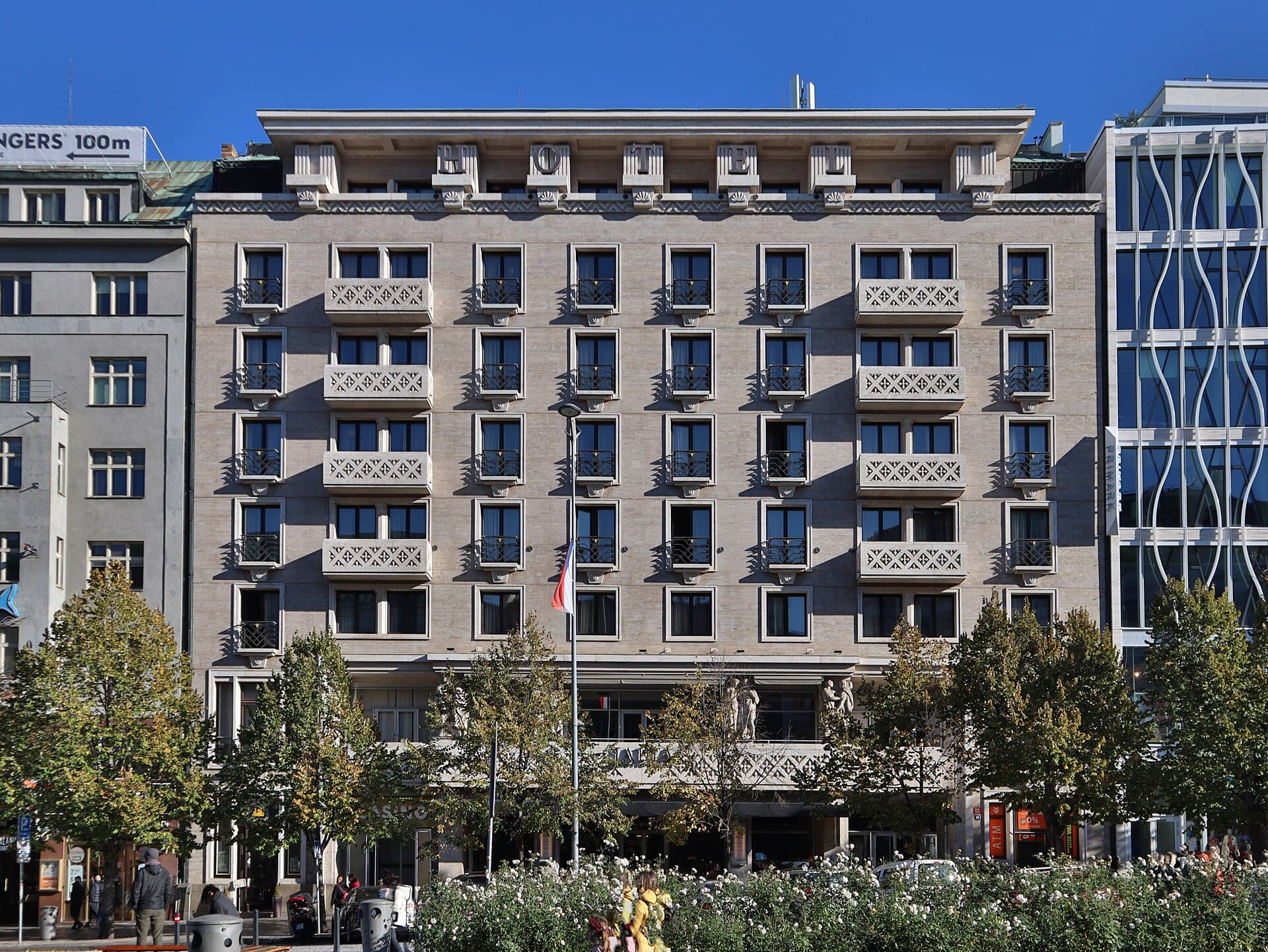 Cold War Museum, Hotel JaltaA secret nuclear shelter beneath the Hotel Jalta on Wenceslas Square, opened to 3 minutes walk4.6
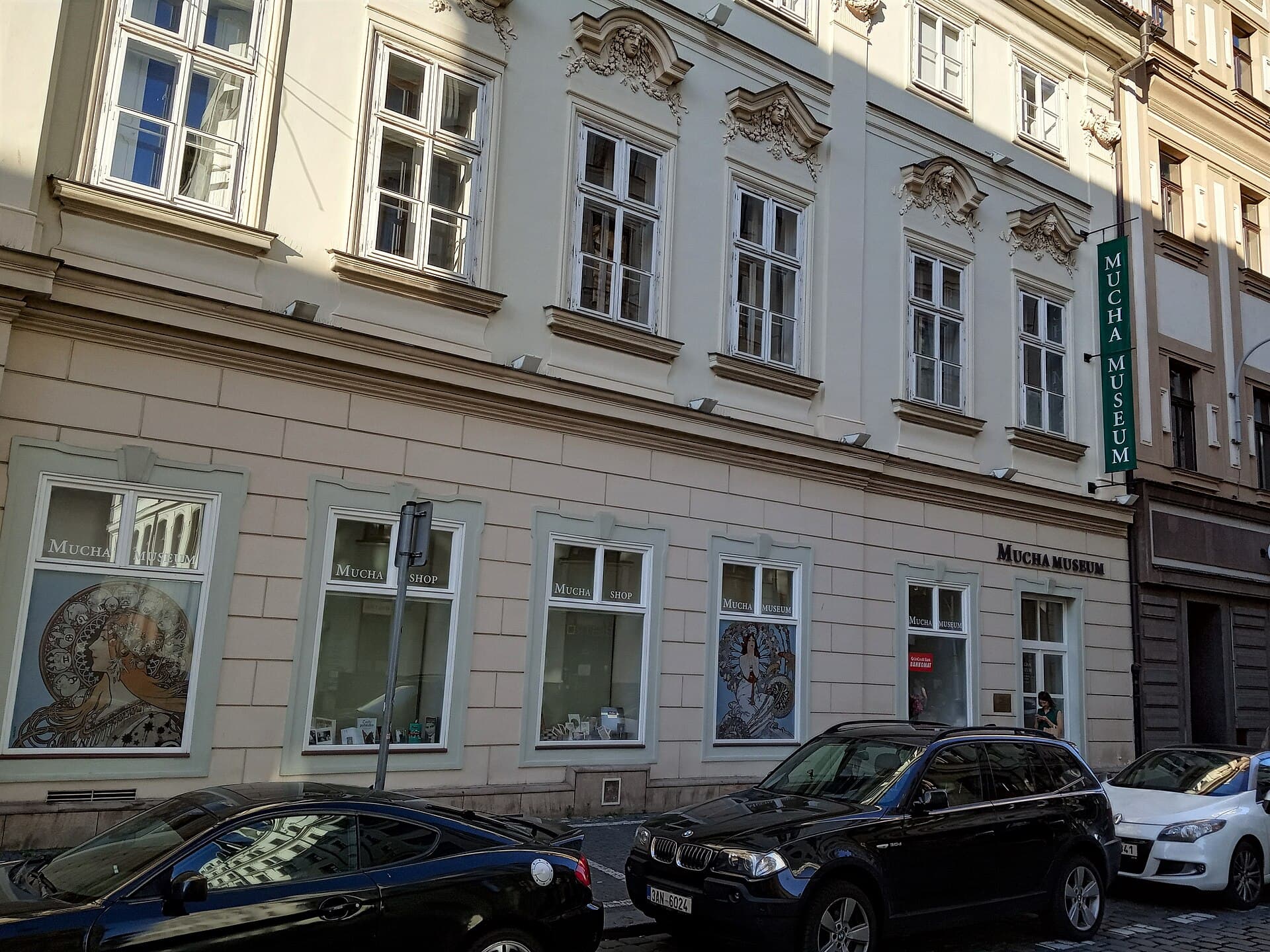 Mucha MuseumAlphonse Mucha is the artist who gave Art Nouveau its visual face, and you have 3 minutes walk4.2
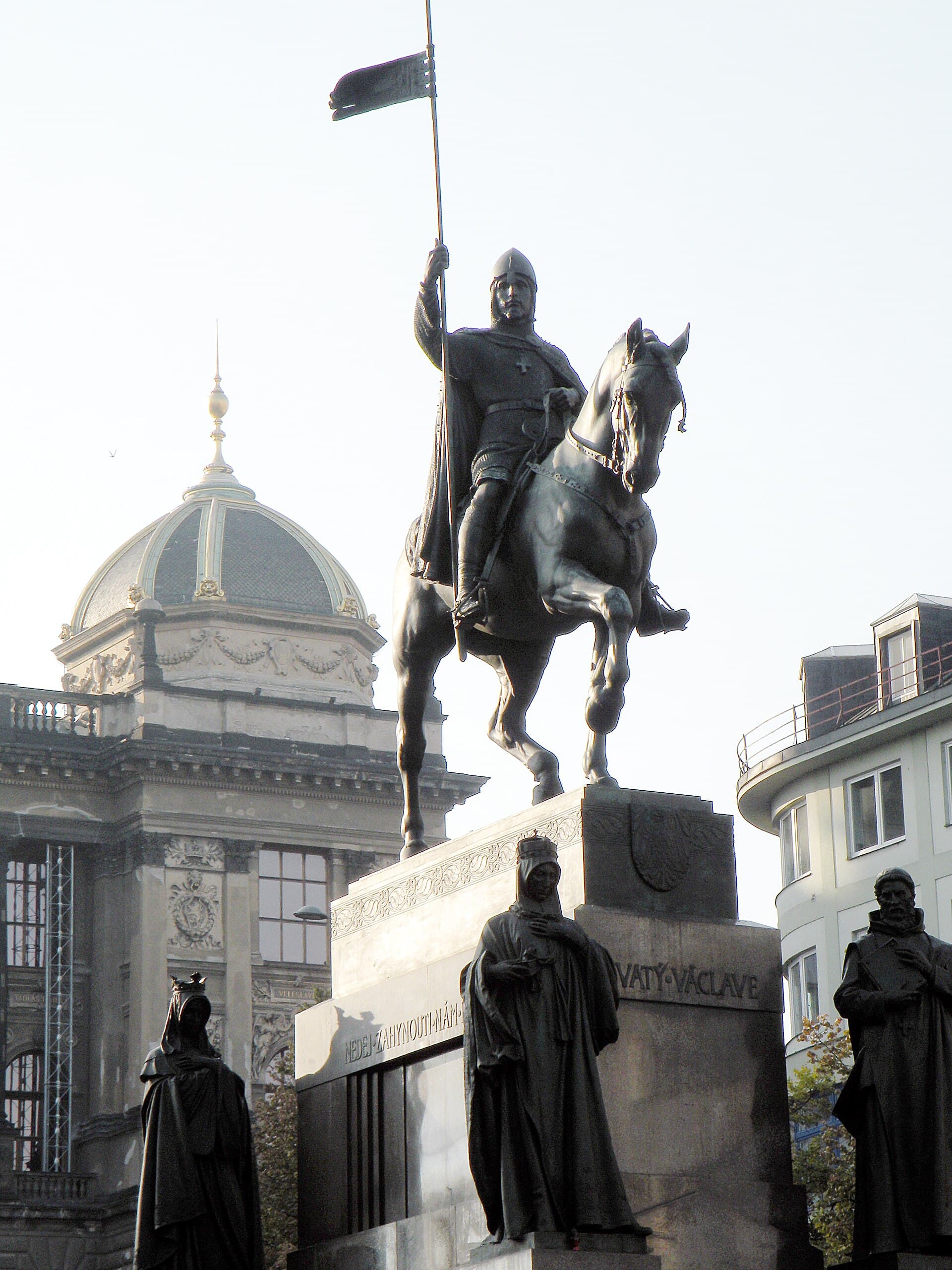 Statue of St. WenceslausAt the head of Wenceslas Square, directly in front of the National Museum, St We5 minutes walk4.8
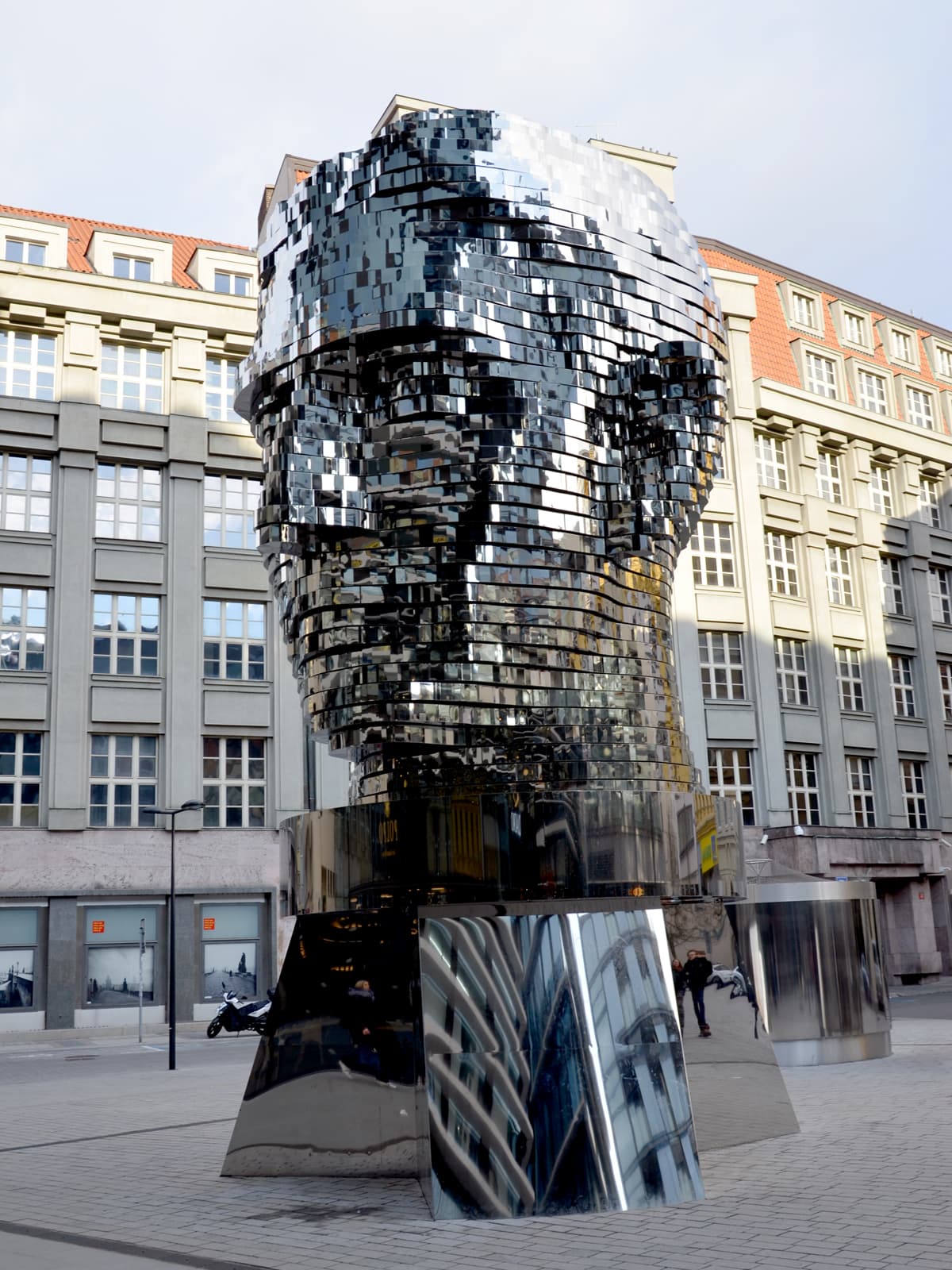 Head of Franz KafkaOn a small plaza outside a shopping centre near Národní třída stands a mirrored 5 minutes walk4.6
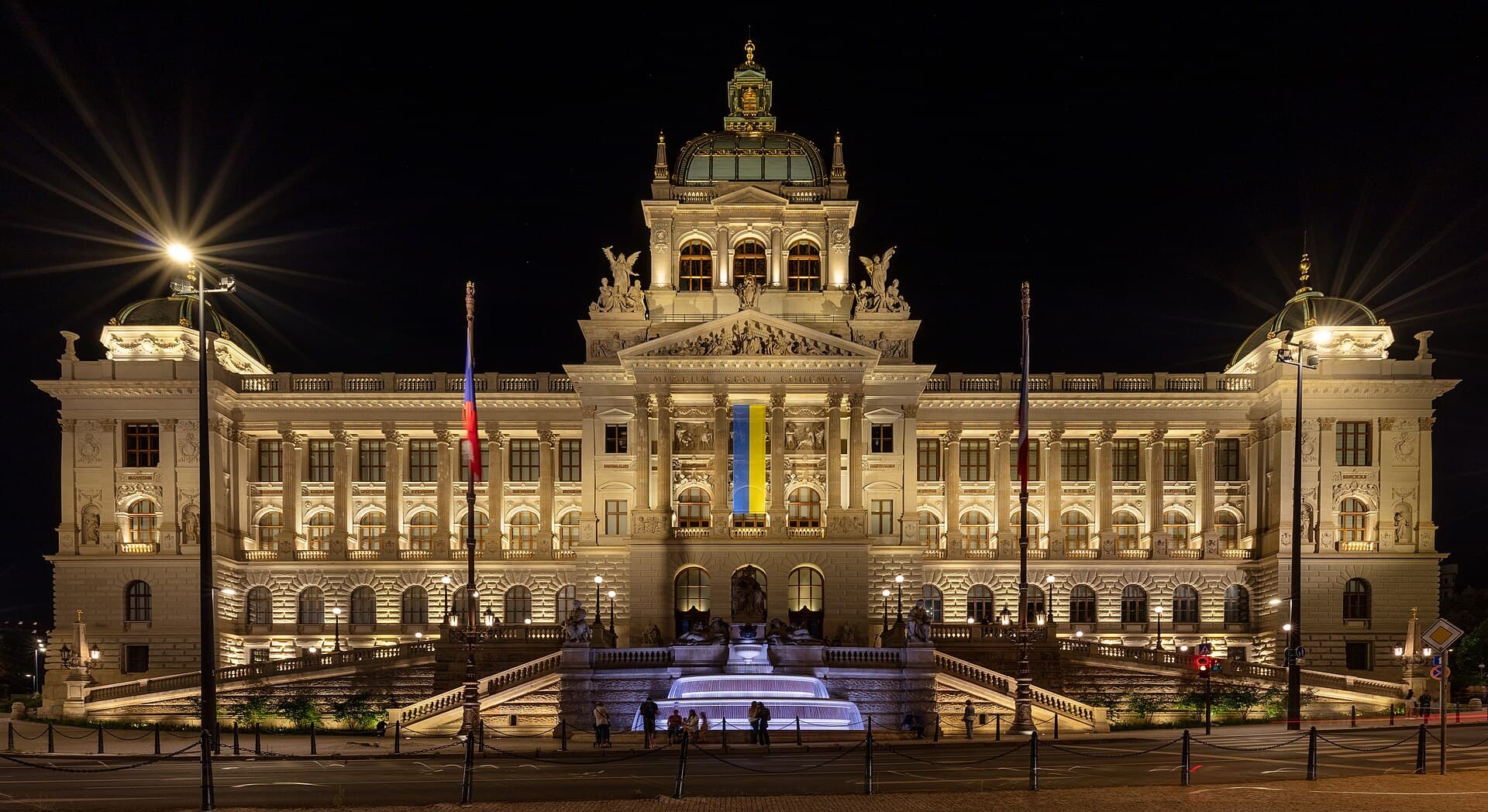 National Museum in PragueThe vast building closing the top of Wenceslas Square is the Czech National Muse5 minutes walk4.5
Worth it as a historical site: every event of the Czech 20th century passed through here, and knowing that changes what you see. But do not expect the beauty of the Old Town Square — this is a political square rather than a sightseeing one, and half an hour is enough.
During the November 1989 demonstrations the crowd shook their keys in the air, making a collective ringing — a symbol of ringing the bells on the regime and of unlocking doors. The sound of keys became the icon of the Velvet Revolution, and is repeated at its anniversary each year.
Move a street or two off the square towards Vodičkova, Jindřišská or the streets behind the museum: prices drop and quality rises. Several Middle Eastern and Turkish halal restaurants operate in this area — check the halal certificate at the door.
By day it is entirely safe and busy. At night the upper end is fine, while the lower end and side streets fill with bars and can bring hassle or attempted scams. Stay on the lit main axis.