
The grand staircase and dome
Marble, balustrades and flights rising to a glass dome — one of Prague's finest interiors, worth the entry on its own.
Diego Delso — CC BY-SA 4.0 · VitVit — CC BY-SA 4.0 · Szombat78 — CC0 · Jáchym H. — CC BY-SA 4.0
The vast building closing the top of Wenceslas Square is the Czech National Museum, opened in 1891 as an architectural statement about the identity of a nation still under Austrian rule: a high dome, an enormous marble staircase, and a Pantheon hall lined with statues of great Czechs. It was shut for years of restoration, reopening after roughly seven years of work — so it is now cleaner and clearer than a whole generation ever knew it. The collections are encyclopaedic: natural history with huge skeletons, fossils and minerals; anthropology; and Czech history from prehistory to the 20th century. Children head straight for the animal halls and the suspended whale; adults find in the historical section a clear account of how the Czech state came together. The building itself is half the experience: stand in the middle of the main staircase and look up into the glass dome. On the outside façade, look for the patched-over damage from 1968, when Warsaw Pact troops fired on it believing it to be a government building. The adjoining New Building is linked by an underground tunnel and is usually covered by the same ticket.
Marble, balustrades and flights rising to a glass dome — one of Prague's finest interiors, worth the entry on its own.
Under the dome, statues and busts of the great Czech scientists, artists and politicians — the museum's symbolic heart.
Huge skeletons and a remarkable mineral collection — the section that holds children first.
Lighter stone patches where bullets struck the building during the invasion — history left legible in the wall.
Václavské náměstí 68, Prague 1
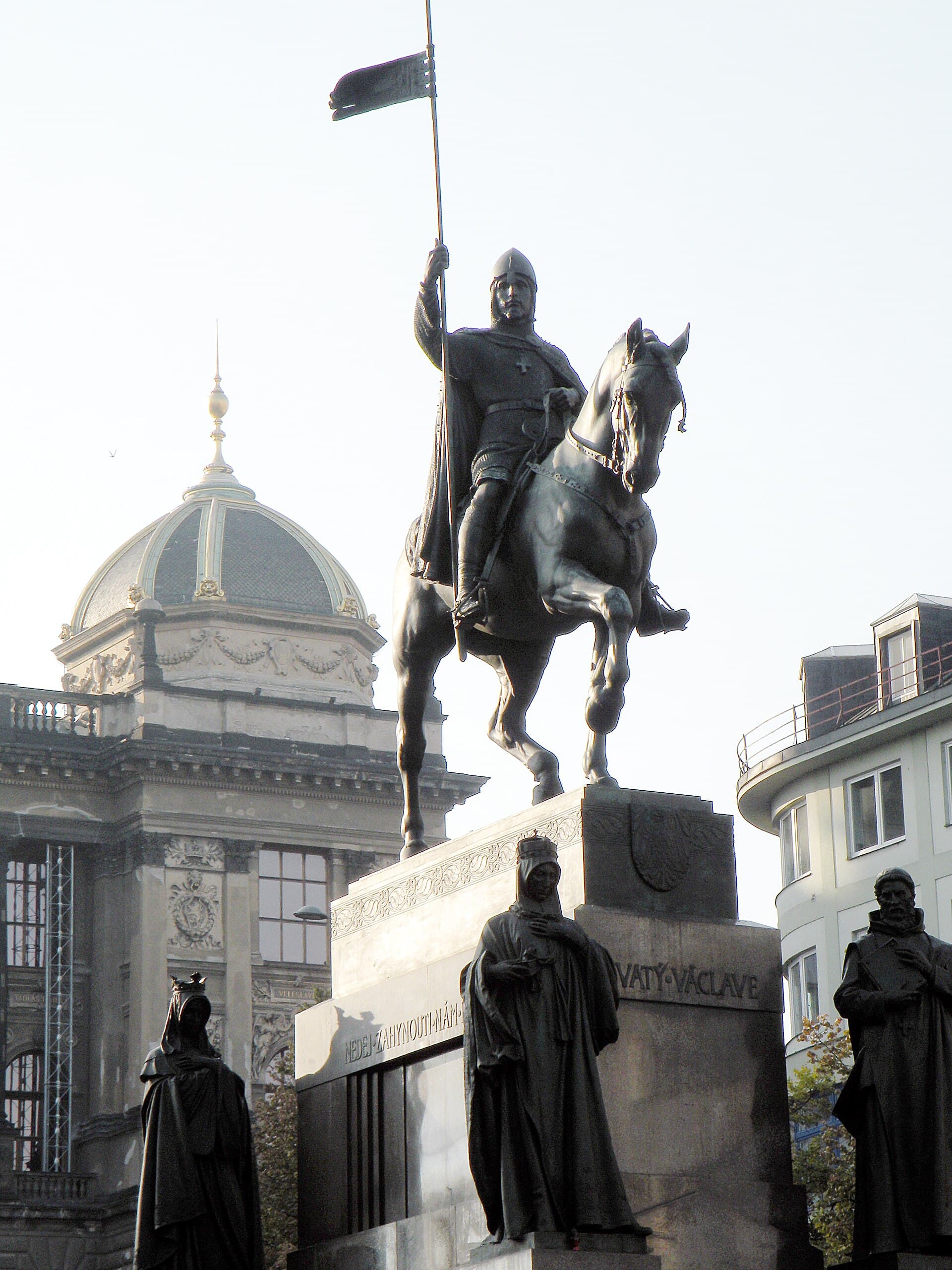 Statue of St. WenceslausAt the head of Wenceslas Square, directly in front of the National Museum, St We1 minute walk4.8
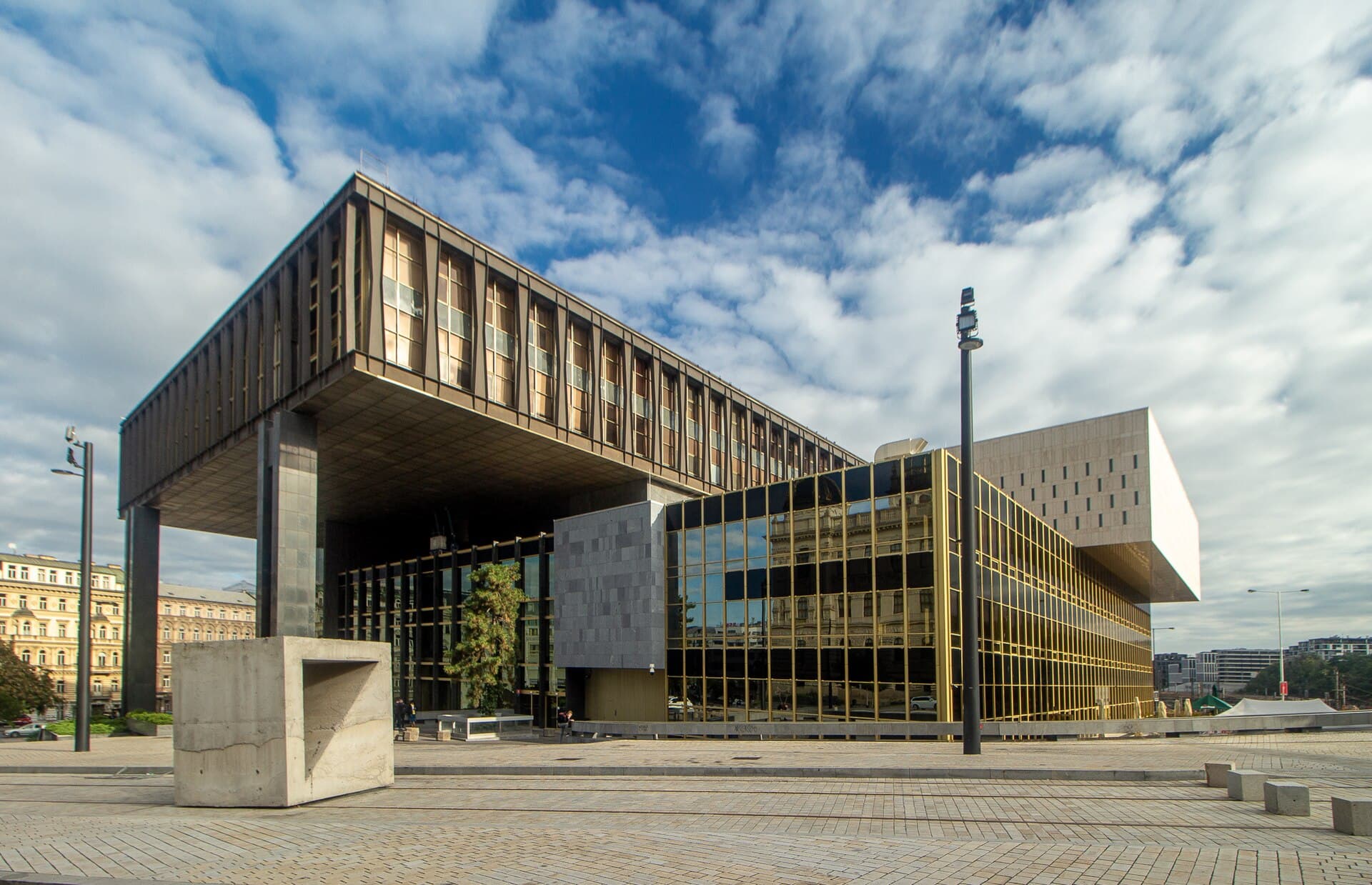 The New Building of the National MuseumThe National Museum's second building in Prague, standing directly beside the hi2 minutes walk4.3
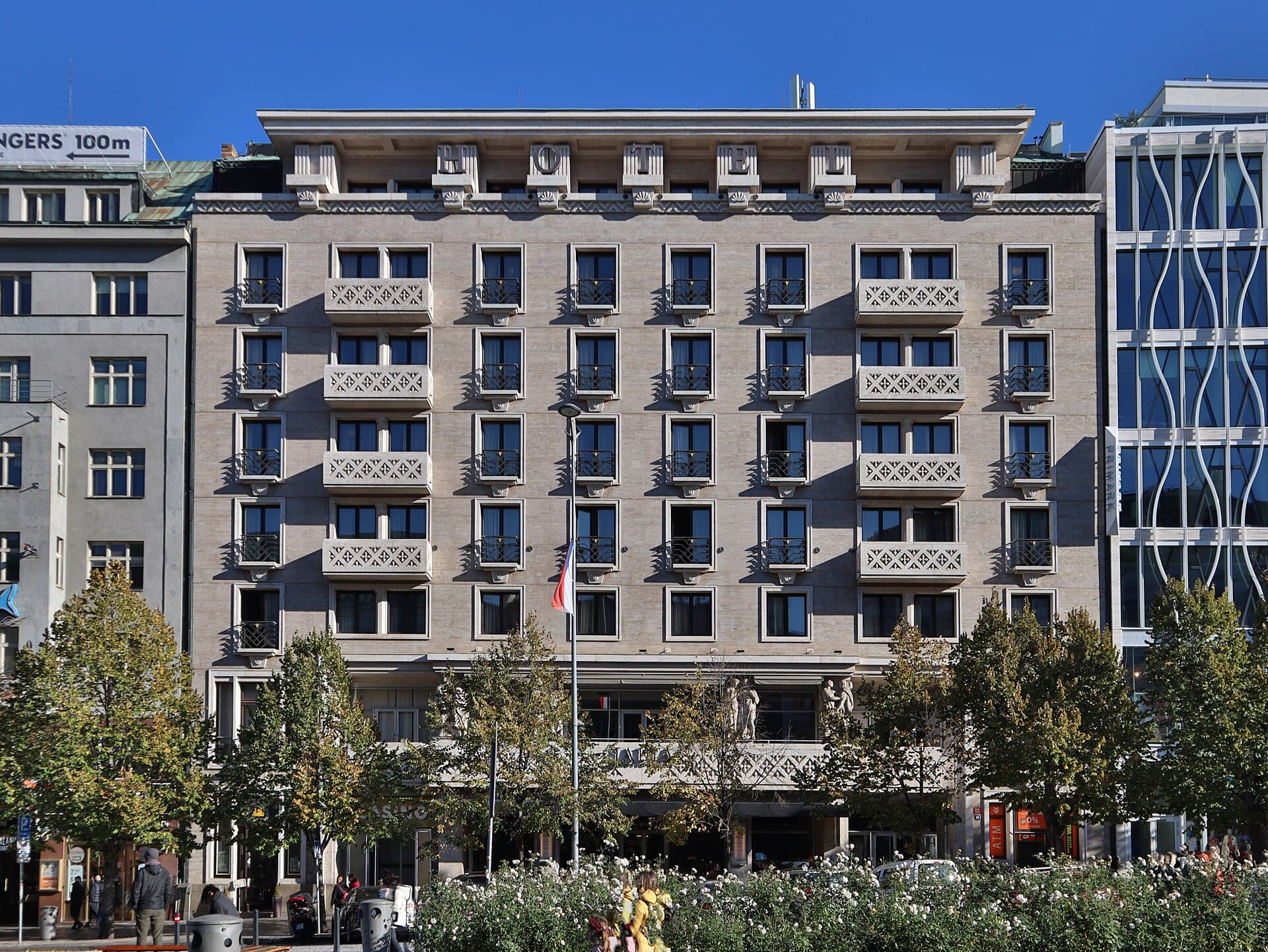 Cold War Museum, Hotel JaltaA secret nuclear shelter beneath the Hotel Jalta on Wenceslas Square, opened to 3 minutes walk4.6
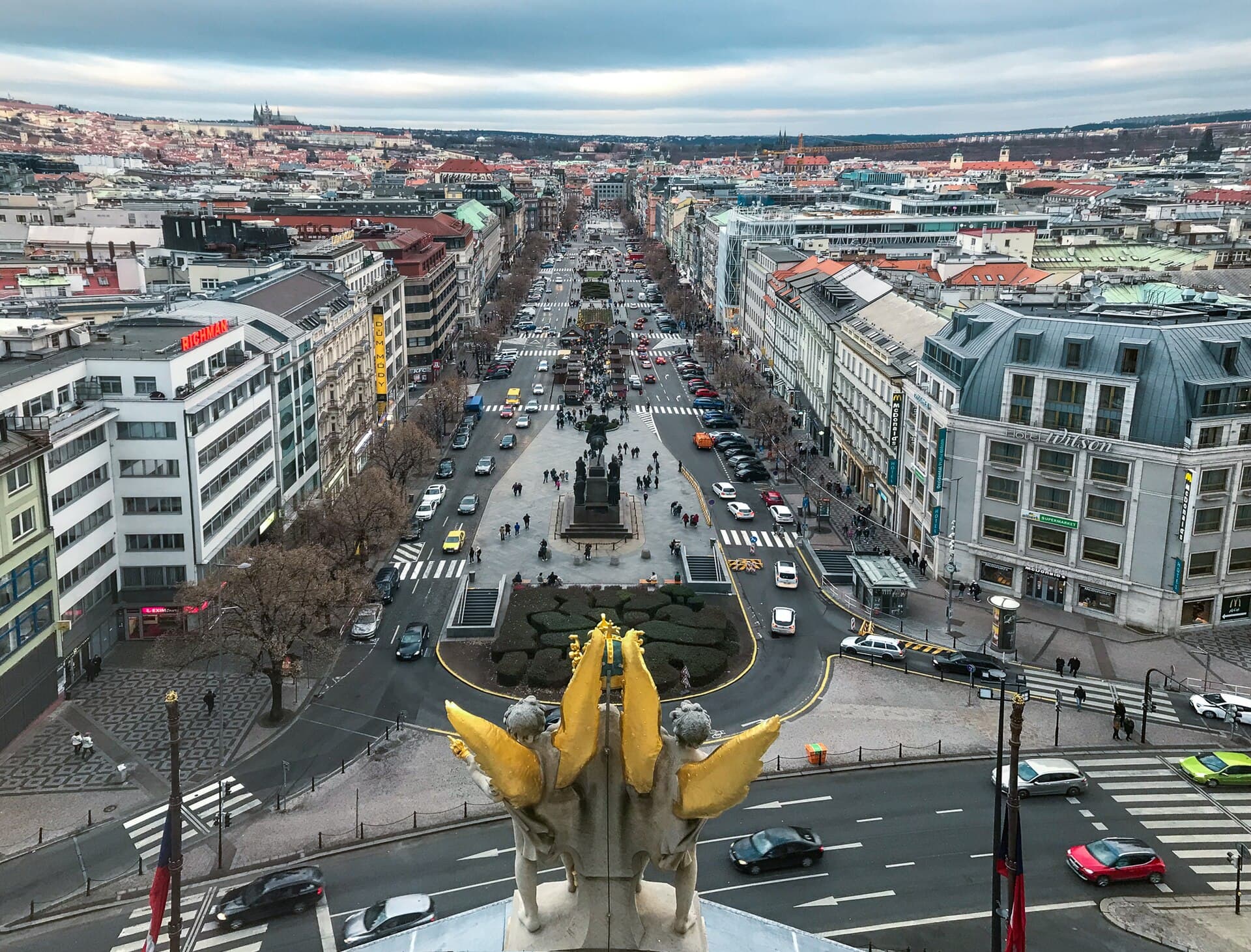 Wenceslas SquareWenceslas Square is not a square in the usual sense but a broad boulevard some 75 minutes walk
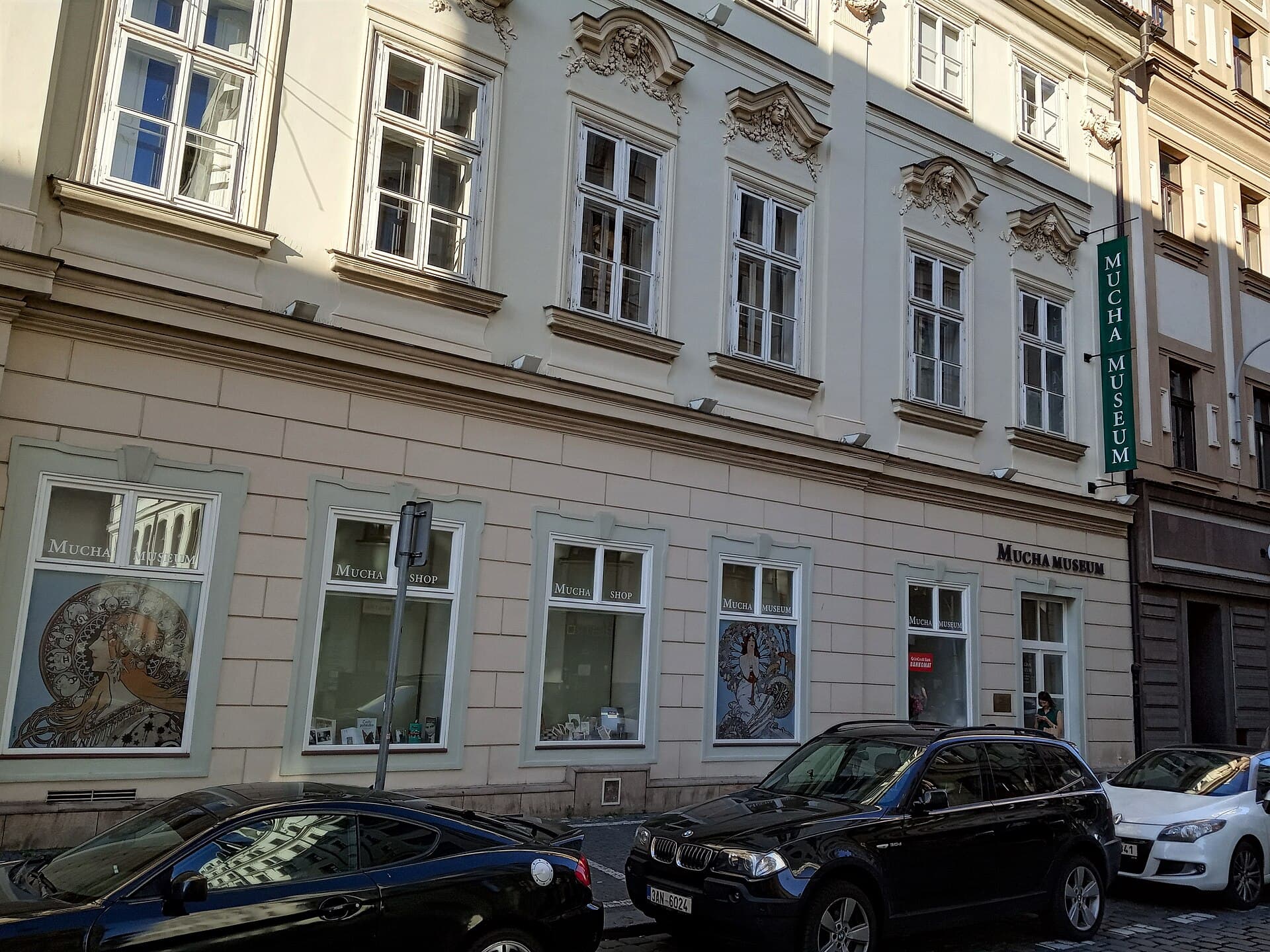 Mucha MuseumAlphonse Mucha is the artist who gave Art Nouveau its visual face, and you have 7 minutes walk4.2
The main displays are captioned in Czech and English, with some sub-sections in Czech only. There is no Arabic signage, but the museum leans heavily on visual display, so the visit works regardless.
The historic one is the domed building with the permanent collections; the New Building next door — once the federal parliament, later Radio Free Europe — hosts temporary exhibitions. An underground tunnel links them, and a combined ticket covers both.
Yes, especially the animal, fossil and mineral halls. There are lifts, a café and places to sit. Budget two hours with children rather than more — the collections are large and tire small legs.
From the middle of Wenceslas Square looking up from the Můstek end: the museum fills the whole head of the square. At night it is fully lit and the picture is stronger still.