
Collecting as politics
Preserving material evidence of a state erased from the map.
Marcin Zieliński — CC BY 2.5 · Pudelek — CC BY-SA 3.0 pl · Scotch Mist — CC BY-SA 4.0 · Scotch Mist — CC BY-SA 4.0
A museum of coins and medals in a nineteenth-century villa in Kraków, built around the collection of Count Emeryk Hutten-Czapski, among the most important numismatic collections in central Europe. Czapski gathered more than a hundred thousand coins, medals and orders covering Polish history from the Middle Ages to the nineteenth century. He built the villa specifically to house them and moved the collection there from Lithuania in 1894, after which his heirs gave it to Kraków. The collection's value goes beyond a hobby: Poland did not then exist on the map — partitioned between Russia, Prussia and Austria since 1795. Collecting old Polish coinage was a political act: preserving physical evidence of a state that had been abolished. This explains why nineteenth-century Polish nobles took to collecting and to museums so intensively. The museum also holds the count's library and rare books. Small, quiet and rarely crowded.
Preserving material evidence of a state erased from the map.
Not a converted house but a building designed for it.
Rare books alongside the coins.
Piłsudskiego street, central Kraków
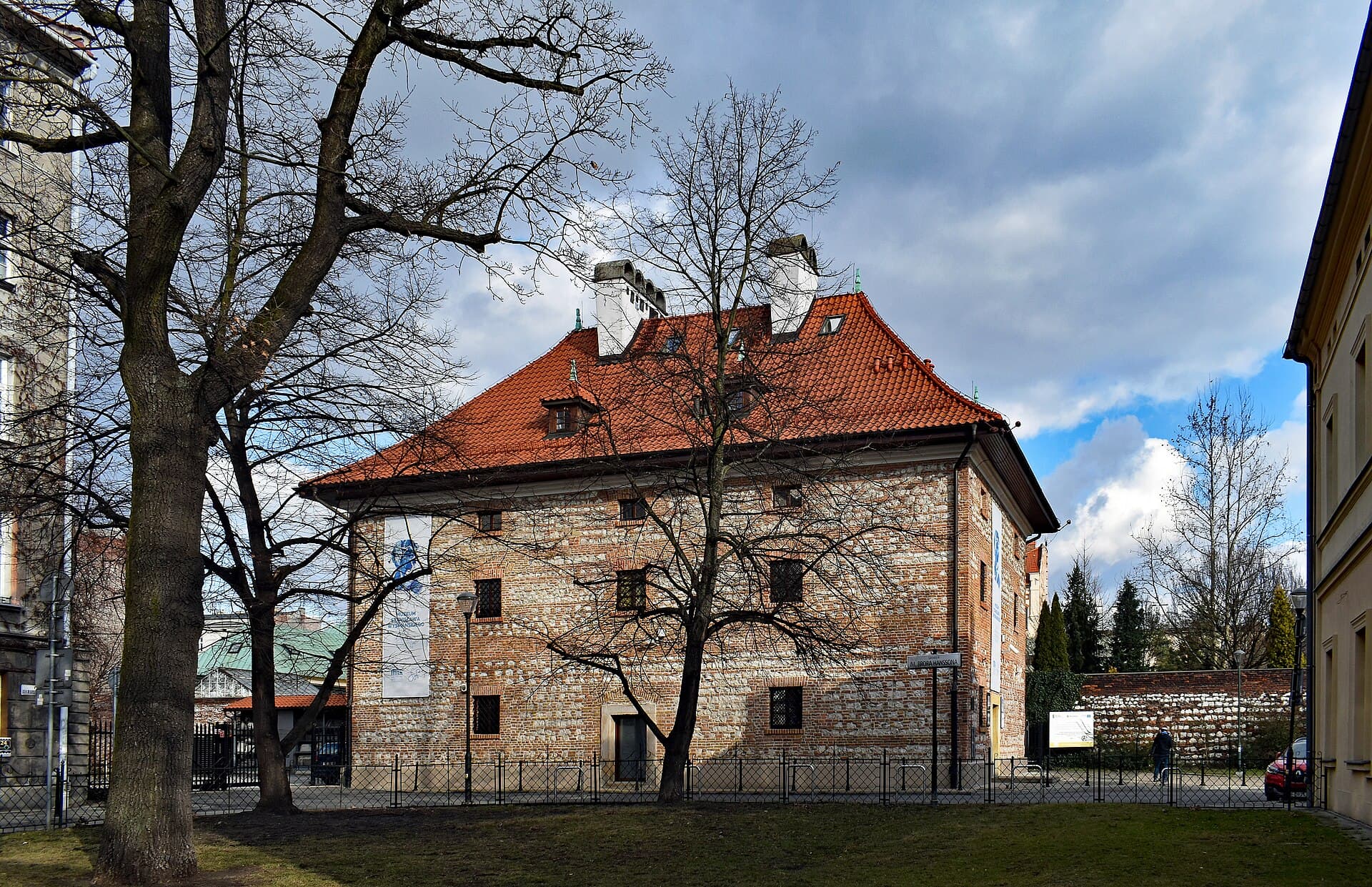 Stanisław Wyspiański MuseumA museum devoted to Stanisław Wyspiański, a branch of the National Museum in Kra2 minutes walk4.4
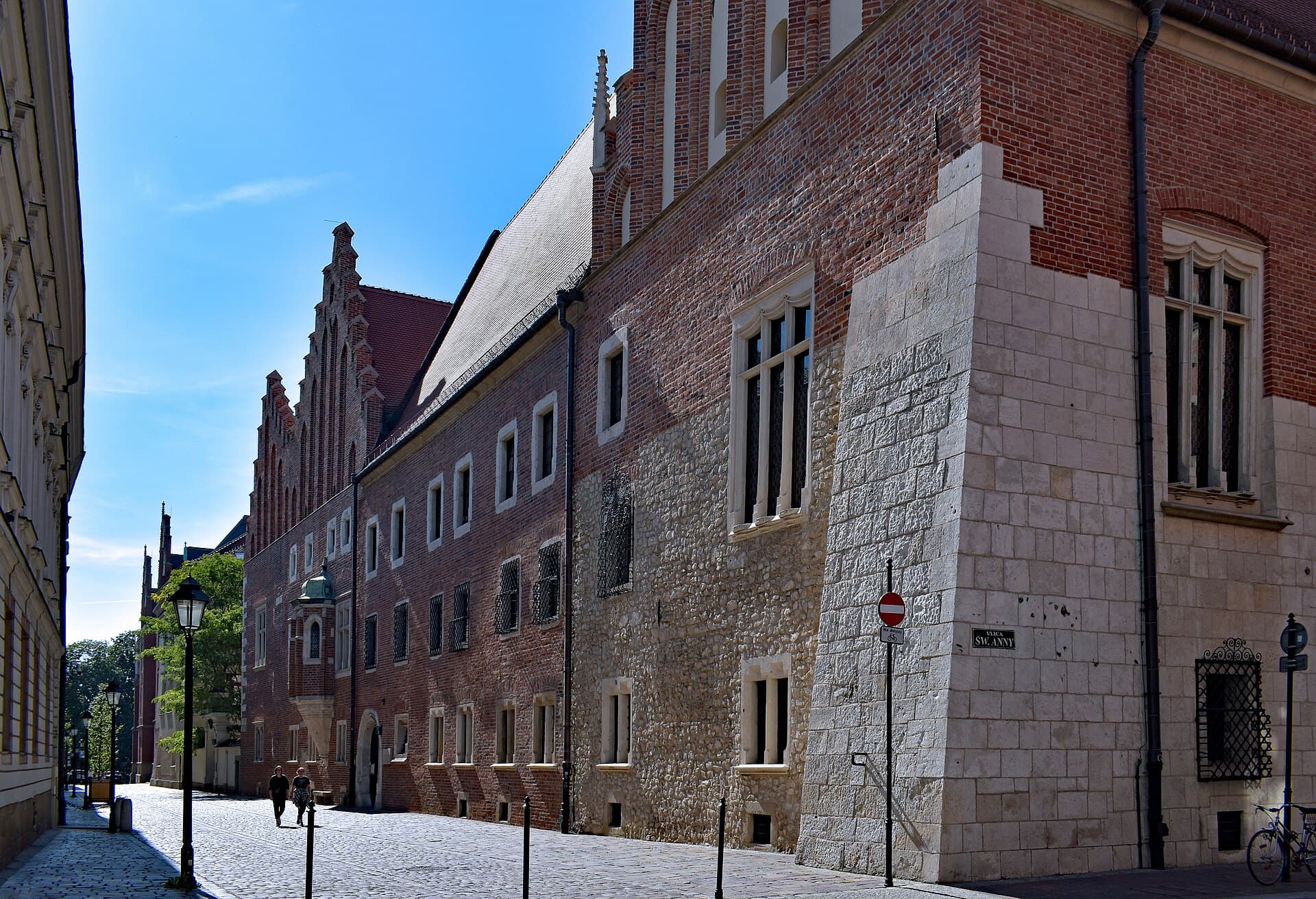 Collegium MaiusThe oldest building of the Jagiellonian University, the second oldest university4 minutes walk4.6
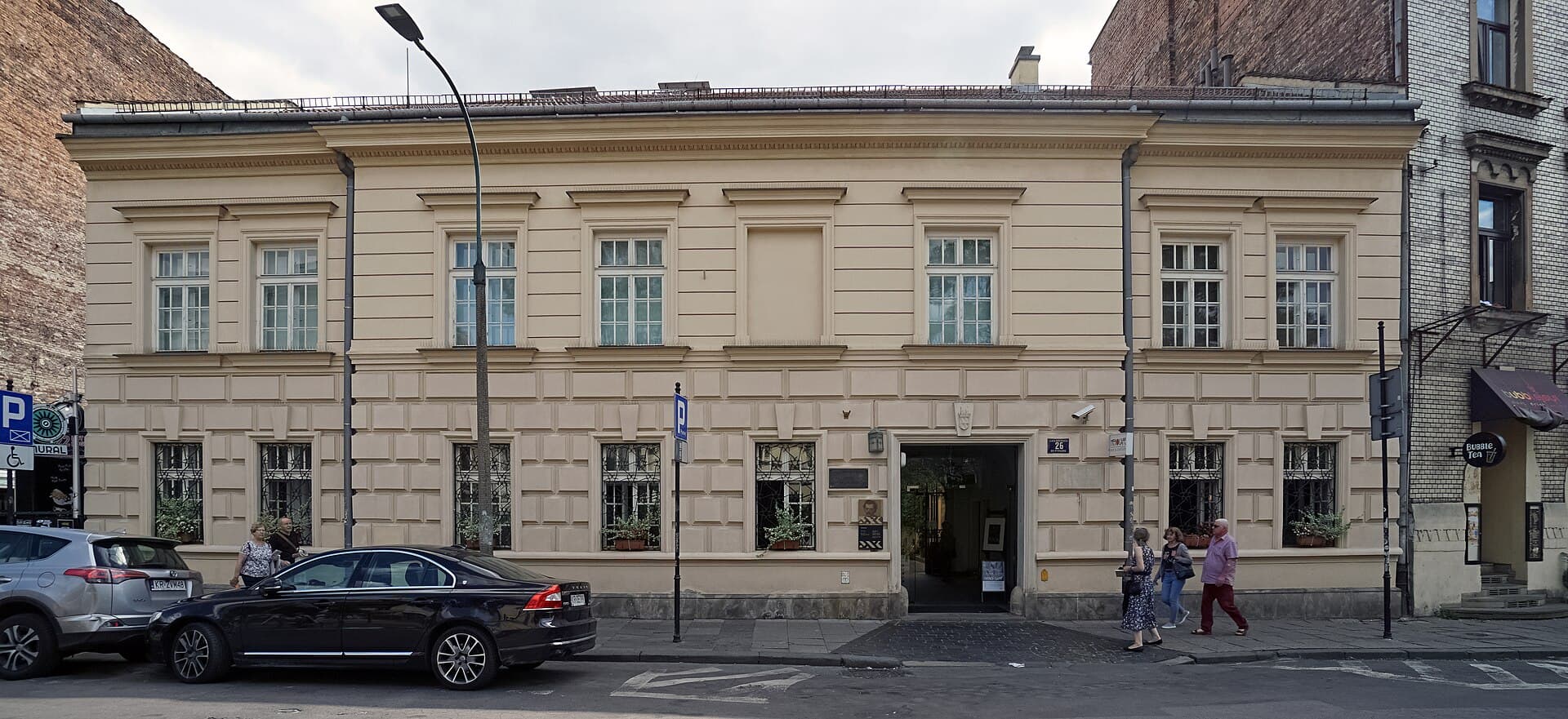 Józef Mehoffer HouseThe house of the painter Józef Mehoffer on Krupnicza street, kept by his heirs w5 minutes walk4.7
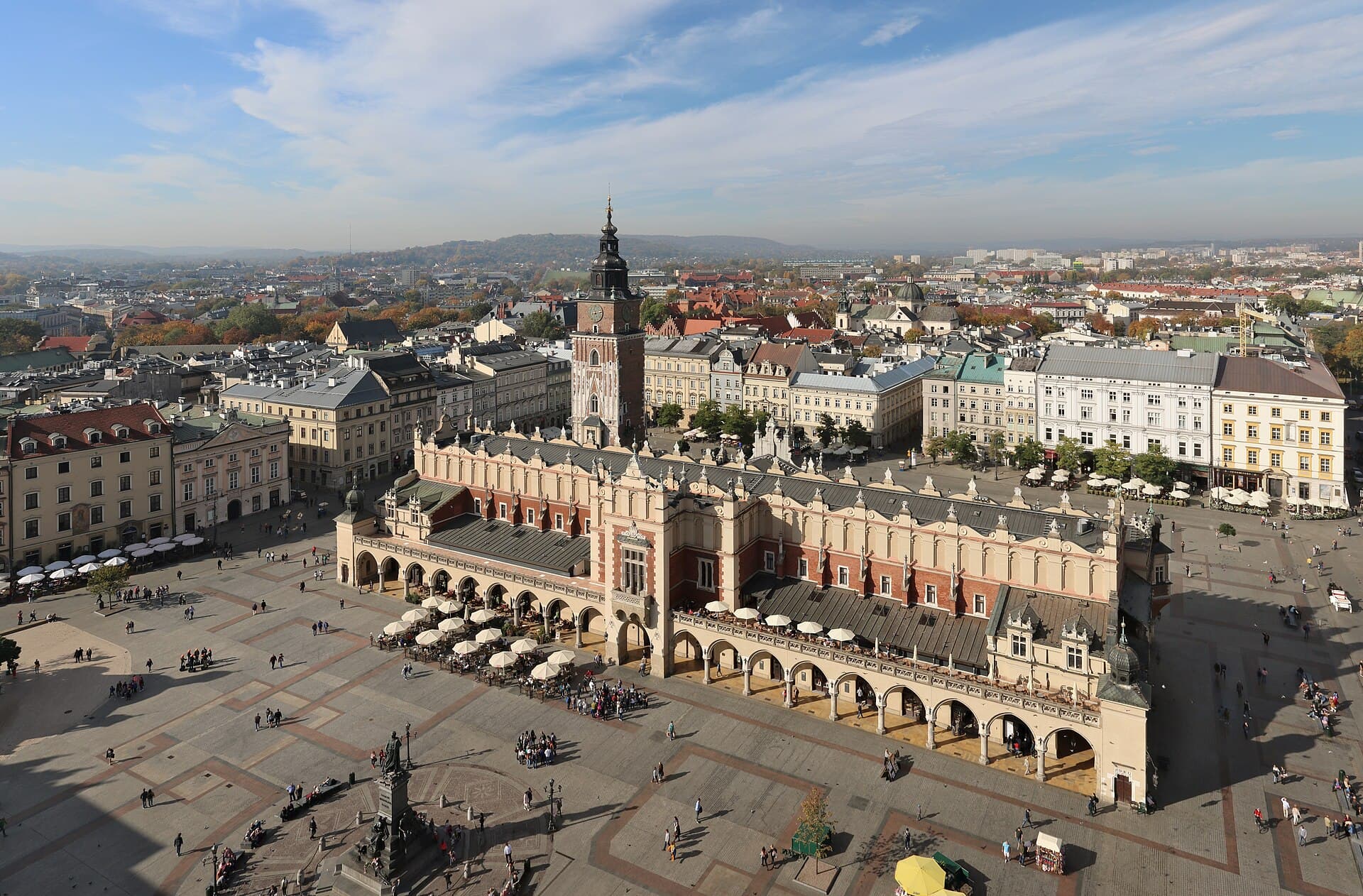 The Main Square (Rynek Główny)The Rynek is medieval Europe's greatest square: two hundred metres by the same, 7 minutes walk4.7
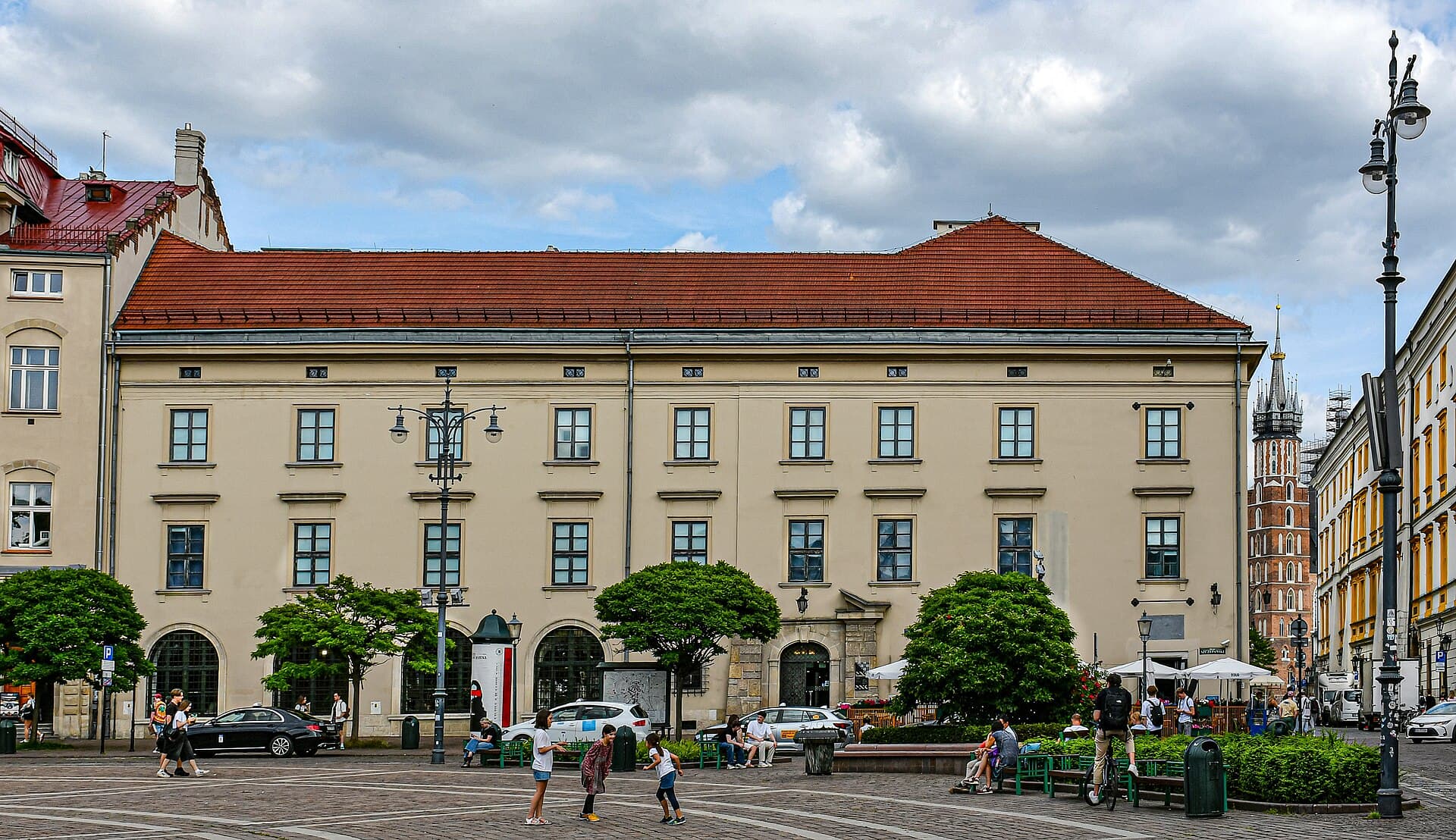 The Szołayski HouseA nineteenth-century town house on Plac Szczepański in Kraków, a branch of the N7 minutes walk4.7
Three operations in which the lands of the Polish-Lithuanian Commonwealth were divided between Russia, Prussia and Austria in 1772, 1793 and 1795, until the state vanished from the map entirely. This lasted a hundred and twenty-three years until Poland regained independence in 1918. During those generations the Polish language was banned from schooling in some regions and uprisings were suppressed, so culture — literature, art and private museums — became the place where identity was kept.
A wide network: the main building with its major collections; the Czartoryski Museum with Leonardo's Lady with an Ermine; the Szołayski House; the Czapski Museum; the Arsenal; the Jan Matejko House; and the Cloth Hall with its gallery of nineteenth-century Polish painting. A combined ticket covers several branches, and Sunday is usually free for the permanent displays.