
The Wedding, 1901
The most important text in Polish theatre, on a nation's inability to act.
Zygmunt Put — CC BY-SA 4.0 · Zygmunt Put — CC BY-SA 4.0 · Zygmunt Put — CC BY-SA 4.0 · Michał Bulsa — CC0
A museum devoted to Stanisław Wyspiański, a branch of the National Museum in Kraków, opened in its present form in 2022. Wyspiański (1869-1907) is hard to classify: painter, playwright, designer of stained glass, and designer of furniture, typography and interiors. He died at thirty-eight, and yet left a mark exceeding many who lived twice as long. He was at the heart of the Young Poland movement in Kraków around 1900 — an artistic and literary movement seeking to renew Polish culture in the absence of a state. His play The Wedding of 1901 is regarded as the most important text in Polish theatre, set at a wedding where the city's intellectuals and the countryside's peasants meet and their inability to act nationally is exposed. His best-known visual work is the stained glass of the Franciscan church in Kraków, above all the window Let It Be — which can be seen in the church itself, free, minutes away. The museum displays his drawings, designs and glass cartoons.
The most important text in Polish theatre, on a nation's inability to act.
A movement to renew Polish culture when there was no Polish state.
In the nearby Franciscan church, among the great stained glass of Europe.
The Szołayski House, Szczepański Square, city centre
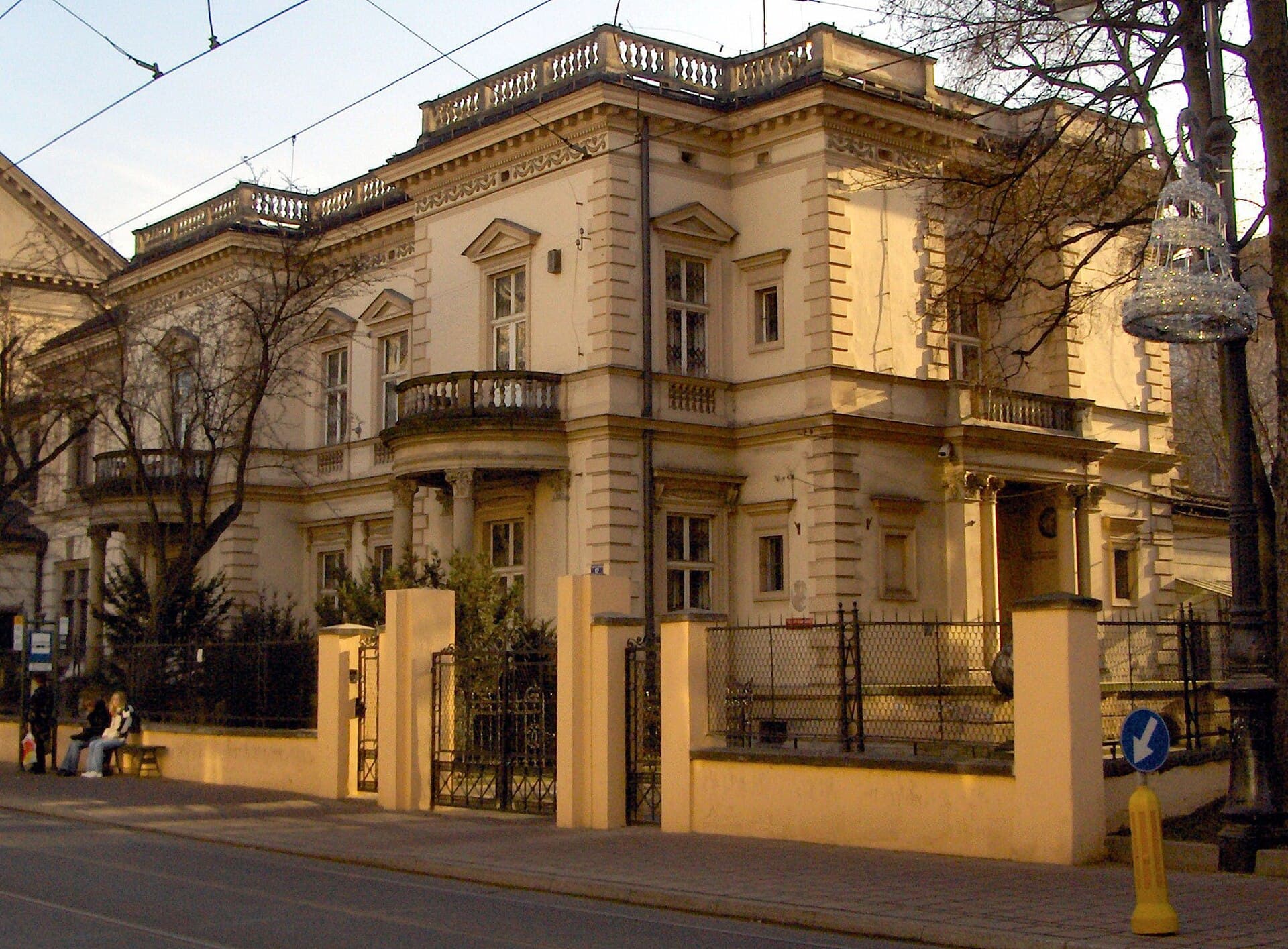 The Emeryk Hutten-Czapski MuseumA museum of coins and medals in a nineteenth-century villa in Kraków, built arou2 minutes walk4.7
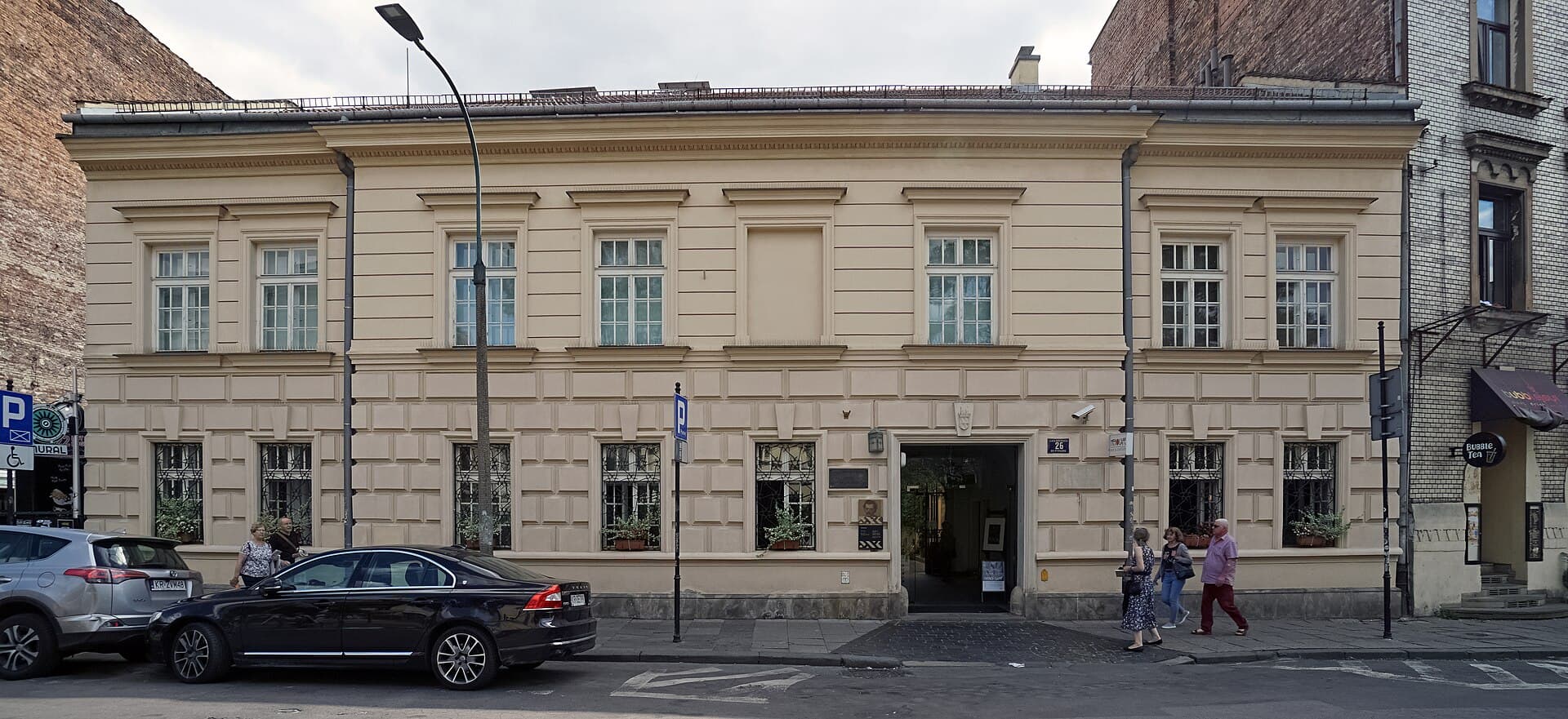 Józef Mehoffer HouseThe house of the painter Józef Mehoffer on Krupnicza street, kept by his heirs w3 minutes walk4.7
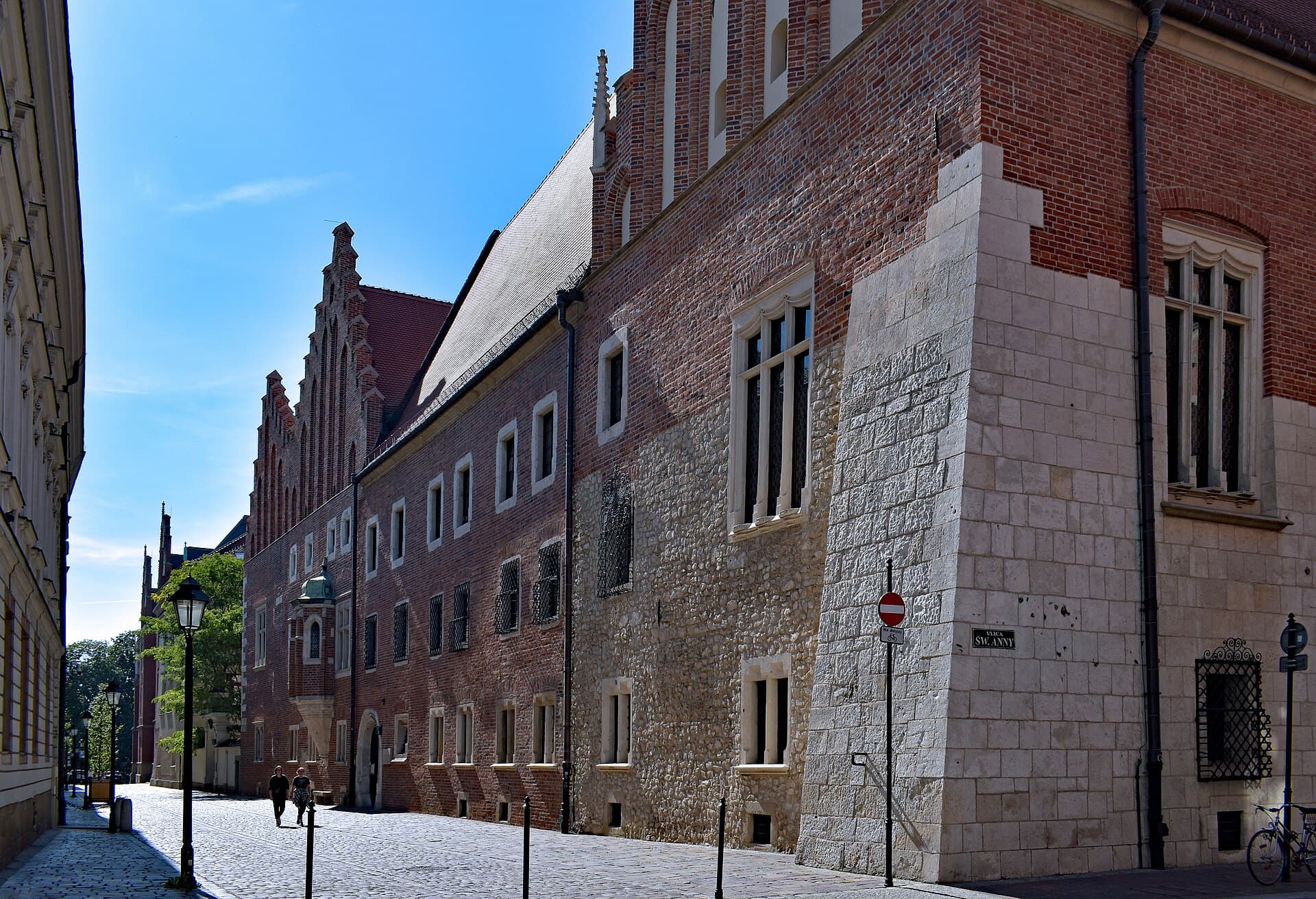 Collegium MaiusThe oldest building of the Jagiellonian University, the second oldest university4 minutes walk4.6
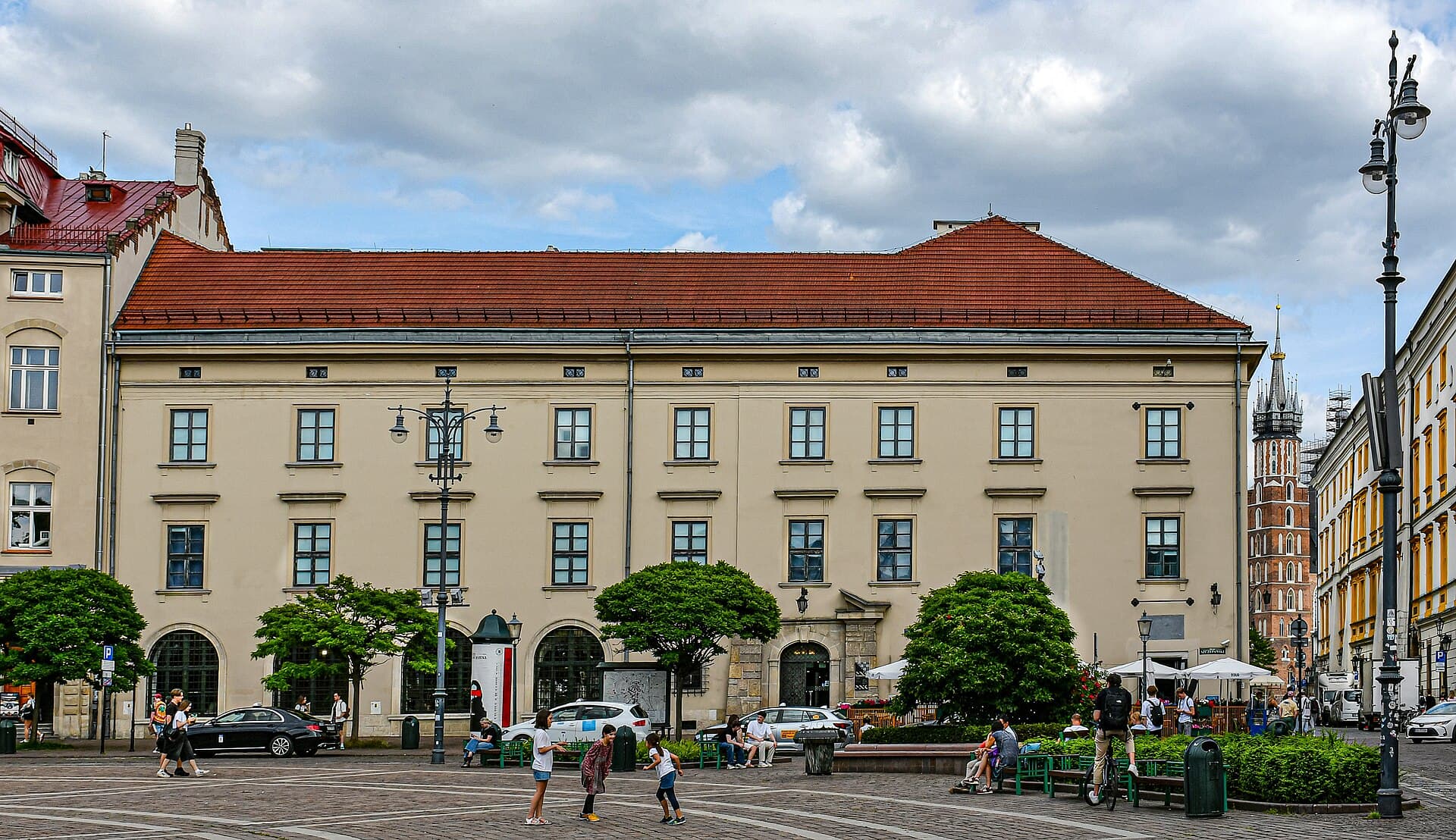 The Szołayski HouseA nineteenth-century town house on Plac Szczepański in Kraków, a branch of the N7 minutes walk4.7
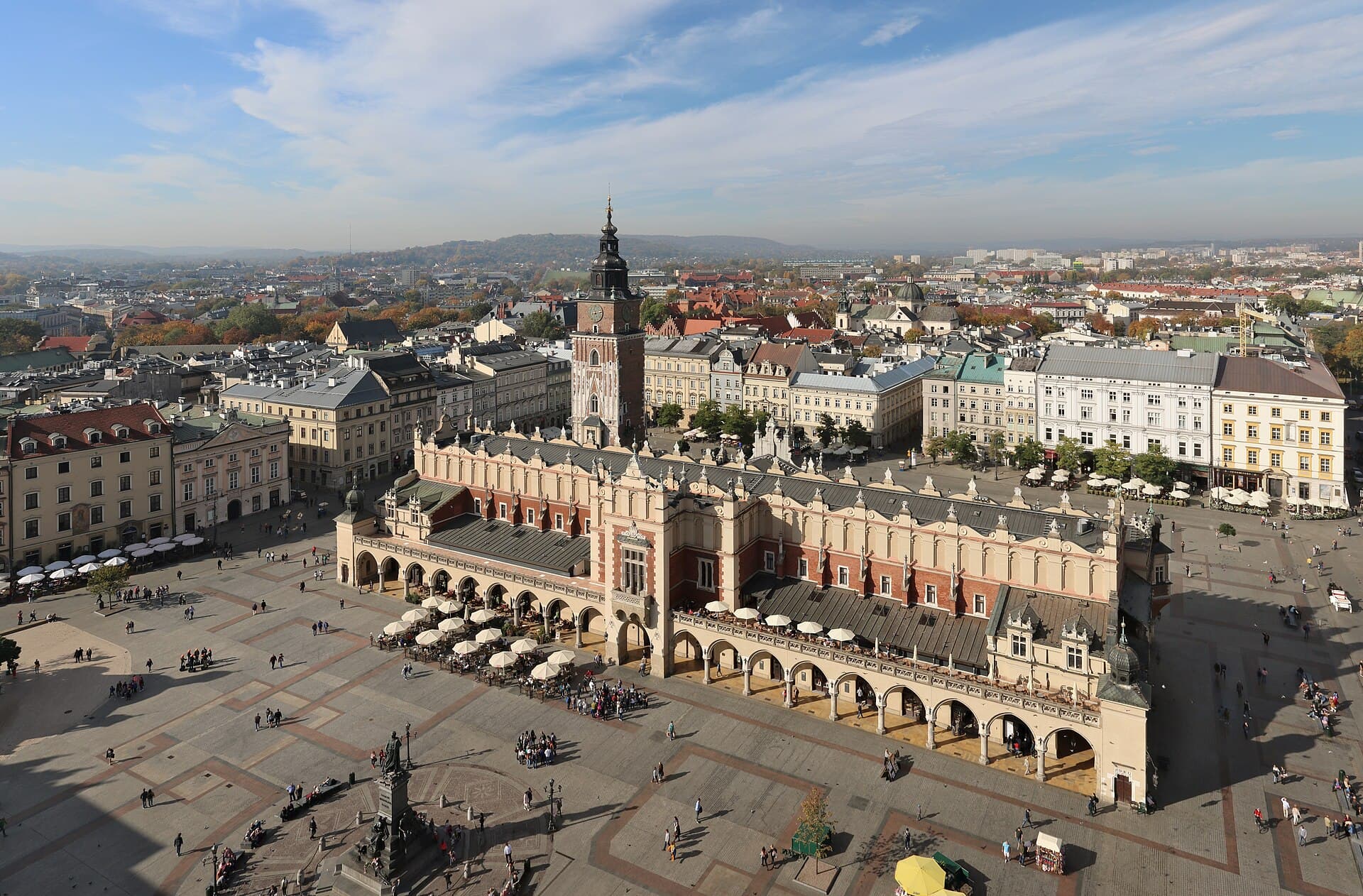 The Main Square (Rynek Główny)The Rynek is medieval Europe's greatest square: two hundred metres by the same, 7 minutes walk4.7
In the Franciscan church in Kraków, minutes on foot from the museum, free to enter. The Let It Be window above the main entrance is the famous one — an abstract rendering of creation in explosive colour, unlike any conventional church glass. Go when the sun is on the right side, preferably in the afternoon.
An artistic and literary movement in Kraków from roughly 1890 to 1918, during the period when Poland was divided between three empires. Kraków was under the more tolerant Austrian rule, and so became the centre of Polish cultural life. The movement combined European symbolism with national and folk subjects, and Wyspiański is its foremost name.