
The town hall
An original Gothic tower amid the reconstruction.
Raimond Spekking — CC BY-SA 4.0 · Ahgee — CC BY-SA 3.0 · Raimond Spekking — CC BY-SA 4.0 · © 1971markus — CC BY-SA 4.0
Cologne's old town needs an honest clarification before a visit: it is mostly reconstruction rather than original buildings. Over ninety per cent of central Cologne was destroyed in Second World War bombing, and the narrow coloured houses you see on the Rhine bank today were built in the 1950s and 60s in the old manner. Knowing that does not spoil the visit but clarifies it: the decision to rebuild in a historic style rather than a modern one was a conscious choice to recover the city's lost image. Among the new buildings stand original elements that survived — the Gothic town hall with its gable, ancient Romanesque churches, and sections of the wall. The life of the quarter is what genuinely distinguishes it: the traditional brewery taverns serving Kölsch beer in small cylindrical two-hundred-millilitre glasses, brought by a waiter operating on his own logic — he replaces the empty glass automatically until you place your beer mat on top to signal you are finished. That tradition alone is worth an evening.
An original Gothic tower amid the reconstruction.
The Kolsch ritual and the beer-mat signal.
Altstadt, 50667 Cologne
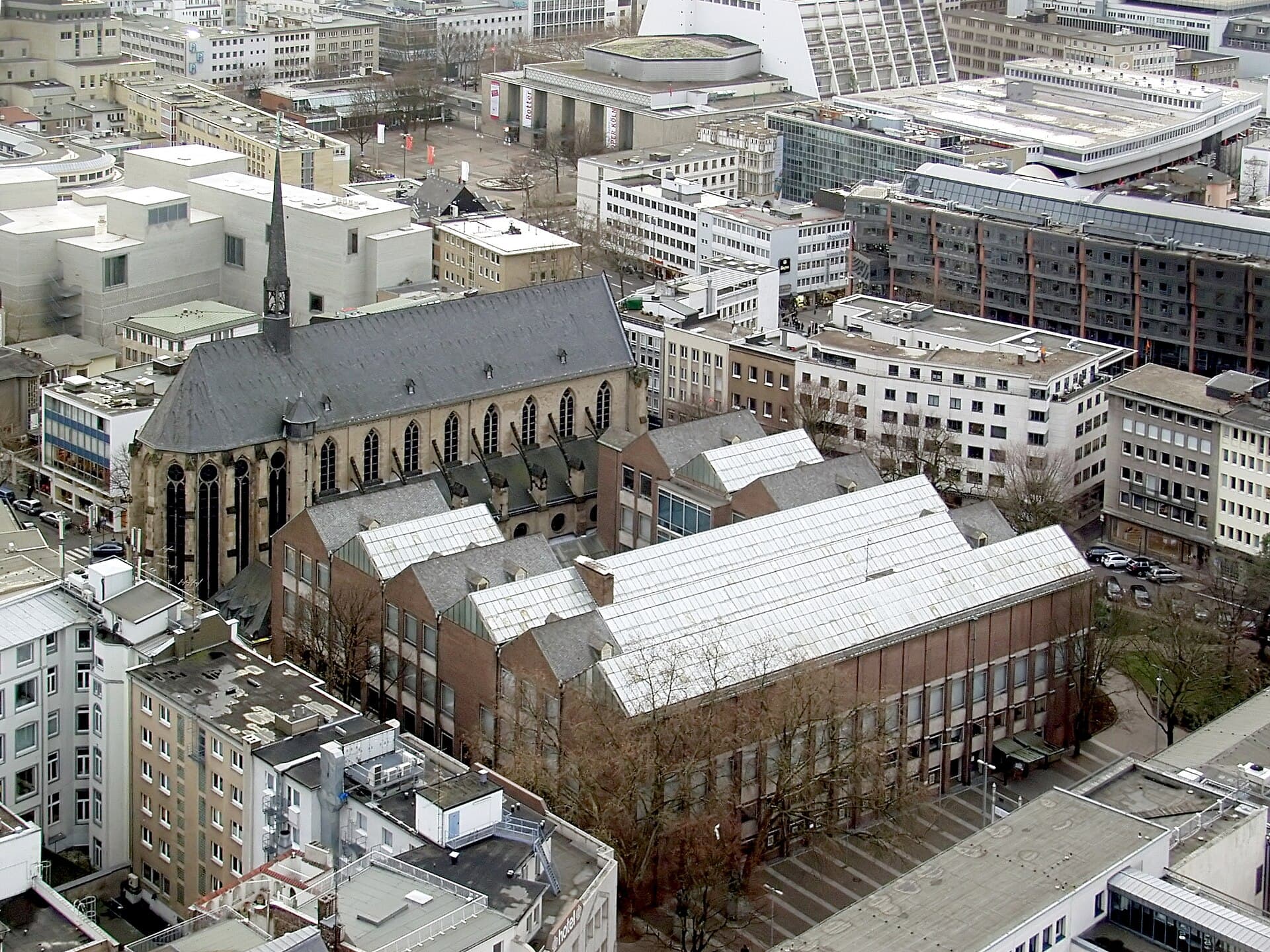 Museum of Applied Arts CologneThe Museum of Applied Arts in Cologne is a museum about design: furniture, vesse2 minutes walk4.4
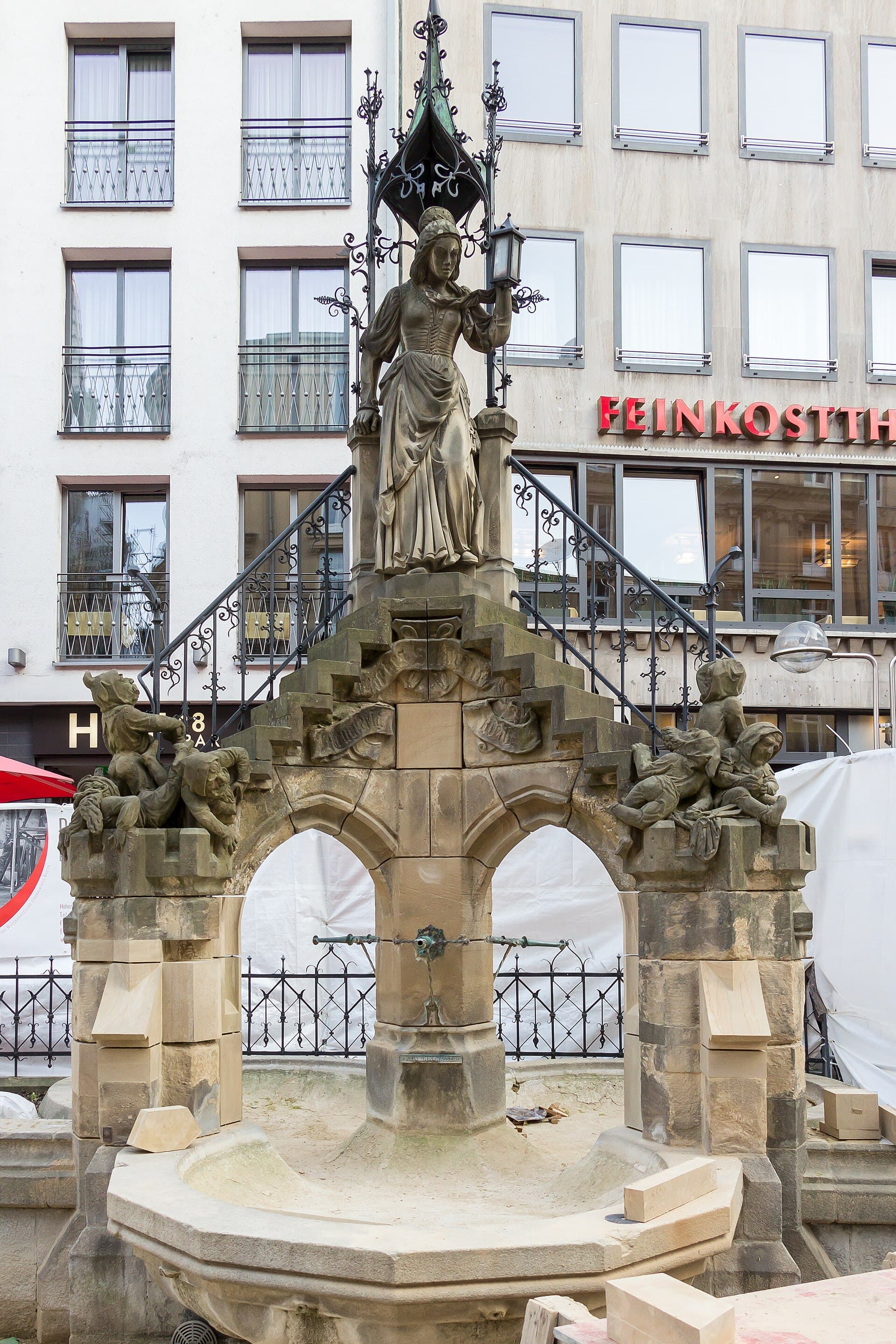 Heinzelmännchen FountainThe Heinzelmännchen Fountain is a small stone fountain near the cathedral that t2 minutes walk4.4
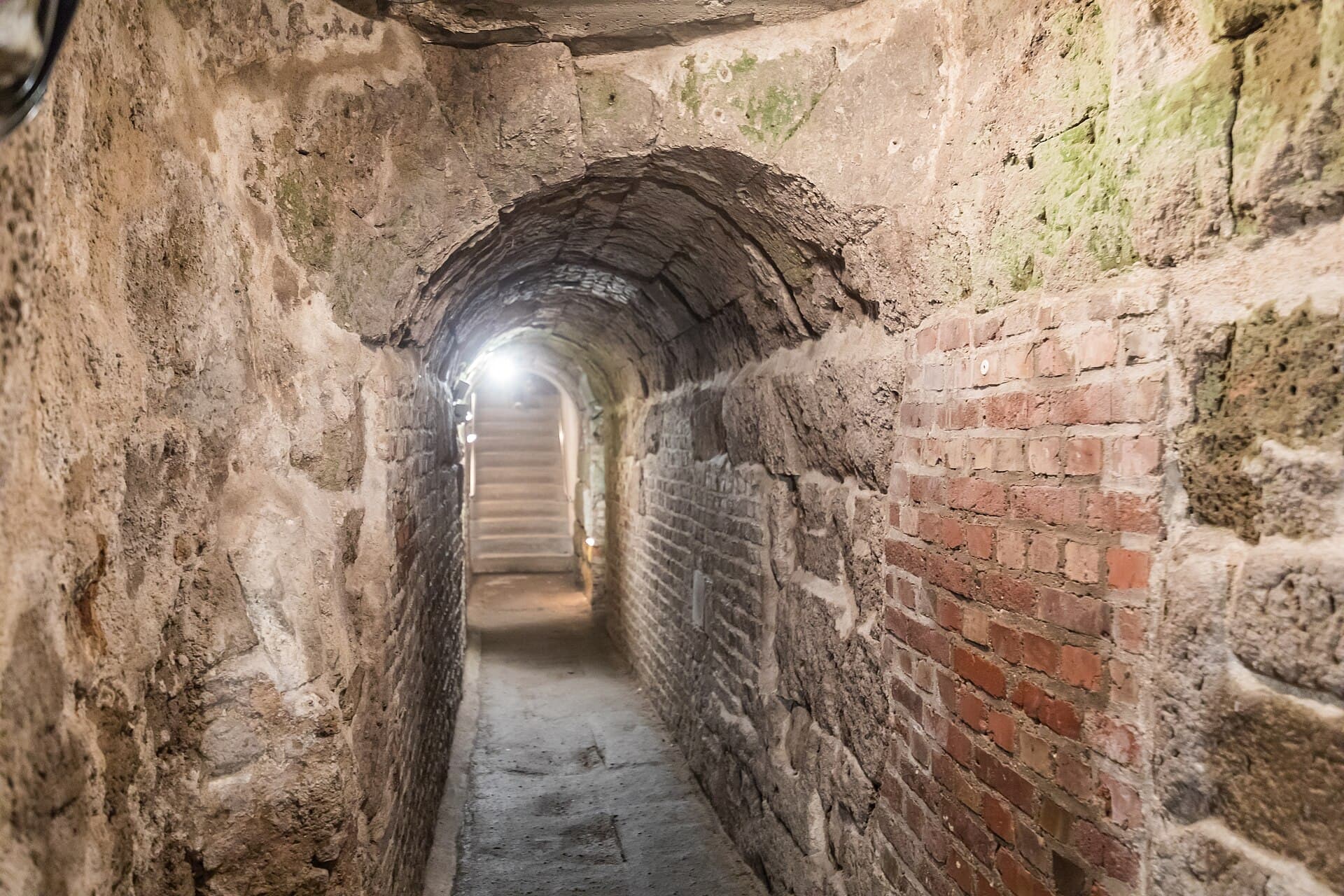 The Roman SewerBeneath the old streets of Cologne runs a Roman stone passage still standing aft2 minutes walk4.3
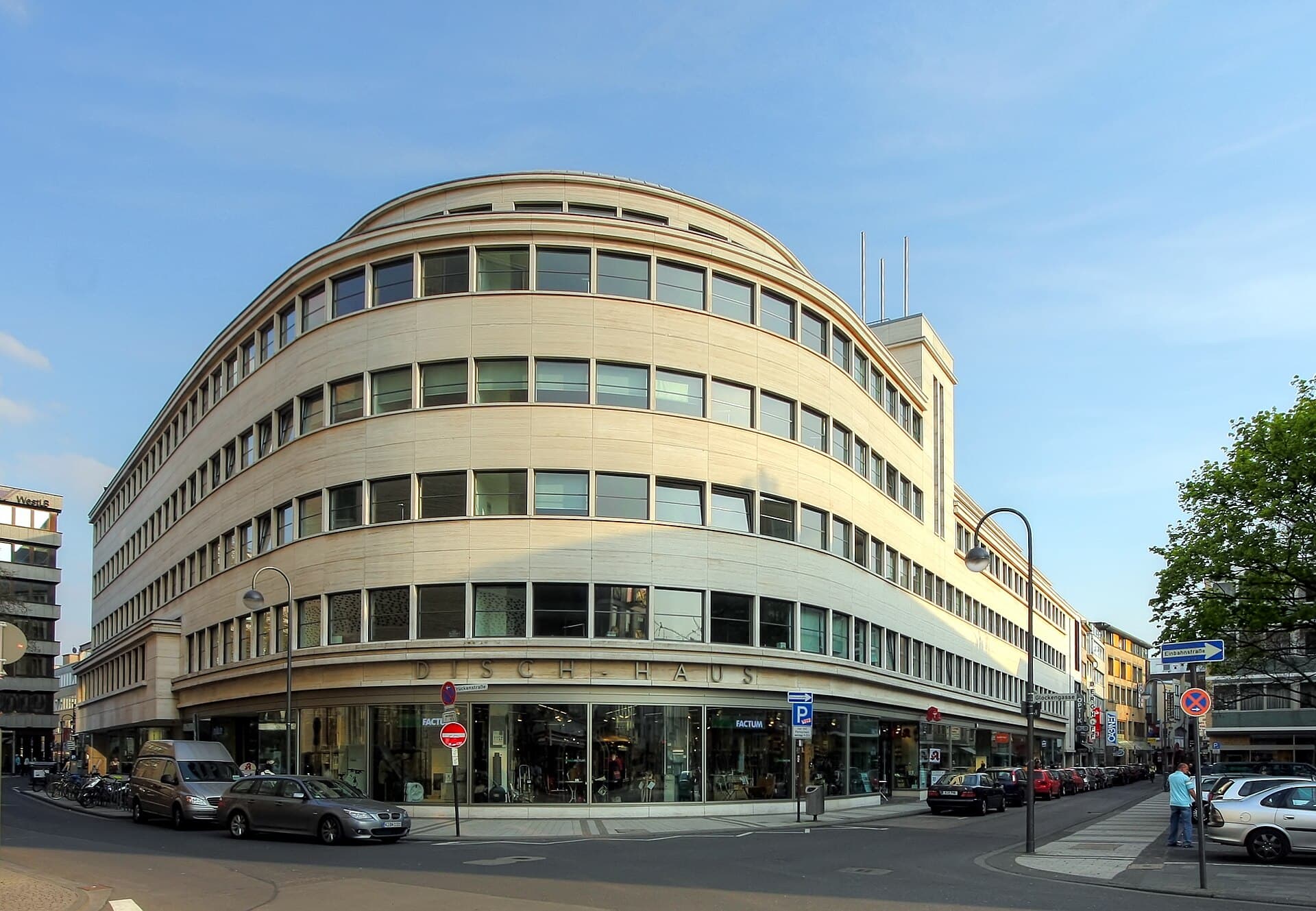 The Disch-HausThe Disch-Haus is an office and commercial building of 1930, among the foremost 2 minutes walk4.4
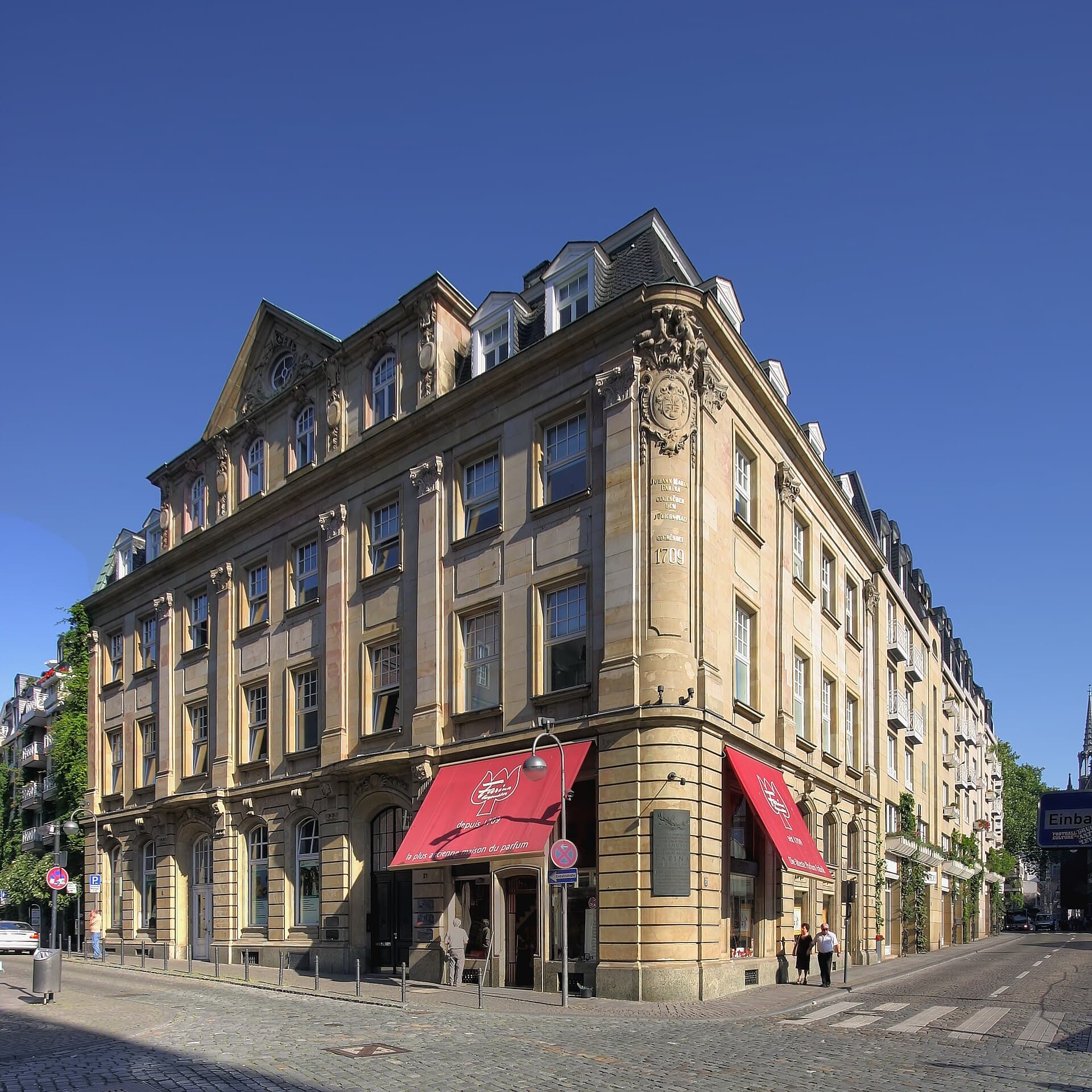 Farina Fragrance MuseumThe Farina Fragrance Museum stands where modern perfume was born. In 1709 the It2 minutes walk4.5
It depends on your expectation. If you come looking for authentic medieval fabric like Colmar or Rothenburg you will be let down — Cologne is not that. But seen as a city that consciously rebuilt itself after near-total destruction, the quarter becomes a document of a collective decision rather than a fake. And the life in it is entirely genuine regardless of how old the stones are.