
The curved facade
Horizontal window bands following the corner.
Raimond Spekking — CC BY-SA 4.0 · Raimond Spekking — CC BY-SA 4.0 · MenkinAlRire — CC BY-SA 4.0 · Raimond Spekking — CC BY-SA 4.0
The Disch-Haus is an office and commercial building of 1930, among the foremost examples of early modernism in Cologne: a curved facade following the street corner in continuous horizontal bands of windows, with almost no ornament — a manner known as classical modernism or New Objectivity. It was built by the architect Bruno Paul on the site of the demolished historic Disch Hotel, and it is one of few buildings of that era to survive in Cologne. The curve is not decoration but a response to the shape of the plot where two streets meet, and the horizontal window bands were only technically possible after concrete framing developed. The building was damaged in the war and restored, and redeveloped internally in the 1990s while the facade, which is a listed monument, was preserved. The interior holds offices and shops and is not visitable as a sight, so the value is in the facade seen from the street — a short stop on a walking route through the city centre.
Horizontal window bands following the corner.
Ornament-free in an age of ornament.
Brückenstrasse 19, 50667 Cologne
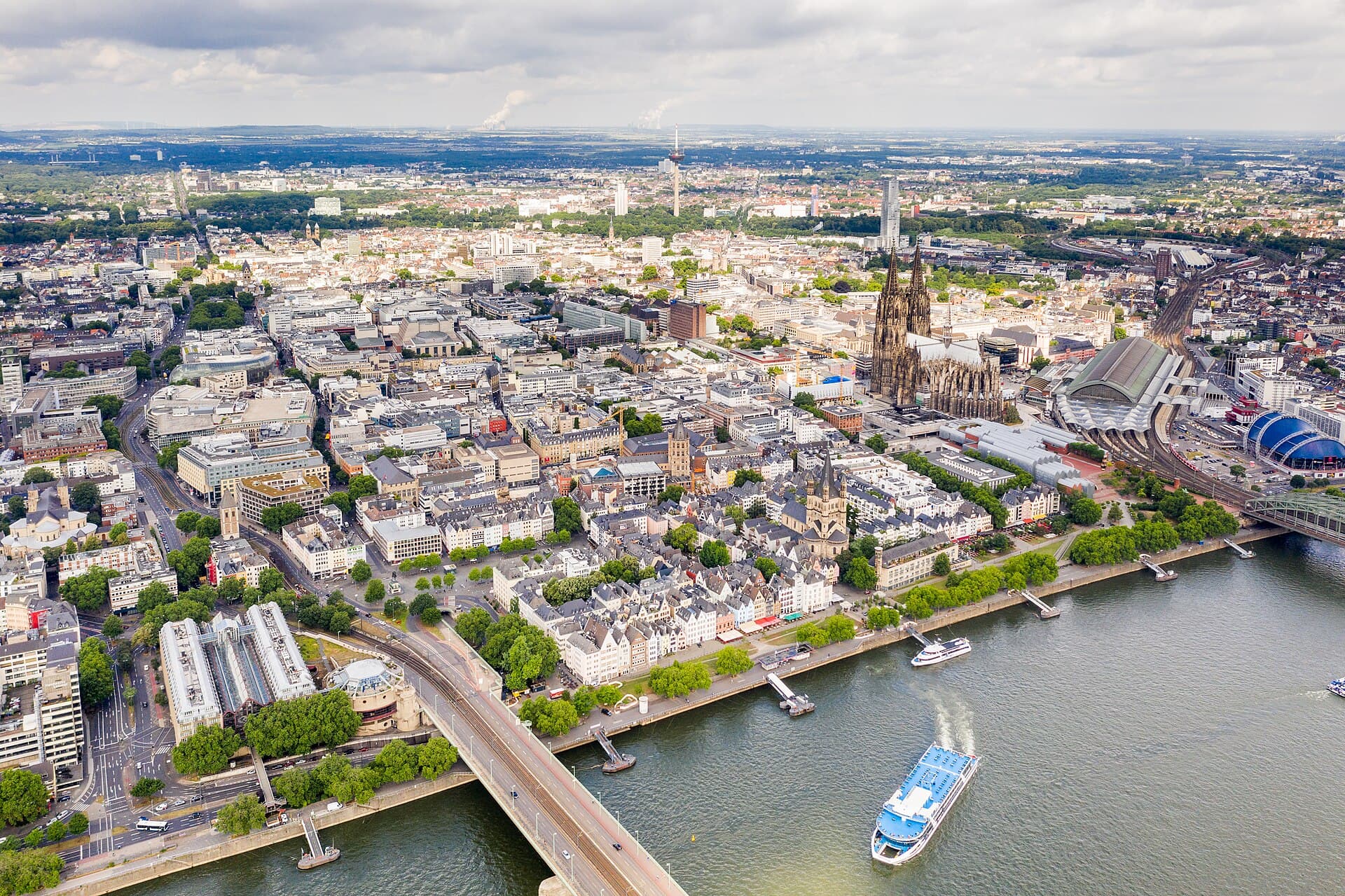 The Old TownCologne's old town needs an honest clarification before a visit: it is mostly re2 minutes walk4.6
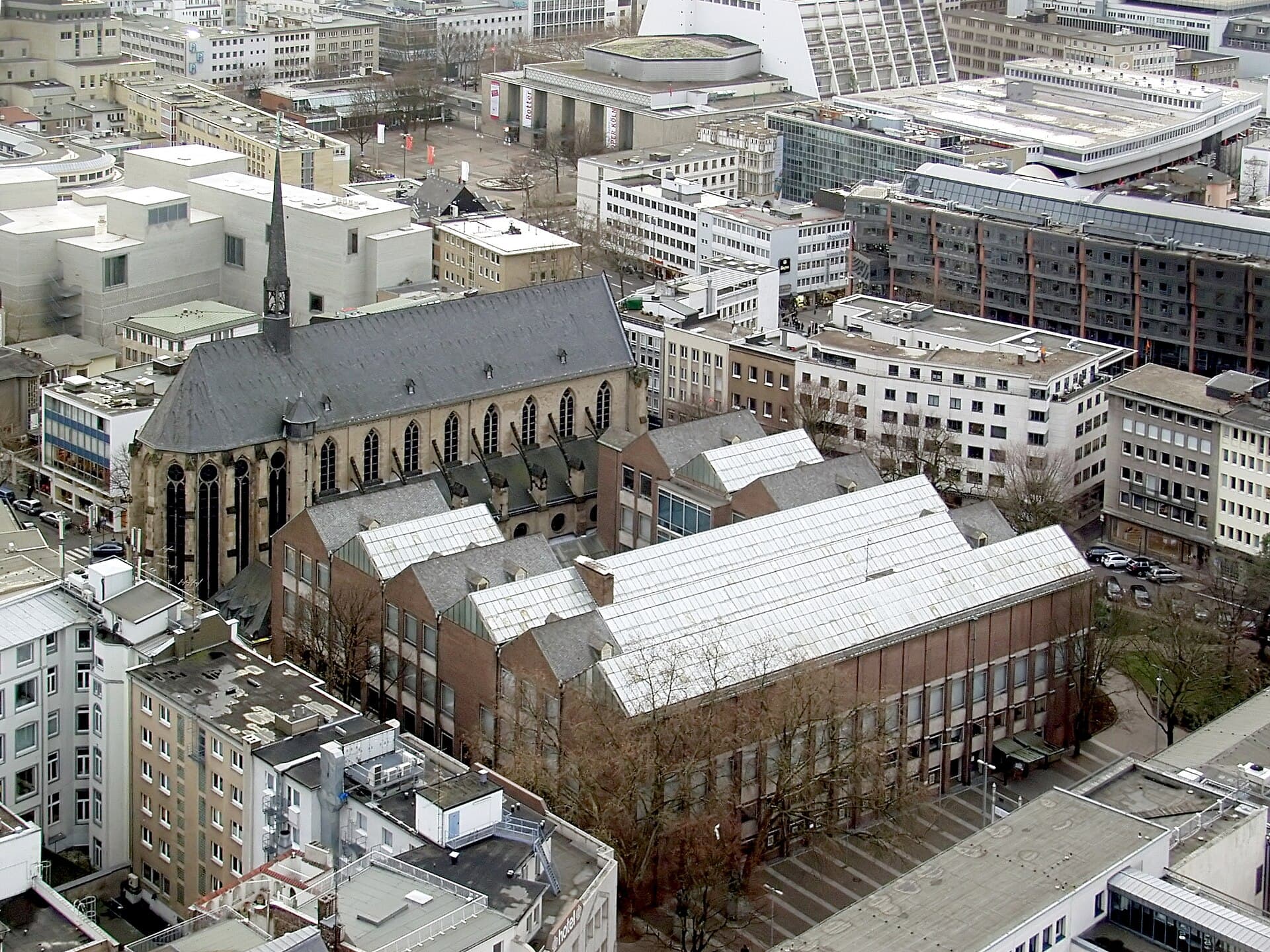 Museum of Applied Arts CologneThe Museum of Applied Arts in Cologne is a museum about design: furniture, vesse2 minutes walk4.4
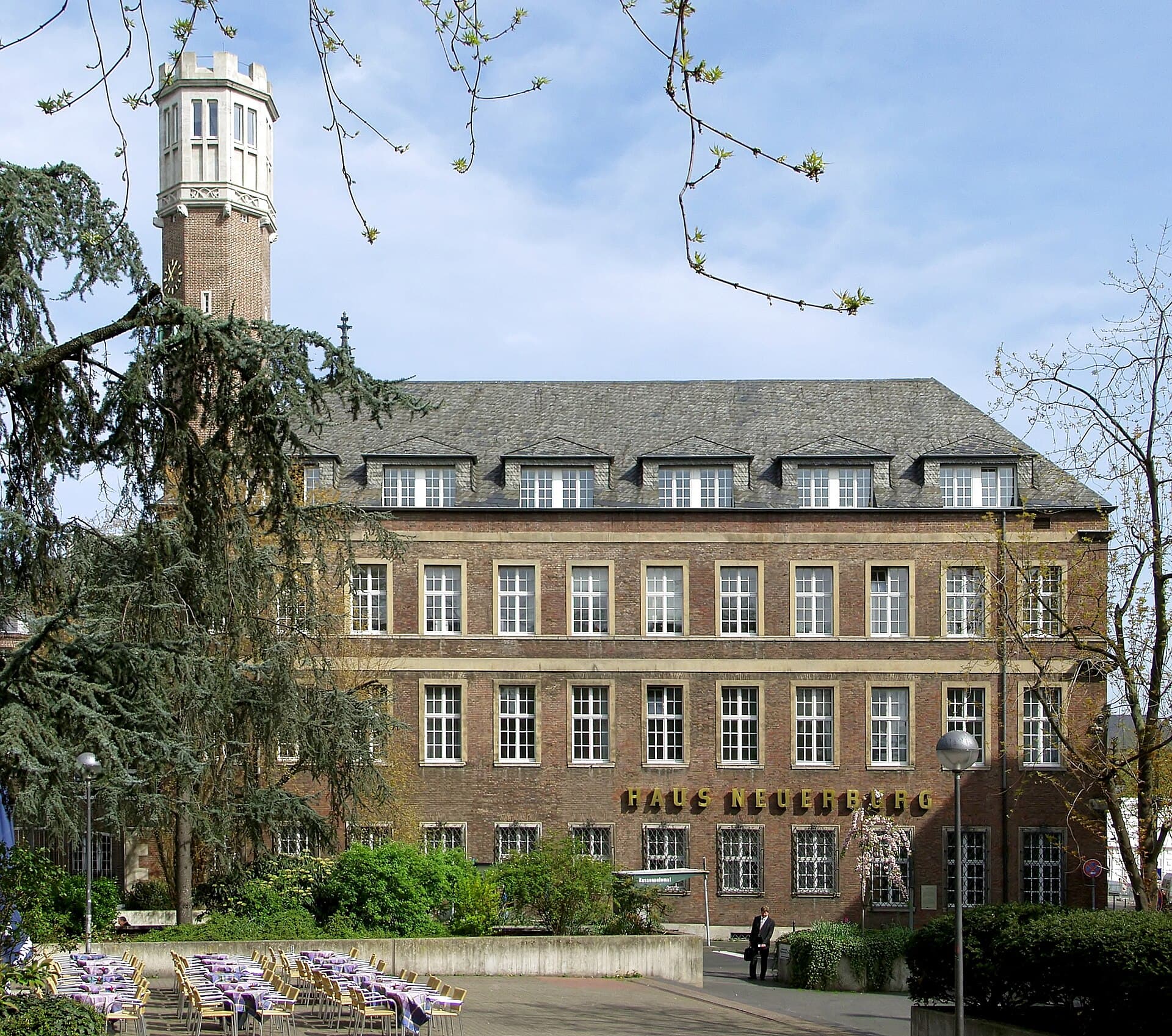 Haus NeuerburgA 1920s office building in central Cologne, built as the headquarters of a tobac3 minutes walk4.5
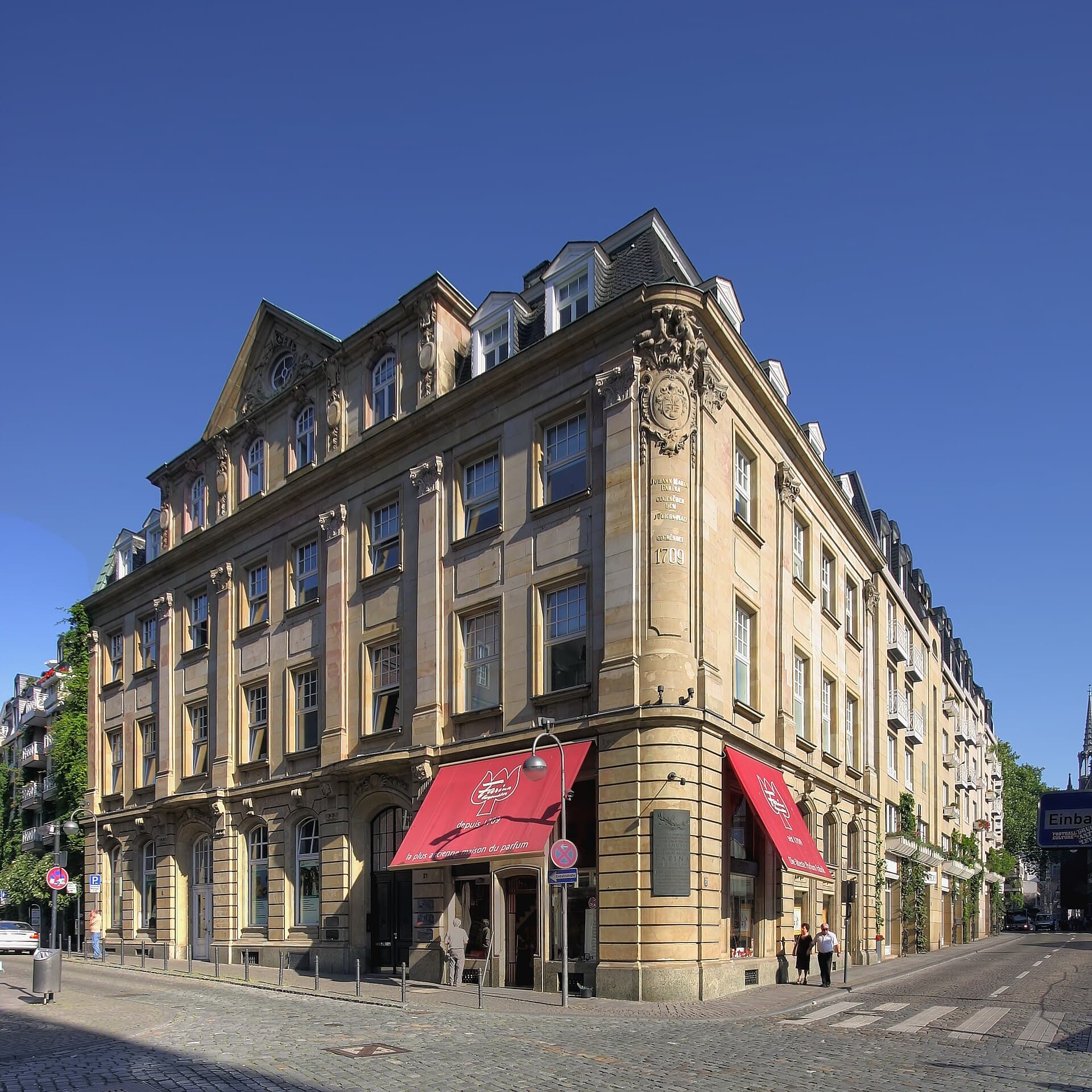 Farina Fragrance MuseumThe Farina Fragrance Museum stands where modern perfume was born. In 1709 the It3 minutes walk4.5
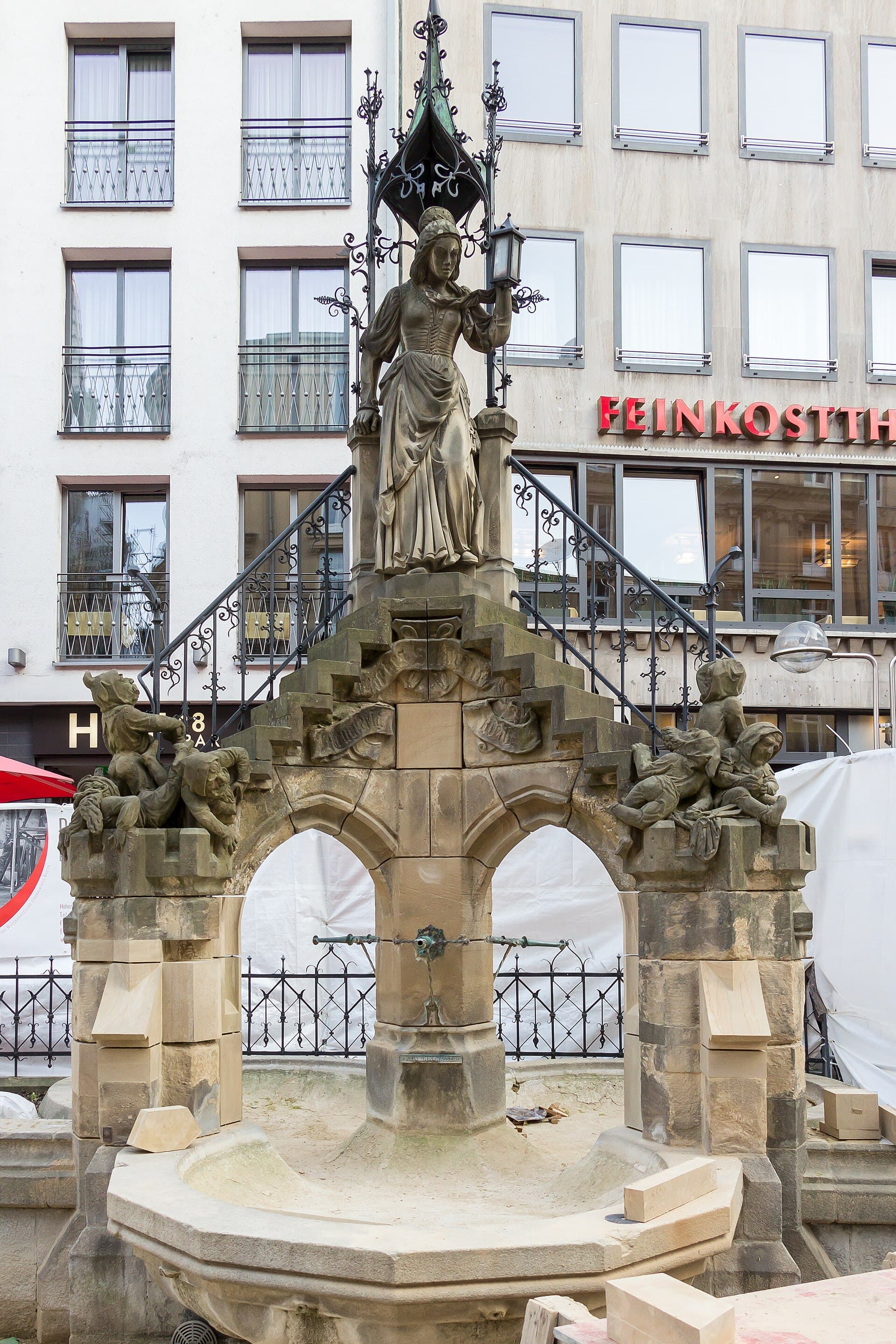 Heinzelmännchen FountainThe Heinzelmännchen Fountain is a small stone fountain near the cathedral that t4 minutes walk4.4
A German current of the 1920s that rejected historical ornament and called for architecture derived directly from its function and materials: flat surfaces, clean facades and long window bands made possible by concrete and steel framing. It was part of Weimar culture generally, and was later suppressed under the Nazis, who preferred monumental classicism.