
The Gereonswall stretch
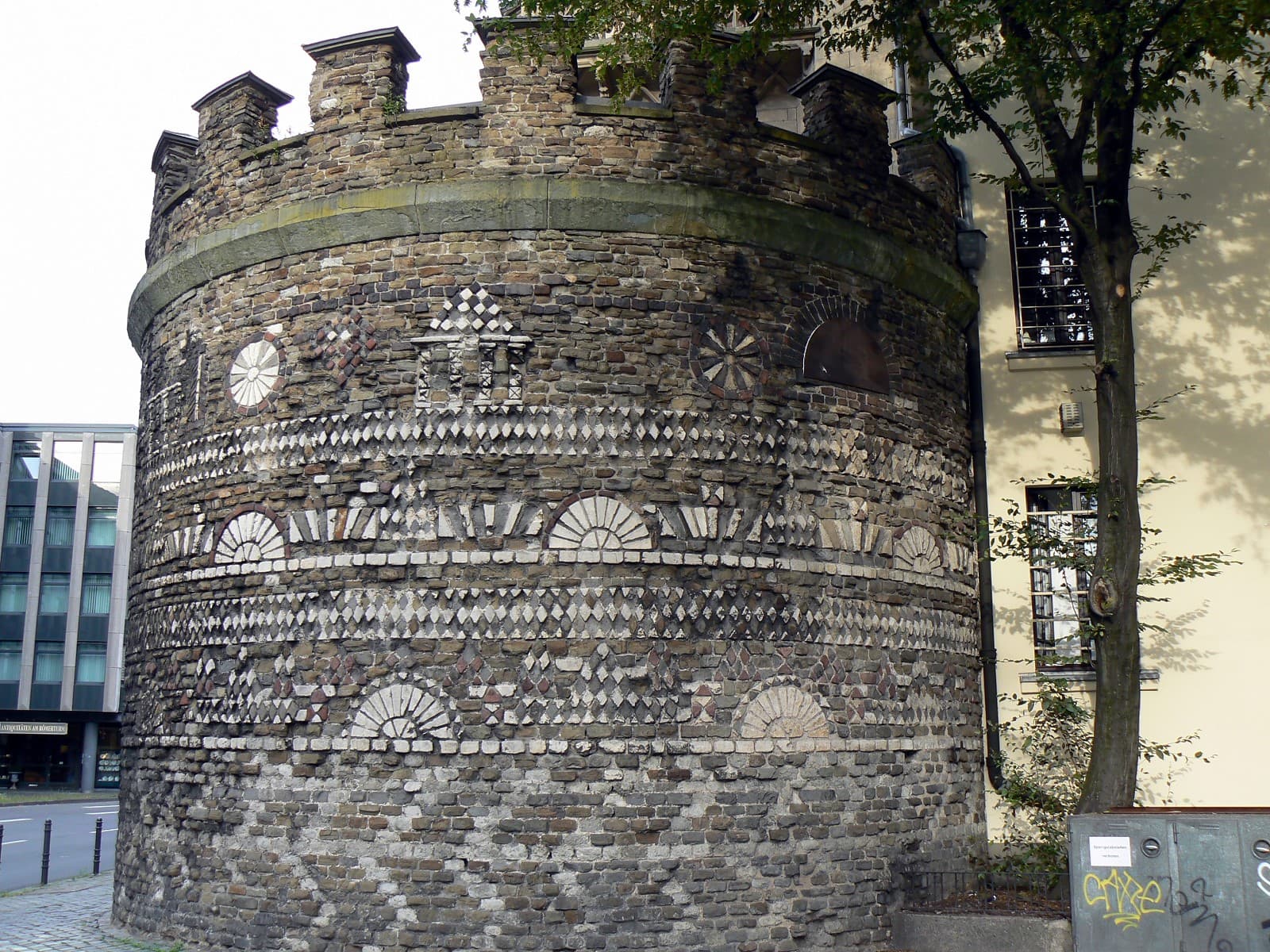
The best surviving run, with its tower.
Chris06 — CC BY-SA 4.0 · Rijksmuseum — CC0 · HOWI - Horsch, Willy — CC BY-SA 4.0 · Arabsalam — CC BY-SA 4.0
In the late twelfth century Cologne roughly doubled its area and threw around the enlarged city a wall some four kilometres long and about seven and a half metres high, with twelve fortified gates and more than fifty towers. It was the largest urban fortification in Germany at the time, and it fixed the shape of the old town for seven centuries. Its end came by council decision rather than by siege: from eighteen eighty-one the wall was sold off and largely pulled down so that the broad boulevards of the Ring could be driven along its line. That is why the Ring today traces the wall so exactly, and why its sections still carry the names of the old defences. The demolition was not total: four of the twelve gates survive, along with the mill tower at Gereonswall, the Bayenturm on the river, and three stretches of the wall itself. Visiting is a route rather than a site. The best single stop is the Gereonswall stretch north of the centre, where a continuous run of wall survives with a tower; from there you can walk or take a tram round the Ring to the Eigelstein gate in the north, the Hahnen gate at Rudolfplatz and the Severin gate in the south. There are no tickets and no hours, and it is all seen from the outside.
The best surviving run, with its tower.
A complete gate tower in the north.
Gereonswall, 50670 Cologne
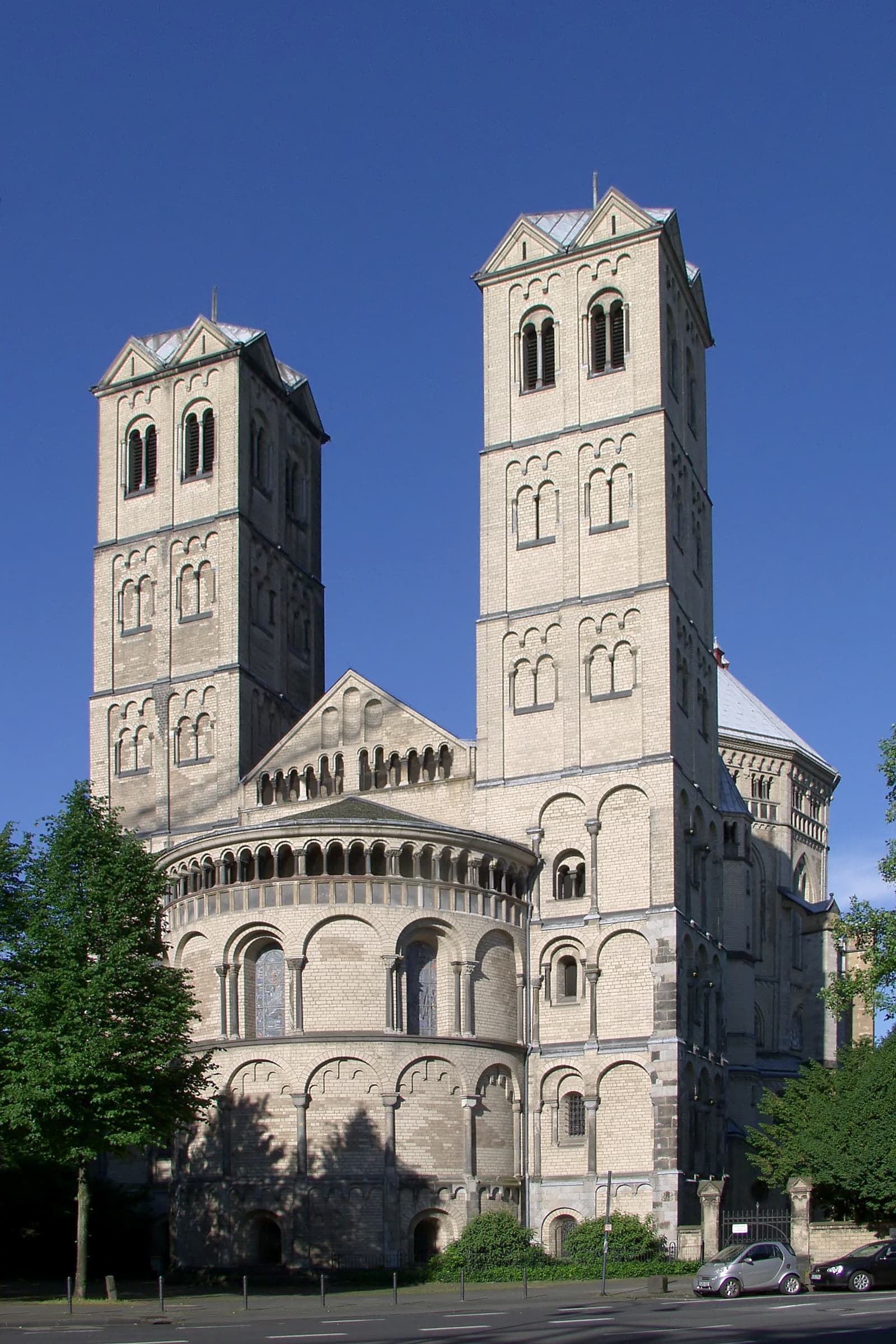 St Gereon's BasilicaThe strangest in shape of Cologne's twelve Romanesque churches, and the reason i4 minutes walk4.6
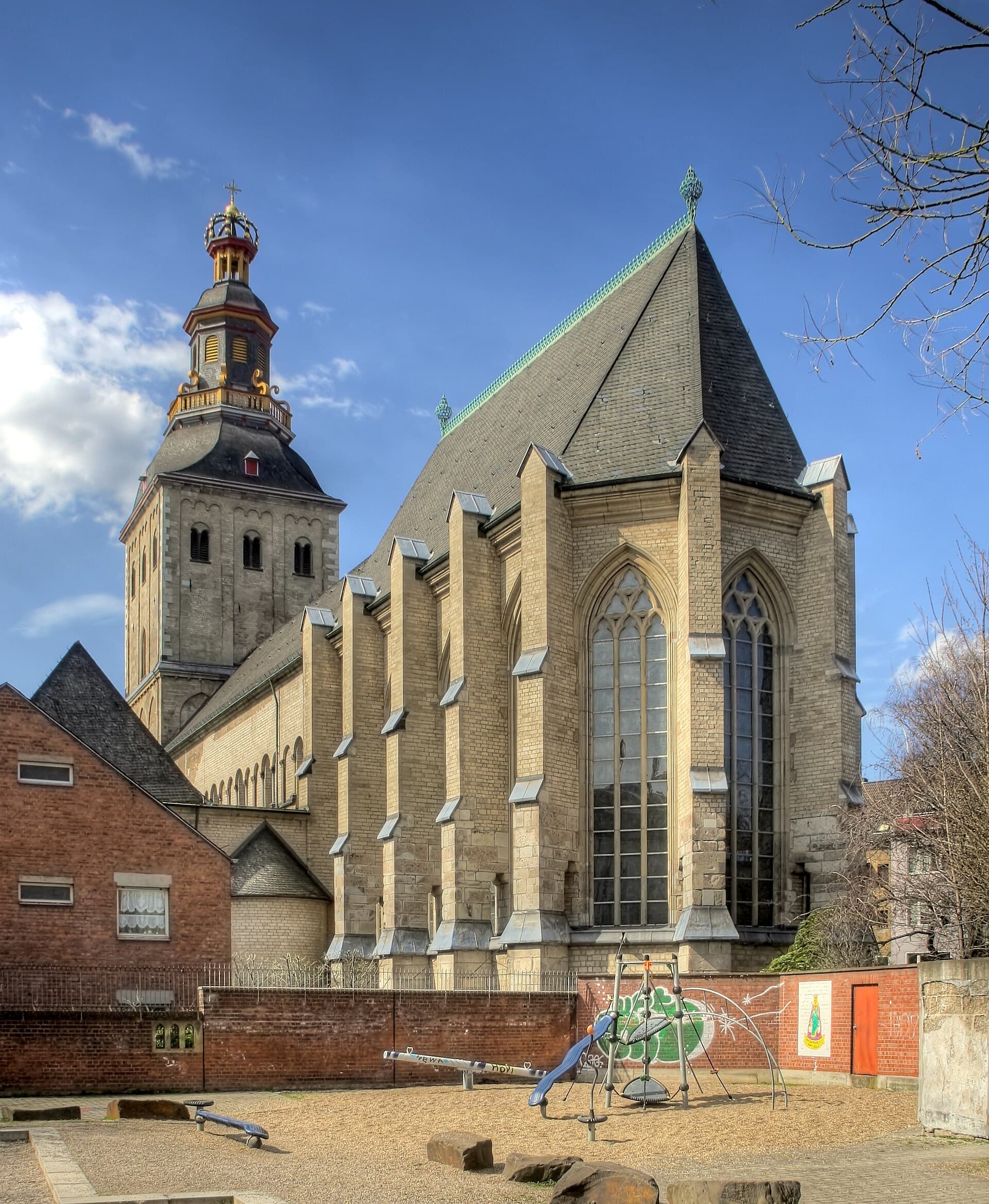 Basilica of St. UrsulaSt. Ursula is one of Cologne's twelve great Romanesque churches and home to the 6 minutes walk4.7
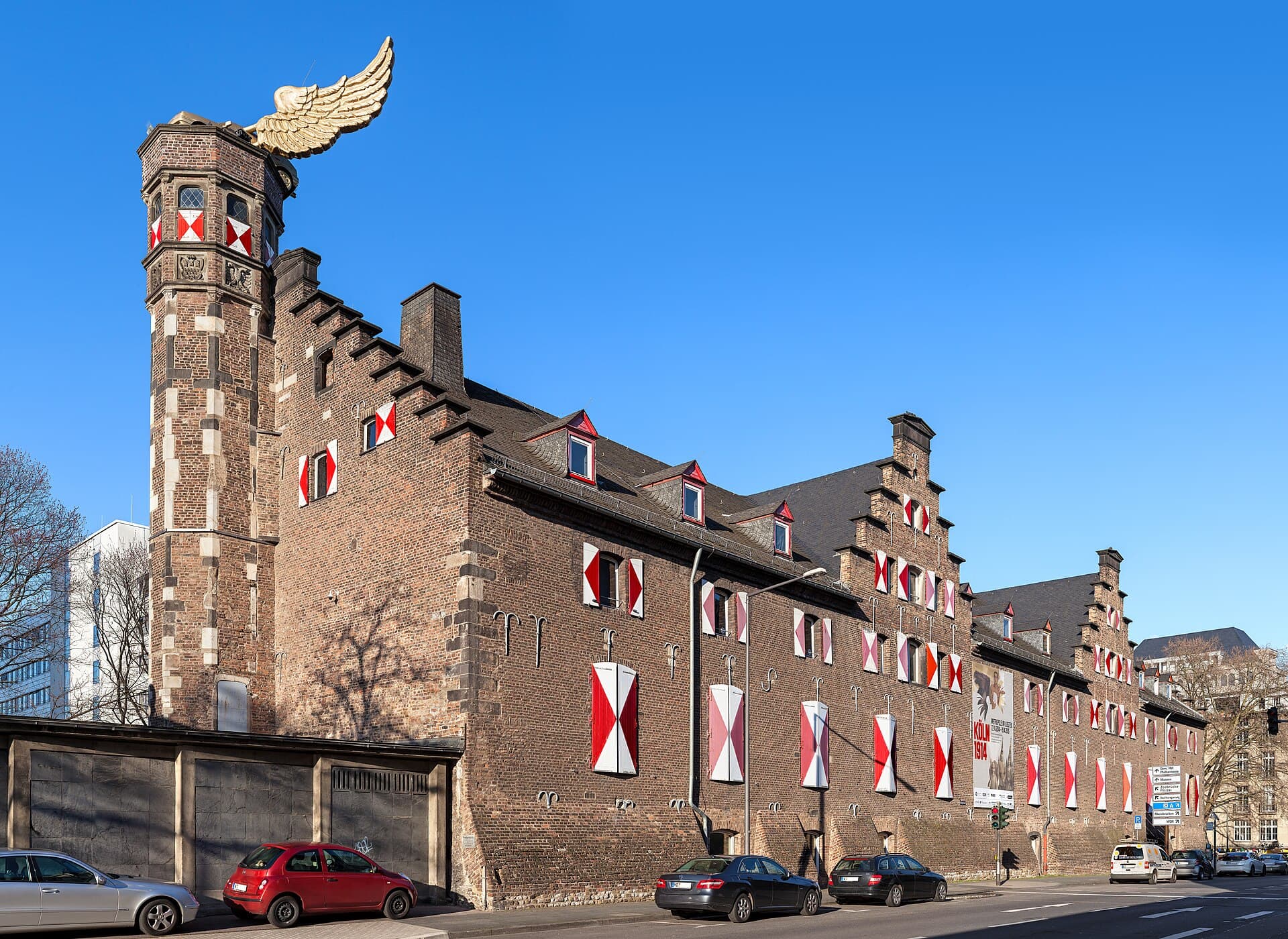 Cologne City MuseumA museum about Cologne itself: how it became a Roman colonia, then a rich mediev7 minutes walk4.2
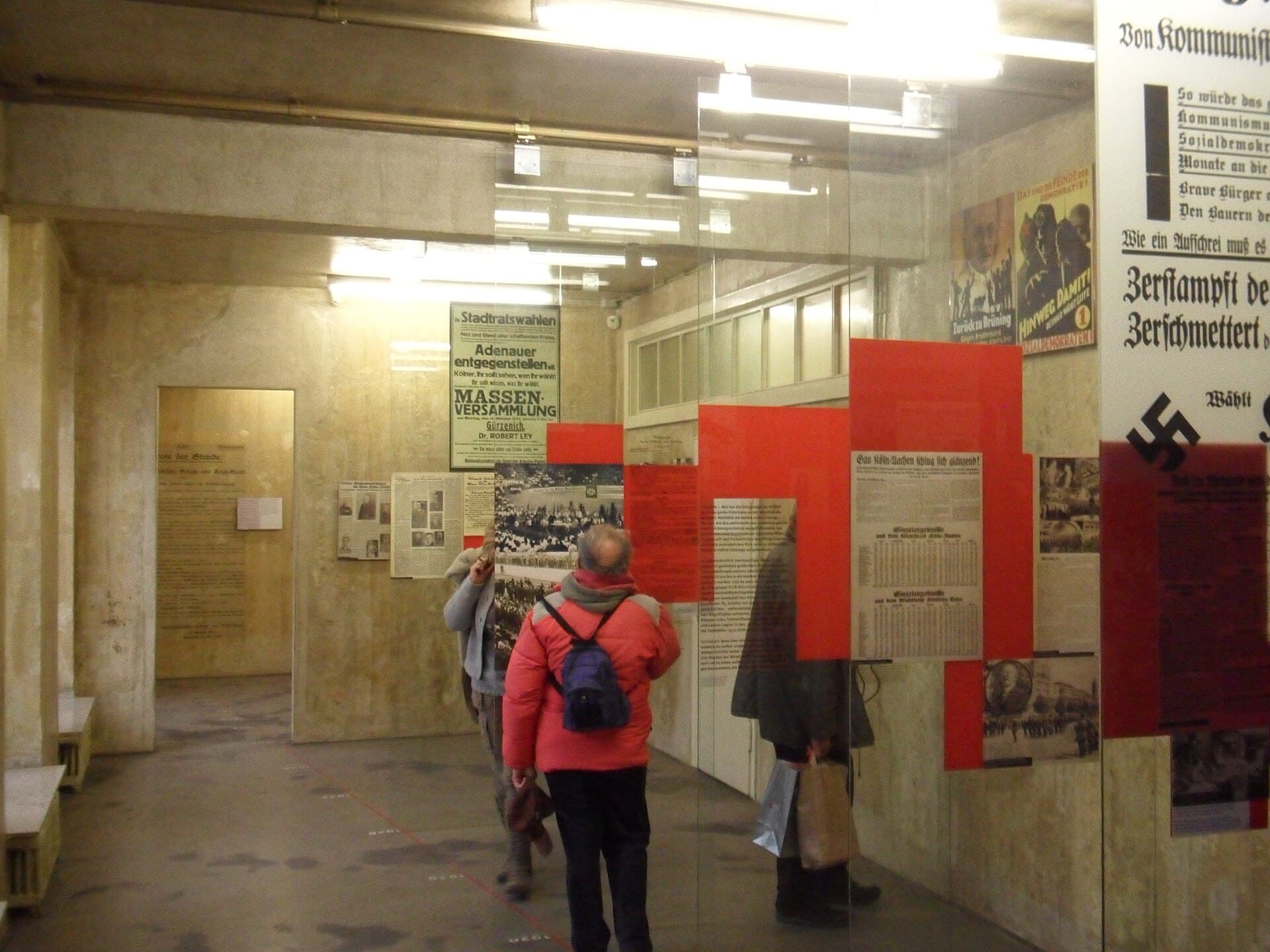 NS Documentation Centre (EL-DE Haus)The EL-DE House was the Gestapo's local headquarters in Cologne, and today it is8 minutes walk4.6
 Roman TowerThe Roman Tower is the best surviving piece of Cologne's Roman wall. Cologne was8 minutes walk4.3
Rarely. The gates are not museums: the Ulrepforte is used by one of the old Carnival societies, the Eigelstein and Hahnen gates open occasionally for events and exhibitions, and the Bayenturm by the river houses a women's archive visited by appointment. Treat the route as an architectural walk seen from outside rather than a chain of ticketed sites.