
The cell inscriptions
Over 1,800 writings in the prisoners' own hands — a document without equal.
Bryan MacKinnon — CC BY-SA 4.0 · Kaethe17 — CC BY 4.0 · Kaethe17 — CC BY 4.0 · Kaethe17 — CC BY 4.0
The EL-DE House was the Gestapo's local headquarters in Cologne, and today it is among Germany's most powerful places of memory because the place itself is the exhibit: in its basement the detention cells remain as they were, their walls carrying more than 1,800 inscriptions scratched by the prisoners' own hands — names, farewells, dates and prayers in many languages. These inscriptions rank among Europe's most important original documents of that era, and reading them — translations provided — cuts through any barrier of language or distance. The upper floors exhibit Cologne under Nazism: how one whole city lived the story from its rise to its ruin. A heavy-hearted visit — but anyone who wants to understand Germany, and why it built an entire country on "never again", finds it here more clearly than in any book. Core content is translated into English.
Over 1,800 writings in the prisoners' own hands — a document without equal.
The Gestapo building itself, not a later memorial — the walls are the testimony.
The whole city's exhibit: the rise, daily life, the ruin.
Appellhofplatz 23-25, 50667 Cologne
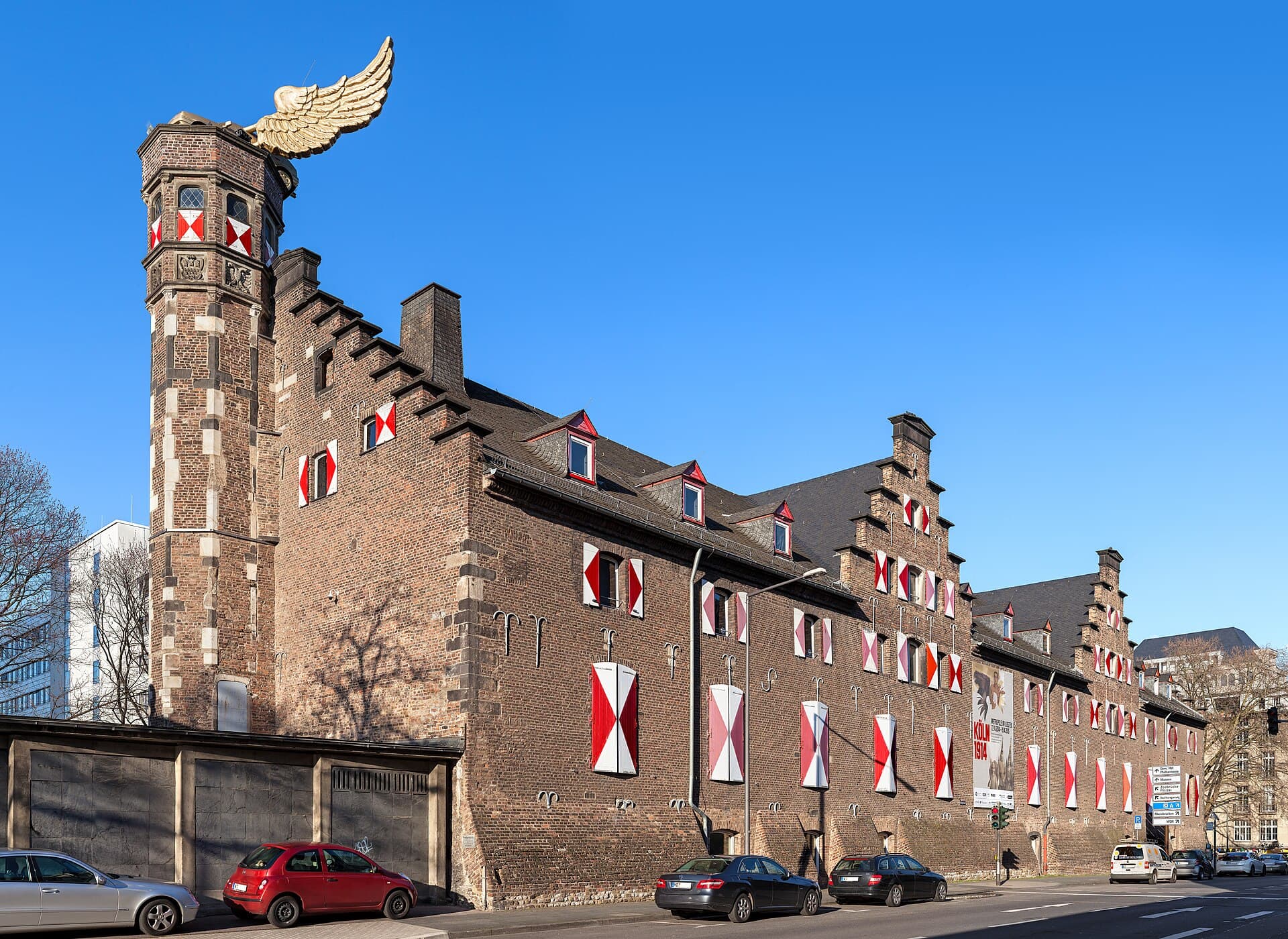 Cologne City MuseumA museum about Cologne itself: how it became a Roman colonia, then a rich mediev1 minute walk4.2
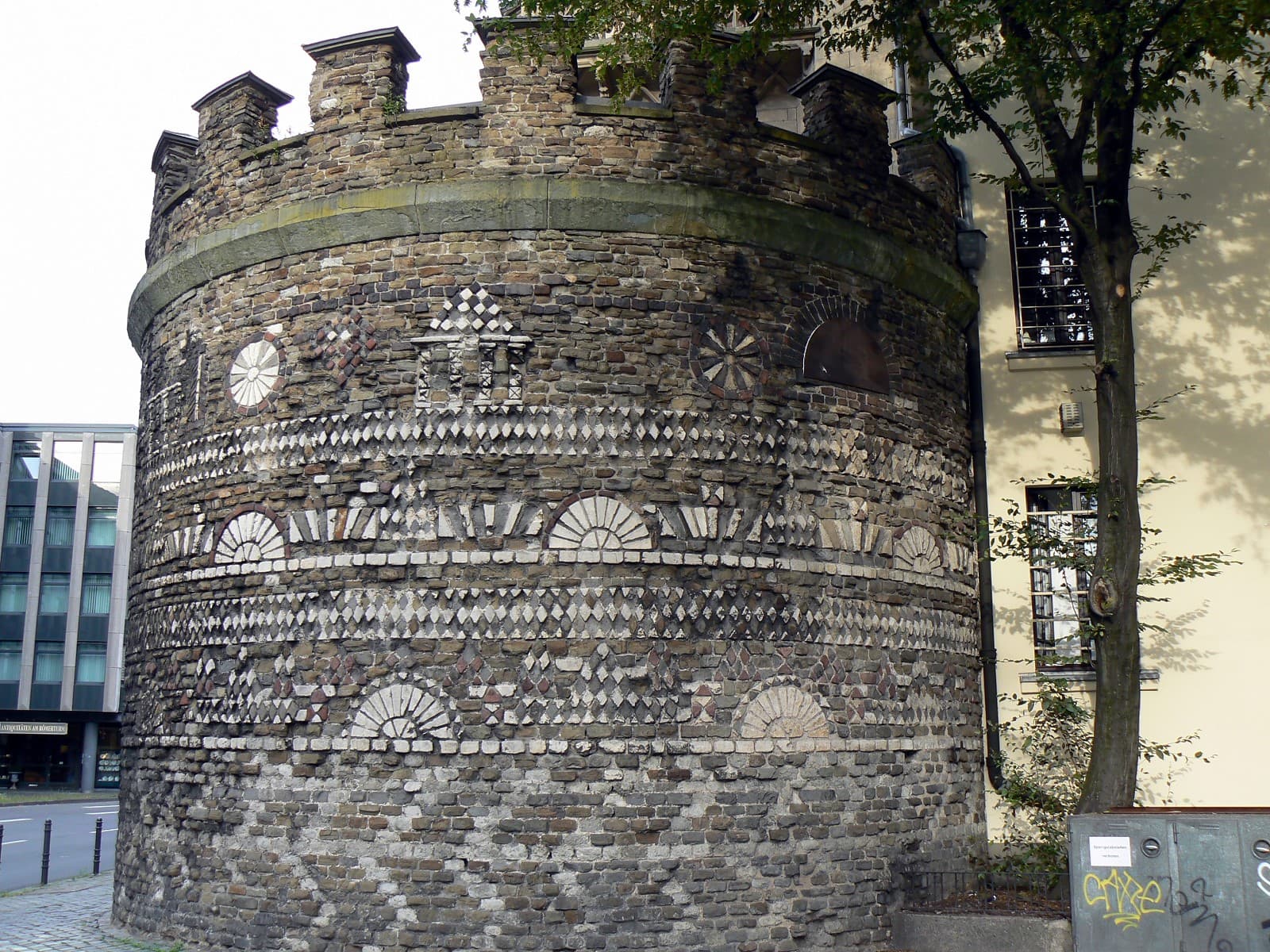 Roman TowerThe Roman Tower is the best surviving piece of Cologne's Roman wall. Cologne was3 minutes walk4.3
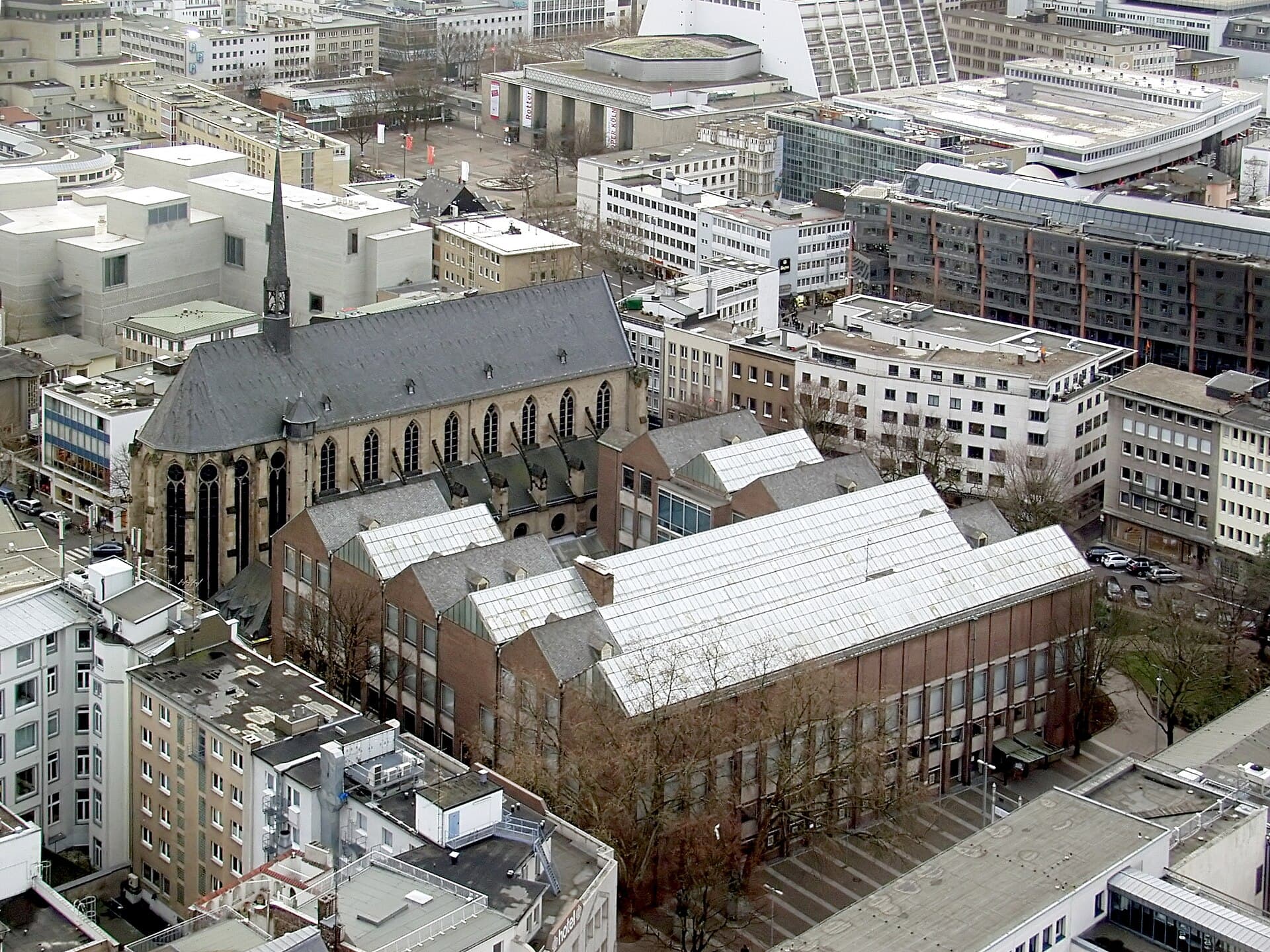 Museum of Applied Arts CologneThe Museum of Applied Arts in Cologne is a museum about design: furniture, vesse4 minutes walk4.4
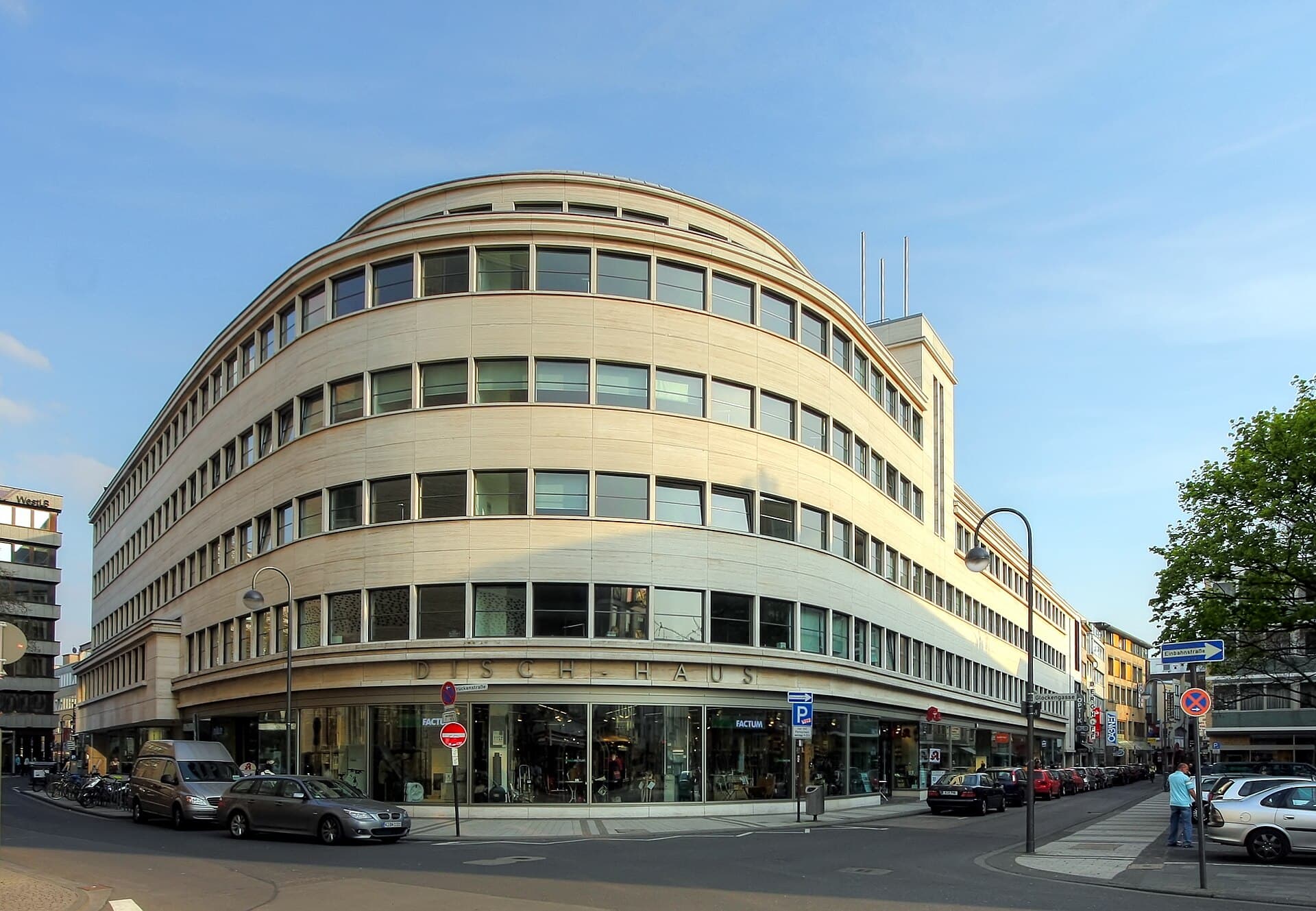 The Disch-HausThe Disch-Haus is an office and commercial building of 1930, among the foremost 5 minutes walk4.4
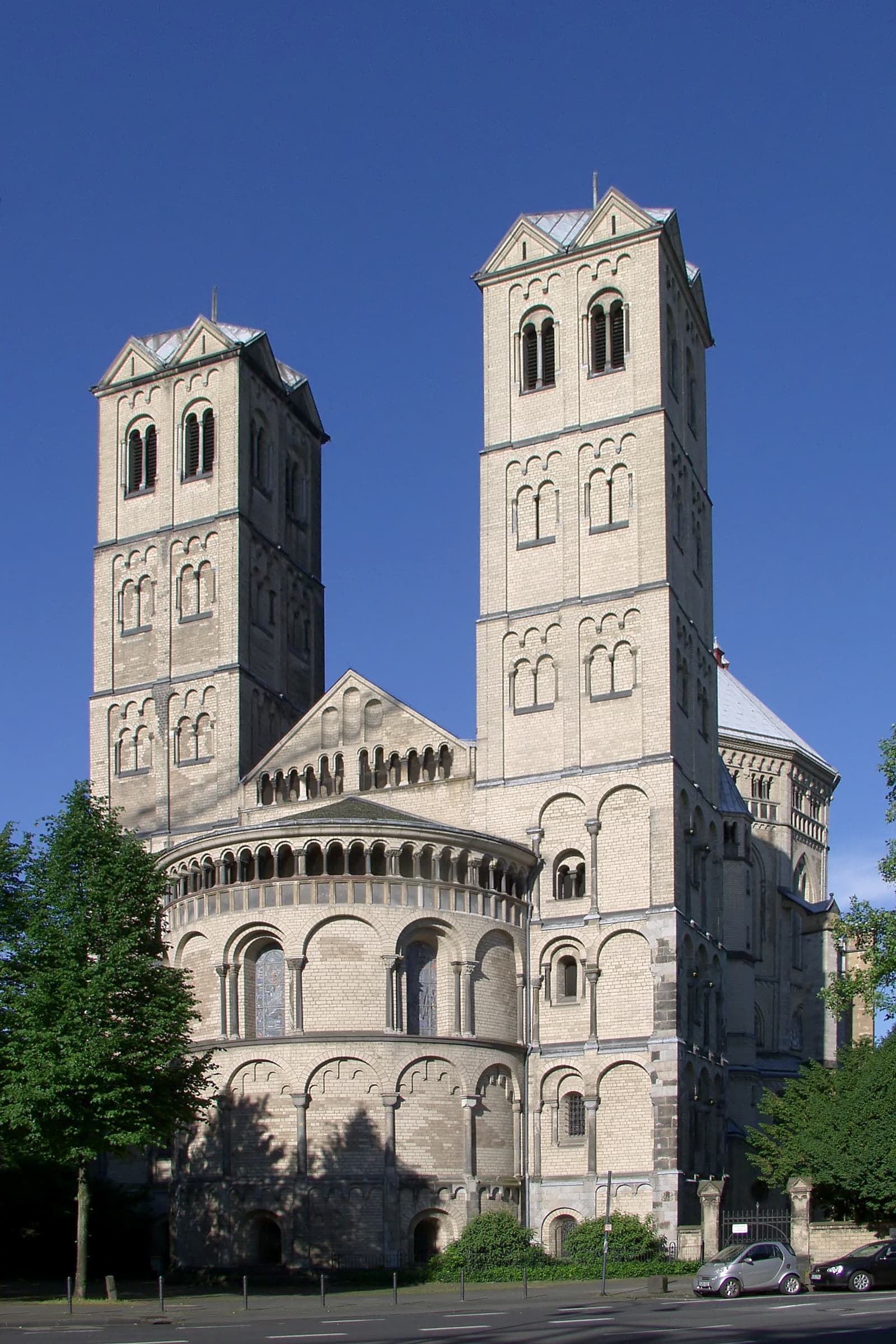 St Gereon's BasilicaThe strangest in shape of Cologne's twelve Romanesque churches, and the reason i5 minutes walk4.6
Munich explains the phenomenon from its birth-city in a modern building; Cologne shows you the original place with its cells and inscriptions — more direct, harder on the heart. If your journey allows only one: this for impact, that for understanding.
The core sections and inscriptions carry English translations, and the English audio guide covers the rest. The inscriptions themselves are in their writers' own languages — Polish, Russian, French and more — which is part of their eloquence.
Step deliberately back into life: the shopping street is minutes away, or the Rhine promenade for air. Most people need the walk — plan it, and don't schedule another museum after.