
Rampa Museum
War history.
The Rampa Cultural Complex, styled «Rampa – art, museum, landscape», is a cultural centre on the banks of the Potengi River in Natal, built on the site of «the Rampa», the old seaplane station that carried passengers and mail and played an important part in the Second World War. The Rampa buildings went up between the 1930s and 1940s and became well known from the 1940s, when military seaplanes began to use them. The US forces used Natal as a base during the war, because its position at Brazil's north-eastern tip, the closest point to Africa, made it a strategic stepping stone for aircraft crossing between the continents, earning the city the nickname «Springboard to Victory». The complex now houses the Rampa Museum, which tells this story, and the Aviator's Memorial, together with spaces for events, exhibitions, courses and workshops. It looks out over the river and the Newton Navarro Bridge, combining history with a lovely view, especially at sunset. Check the museum's opening times before visiting.
War history.
Sunset views.
Flying history.
Banks of the Potengi River, Santos Reis district, Natal
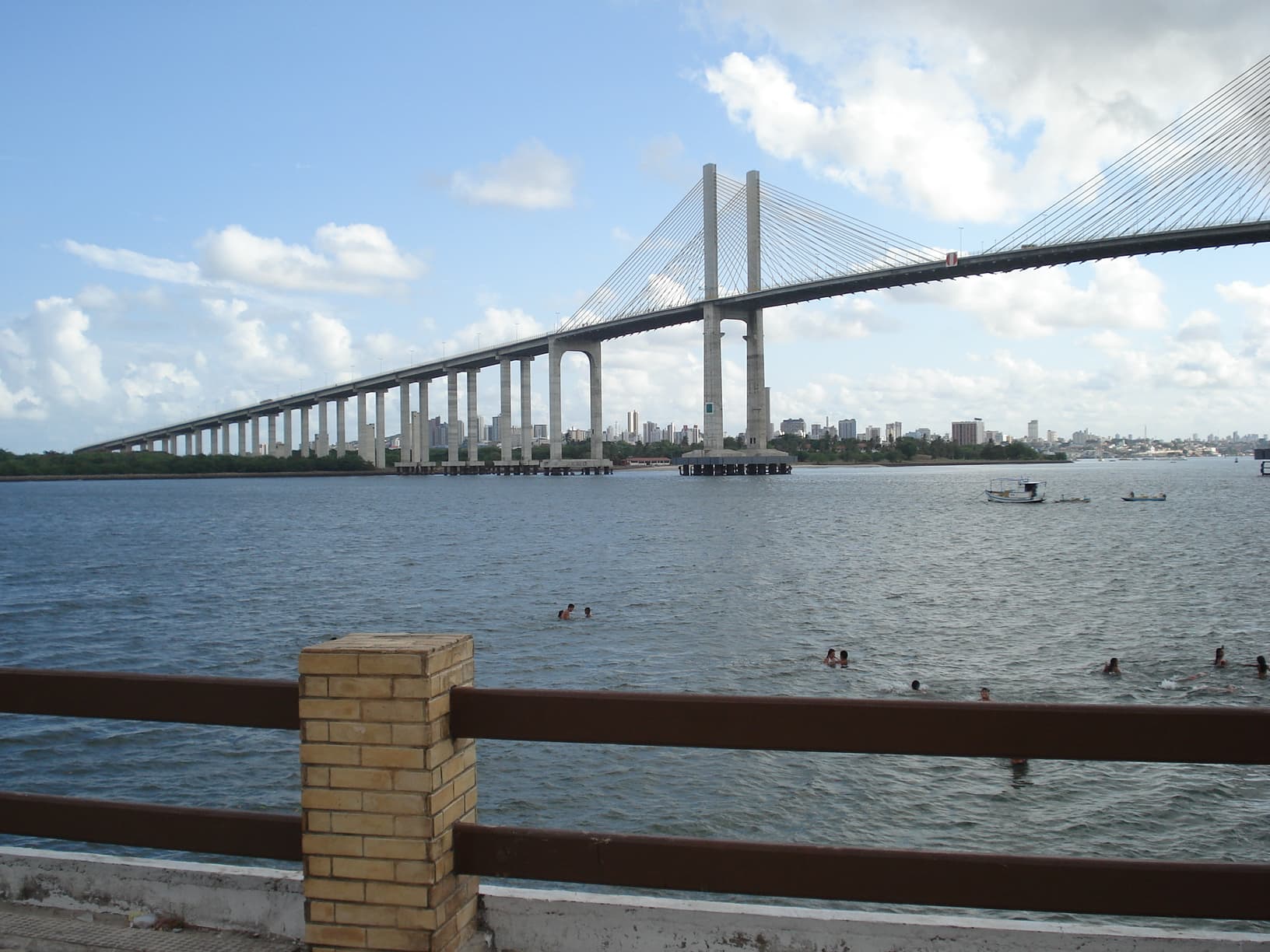 Newton Navarro BridgeThe Newton Navarro Bridge is a cable-stayed bridge over the Potengi River in Nat15 minutes walk4.9
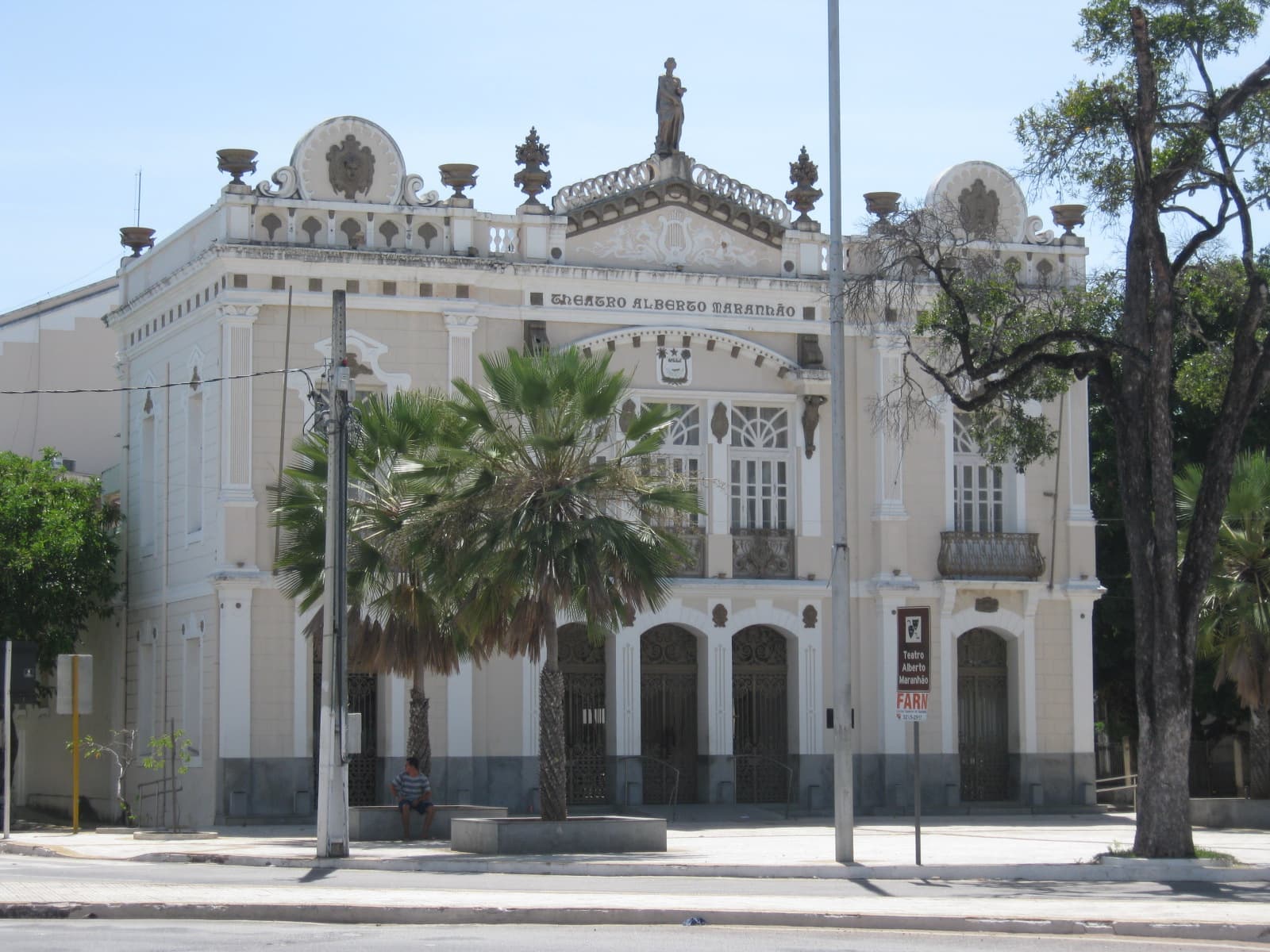 Teatro Alberto MaranhãoThe Alberto Maranhão Theatre is Natal's most traditional theatre, in the histori16 minutes walk4.7
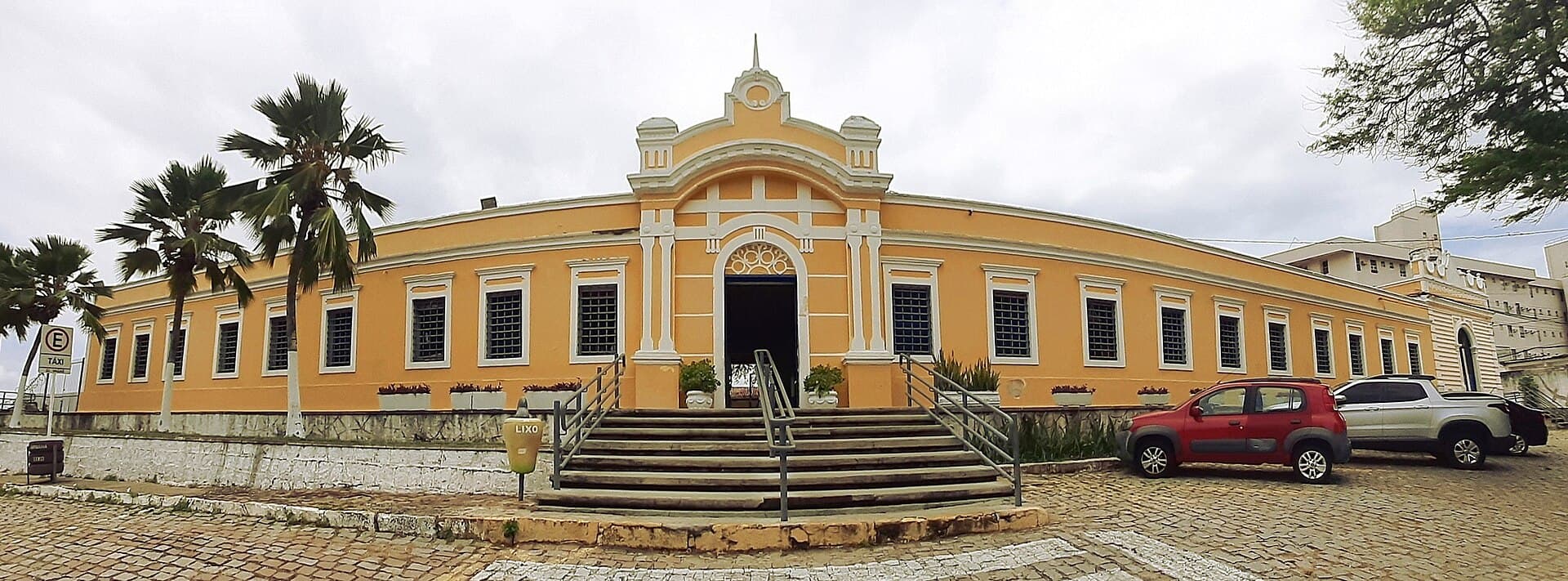 Centro de Turismo de NatalNatal's Tourism Centre is a cultural and craft complex in the Praia do Meio dist19 minutes walk4.6
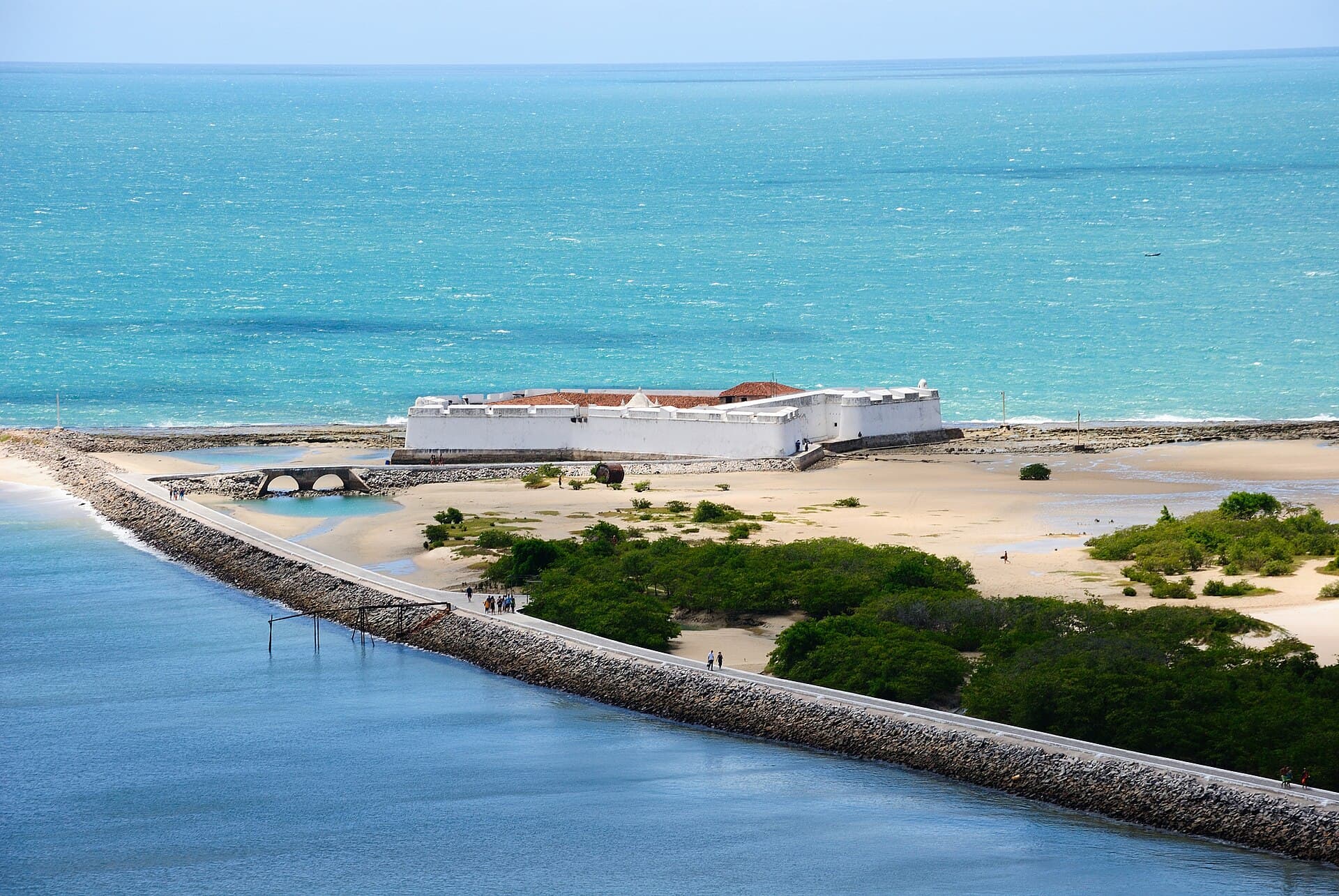 Forte dos Reis MagosThe Forte dos Reis Magos is the first landmark in Natal's history, standing on r20 minutes walk4.6
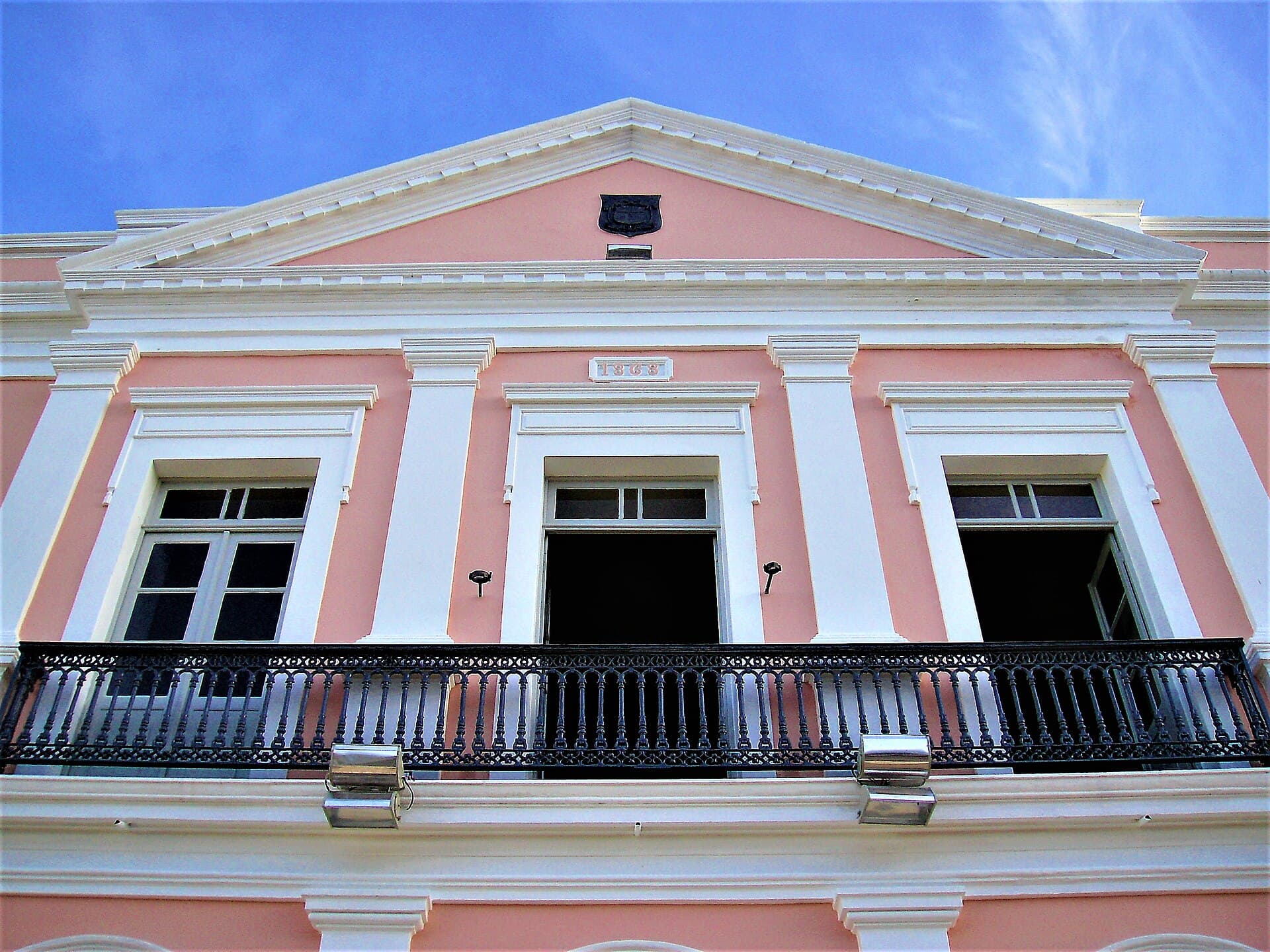 Palácio Potengi (State Pinacoteca)The Palácio Potengi, officially the «Potengi Palace Cultural Space», is a histor25 minutes walk4.4
As Brazil's closest point to Africa, it was a stepping stone for aircraft.