
The birth chapel
A small chapel on the site of the room she was born in.
Emilio J. Rodríguez Posada — CC BY-SA 2.0 · GO69 — CC BY 4.0 · Zarateman — CC BY-SA 4.0 · Zarateman — CC0
**A Baroque convent built on the site of the house where Teresa of Ávila was born** — at the southwestern edge of the walled city. It was built in **1636** on the site of **the saint's family house**, ⚠ **only fourteen years after her canonisation** — **an unusually swift architectural tribute**. ✅ **It has three parts**: **the Baroque church**, **a small chapel standing on the site of the room where she was born**, **and a museum** of objects attributed to her. ⚠ **The museum displays relics** — **a finger from her hand** in a reliquary; ⚠ **which some visitors find distressing**. ✅ **Teresa is an exceptional figure**: **a nun who reformed her order, founded seventeen convents, and wrote works of mysticism still read**, **and the first woman declared a Doctor of the Church**, in 1970.
A small chapel on the site of the room she was born in.
A 17th-century front and interior.
Objects and manuscripts attributed to the saint.
Plaza de la Santa 2, 05001 Avila, Spain
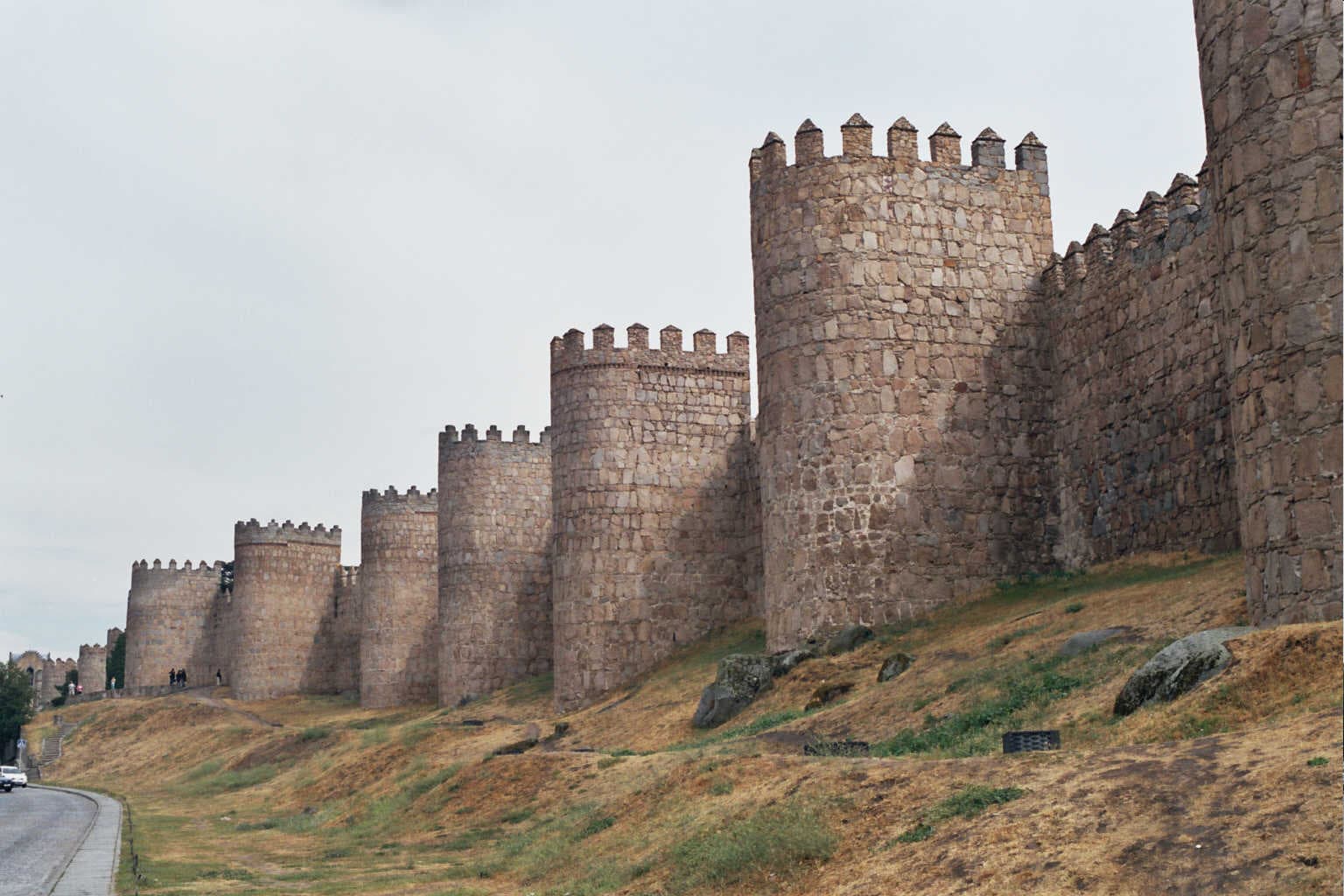 The Walls of Ávila**The most complete medieval city walls in Europe — 2.5 km, 88 towers and 9 gate6 minutes walk4.7
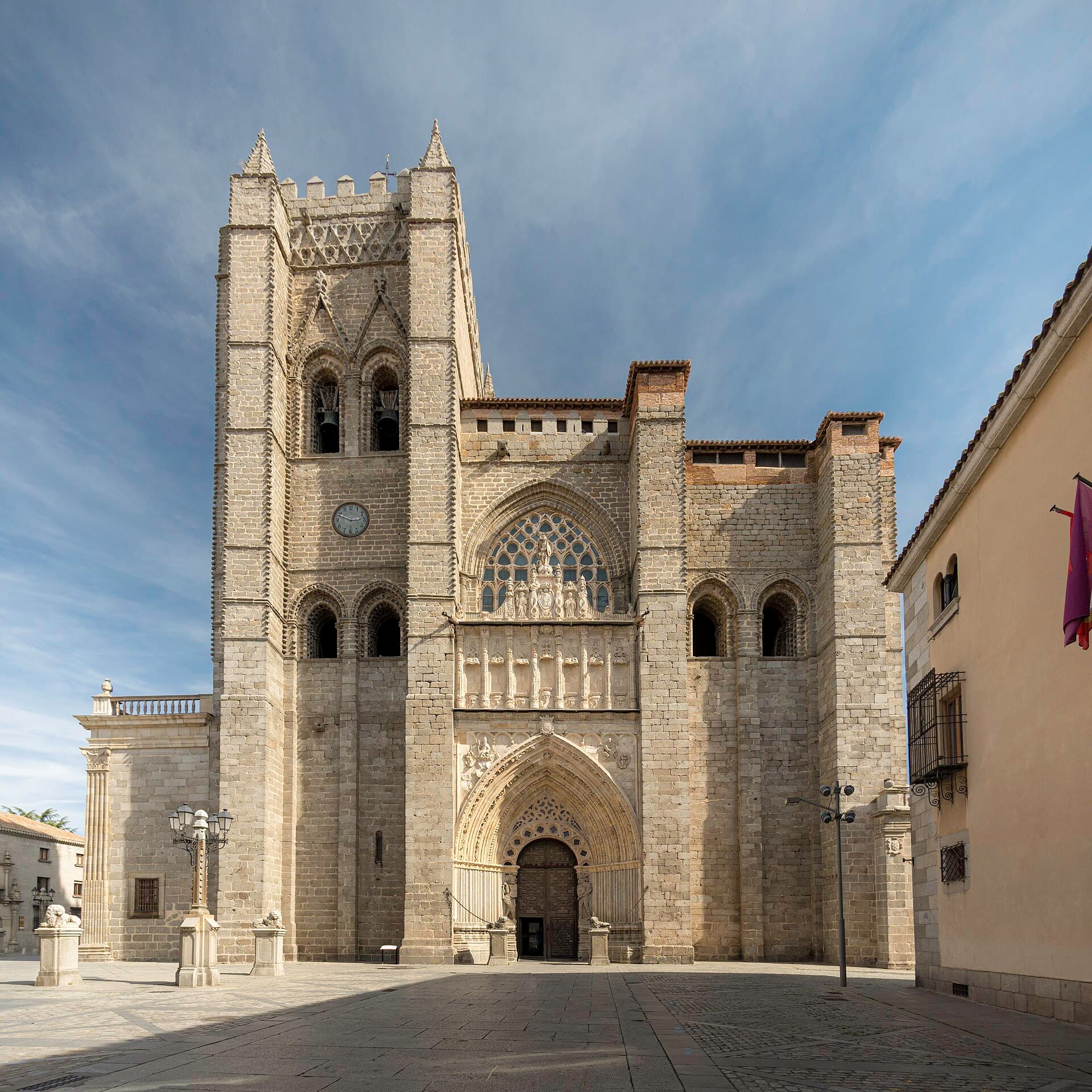 Ávila Cathedral**Spain's first Gothic cathedral — and its apse is not an apse but a defensive t6 minutes walk4.4
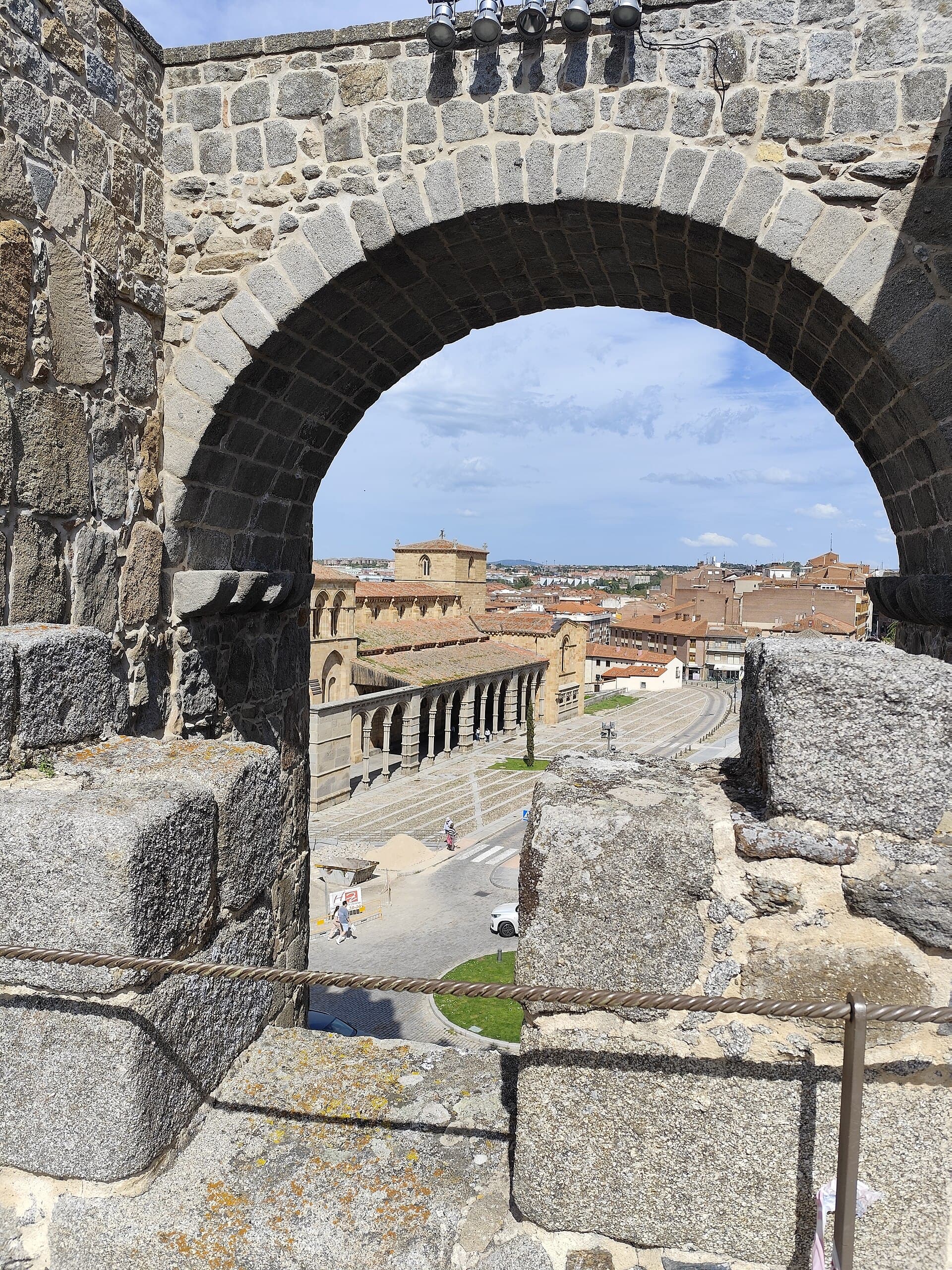 Basilica of San Vicente**A Romanesque church just outside the walls, holding a carved tomb among the fi8 minutes walk4.5
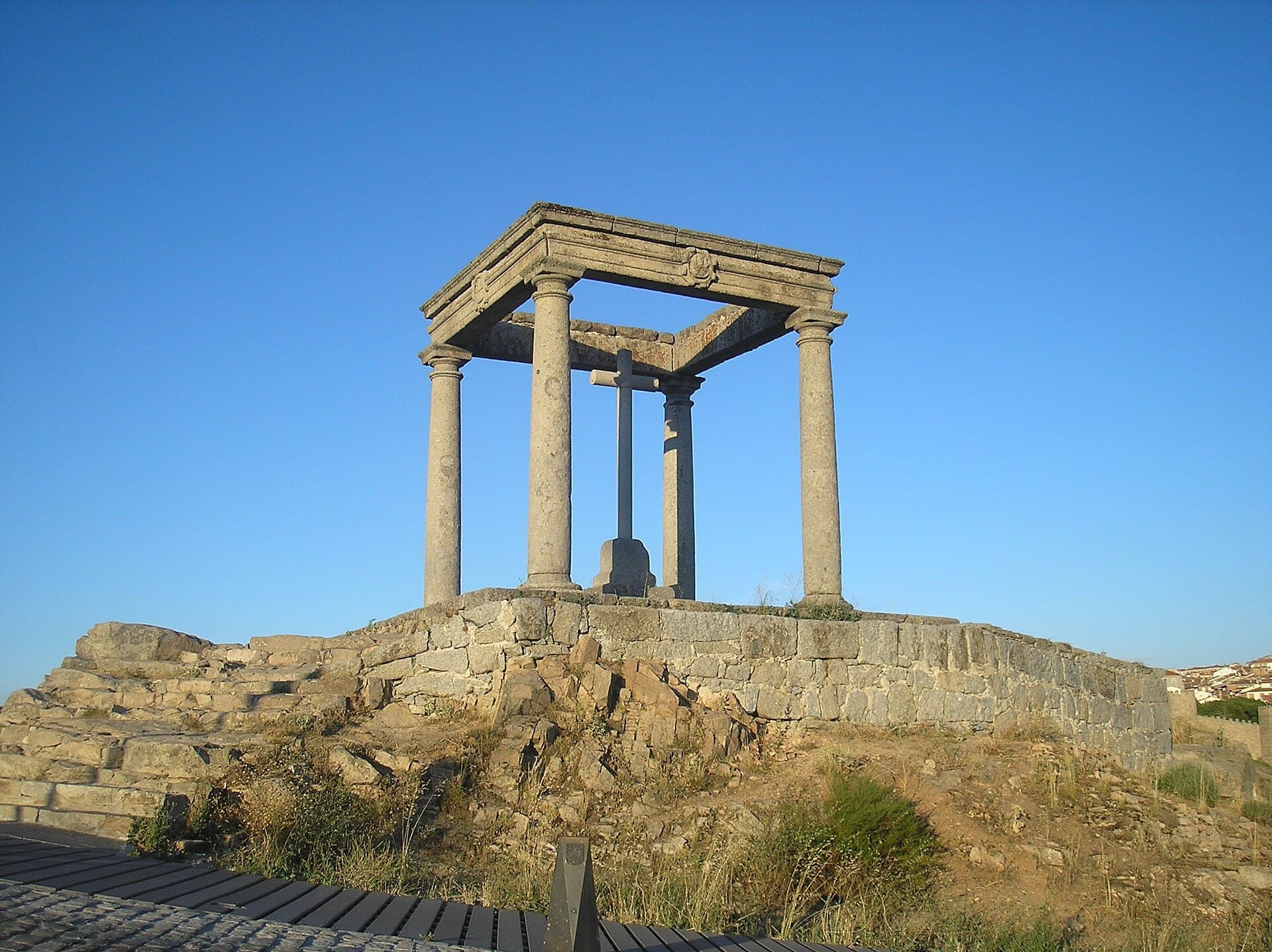 Los Cuatro Postes**Four stone columns and a cross on a hill outside the city — and the best view 11 minutes walk4.8
**A nun who reformed her order in the face of authority, and wrote about inner experience in language nobody had used before.** ✅ **Who she was**: **Teresa de Cepeda** (1515–1582), born in Ávila ⚠ **to a family of converted Jewish descent** (*converso*) — **a precarious position in Inquisition Spain**. ✅ **The reform**: **she entered a Carmelite house and found it comfortable and lax** — **convents open to visitors, nuns of different classes with different privileges**; ⚠ **so she founded a new branch, the Discalced Carmelites** — **strict poverty, enclosure, small numbers in each house**, **and no class privilege**. ✅ **She founded seventeen convents**, travelling across Spain by cart — **a sick woman in the 16th century moving, founding and negotiating**. ⚠ **She met fierce resistance** from her own order and from the authorities, **and was investigated by the Inquisition**. ✅ **The writing**: ***The Life***, ***The Interior Castle*** and ***The Way of Perfection*** — ⚠ **describing mystical experience in direct, practical and sometimes wry language**, **not theological language**; **which is why she is read outside the Church as well**. ✅ **She was declared a Doctor of the Church in 1970** — **the first woman**, alongside Catherine of Siena.