
The wall-top walk
Two open sections looking over the city and the plain.
Pelayo2 — CC BY-SA 3.0 · Selbymay — CC BY-SA 3.0 · Pablo Costa Tirado (… — CC BY-SA 3.0 · Luis Rogelio HM — CC BY-SA 2.0
**The most complete medieval city walls in Europe — 2.5 km, 88 towers and 9 gates enclosing the whole old town** — with not a section demolished. They were built from the late **11th century** after the city was retaken, **in local granite**, ⚠ **standing some 12 metres high and three metres thick**. ⚠ **What distinguishes them is their completeness**: **most European cities pulled their walls down in the 19th century** to expand — ✅ **and Ávila did not**, **so the circuit stands closed as it was**. ✅ **A substantial part can be walked** — ⚠ **not the whole circuit**, but two sections. ⚠ **The cathedral's apse forms part of the wall itself** — **the church built into the defence**. ✅ **And Ávila is Spain's highest provincial capital** — 1,130 metres, ⚠ **and very cold**.
Two open sections looking over the city and the plain.
The church itself forming part of the defensive wall.
The mightiest gate, with two joined towers.
Calle Marques de Santo Domingo, 05001 Avila, Spain
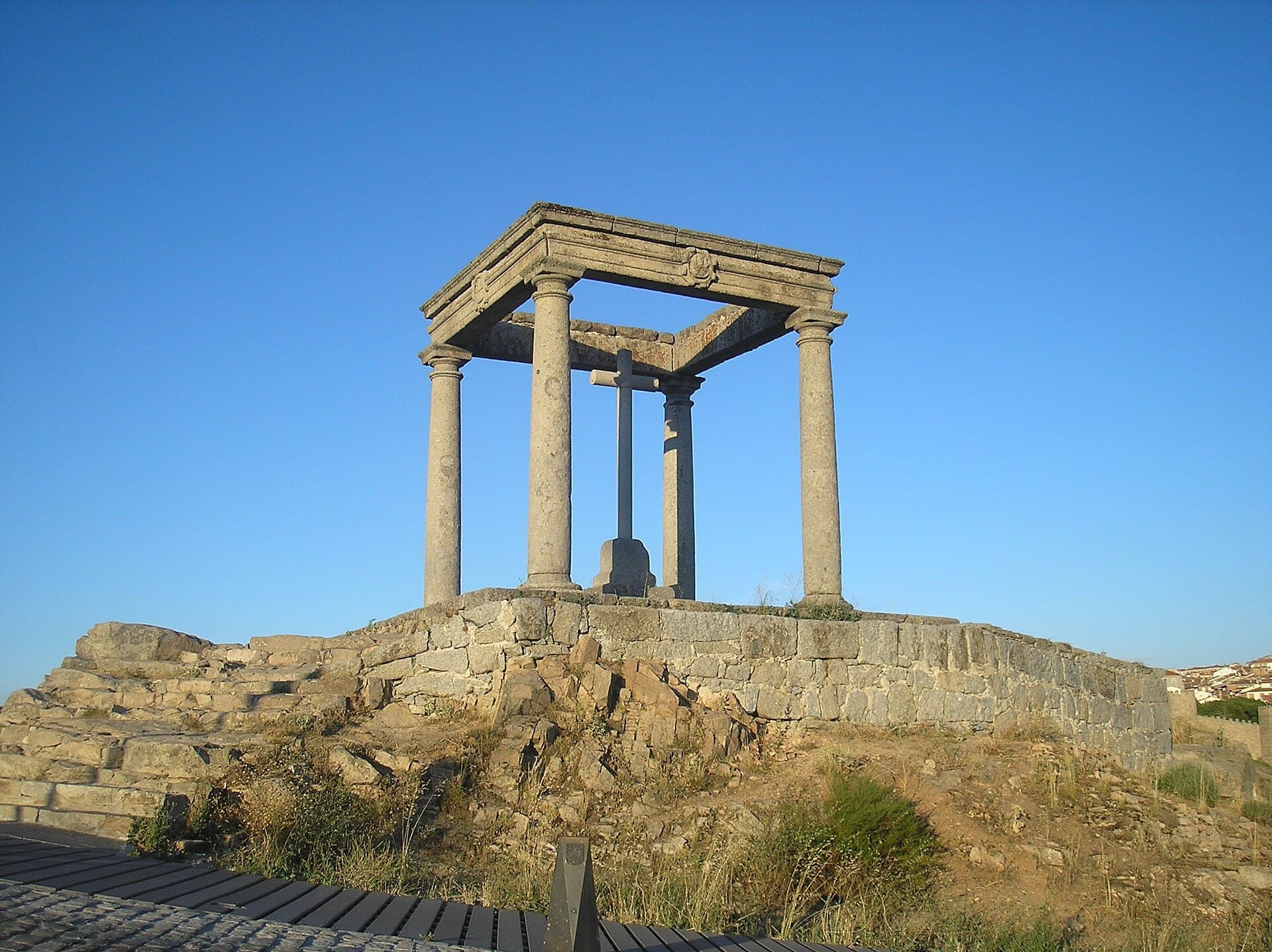 Los Cuatro Postes**Four stone columns and a cross on a hill outside the city — and the best view 5 minutes walk4.8
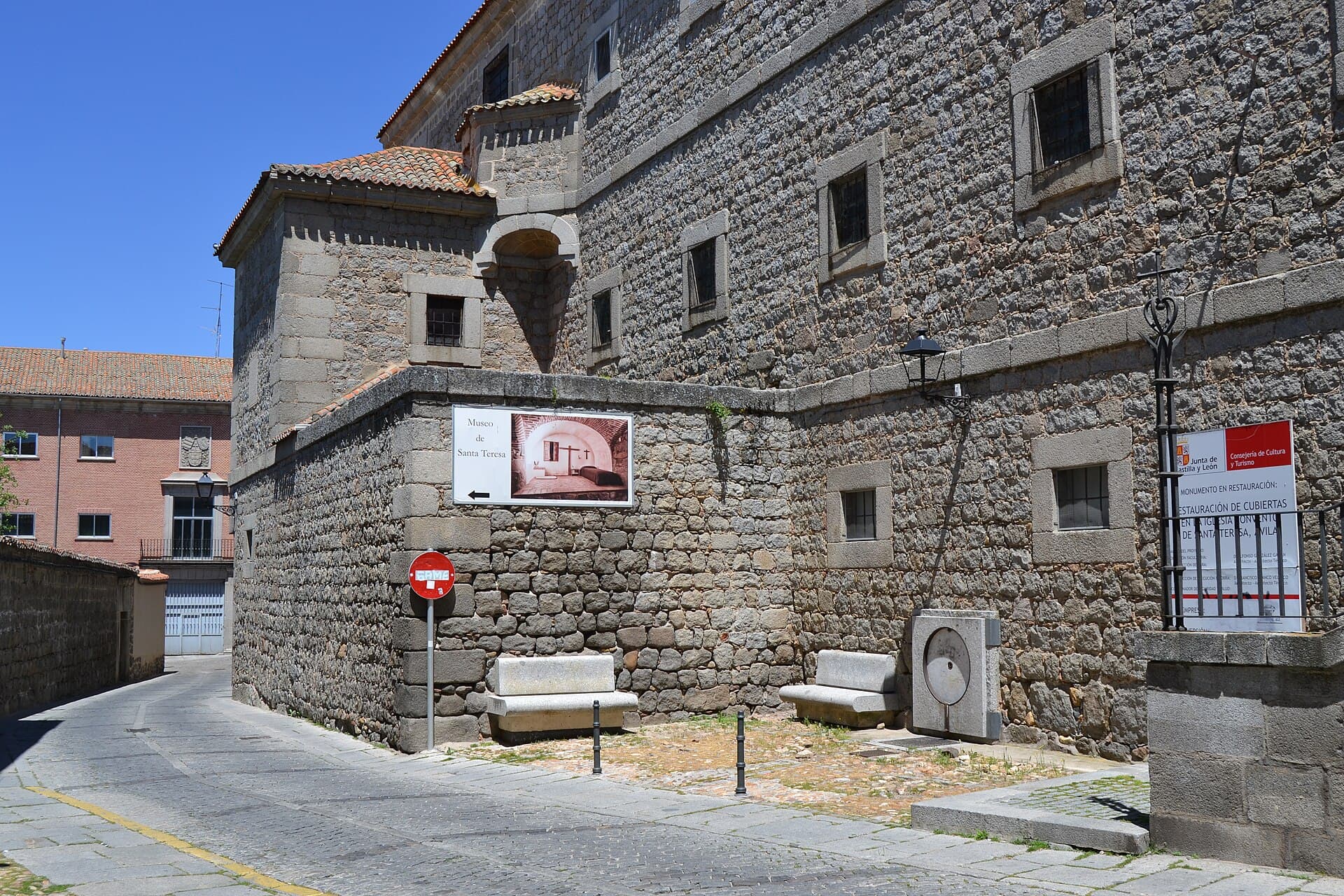 The Convent of Saint Teresa**A Baroque convent built on the site of the house where Teresa of Ávila was bor6 minutes walk4.6
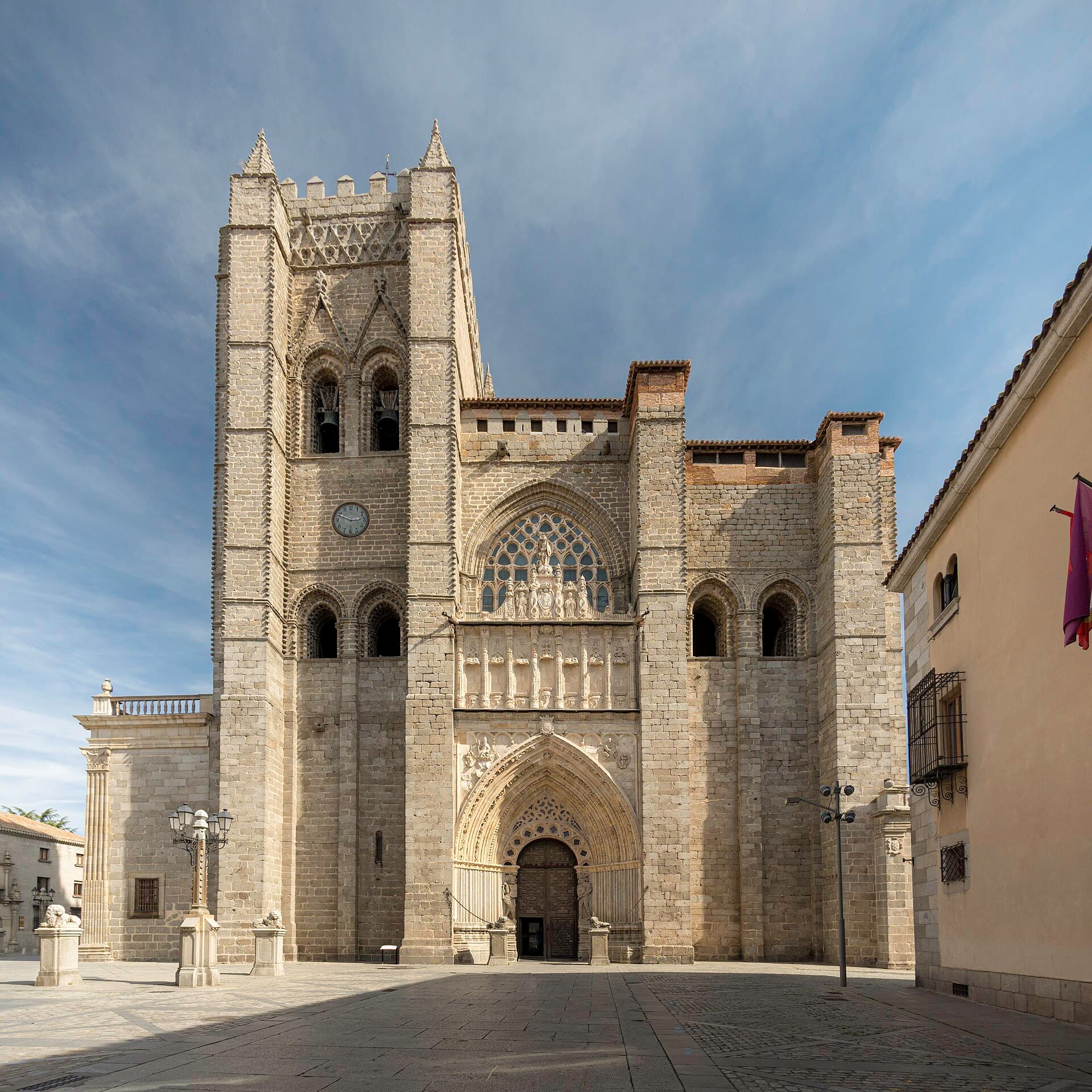 Ávila Cathedral**Spain's first Gothic cathedral — and its apse is not an apse but a defensive t11 minutes walk4.4
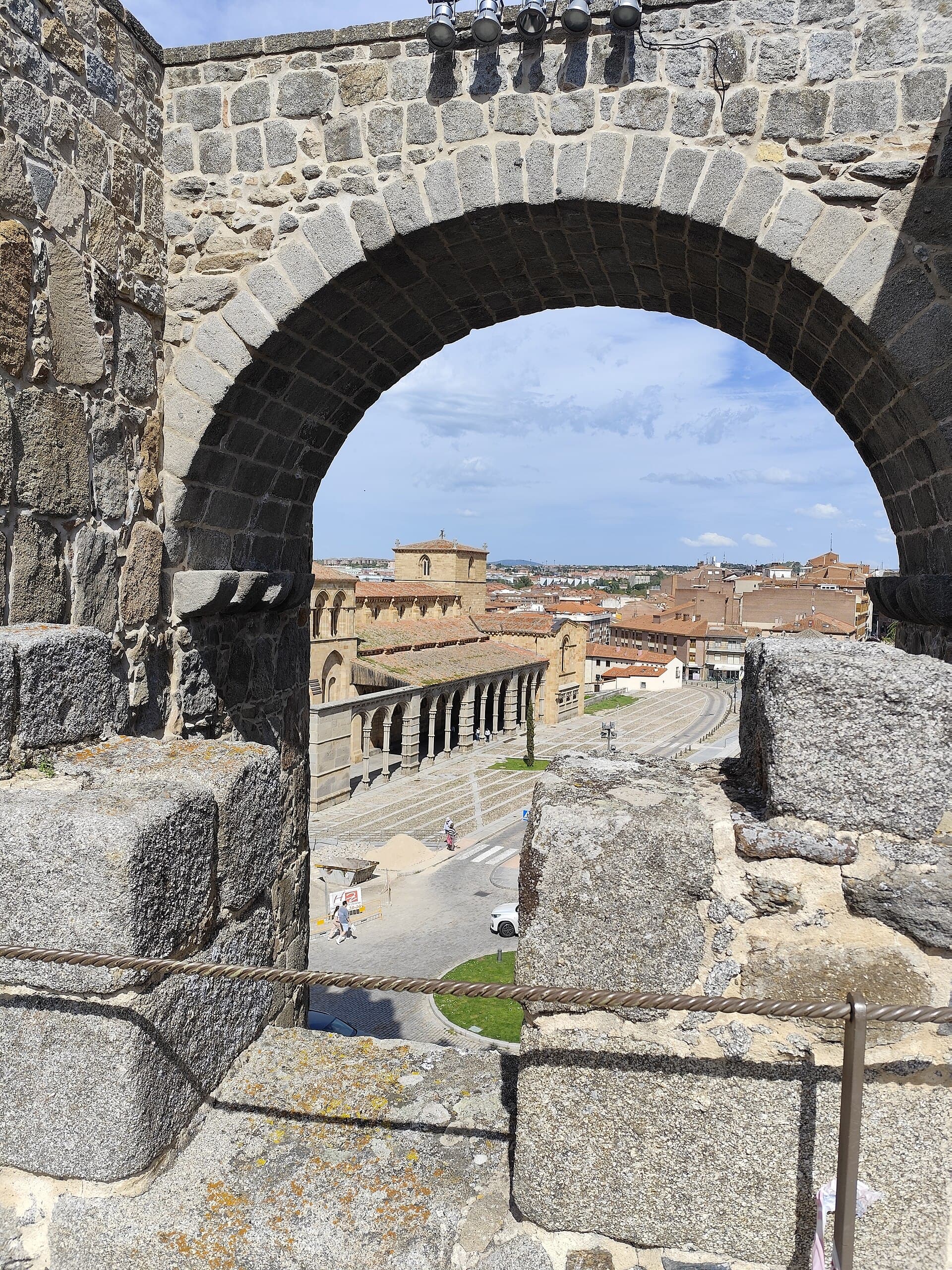 Basilica of San Vicente**A Romanesque church just outside the walls, holding a carved tomb among the fi12 minutes walk4.5
**Because the city did not grow — and poverty preserved what wealth demolished elsewhere.** ✅ **The general rule**: **most European cities pulled their walls down in the 19th century** for two reasons: **they had become militarily useless against modern artillery**, ⚠ **and urbanistically strangling** — **penning in a city that wanted to expand**; **so they became ring roads**, as in Vienna and Barcelona. ⚠ **The driver was economic**: **land under and around a wall is valuable**, **and demolition opens it for building**. ✅ **Ávila faced no such pressure**: ⚠ **the city declined economically after the 16th century** — **losing its textile industry, shedding population**, **and missing 19th-century industrialisation**. ✅ **So nobody wanted the land and there was no money to demolish** — **and the wall obstructed no expansion because there was none**. ⚠ **Then when the city finally grew in the 20th century it grew outside the wall** — **awareness of its value having taken hold by then**. ✅ **The pattern is general**: **heritage often survives through stagnation rather than protection**; **Mystras, Ravenna and Lefkada are other instances**. ⚠ **The irony**: **historic poverty is Ávila's tourist capital today**.