
The hook at the peak
The forward tilt is deliberate so hoisted furniture clears the facade.
M.Minderhoud — CC BY-SA 3.0 · Bybbisch94, Christian Gebhardt — CC BY-SA 4.0 · Bybbisch94, Christian Gebhardt — CC BY-SA 4.0 · Bybbisch94, Christian Gebhardt — CC BY-SA 4.0
A street and canal running from Centraal Station to Dam Square, with a row of leaning coloured houses along its eastern bank known as the dancing houses, among the most photographed sights in the city. The leaning is not design but an engineering problem. Amsterdam is built on wet ground that carries no weight, so every building stands on timber piles driven tens of metres down to a firm sand layer. Over time the piles rot and settle unevenly, so the houses tilt — some forward, some sideways — and lean on their neighbours. The forward lean in some is nonetheless deliberate. The houses are narrow with steep stairs, so goods and furniture were hoisted up the outside on a hook fixed at the top. A forward tilt keeps the load from striking the facade as it rises. That is why almost every house has a hook at its peak. Damrak itself was the city's inner harbour before parts were filled in; the name means the quay's reach, and the dam that gave Amsterdam its name stood here. Practical points: the street is public, free and always open, and it is among the city's most crowded and most touristed for shops — walk it, but do not eat or shop on it.
The forward tilt is deliberate so hoisted furniture clears the facade.
Every building stands on timber driven down to a deep sand layer.
Amsterdam means the dam on the Amstel, and it stood on this spot.
Between Centraal Station and Dam Square, Amsterdam
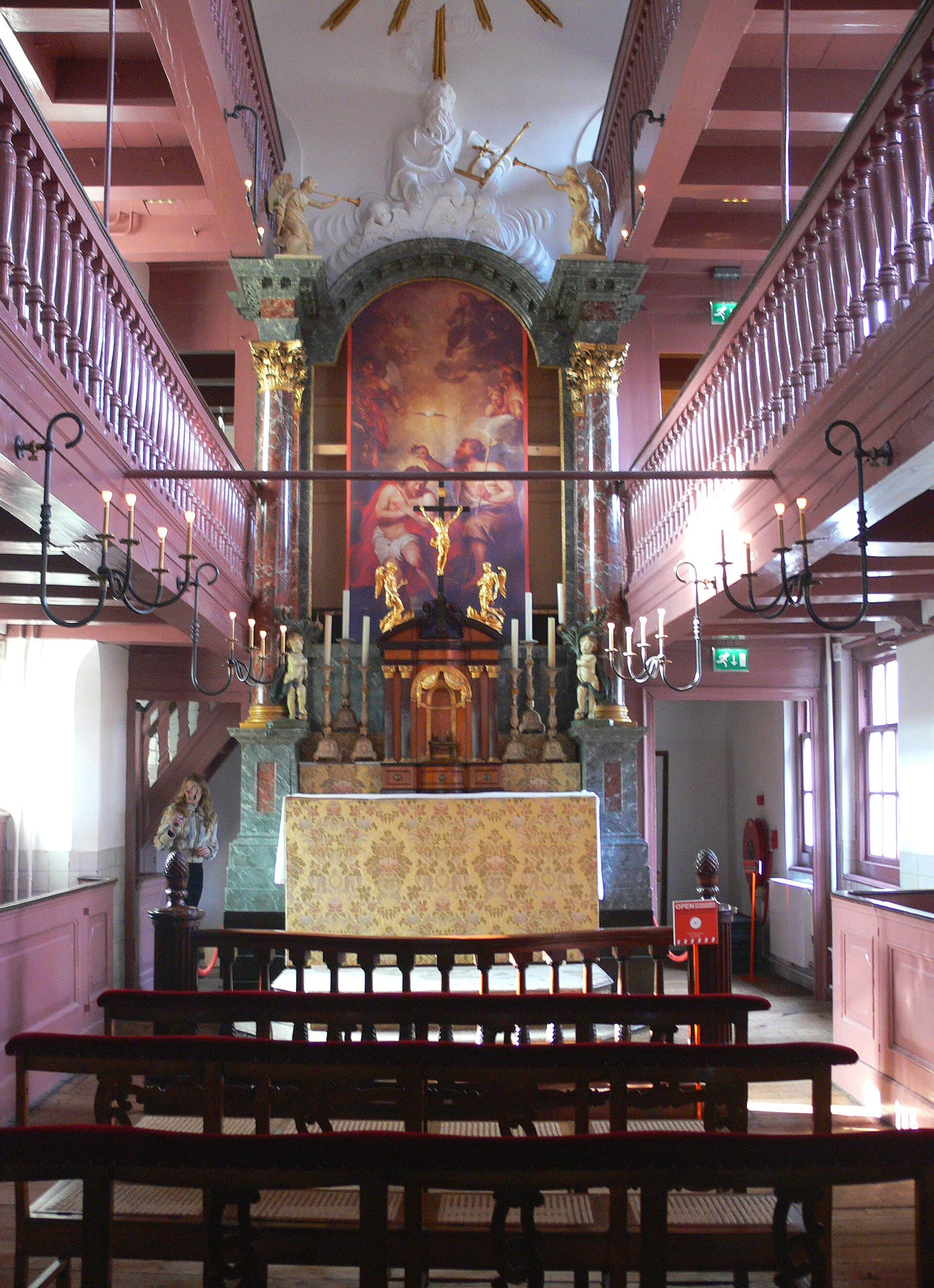 Our Lord in the AtticOur Lord in the Attic is Amsterdam's strangest museum: an ordinary seventeenth-c2 minutes walk4.8
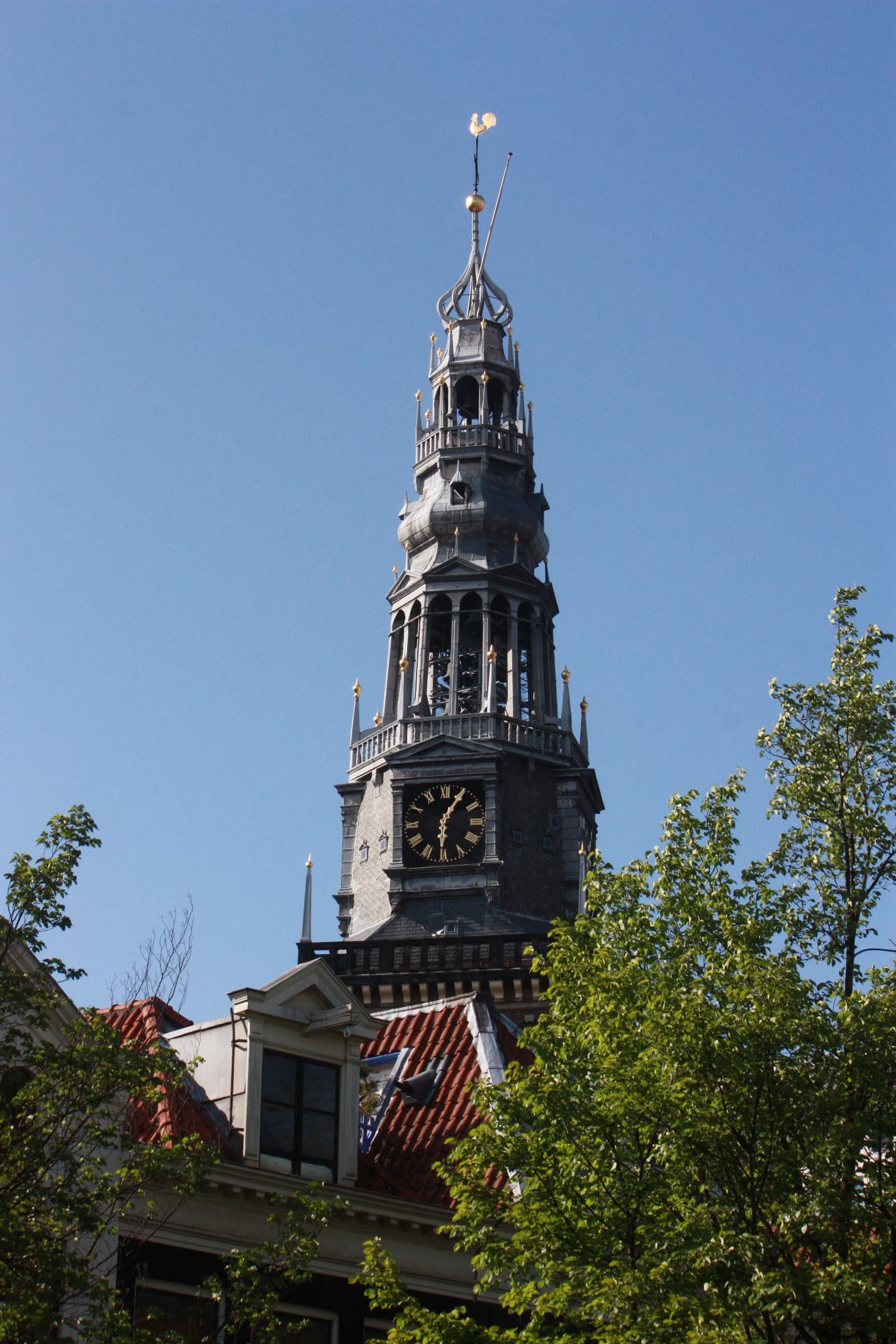 The Old Church TowerThe tower of Amsterdam's Old Church, the oldest standing building in the city, t2 minutes walk4.5
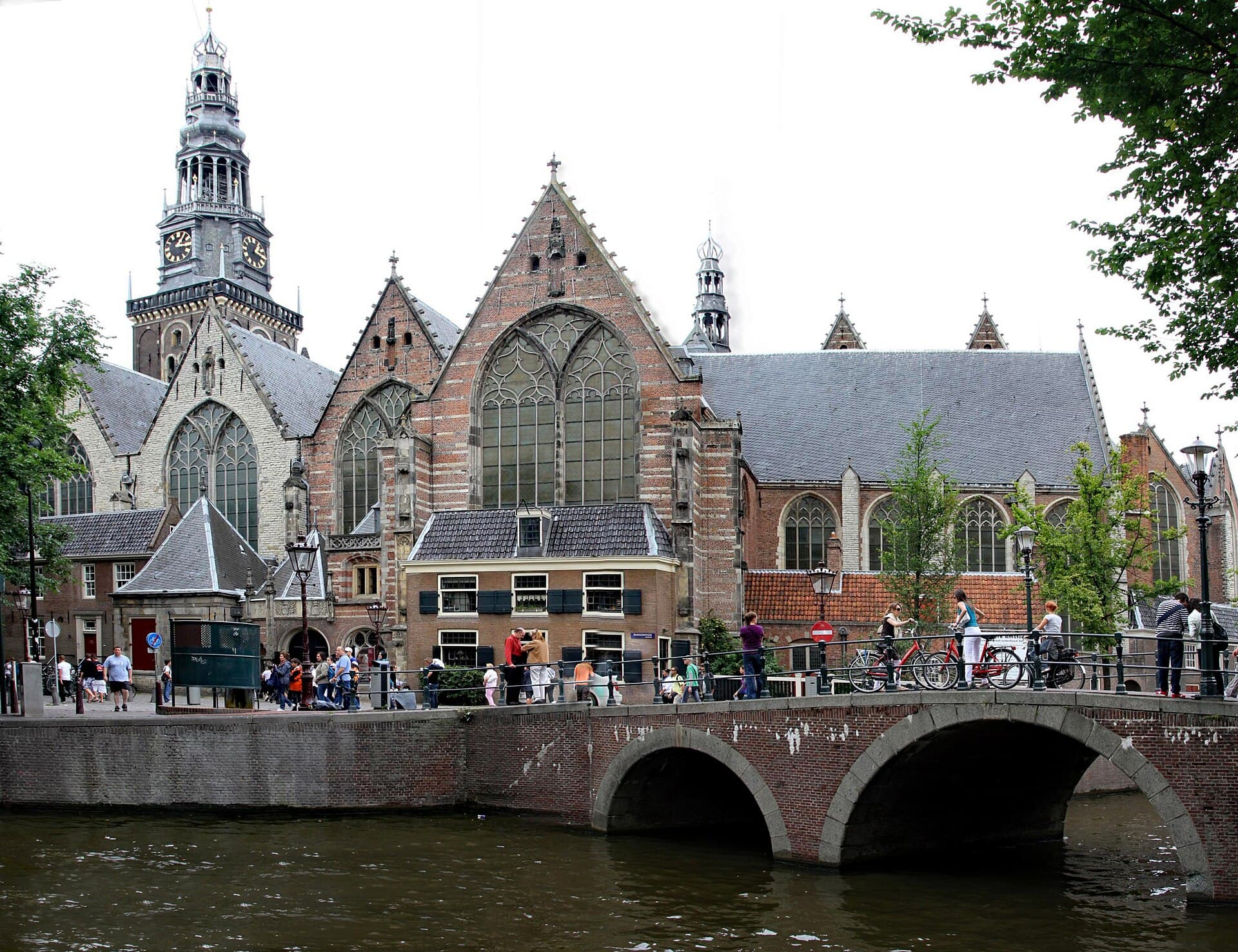 Oude Kerk (Old Church)The Oude Kerk is Amsterdam's oldest building (c. 1306) and its oldest parish chu3 minutes walk4.3
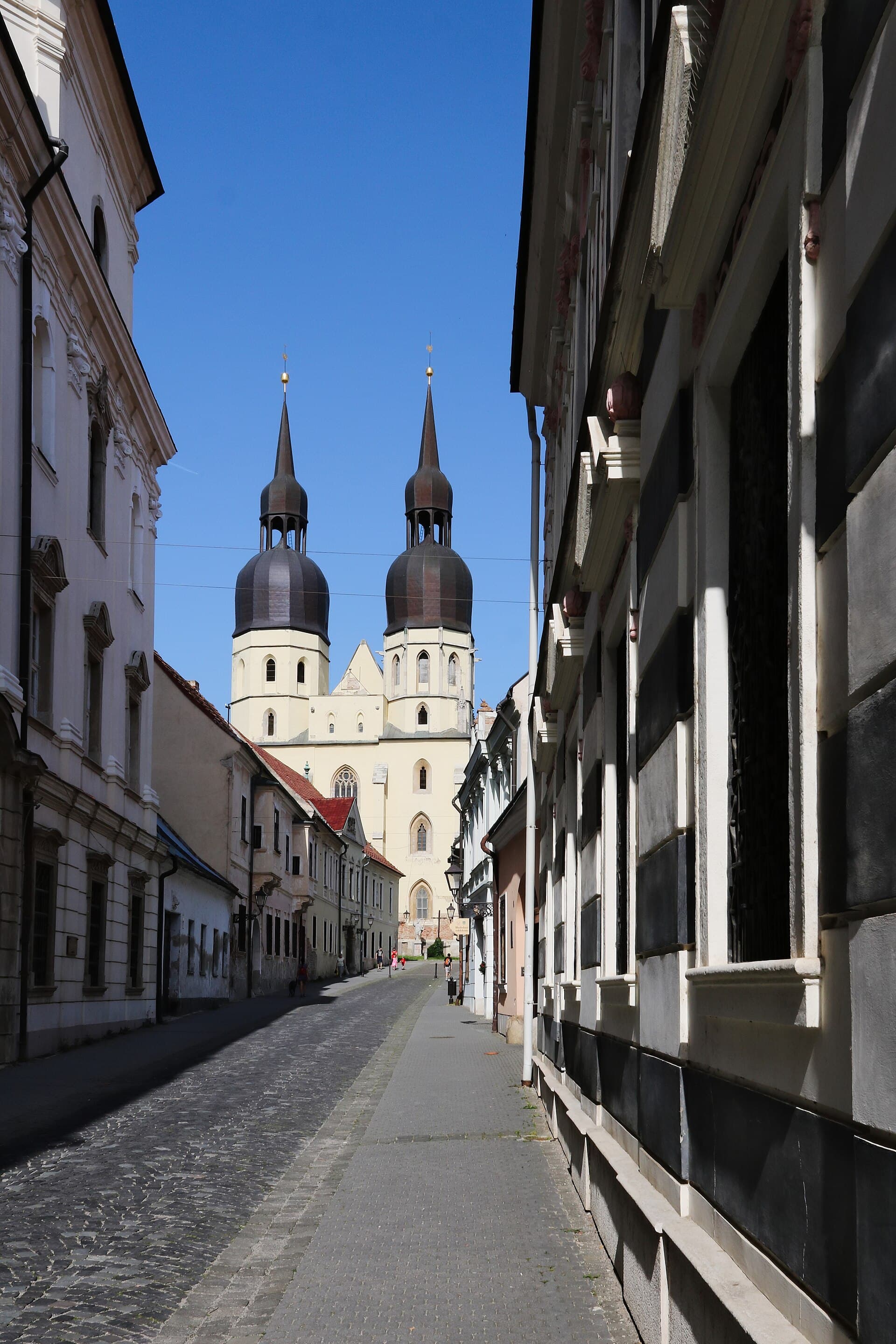 The Basilica of St NicholasThe Basilica of St Nicholas stands directly opposite Centraal Station, the first3 minutes walk4.6
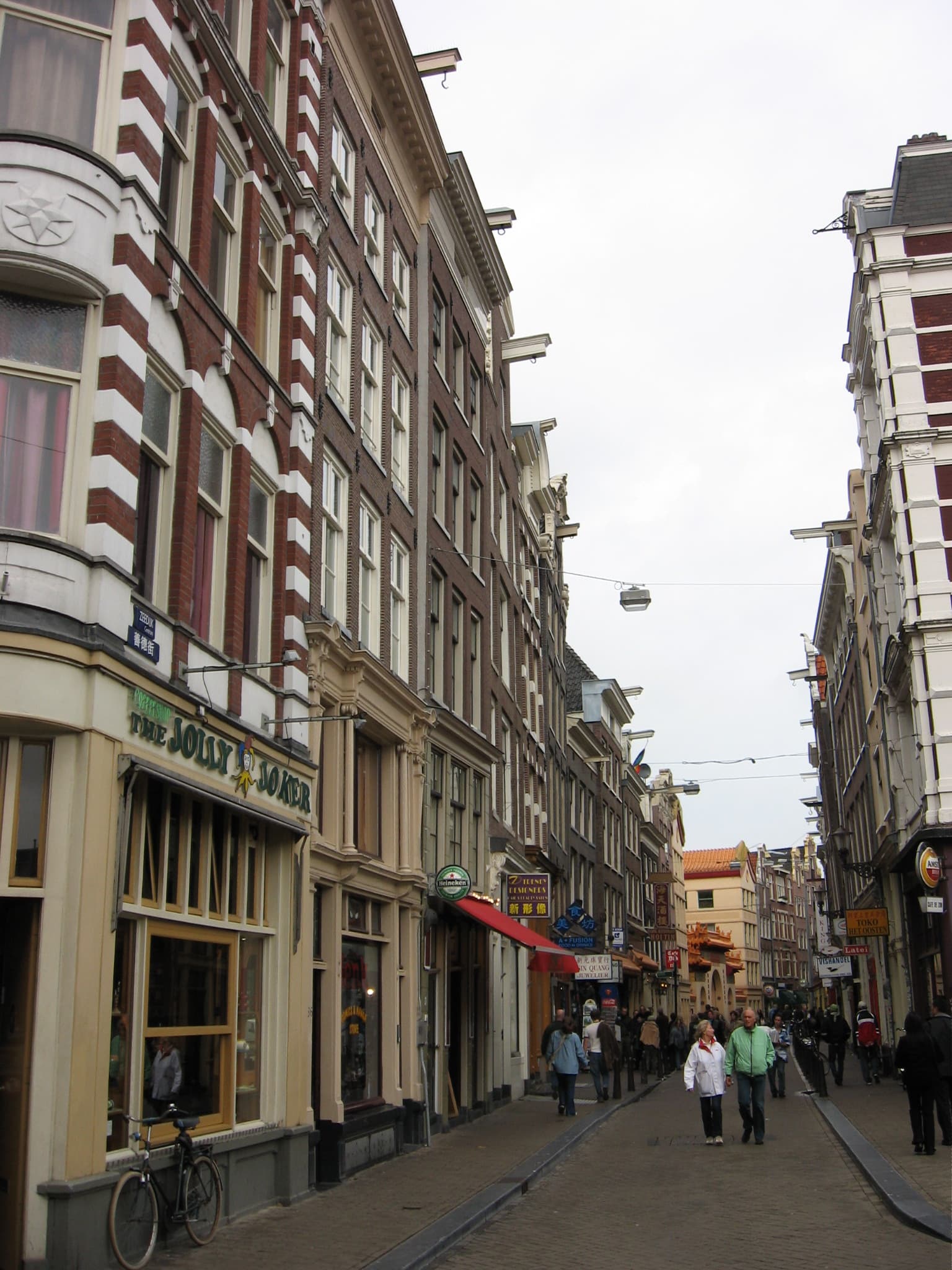 Zeedijk — Amsterdam's ChinatownA curving street near Centraal Station forming the heart of Amsterdam's Chinatow4 minutes walk4.4
Yes. The tilt accumulated over centuries, the buildings are monitored and supported, and many have had their timber piles replaced with concrete. The city tracks the lean with periodic measurements. But the problem is real at city scale: thousands of Amsterdam buildings stand on timber piles over a century old, and remedying that is a costly and continuing matter.
Turn into the Nine Streets west of the canals, or the Jordaan, or De Pijp to the south. Damrak and Kalverstraat are the most expensive and worst-value food in the city because they depend on passers-by who never return. Two minutes' walk to the side changes both quality and price completely.