
A quarter born in engine rooms
Sailors from Guangdong worked Dutch ships and settled here.
M.Minderhoud — CC BY-SA 3.0 · Txllxt TxllxT — CC BY-SA 4.0 · Txllxt TxllxT — CC BY-SA 4.0 · Arwin Meijer — CC BY-SA 3.0
A curving street near Centraal Station forming the heart of Amsterdam's Chinatown, holding the Fo Guang Shan He Hua temple, the largest Chinese-style Buddhist temple in Europe. The quarter grew out of the sea rather than from ordinary migration. In the early twentieth century Dutch shipping companies hired Chinese sailors, particularly from Guangdong, to work in ships' engine rooms. Many settled near the harbour on this street between voyages, and boarding houses and restaurants grew up to serve them. When shipping collapsed in the depression of the 1930s many lost their work and stayed. The street's name is centuries older: Zeedijk means sea dyke, and it was the city's original line of defence against the water before it expanded. The quarter today is a mixture: Chinese, Vietnamese and Thai restaurants, Asian grocers, and the temple, all of it immediately beside the red light district — a juxtaposition that surprises visitors. Practical points: the street is public, free and always open. The temple opens to visitors at set hours and entry is free or by donation — keep quiet and dress modestly, as it is a working place of worship.
Sailors from Guangdong worked Dutch ships and settled here.
Shipping collapsed, they lost work and stayed, and the quarter became permanent.
Zeedijk was the city's original defence line against the water.
Zeedijk, central Amsterdam
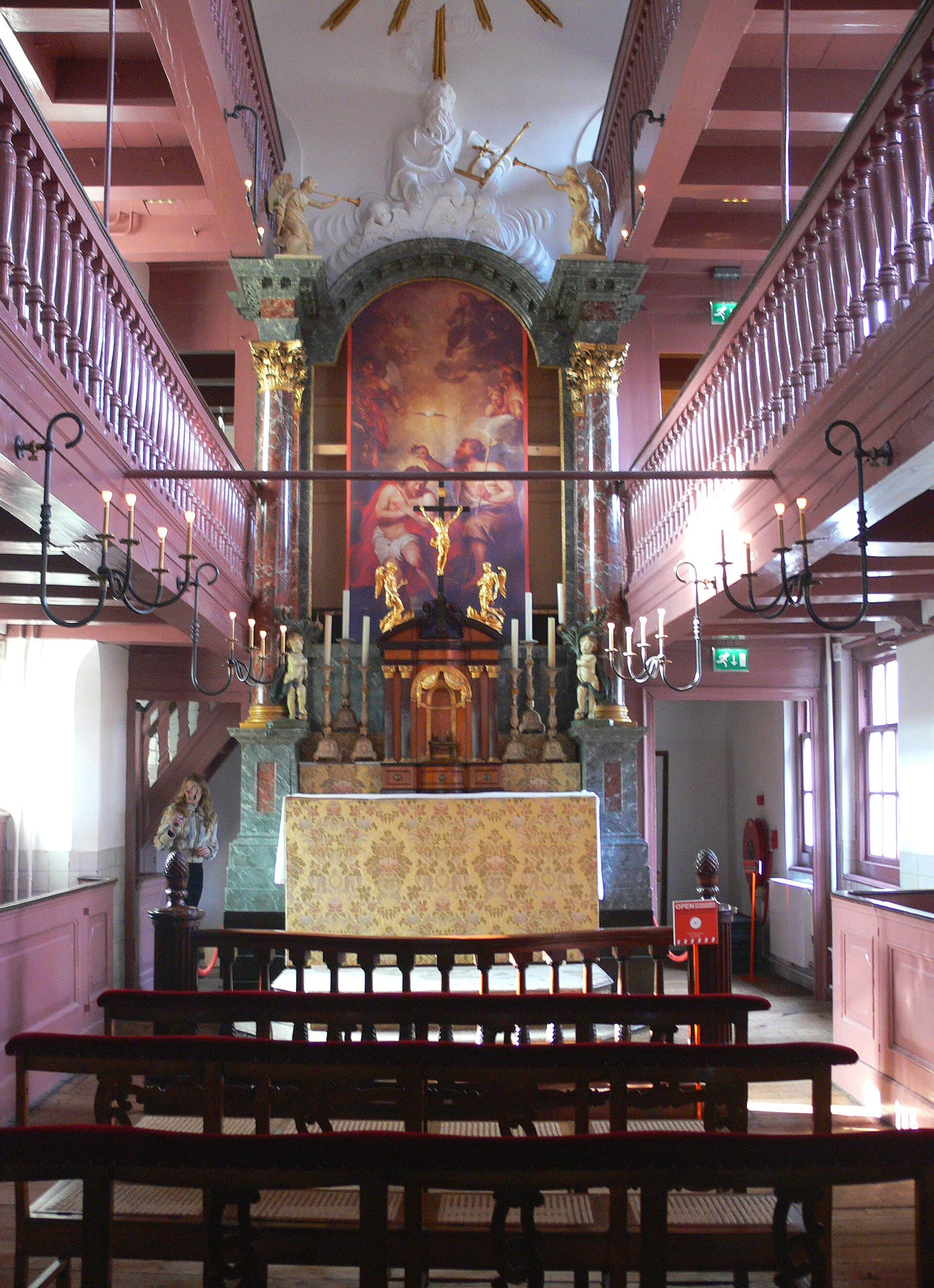 Our Lord in the AtticOur Lord in the Attic is Amsterdam's strangest museum: an ordinary seventeenth-c2 minutes walk4.8
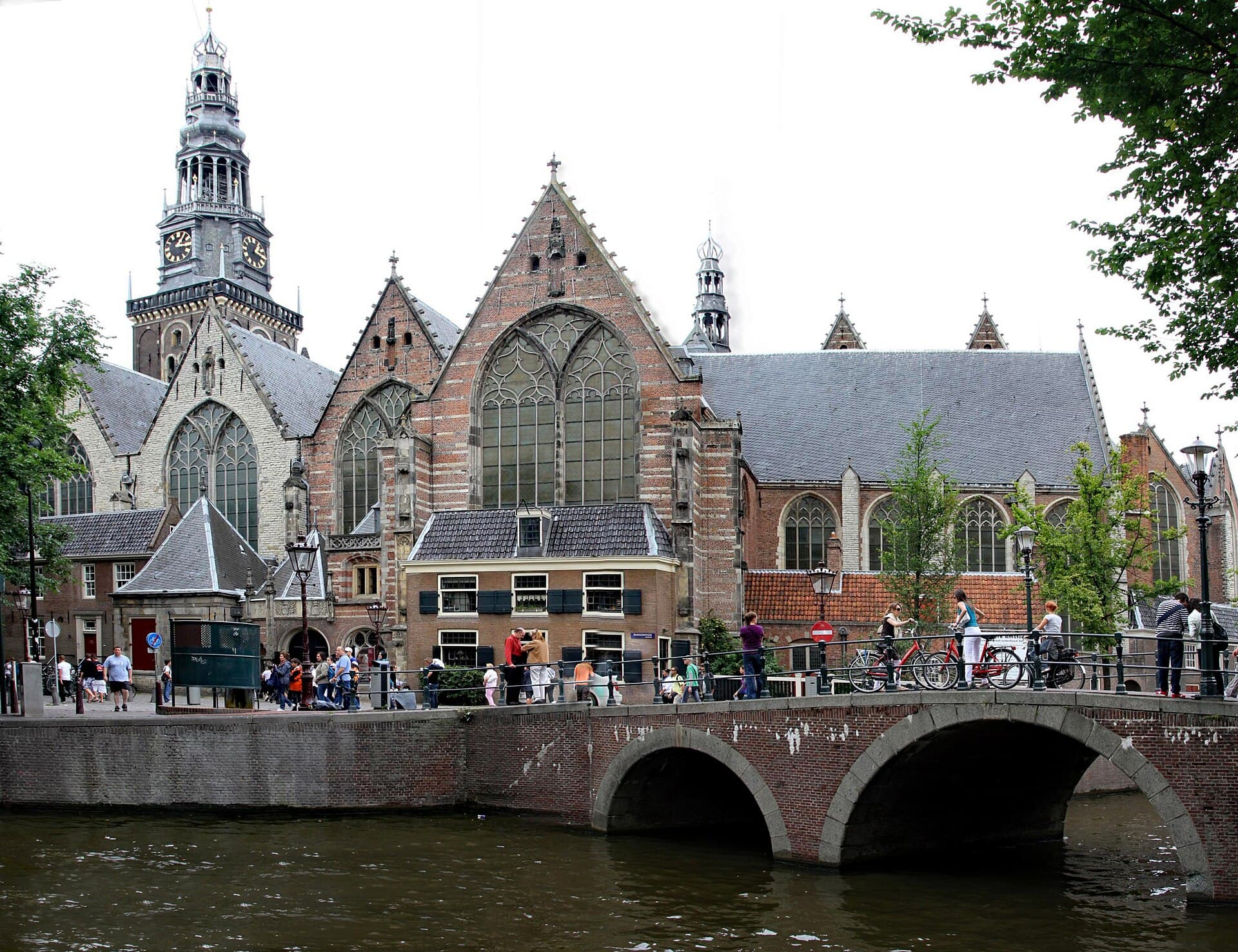 Oude Kerk (Old Church)The Oude Kerk is Amsterdam's oldest building (c. 1306) and its oldest parish chu2 minutes walk4.3
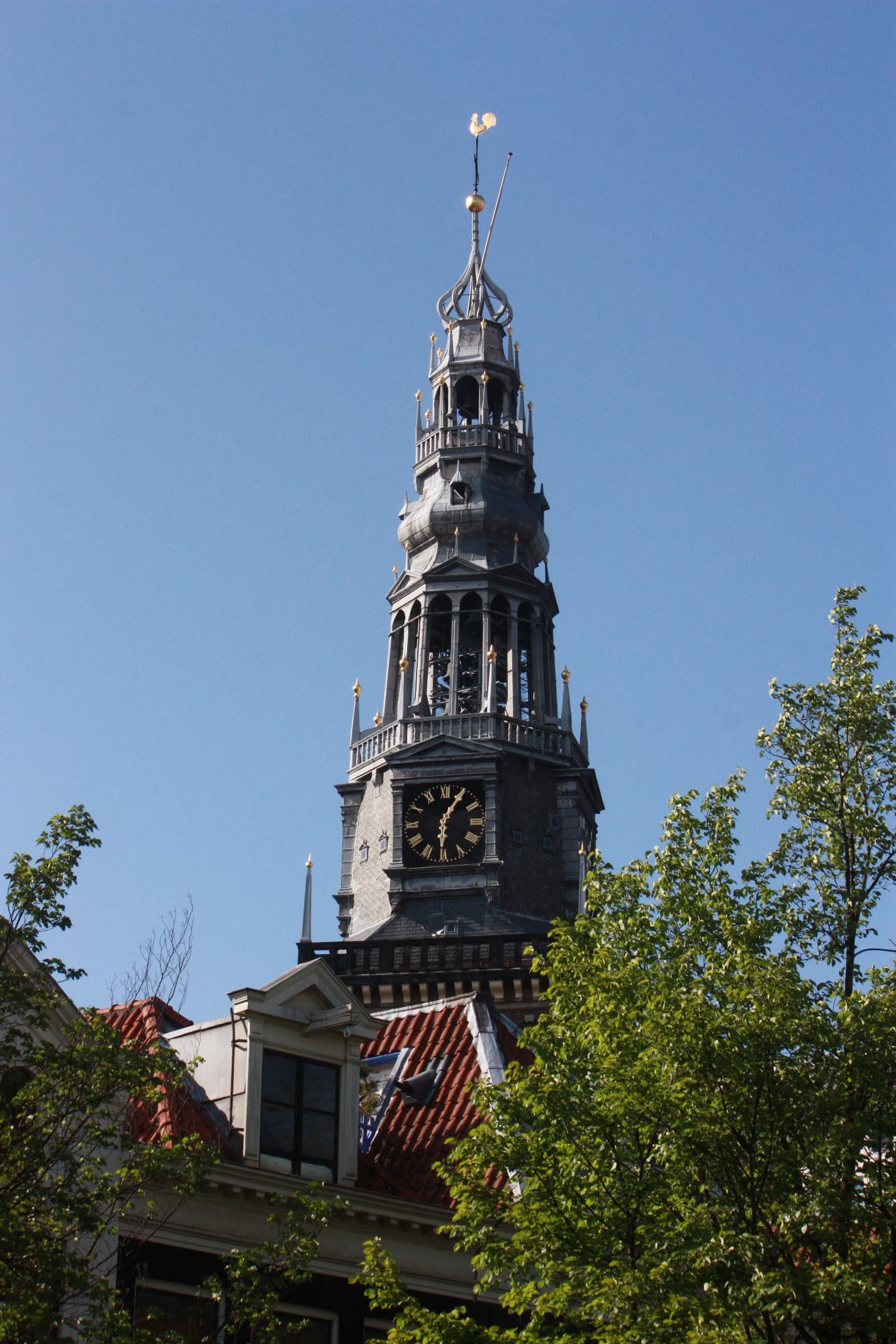 The Old Church TowerThe tower of Amsterdam's Old Church, the oldest standing building in the city, t2 minutes walk4.5
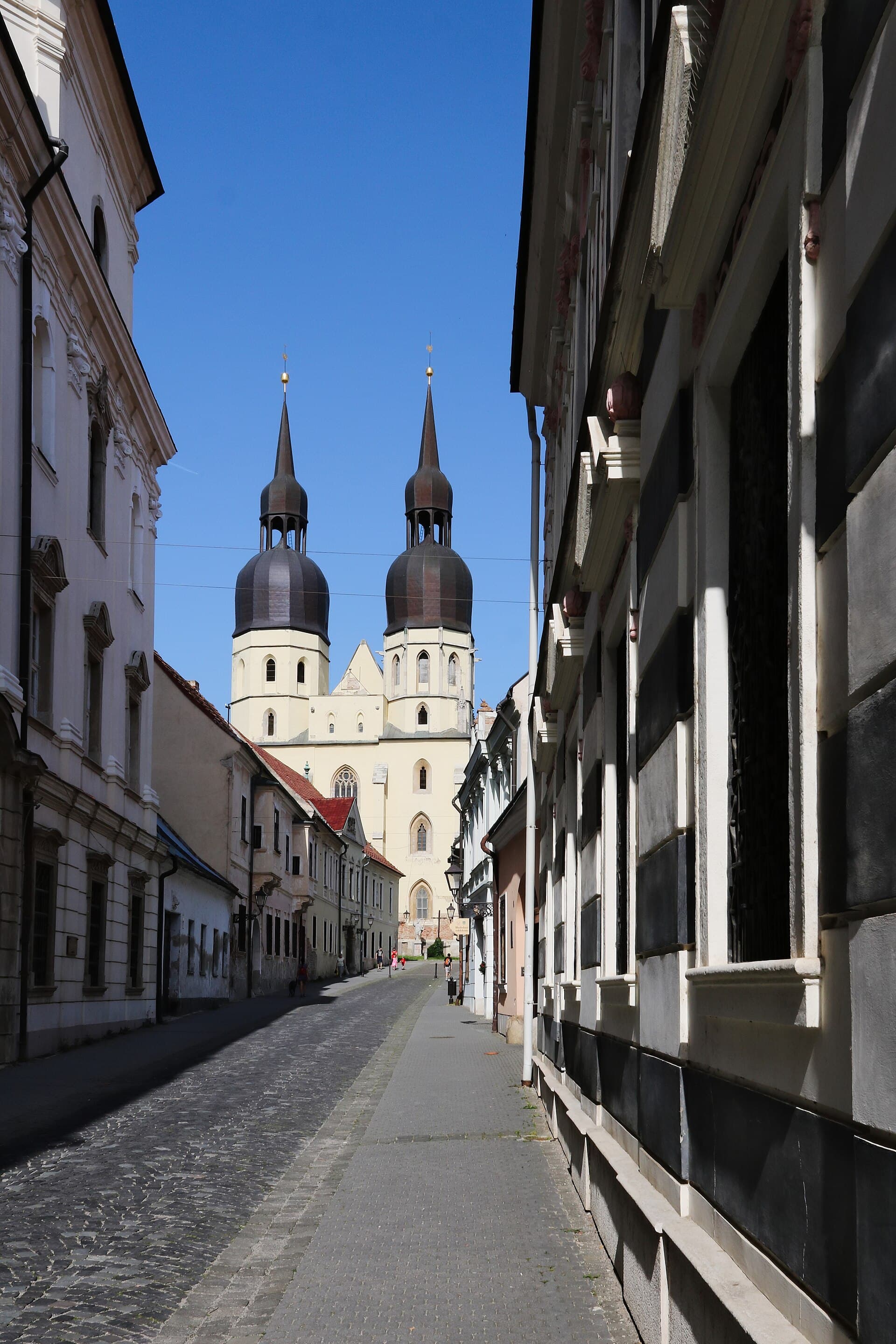 The Basilica of St NicholasThe Basilica of St Nicholas stands directly opposite Centraal Station, the first4 minutes walk4.6
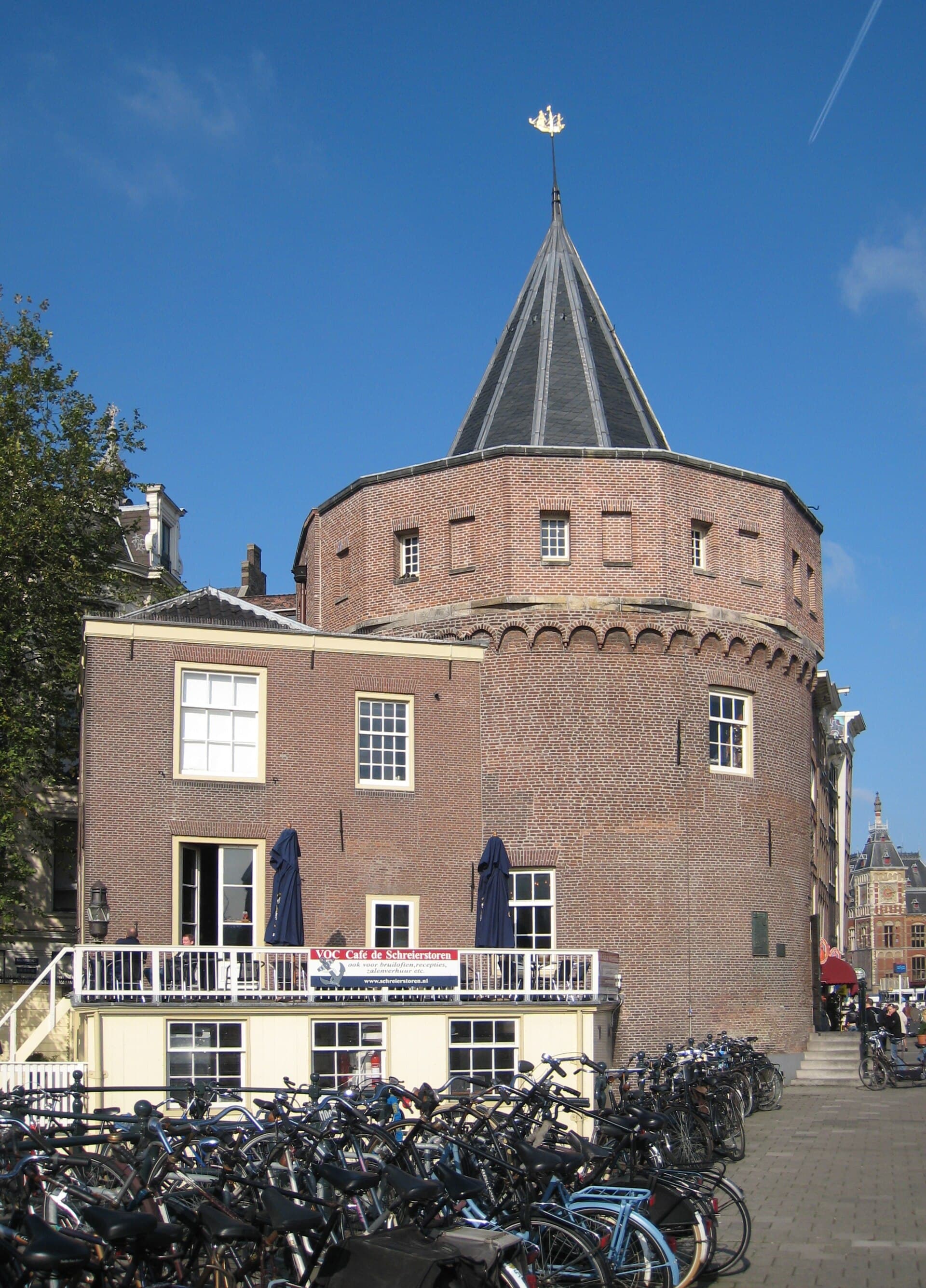 The SchreierstorenThe Schreierstoren is a stone tower of 1487, among the last surviving pieces of 4 minutes walk4.4
Yes — it opens to visitors at posted hours with free entry or by donation. Remove your hat, keep quiet, do not photograph worshippers and do not walk in front of anyone praying. Photography in the main hall may be restricted — look for signs or ask. This is a working temple with daily rites, not a tourist monument.
Yes during the day and early evening, and it is busy with people. Zeedijk adjoins the red light district, which gets crowded with drinkers at night and sees pickpocketing. Keep your belongings in front of you, avoid narrow lanes alone late, and do not photograph in the red light district at all — it is forbidden there and provokes confrontations.