
The twin-towered front
Two towers and a dome facing Centraal Station.
Ingo Mehling — CC BY-SA 4.0 · Kiwiev — CC0 · Kiwiev — CC0 · Kiwiev — CC0
The Basilica of St Nicholas stands directly opposite Centraal Station, the first thing an arrival in Amsterdam meets on leaving it: a great front with two towers and a dome, built in 1887 in a manner mixing neo-Baroque with neo-Renaissance. Building it on that site was a statement. Catholics in the Netherlands were barred from public worship after the Protestant Reformation and prayed for centuries in hidden churches inside ordinary houses. When the ban was lifted in the nineteenth century they built large, deliberately visible churches — and this is the biggest in Amsterdam, placed where it could not be missed. St Nicholas is the patron saint of Amsterdam and of sailors, and he is also the historical origin of the Dutch figure of Sinterklaas, carried to New York by Dutch settlers and there becoming Santa Claus. Entry is free but the hours are short — a few hours around midday on most days.
Two towers and a dome facing Centraal Station.
Built where it could not be missed once the ban lifted.
Prins Hendrikkade 73, 1012 Amsterdam
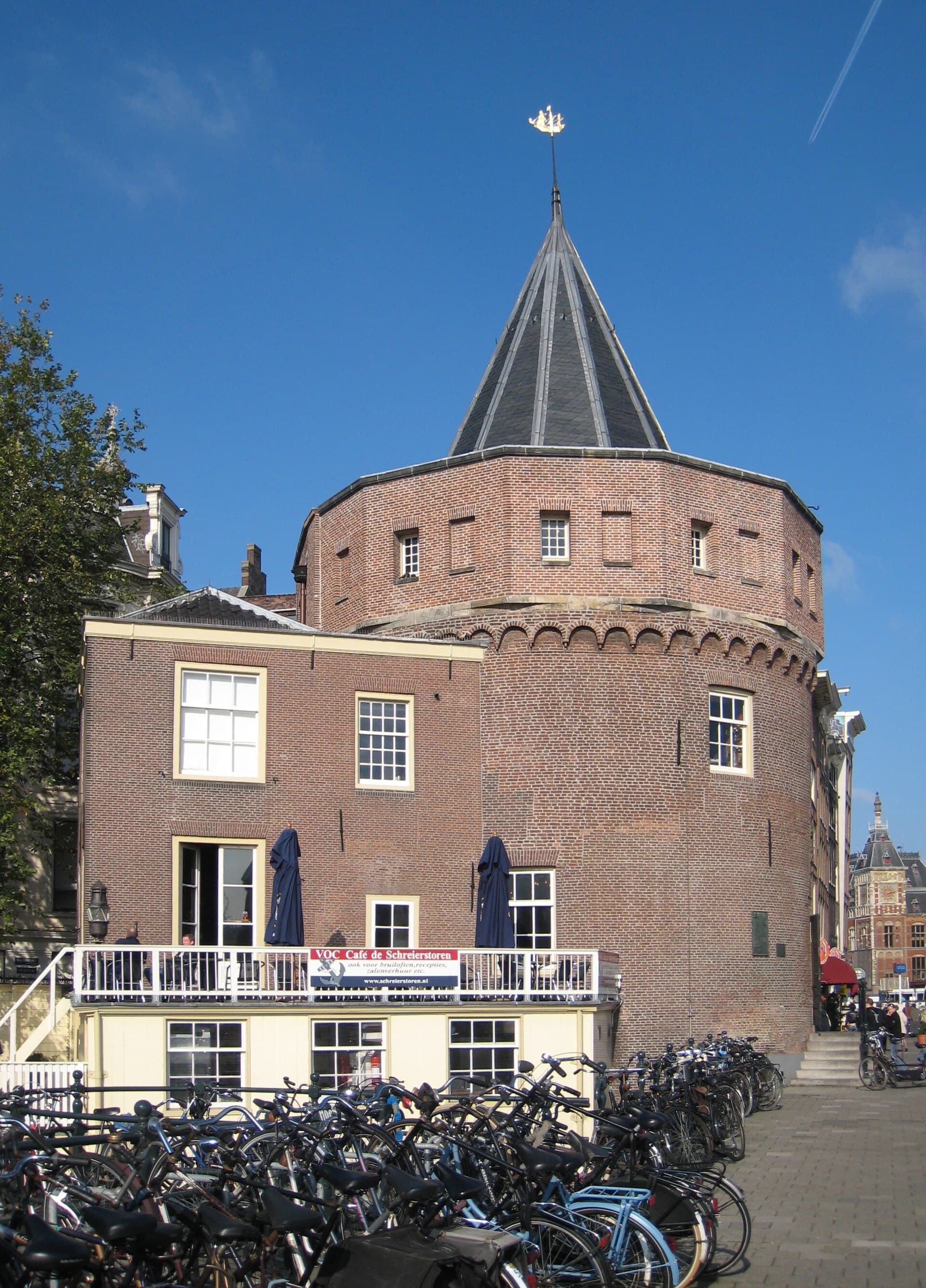 The SchreierstorenThe Schreierstoren is a stone tower of 1487, among the last surviving pieces of 1 minute walk4.4
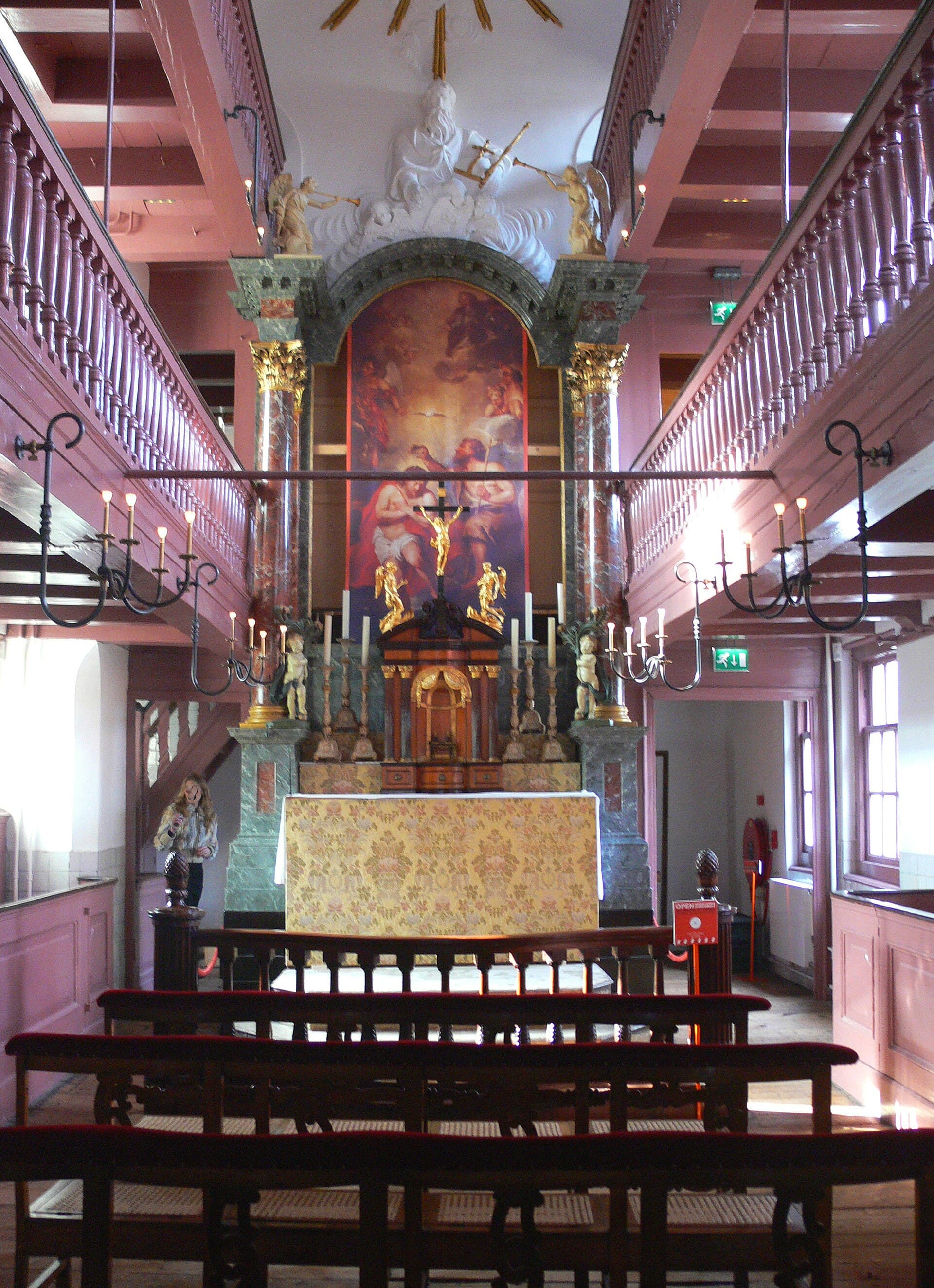 Our Lord in the AtticOur Lord in the Attic is Amsterdam's strangest museum: an ordinary seventeenth-c2 minutes walk4.8
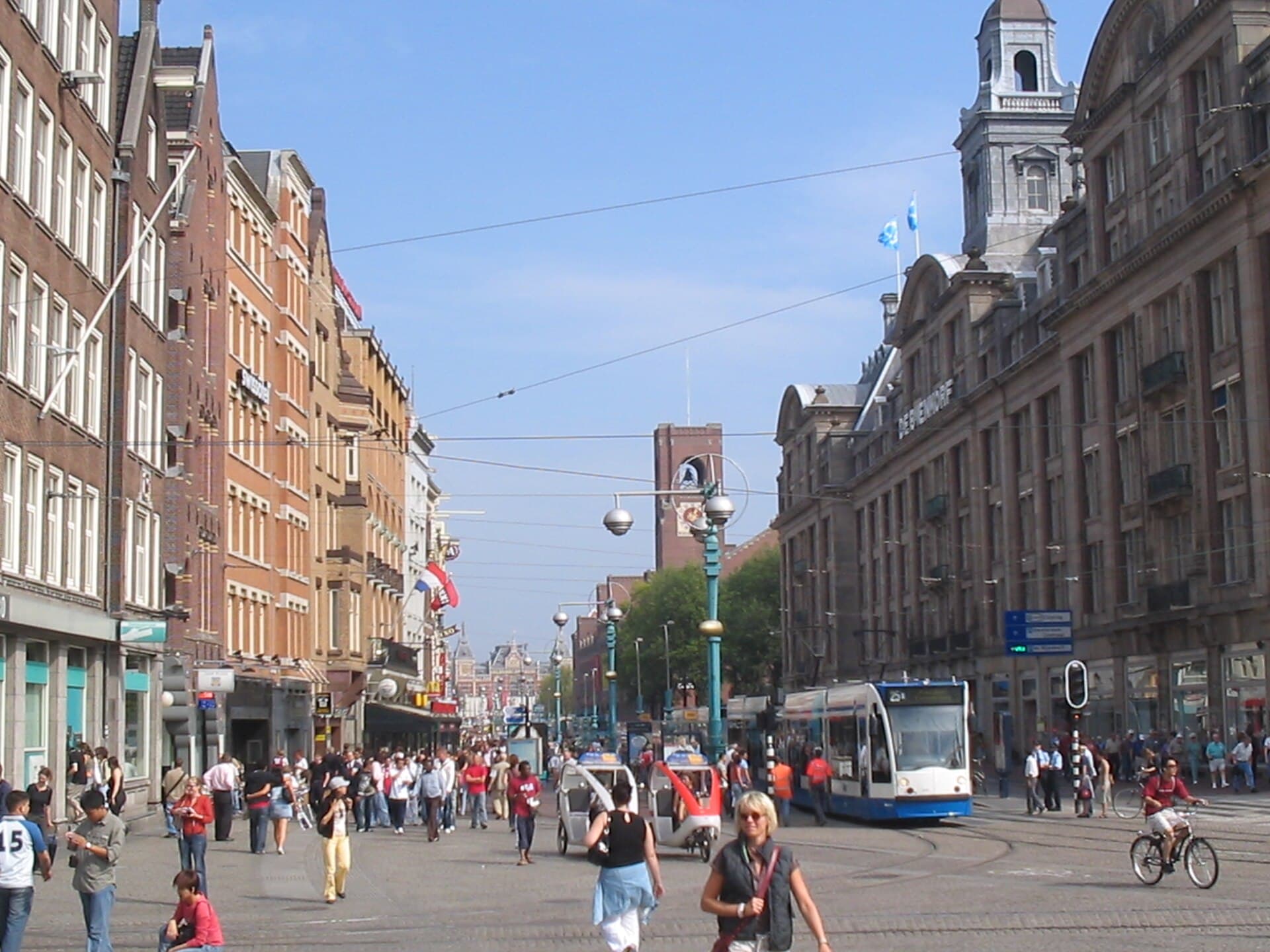 Damrak and its Dancing HousesA street and canal running from Centraal Station to Dam Square, with a row of le3 minutes walk4.6
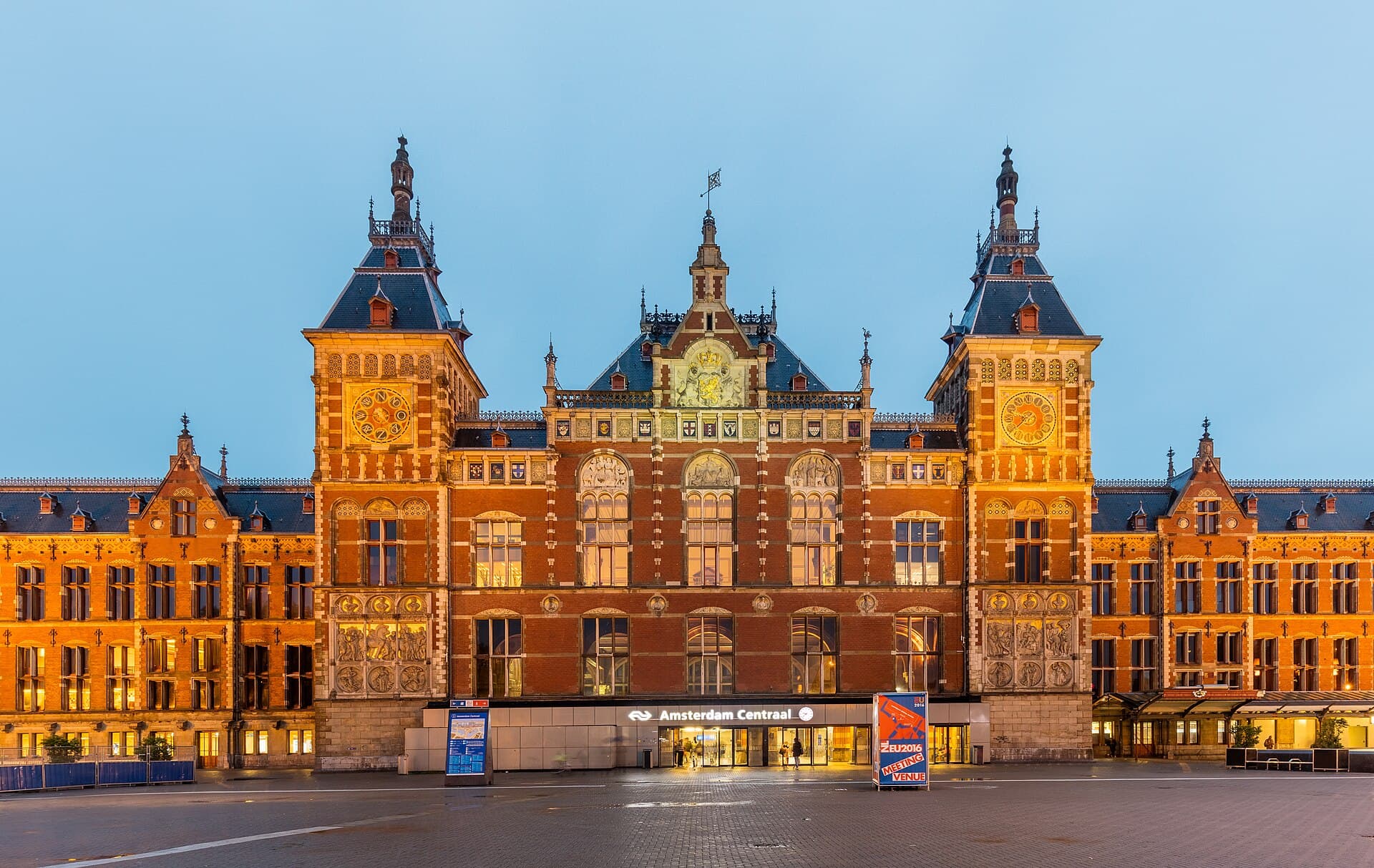 Amsterdam Centraal StationAmsterdam Centraal is the first thing most visitors see, and a building worth lo3 minutes walk4.6
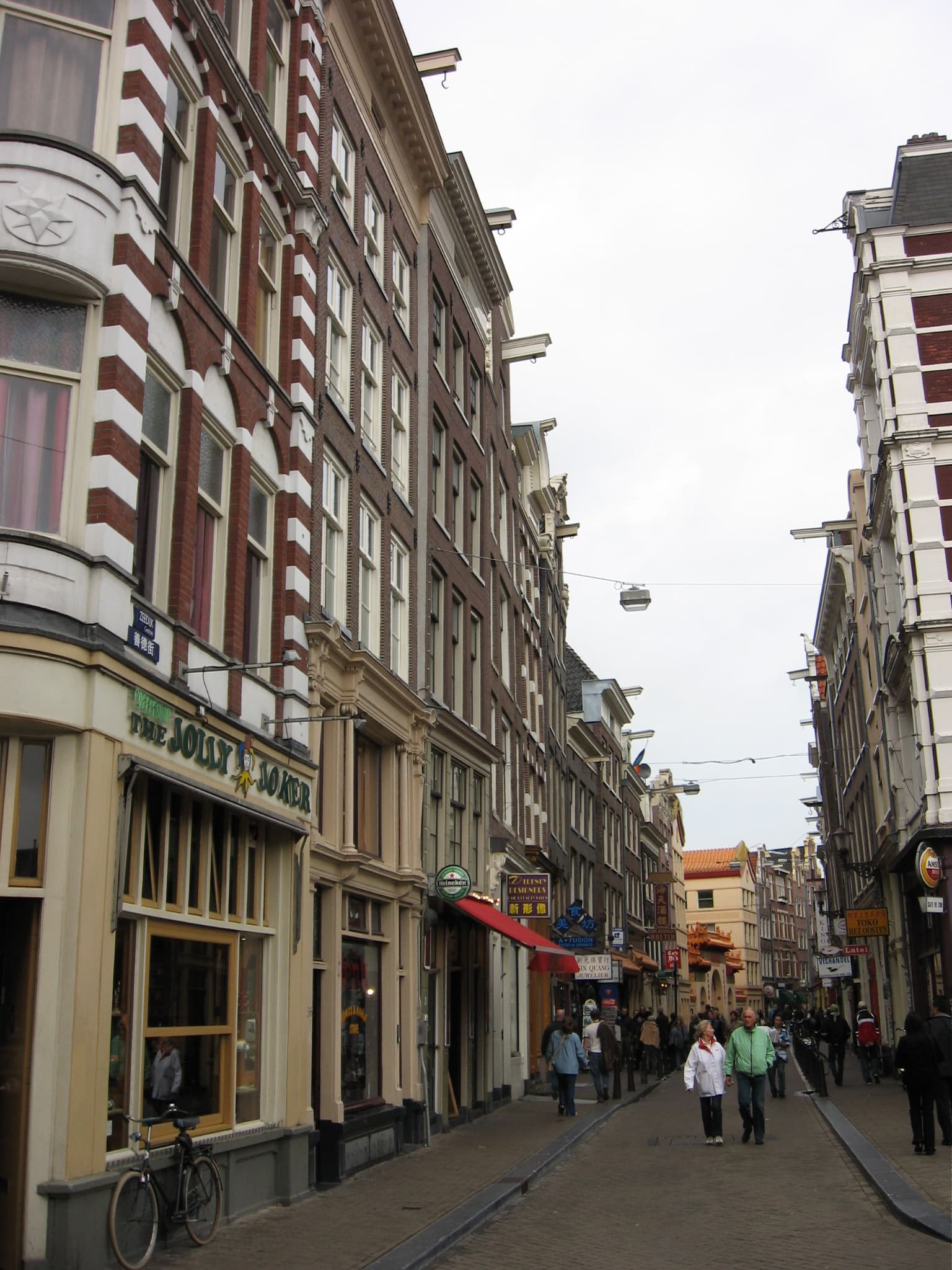 Zeedijk — Amsterdam's ChinatownA curving street near Centraal Station forming the heart of Amsterdam's Chinatow4 minutes walk4.4
After the Dutch Republic became Protestant in 1578, Catholic worship was banned in public but not fiercely persecuted — which produced a characteristically Dutch practical solution: complete churches built inside ordinary houses, with altar, organ and pews in the attic and an exterior that gave nothing away. The best-known survivor is Our Lord in the Attic near the Red Light District, a museum today and well worth seeing to understand that strange compromise.