
The secret church
Altar, organ and two galleries under an ordinary house's roof.
Remi Mathis — CC BY-SA 3.0 · Drukkerij, Speelkaartenfabriek en Cartonnagefabriek Faddegon en co. — Public domain · Harry Pot / Anefo — CC0 · Harry Pot / Anefo — CC0
Our Lord in the Attic is Amsterdam's strangest museum: an ordinary seventeenth-century merchant's house in the heart of the old quarter, hiding in its upper floors a complete Catholic church — altar, organ, pews and two galleries — built in secret when Catholicism was publicly banned in Protestant Holland, where Catholics worshipped quietly for two centuries without the street knowing. The visit is an astonishing climb through a merchant's house preserved with its furniture, kitchen and rooms — Dutch life in the Golden Age — until you are suddenly surprised by a full Baroque church suspended under the roof. A story of practical Dutch tolerance: the state knew and looked away as long as the secret stayed behind an ordinary façade. Among Amsterdam's most authentic and least crowded museums — and the city's second oldest. A unique experience like nothing else.
Altar, organ and two galleries under an ordinary house's roof.
Golden Age furniture, kitchen and rooms preserved.
How Holland looked away from secret worship behind a plain façade.
Oudezijds Voorburgwal 38, 1012 Amsterdam
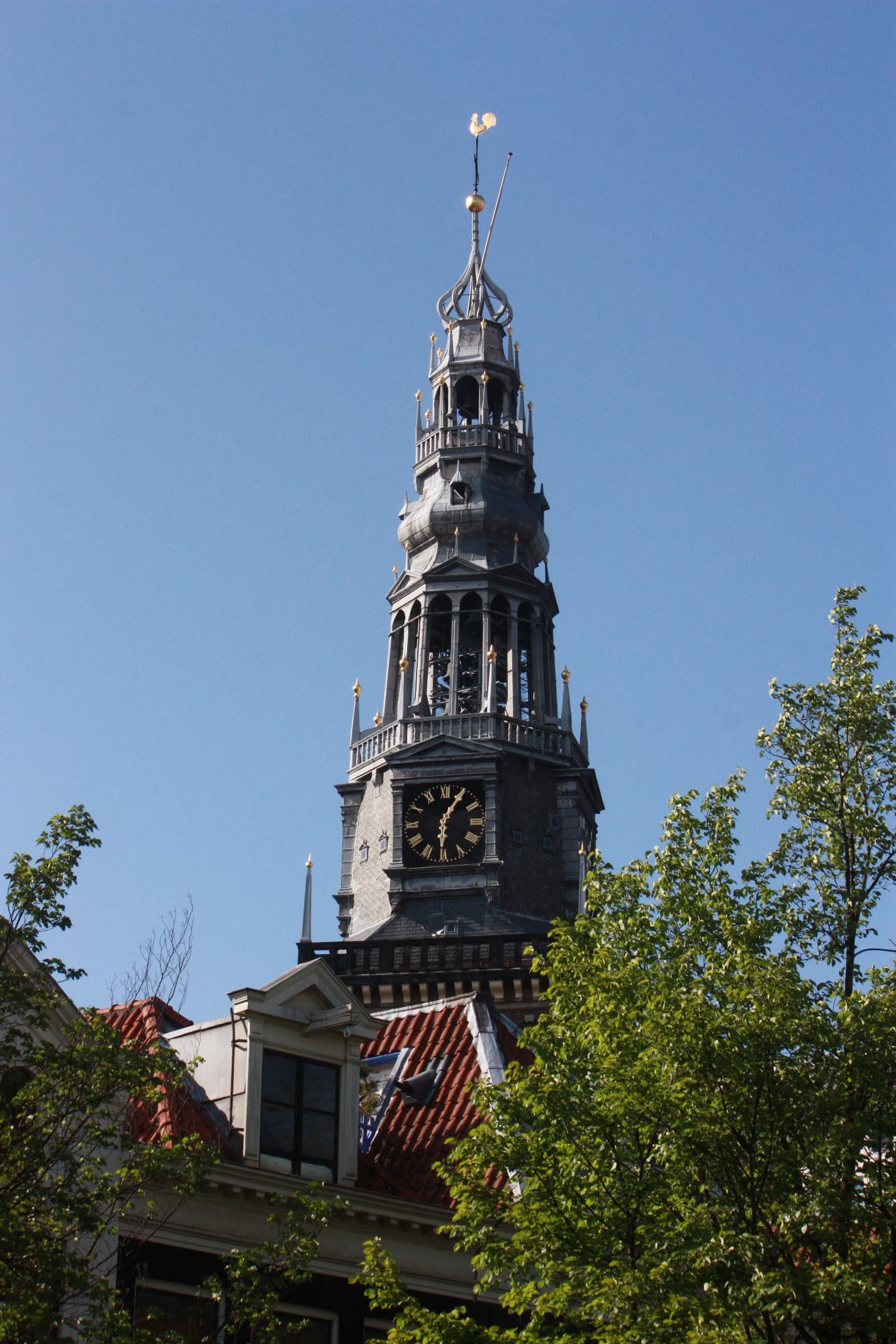 The Old Church TowerThe tower of Amsterdam's Old Church, the oldest standing building in the city, t2 minutes walk4.5
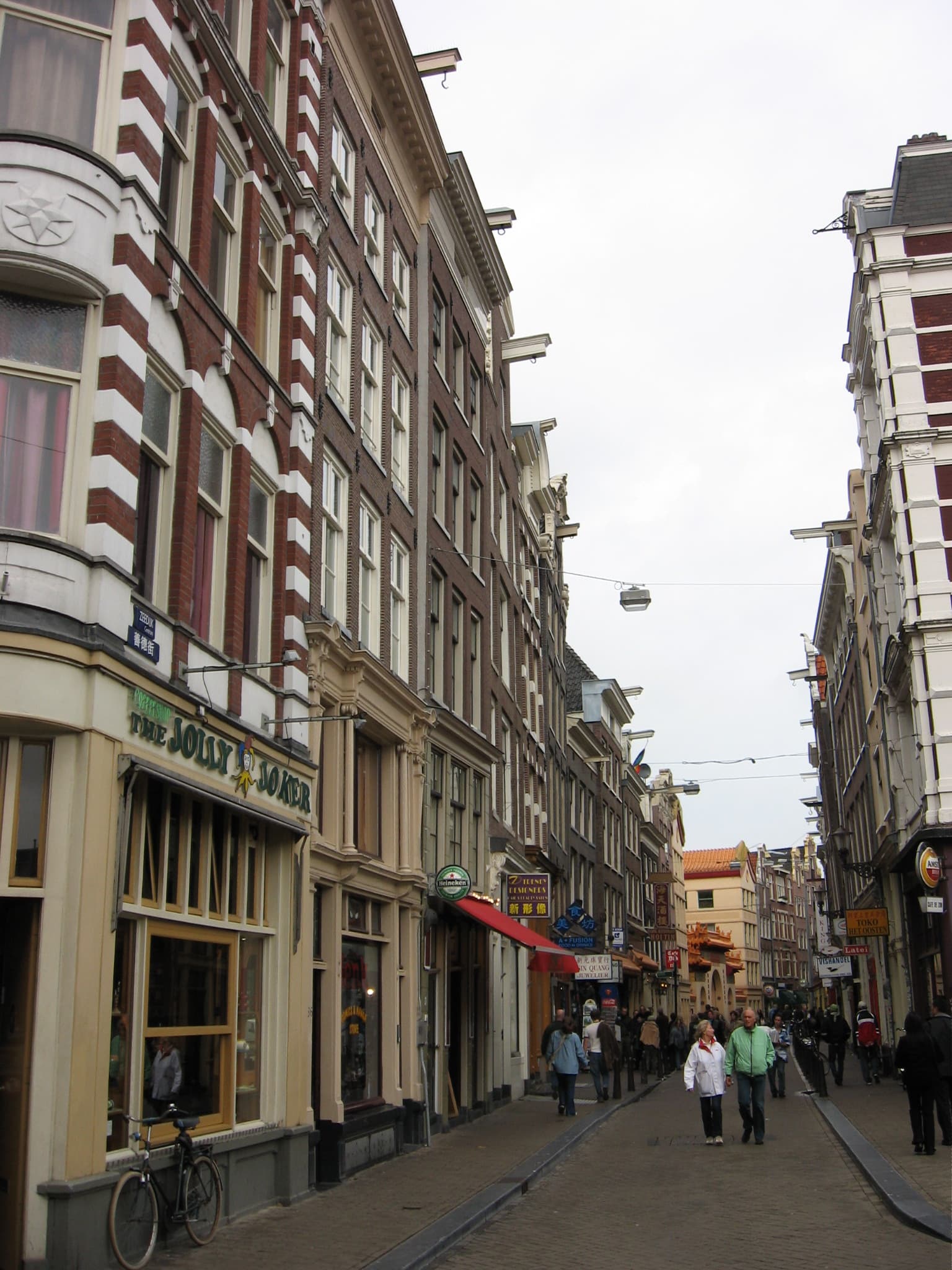 Zeedijk — Amsterdam's ChinatownA curving street near Centraal Station forming the heart of Amsterdam's Chinatow2 minutes walk4.4
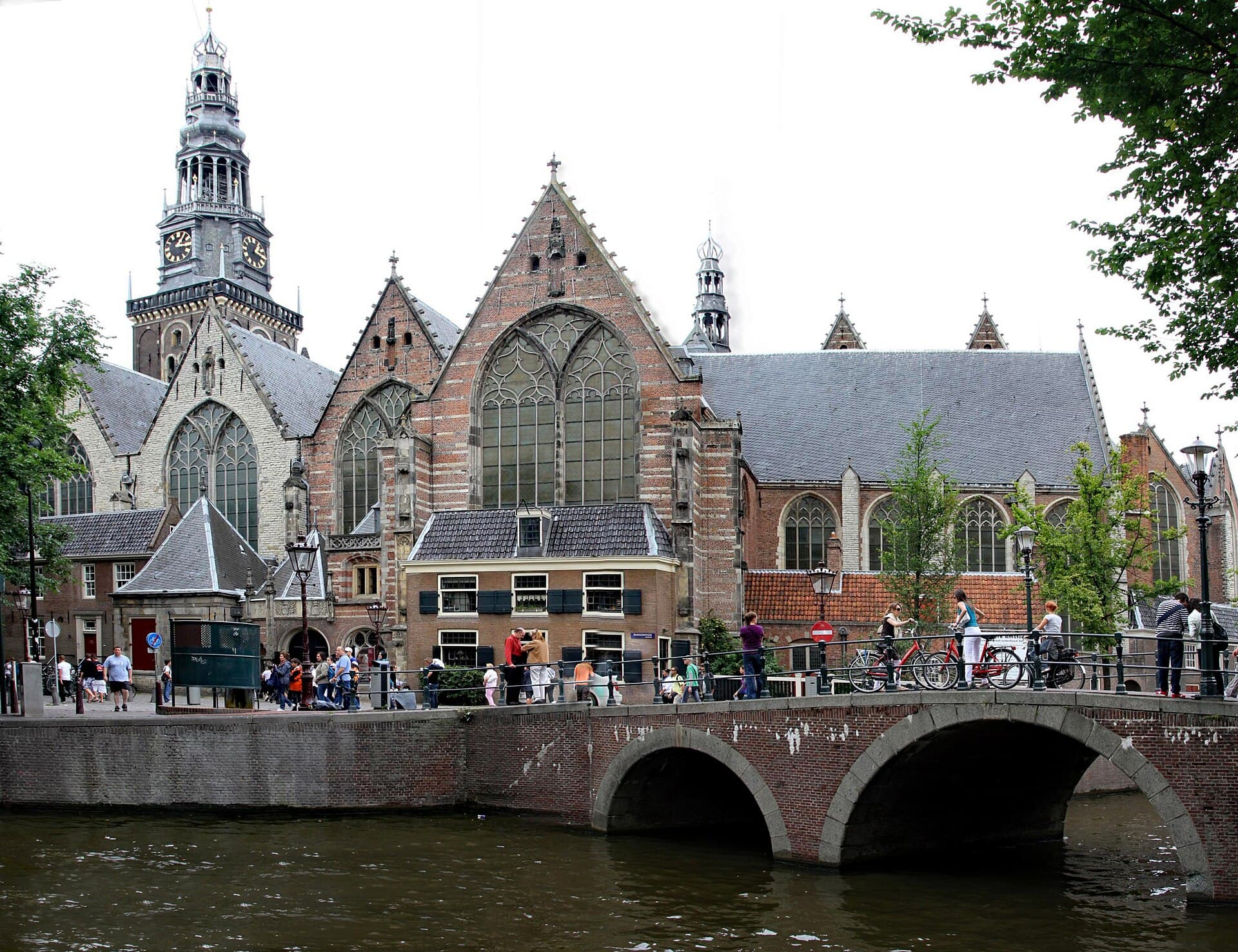 Oude Kerk (Old Church)The Oude Kerk is Amsterdam's oldest building (c. 1306) and its oldest parish chu2 minutes walk4.3
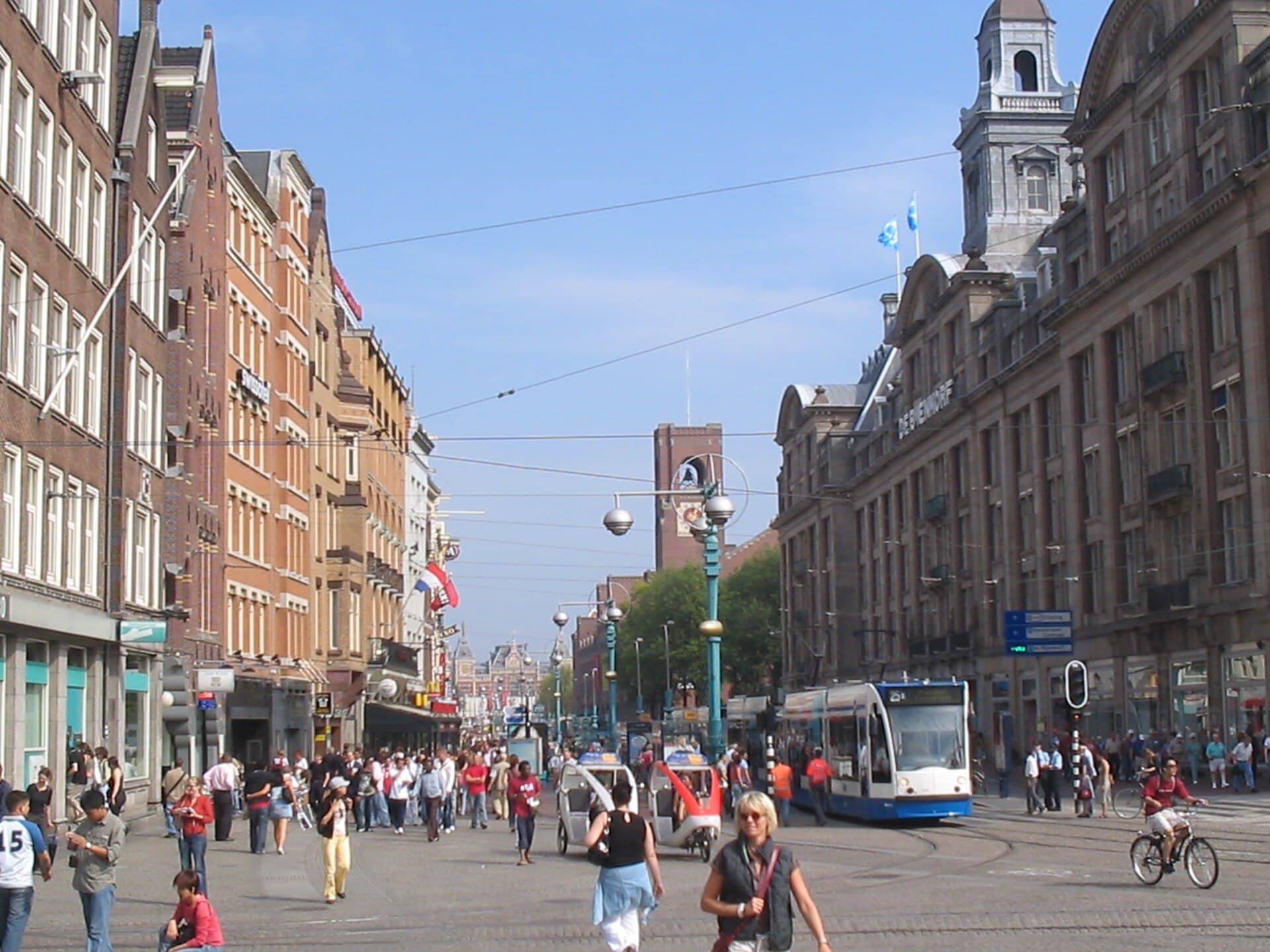 Damrak and its Dancing HousesA street and canal running from Centraal Station to Dam Square, with a row of le2 minutes walk4.6
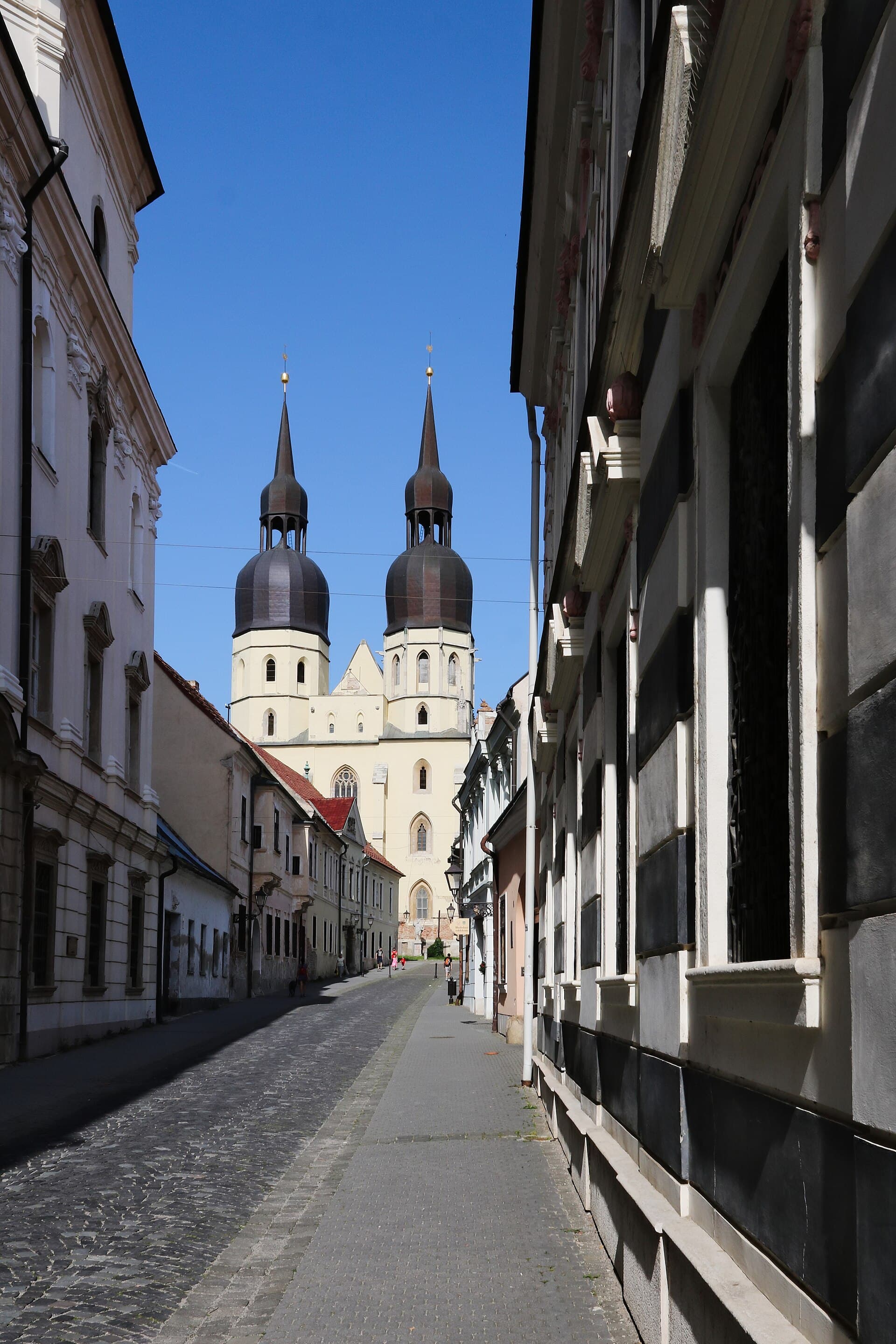 The Basilica of St NicholasThe Basilica of St Nicholas stands directly opposite Centraal Station, the first2 minutes walk4.6
After the Dutch Revolt, Protestant Calvinism became the state religion, and Catholicism and other faiths were banned in public (not in private) — so Catholics built hidden house churches everyone knew of and the authorities ignored. This is the famous Dutch practical tolerance: not full equality, but a silent freedom as long as appearances held. The place is its truest witness.