
The steel towers
1920s industrial harbour engineering.
GraphyArchy — CC BY-SA 4.0 · Michielverbeek — CC BY-SA 4.0 · Michielverbeek — CC BY-SA 4.0 · FaceMePLS from The Hague, The Netherlands — CC BY 2.0
De Hef is a railway lift bridge over the Koningshaven built in 1927, and its mechanism is unusual: the entire central span rises vertically between two steel towers rather than opening to either side as ordinary movable bridges do. It was the first vertical-lift bridge of its kind in western Europe, and the solution was necessary because the harbour needed tall ships to pass while the railway needed a constant level. It stopped working in 1993 when a rail tunnel replaced it. It was scheduled for demolition. Rotterdammers objected strongly and the bridge was taken as part of the city's industrial identity, so it stayed as a monument. In 2020 it returned to the news when a request was made to dismantle part of it temporarily to let a huge yacht built in the Netherlands pass, which set off a public argument that ended with the request withdrawn. It is seen free from outside, and the best angle is from the Noordereiland bank or the Erasmus bridge.
1920s industrial harbour engineering.
The bridge with the city skyline behind.
Koningshaven, 3071 Rotterdam
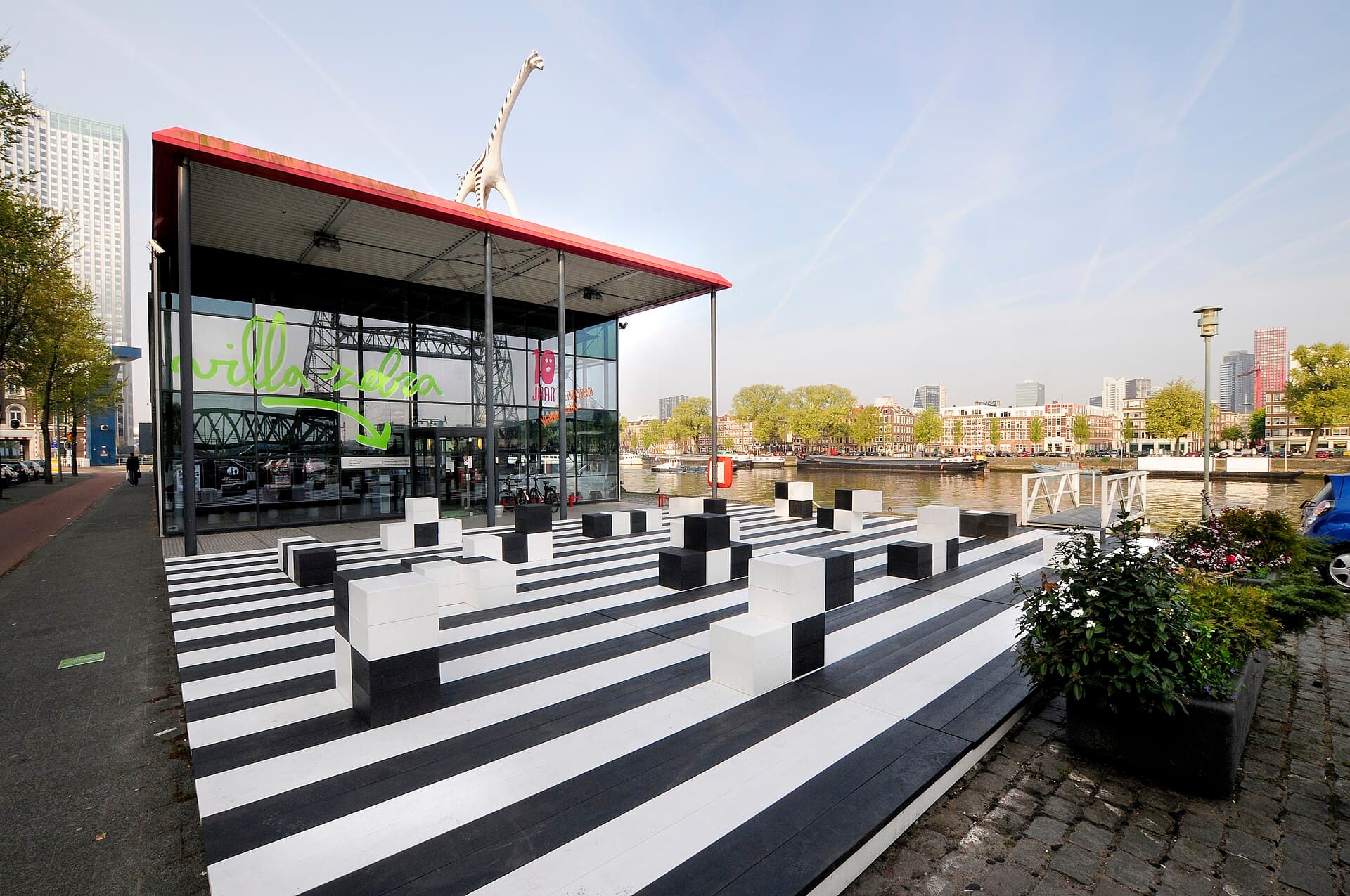 Villa ZebraVilla Zebra is an art museum for children in the Kop van Zuid district south of 4 minutes walk4.1
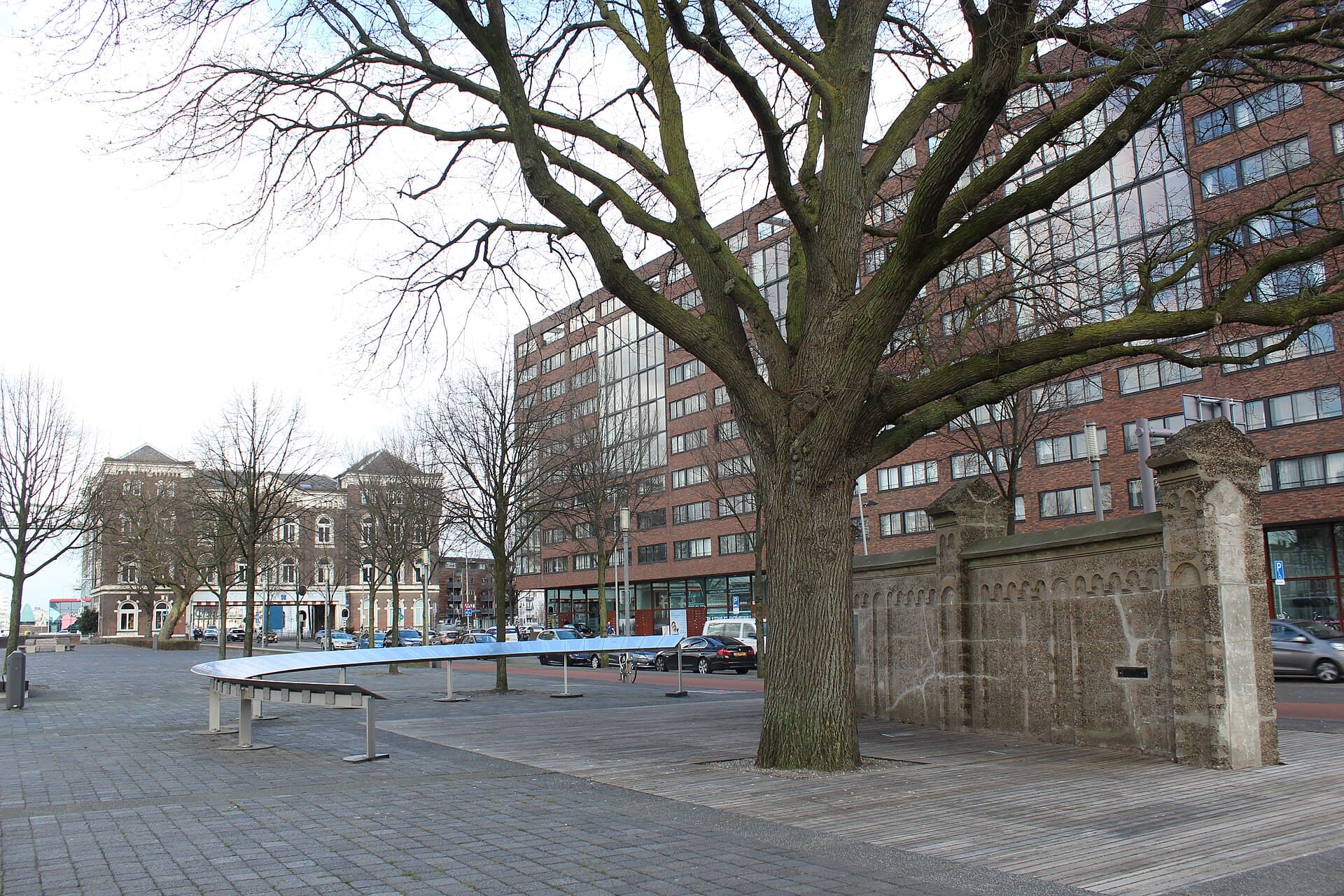 The Loods 24 MemorialA memorial in Rotterdam on the site of a dockside warehouse used in 1942 as the 6 minutes walk3.8
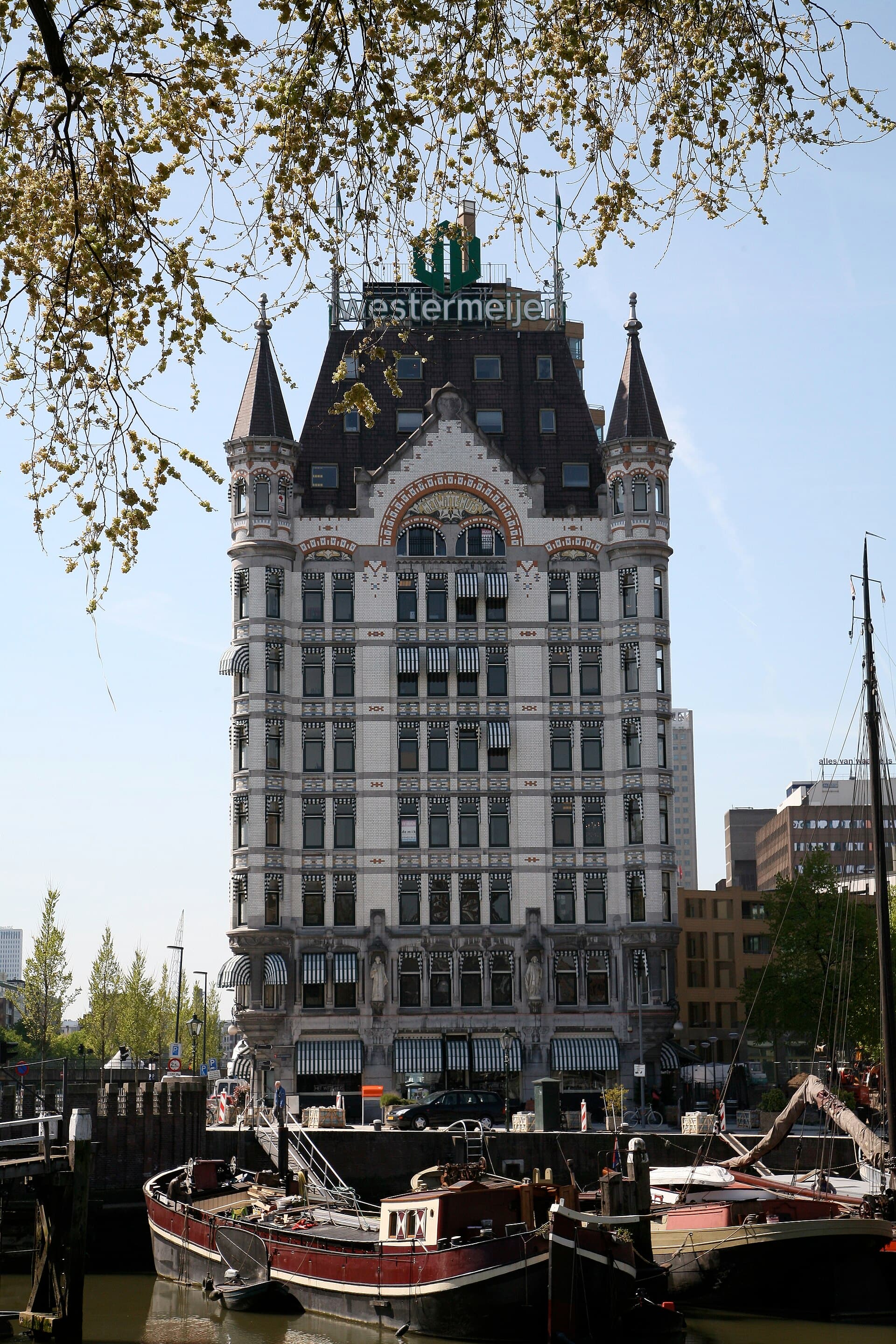 The White HouseThe Witte Huis is an office building of 1898, eleven storeys and about forty-thr10 minutes walk4.6
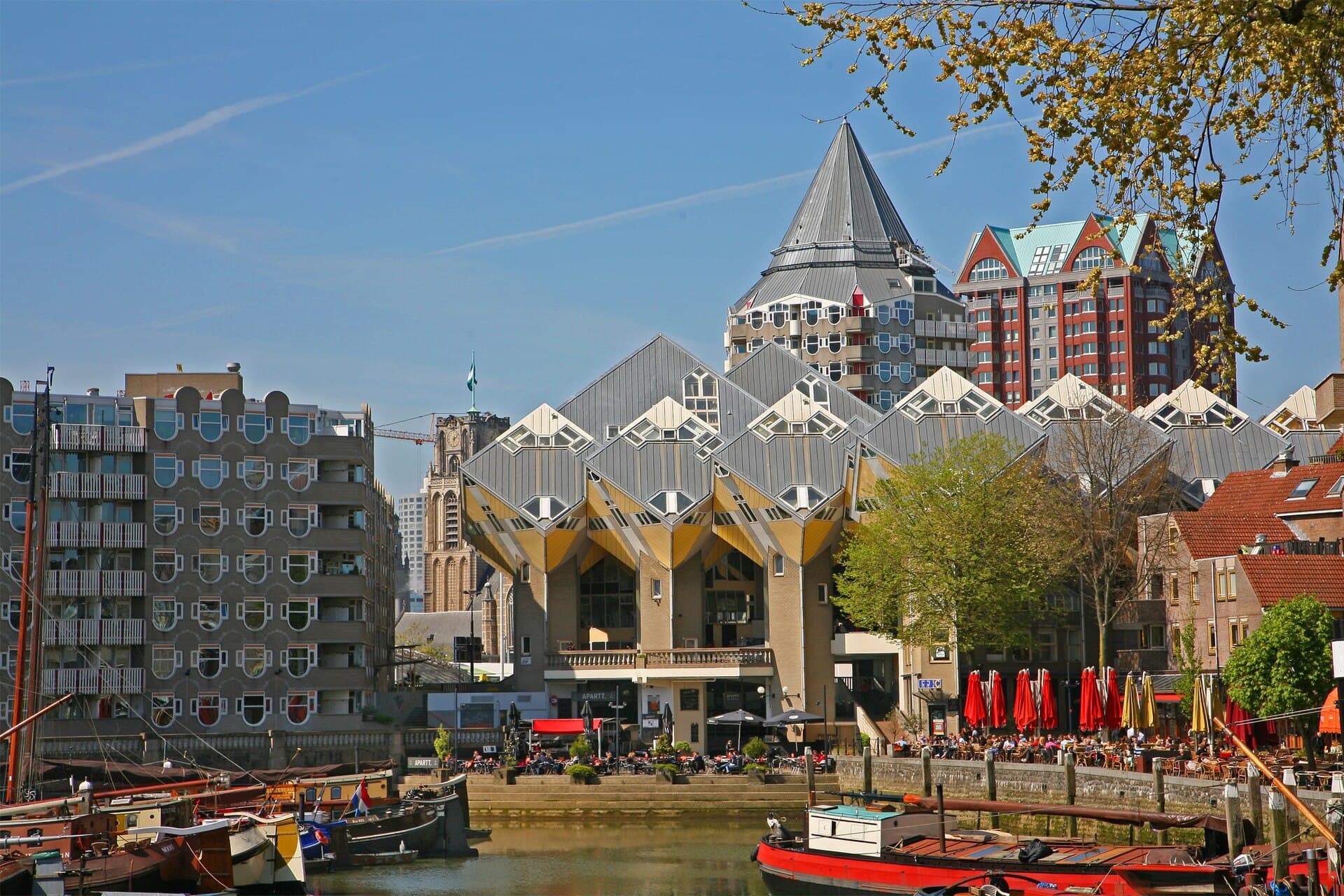 The Cube HousesThe Cube Houses are Rotterdam's most famous and strangest architectural landmark12 minutes walk4.3
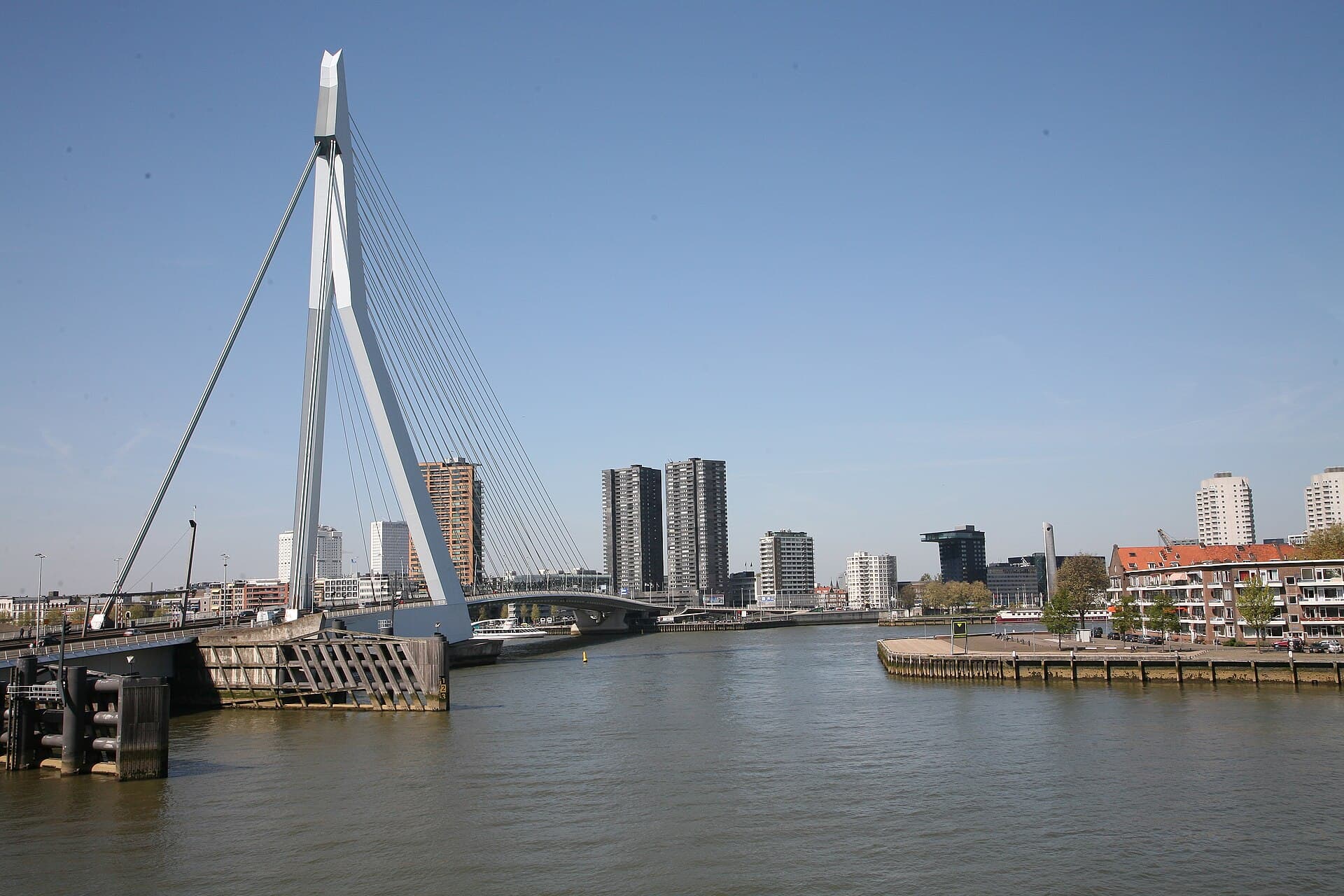 Erasmus BridgeThe Erasmus Bridge is Rotterdam's modern icon, its symbol on every postcard: an 12 minutes walk4.8
A Dutch yacht builder had built an enormous vessel for an American owner whose masts were too tall to pass under De Hef on the way from the yard to the sea. A request was made to dismantle the central span temporarily and restore it at the company's expense. Many Rotterdammers objected fiercely — the bridge had been restored with public money and the city had promised never to take it apart — and the anger reached the point of organised campaigns, so the request was withdrawn. The episode is now told as an example of the city holding on to its industrial memory.