
The tilted cubes
Thirty-eight houses at 45 degrees — a concrete forest.
W. Bulach — CC BY-SA 4.0 · Trougnouf (Benoit Brummer) — CC BY 4.0 · Trougnouf (Benoit Brummer) — CC BY 4.0 · Johan Bakker — CC BY-SA 4.0
The Cube Houses are Rotterdam's most famous and strangest architectural landmark: a housing complex (1984) designed by Piet Blom as thirty-eight cubes tilted 45 degrees, each mounted on a hexagonal pole — Blom wanted "a village inside a city", each house a tree and the complex a forest above a busy street. The cubes are real homes people live in, but one is opened as a museum (the "Kijk-Kubus") you can enter to see how life works inside tilted walls and impossibly angled floors and ceilings — a disorienting, delightful experience. From outside, walking under and among them is a visual experience in itself, and they are the symbol of Rotterdam, "the city that reinvented itself" after the war destroyed it. Steps from the Old Harbour, the Markthal and the bridge — at the heart of the Rotterdam architecture walk.
Thirty-eight houses at 45 degrees — a concrete forest.
Enter one to see how life works in tilted walls.
Rotterdam that rebuilt itself anew after the war.
Overblaak 70, 3011 Rotterdam
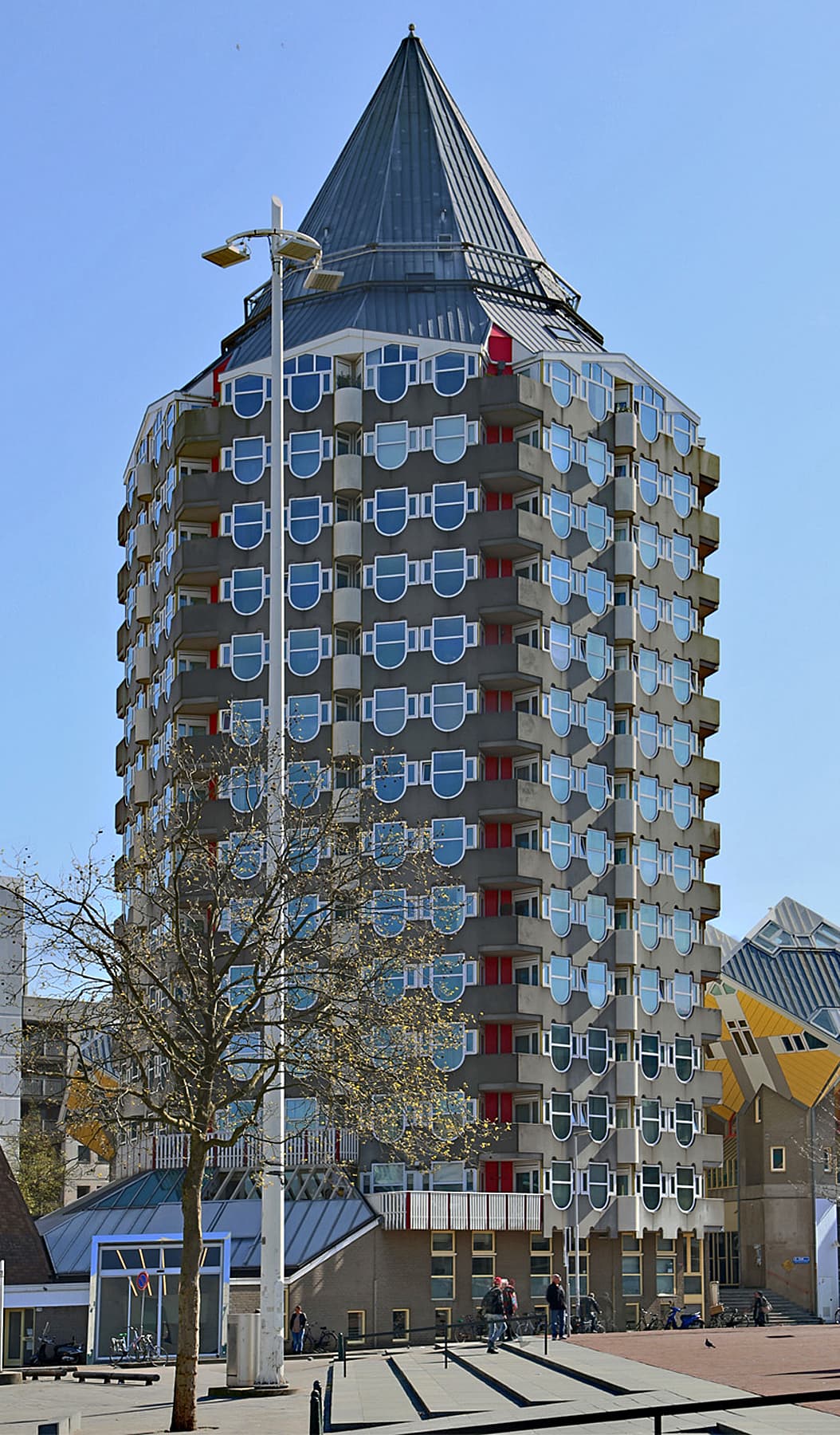 The Blaaktoren, the PencilThe Blaaktoren is a residential tower standing between the Cube Houses and the M1 minute walk4.6
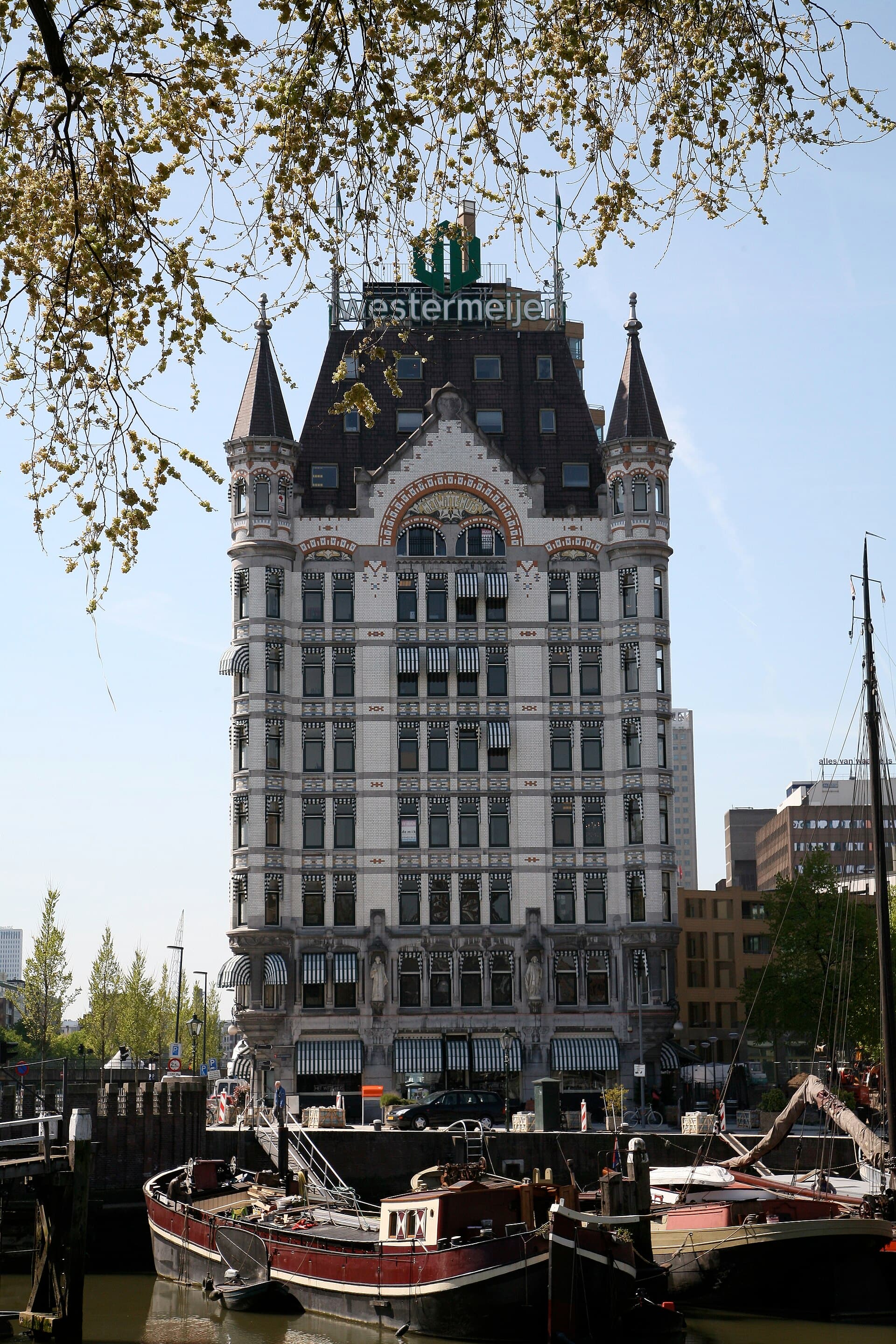 The White HouseThe Witte Huis is an office building of 1898, eleven storeys and about forty-thr2 minutes walk4.6
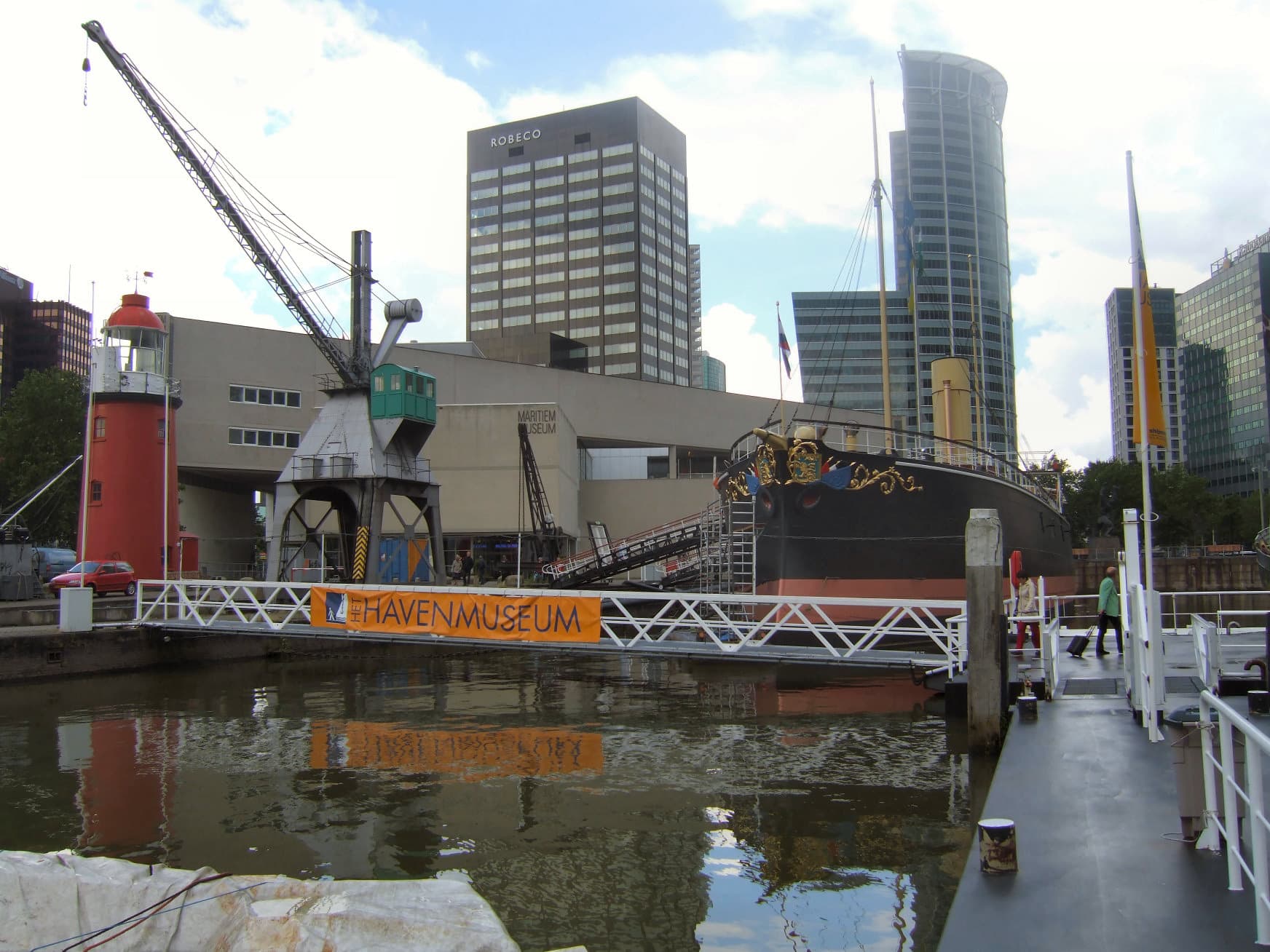 Maritime Museum RotterdamIn the city of Europe's mightiest port the sea deserves two museums in one: mode8 minutes walk4.2
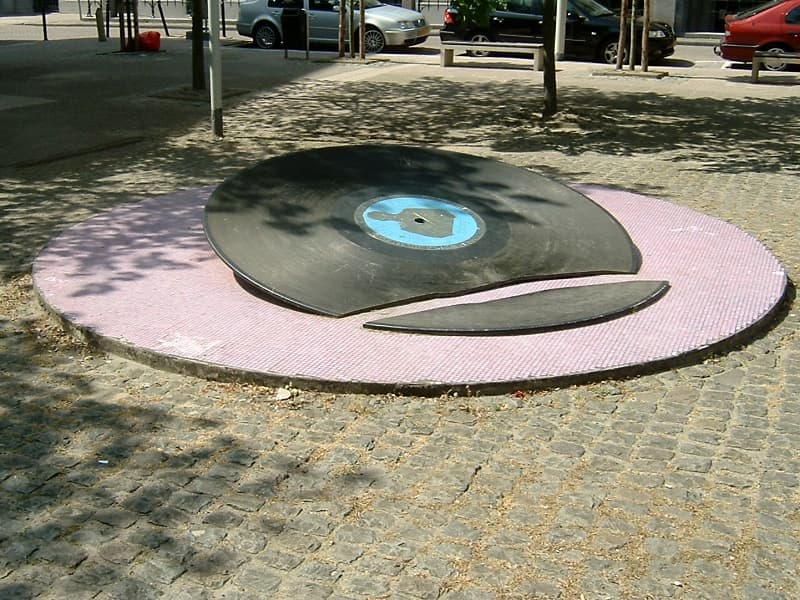 The Louis Davids MonumentA memorial in Rotterdam to Louis Davids, the Dutch comic actor and singer born i9 minutes walk4.5
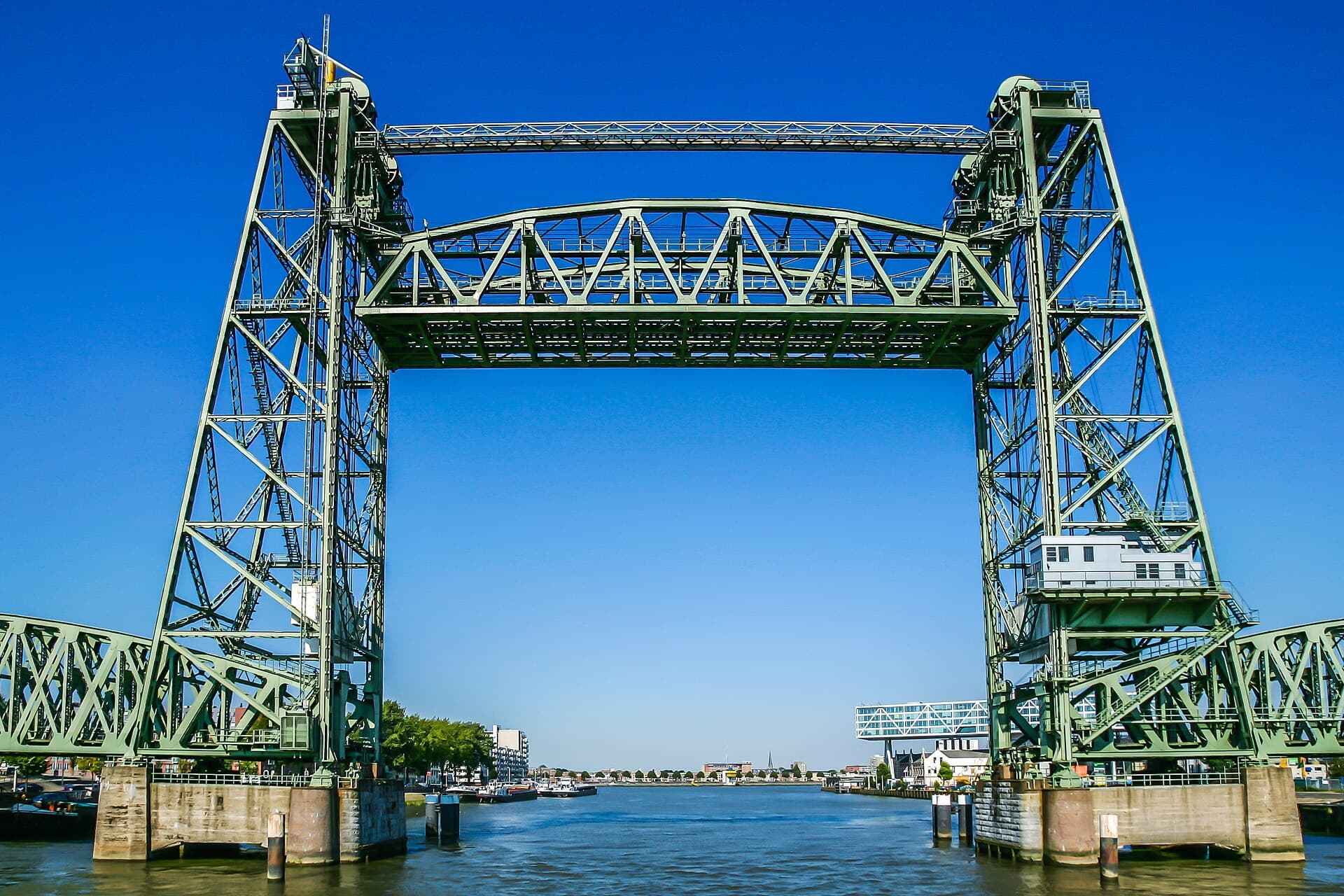 De Hef Lift BridgeDe Hef is a railway lift bridge over the Koningshaven built in 1927, and its mec12 minutes walk4.7
Walking among and under them is free and gives the full visual experience. Entering the show-cube (cheap) adds the real novelty: how do you furnish a room with tilted walls? For the architecture-curious: enter; for a quick pass: the outside suffices.
German bombing flattened central Rotterdam in 1940, so the city rebuilt anew with architectural daring instead of copying the old — becoming an open museum of modern architecture: the Cube Houses, the Markthal, the Erasmus Bridge, the harbour towers. The exact opposite of Holland's old cities, and the secret of its distinction.