
Why Rotterdam looks like this
The decision to build modern after 1940 explains everything you see in the city today.
Marcel Douwe Dekker — CC BY-SA 2.0 · Michielverbeek — CC BY-SA 4.0 · Michielverbeek — CC BY-SA 4.0 · Michielverbeek — CC BY-SA 4.0
The city history museum, covering Rotterdam's story from a small harbour to Europe's largest port, with the emphasis on what actually distinguishes it: destruction and rebuilding. The centre of Rotterdam was bombed in May 1940 and effectively erased within hours. What came afterwards is what makes the city unlike the rest of the Netherlands: instead of rebuilding in the old style as other cities did, Rotterdam chose to build entirely modern, which is why it startles visitors arriving from Amsterdam. The museum explains that decision and its consequences, alongside the migration that shaped the city's population: workers from Morocco, Turkey, Suriname and the Antilles, a story closer to an Arab visitor than most of what Dutch museums display. The presentation is contemporary and leans on residents' voices and stories rather than artefacts, which makes it followable without prior knowledge of the city.
The decision to build modern after 1940 explains everything you see in the city today.
Workers from Morocco, Turkey and Suriname shaped the population, a story close to an Arab visitor.
The display leans on residents' accounts more than objects, so it works without prior knowledge.
Central Rotterdam
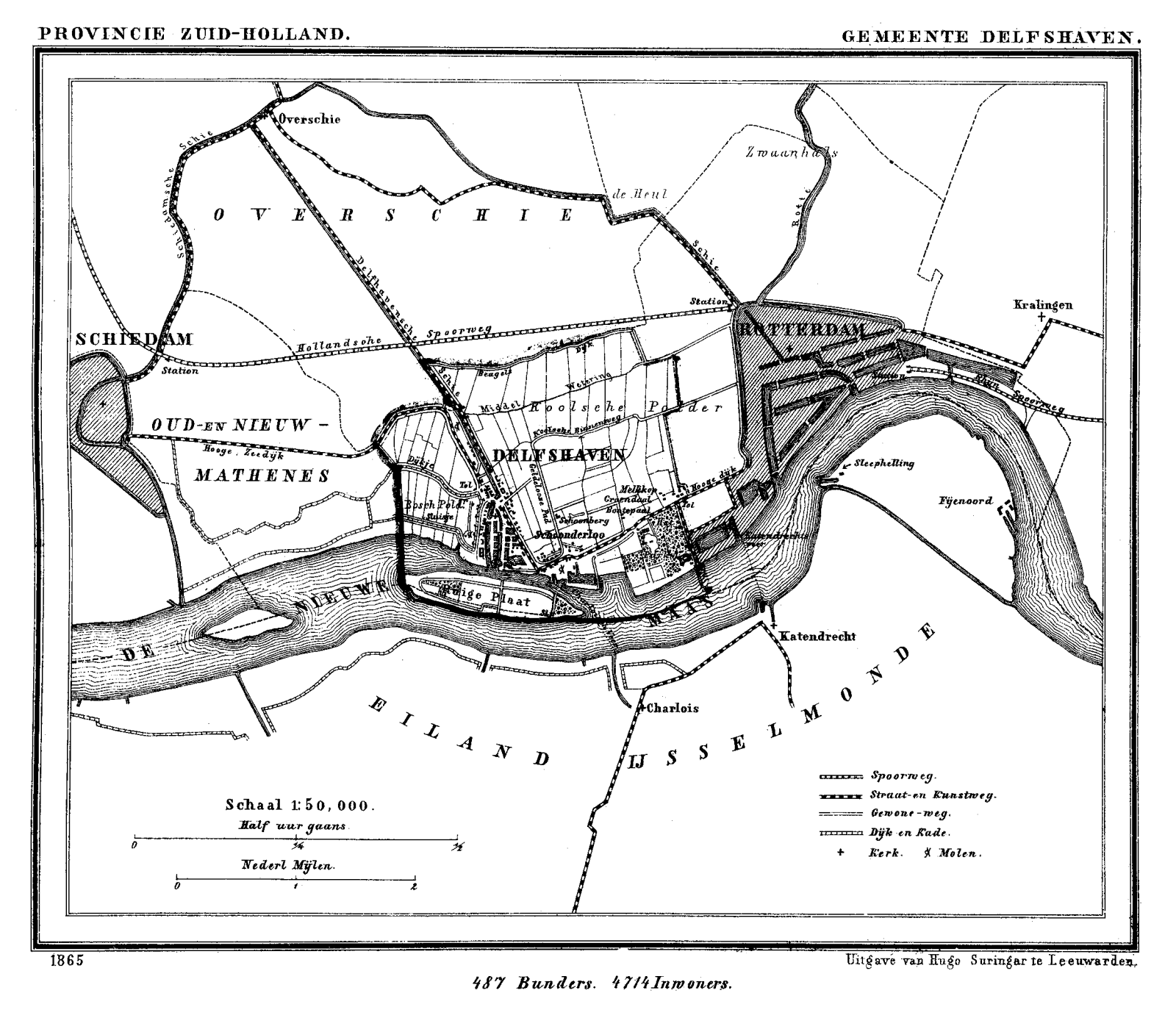 Historic DelfshavenDelfshaven is the one part of Rotterdam that looks like an old Dutch town — and 8 minutes walk4.7
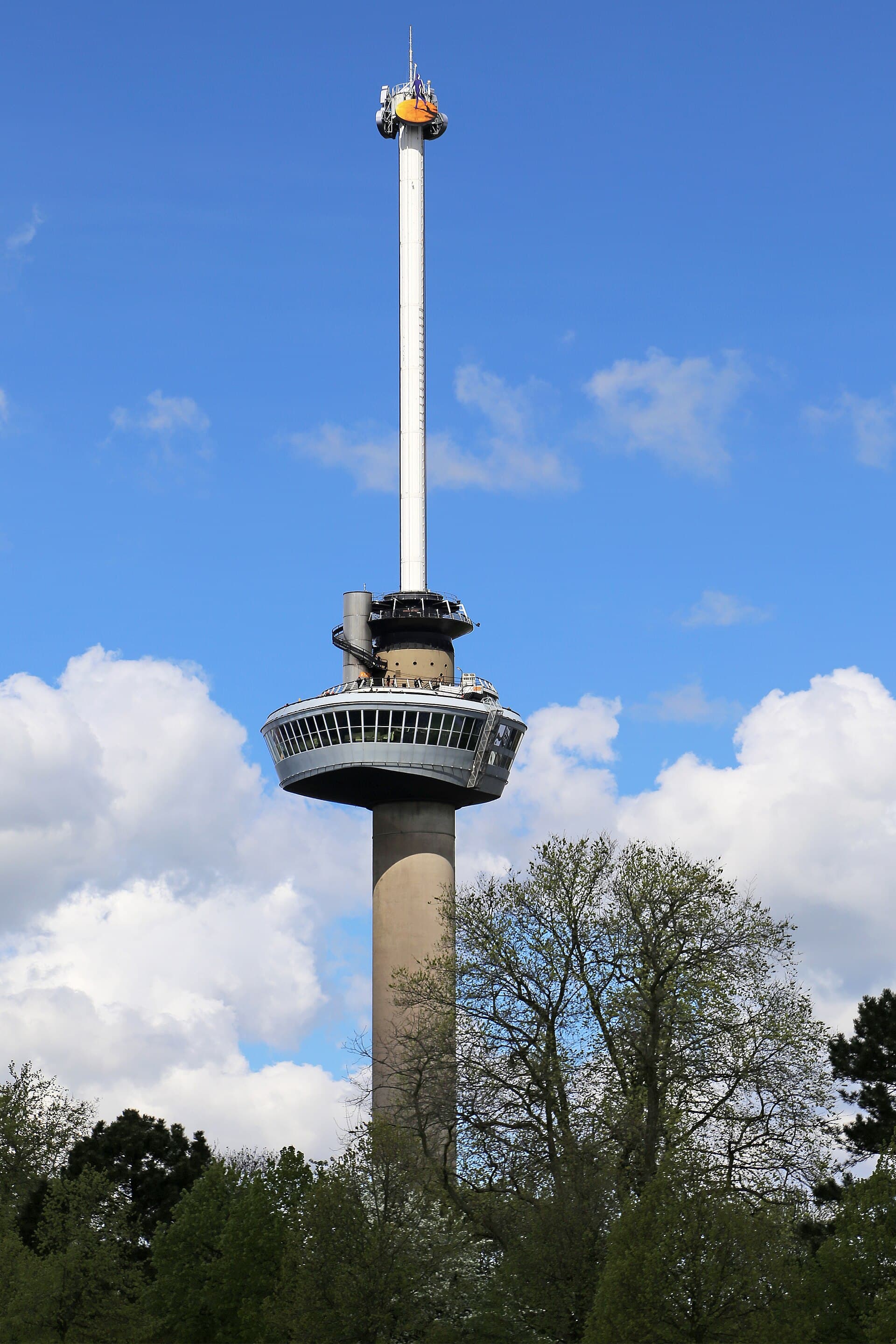 EuromastAn observation tower on the edge of Rotterdam's park, built in the early 1960s a9 minutes walk4.3
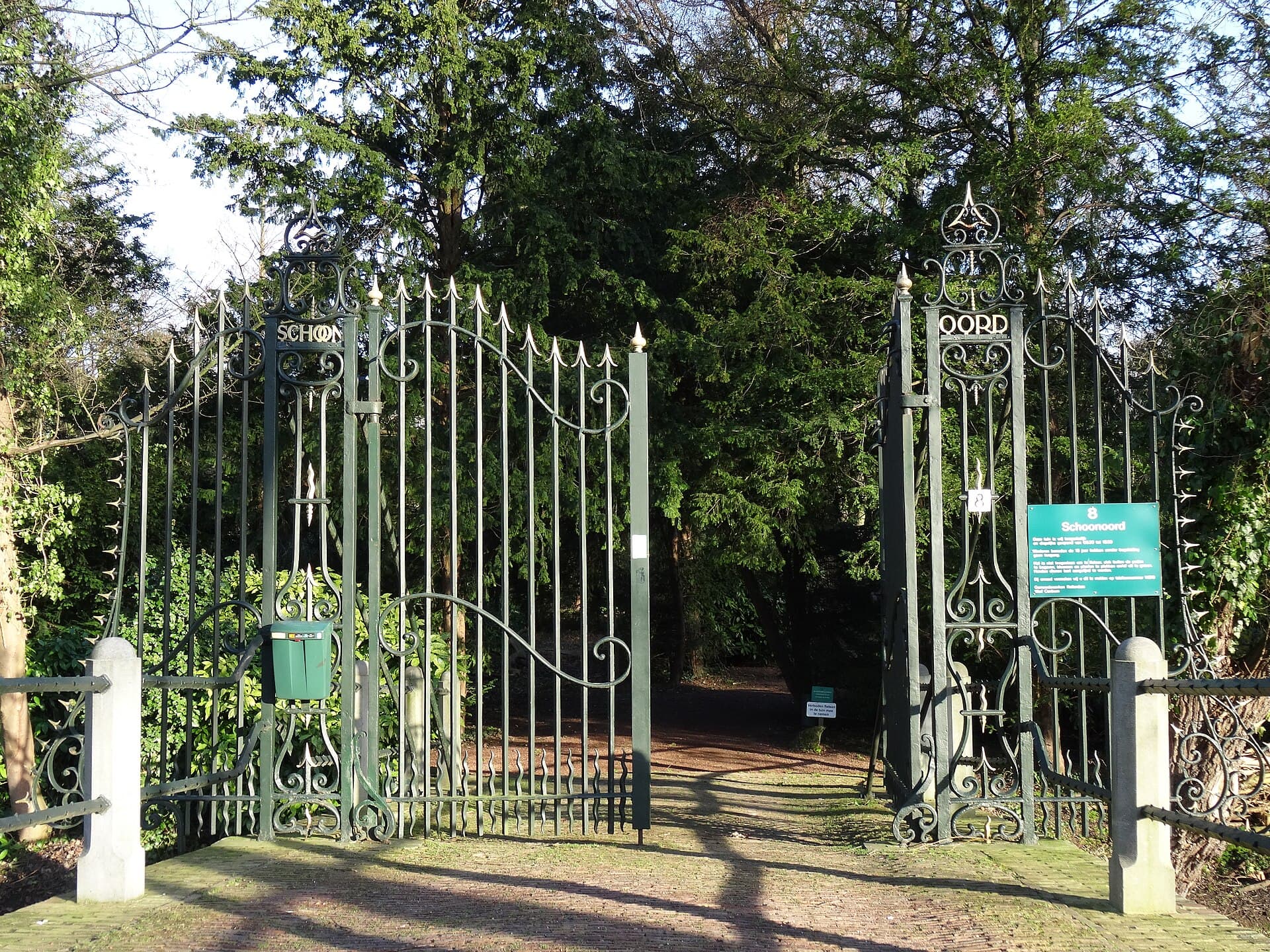 Park SchoonoordA small English landscape-style park beside Het Park in Rotterdam, laid out in t13 minutes walk4.8
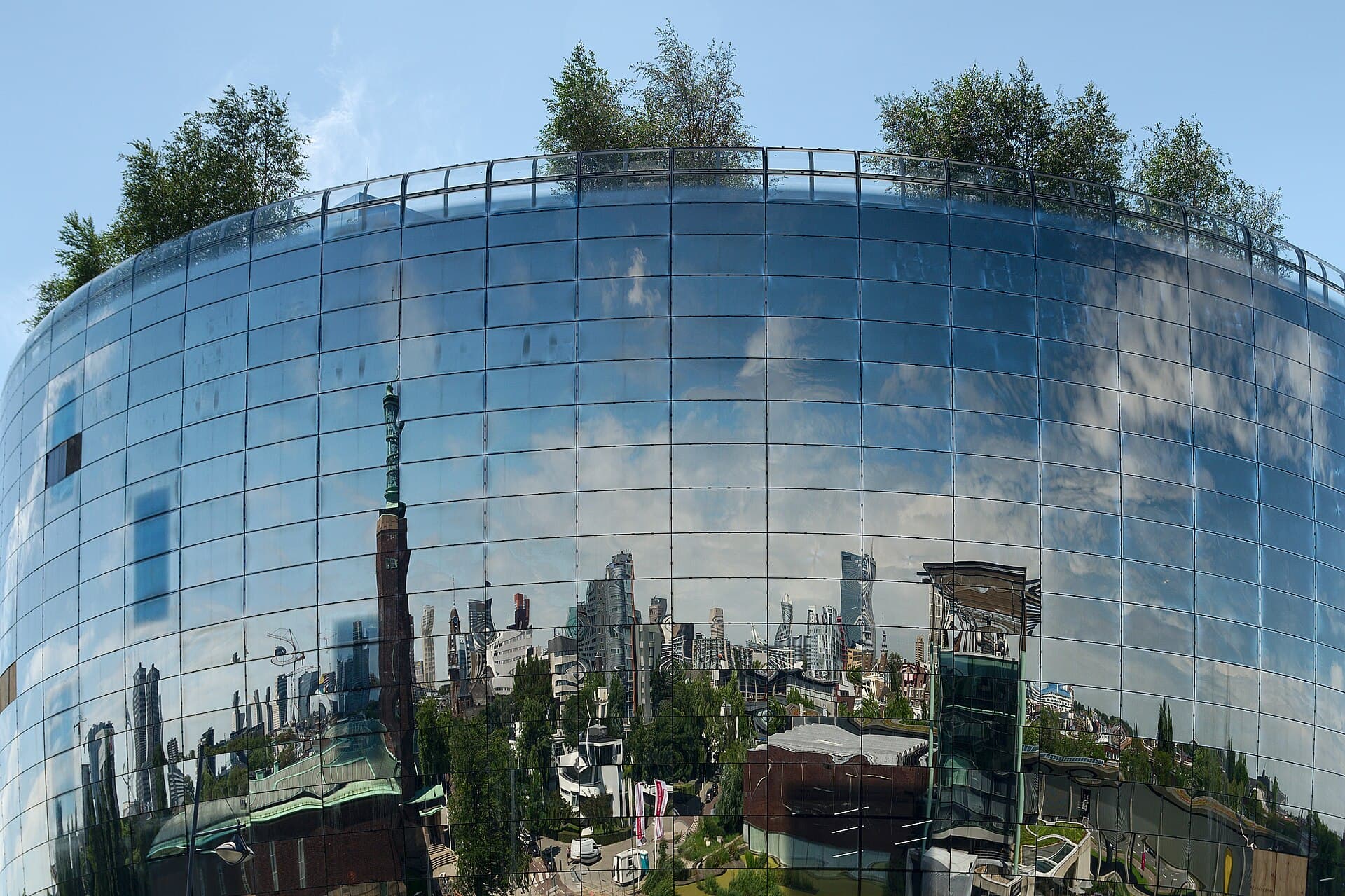 Depot Boijmans Van BeuningenA giant mirror bowl amid the Museumpark — the world's first fully open art depot13 minutes walk4.5
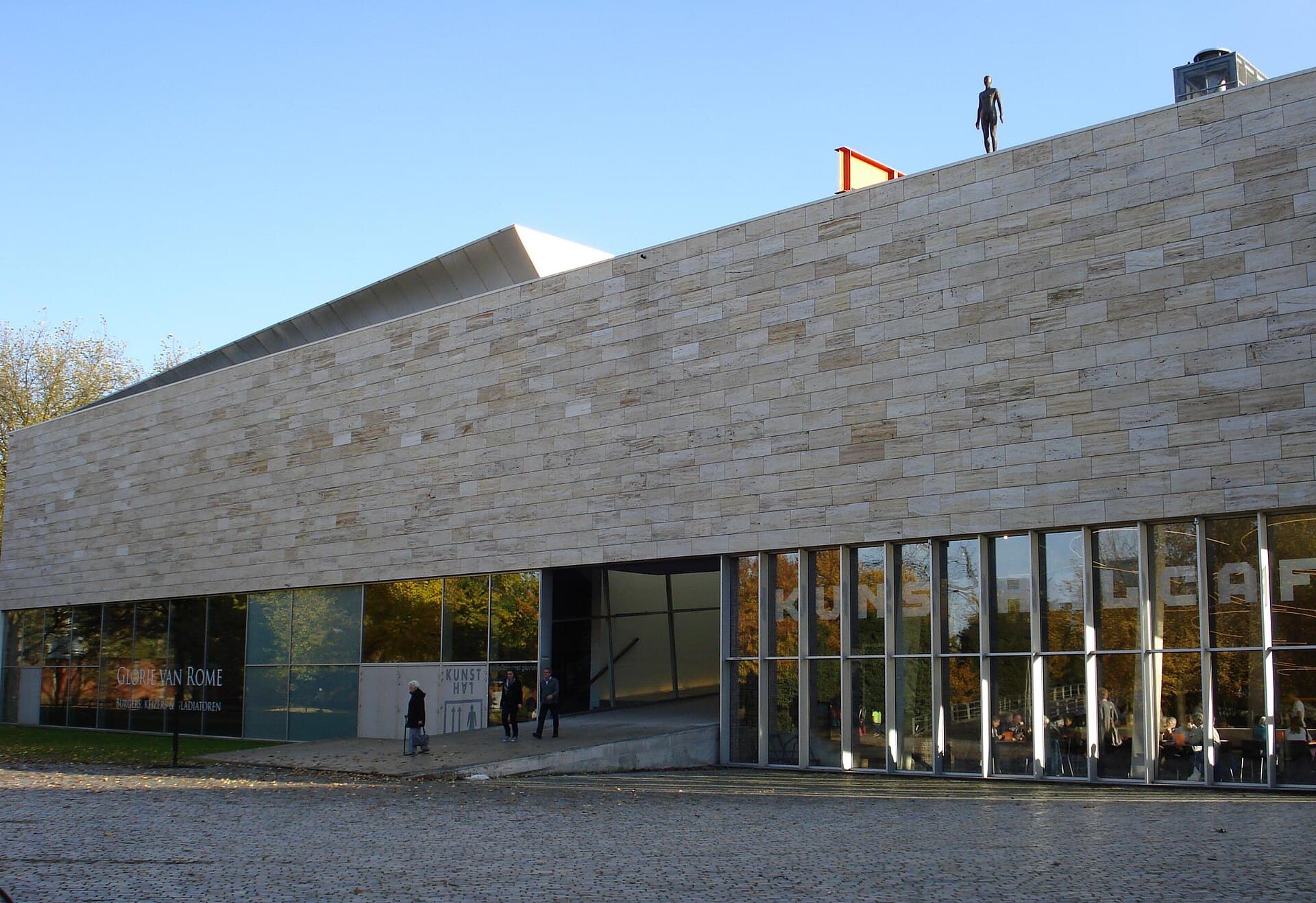 Kunsthal RotterdamA museum without a collection: the Kunsthal (1992) was designed by Rem Koolhaas,13 minutes walk4.5
Yes, and that is the better order. Rotterdam's modern architecture looks arbitrary to anyone who does not know the city was erased in 1940 and rebuilt by deliberate decision. After the museum you read the cube houses, the bridges and the towers as the result of a choice rather than an accident.
Entirely different in kind: this is a social city museum rather than an art museum. If you are after paintings, Amsterdam comes first without comparison; if you want to understand how a modern Dutch city and its people work, this is the better place.