
The 1909 front
Art Nouveau, with an ornate auditorium behind it.
Bjoertvedt — CC BY-SA 3.0 no · Eirik Sundvor / The Municipal Archives of Trondheim — CC BY 2.0 · Wolfmann — CC BY-SA 4.0 · Wolfmann — CC BY-SA 4.0
Den Nationale Scene is Norway's oldest permanent theatre, founded by the violinist Ole Bull in 1850 as the Norwegian Theatre in Bergen, at a time when the country's stages performed in Danish with Danish actors. The idea was as political as it was artistic: a theatre where Norwegians acted in their own language. To run it Ole Bull hired a twenty-three-year-old who had written almost nothing yet — **Henrik Ibsen**, who spent six years here as director and stage manager before becoming Europe's most performed playwright. This was his first job, and it is where he learned the theatre from the inside. He was followed in the post by Bjørnstjerne Bjørnson, who wrote the words of the Norwegian national anthem. The present building on Engen opened in 1909 with an Art Nouveau front and an ornate auditorium. It is still a working theatre with three stages and an almost daily programme, performing in Norwegian.
Art Nouveau, with an ornate auditorium behind it.
Where he learned the theatre before he wrote for it.
Engen 1, 5011 Bergen
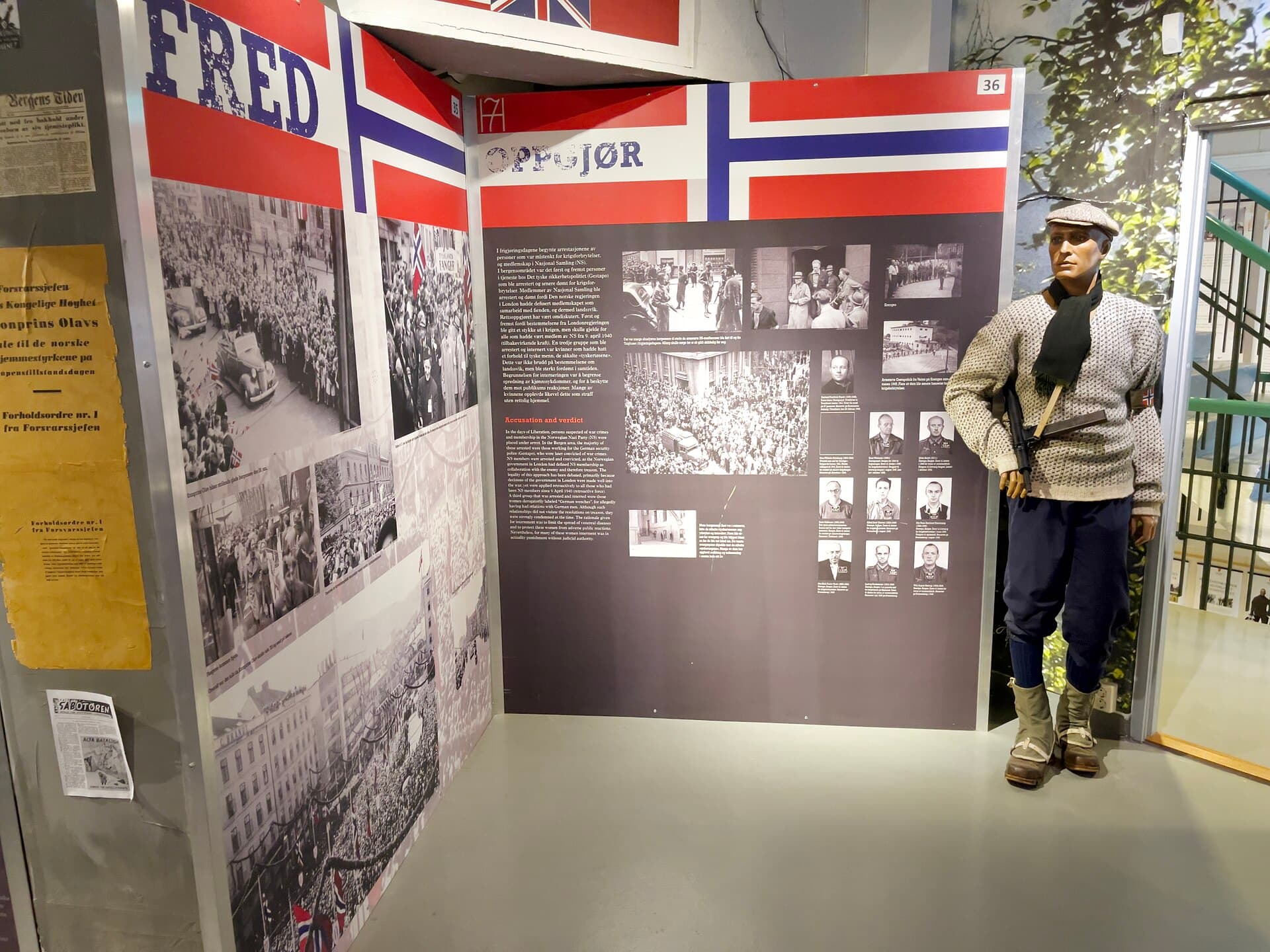 The Gestapo Museum, BergenIn the basement of an ordinary building on Veiten, two minutes from Torgallmenni1 minute walk4.4
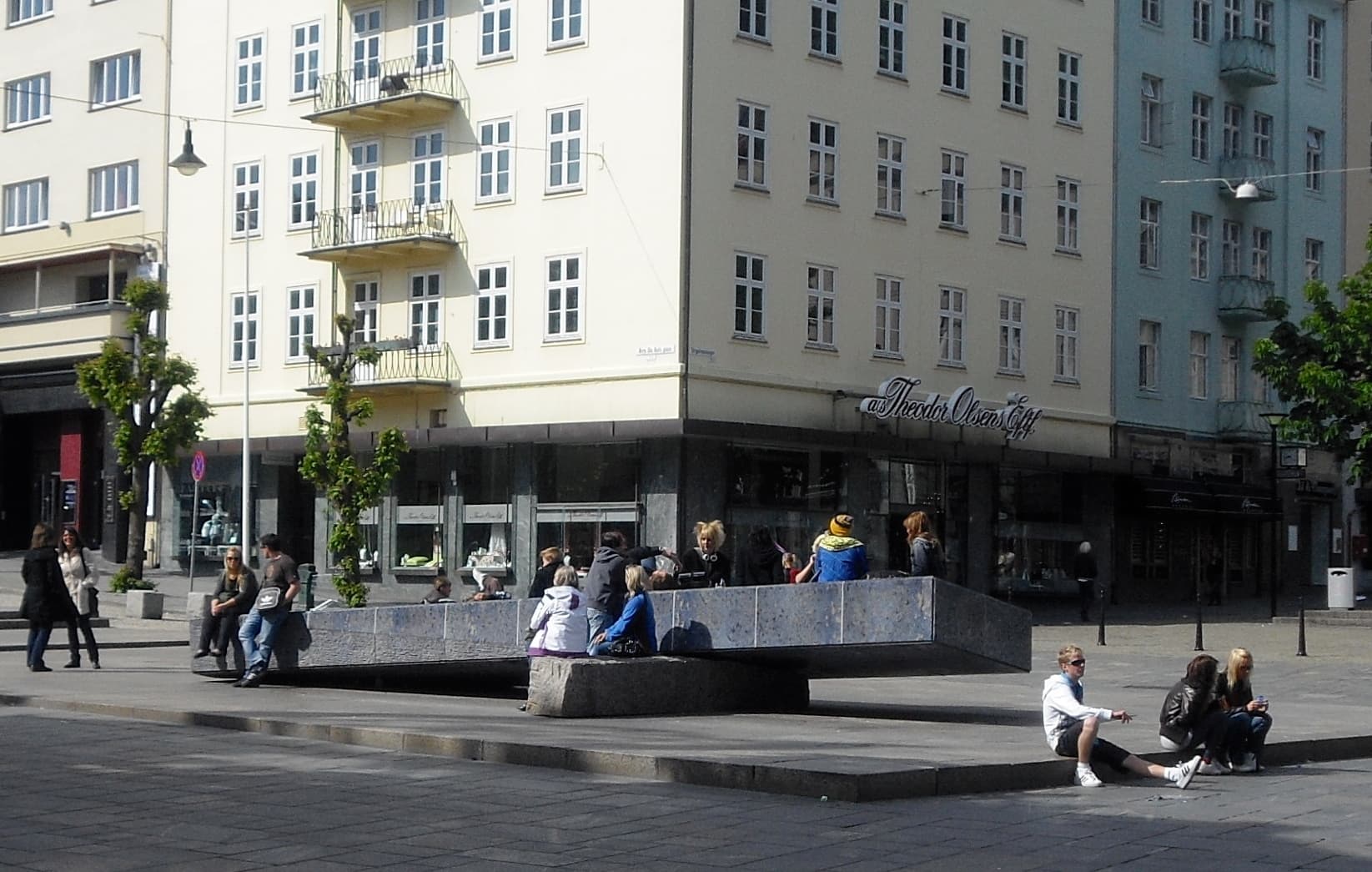 The Blue StoneThe Blue Stone is a long tilted slab lying across Ole Bulls plass, sculpted by A2 minutes walk4.5
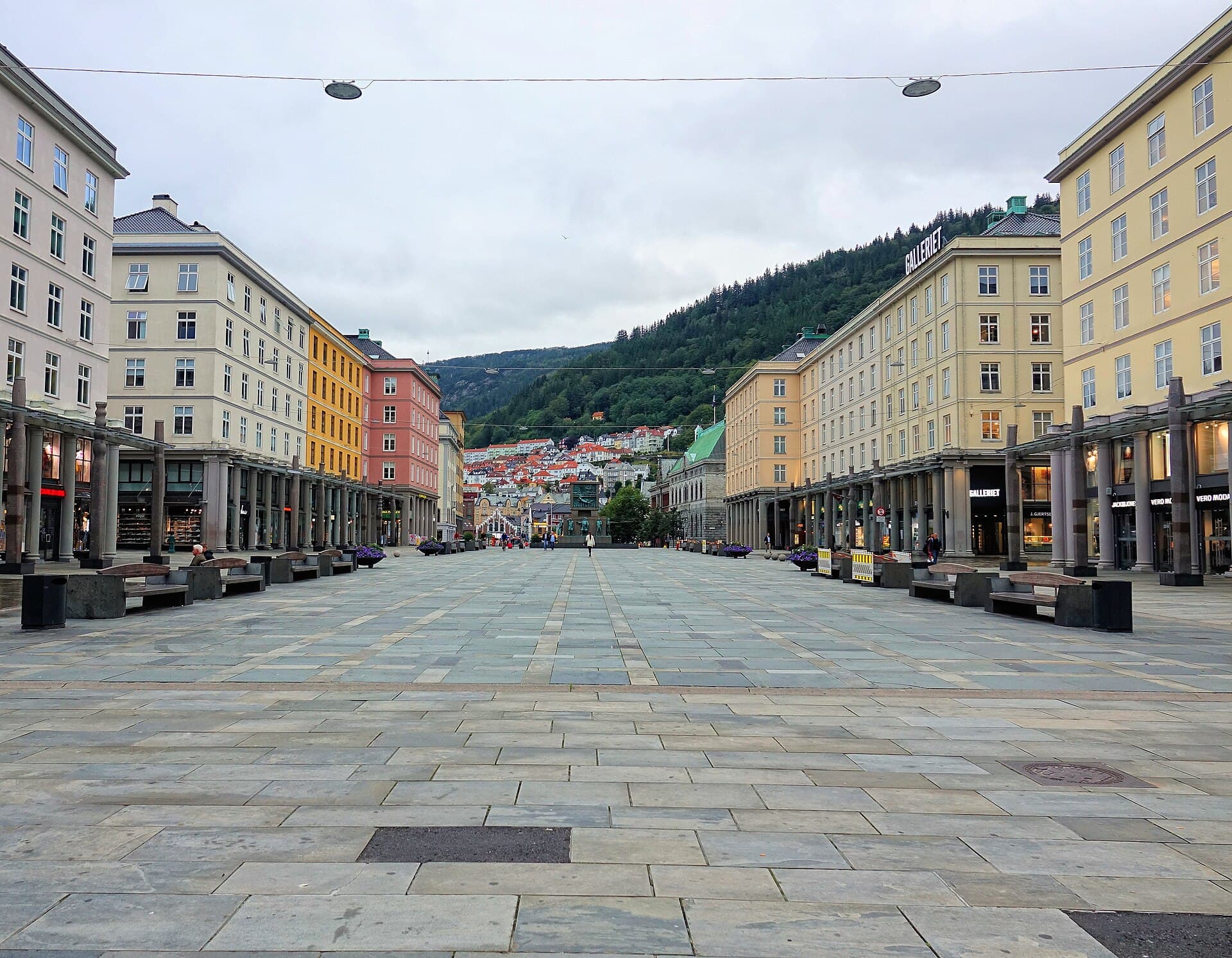 TorgallmenningenTorgallmenningen is Bergen's largest square and its commercial heart: a broad ca3 minutes walk4.1
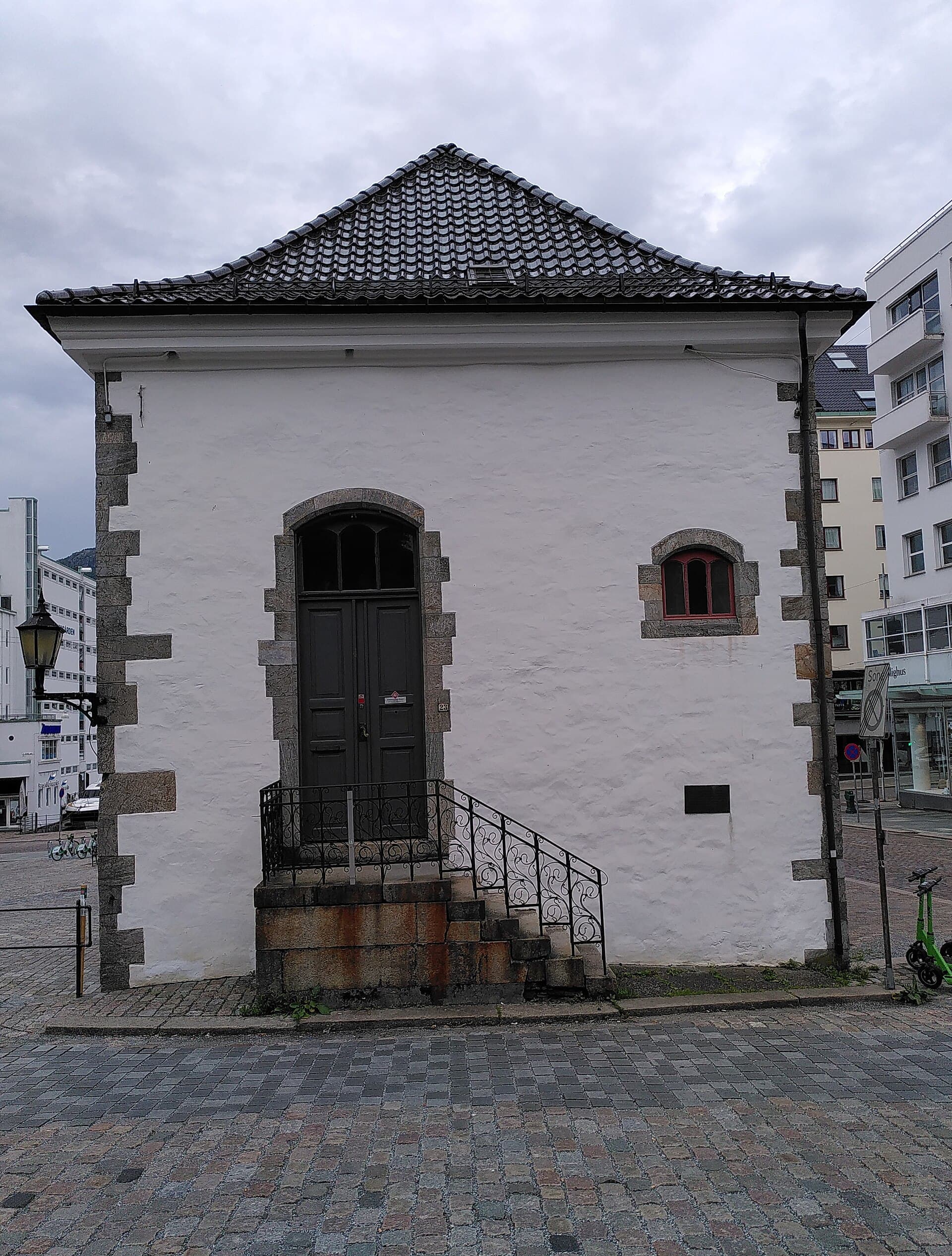 The Buekorps MuseumThe Buekorps is a tradition that exists nowhere but Bergen, and the small museum3 minutes walk4.4
 Seamen's MonumentA bronze monument on Torgallmenningen square in central Bergen, raised in 1950 i4 minutes walk4.6
A nineteenth-century Norwegian violinist who reached a fame no Norwegian had before him: hundreds of concerts across Europe and America, and comparisons to Paganini from his contemporaries. But his mark on Bergen is not only musical — he founded this theatre, backed the young Edvard Grieg, and tried to establish a Norwegian colony in Pennsylvania that failed and bankrupted him. The square holding the Blue Stone carries his name, his statue stands in it, and his house on the island of Lysøen south of the city is now a museum.