
The position
Halfway between the national theatre and Torgallmenningen.
Reinhardheydt — Public domain · Bahnfrend — CC BY-SA 4.0 · abbilder — CC BY 2.0
The Blue Stone is a long tilted slab lying across Ole Bulls plass, sculpted by Asbjørn Andresen and installed in 1993. Physically it is a polished block of blue-grey granite, low at one end and raised at the other by just enough to sit on and lean against — and there is nothing else to it. Its value is not in its shape but in its function: it is Bergen's agreed meeting point. When people in the city arrange to meet they say "at the Blue Stone" and no further explanation is needed. It has become where demonstrations wait, where marches gather and where students meet in the evening, because it sits exactly halfway between the national theatre and Torgallmenningen. That is worth noticing in itself: a monument that commemorates nobody and marks no event has outgrown artistically more important works simply by serving a practical need. Stop at it for a minute as you pass — it does not deserve a special trip.
Halfway between the national theatre and Torgallmenningen.
Blue-grey, shifting with the rain and the light.
Ole Bulls plass, 5012 Bergen
 The Gestapo Museum, BergenIn the basement of an ordinary building on Veiten, two minutes from Torgallmenni2 minutes walk4.4
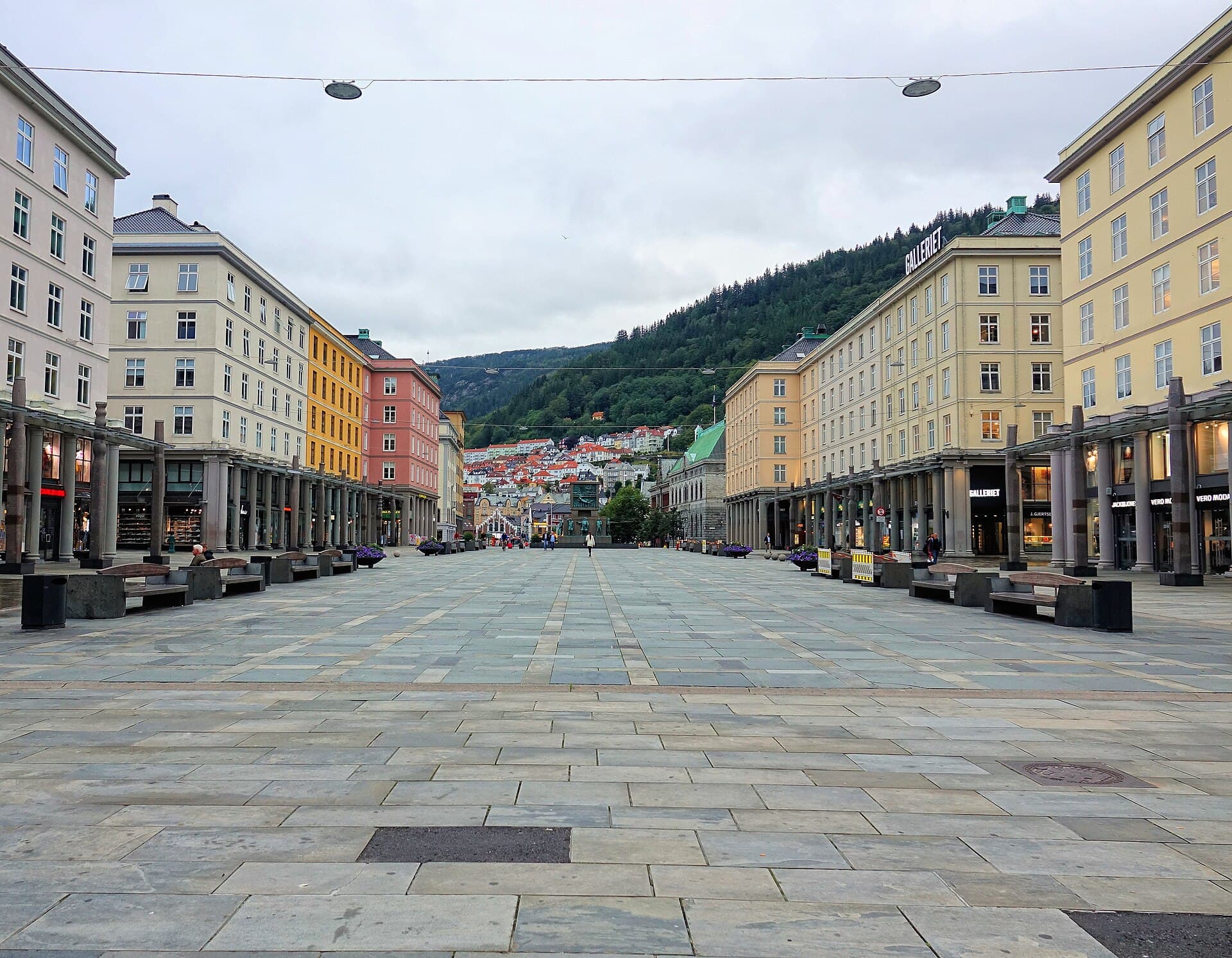 TorgallmenningenTorgallmenningen is Bergen's largest square and its commercial heart: a broad ca2 minutes walk4.1
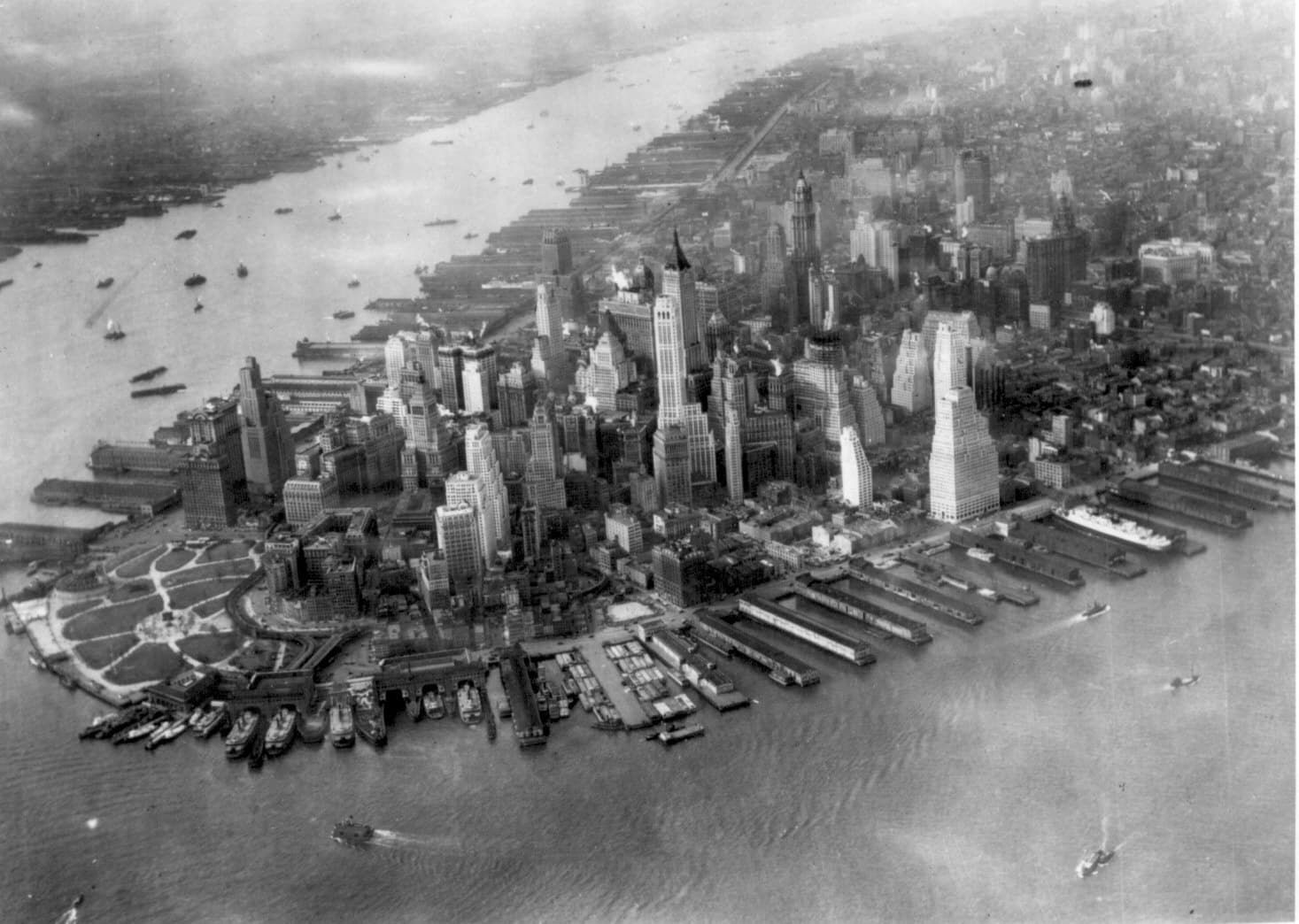 Seamen's MonumentA bronze monument on Torgallmenningen square in central Bergen, raised in 1950 i2 minutes walk4.6
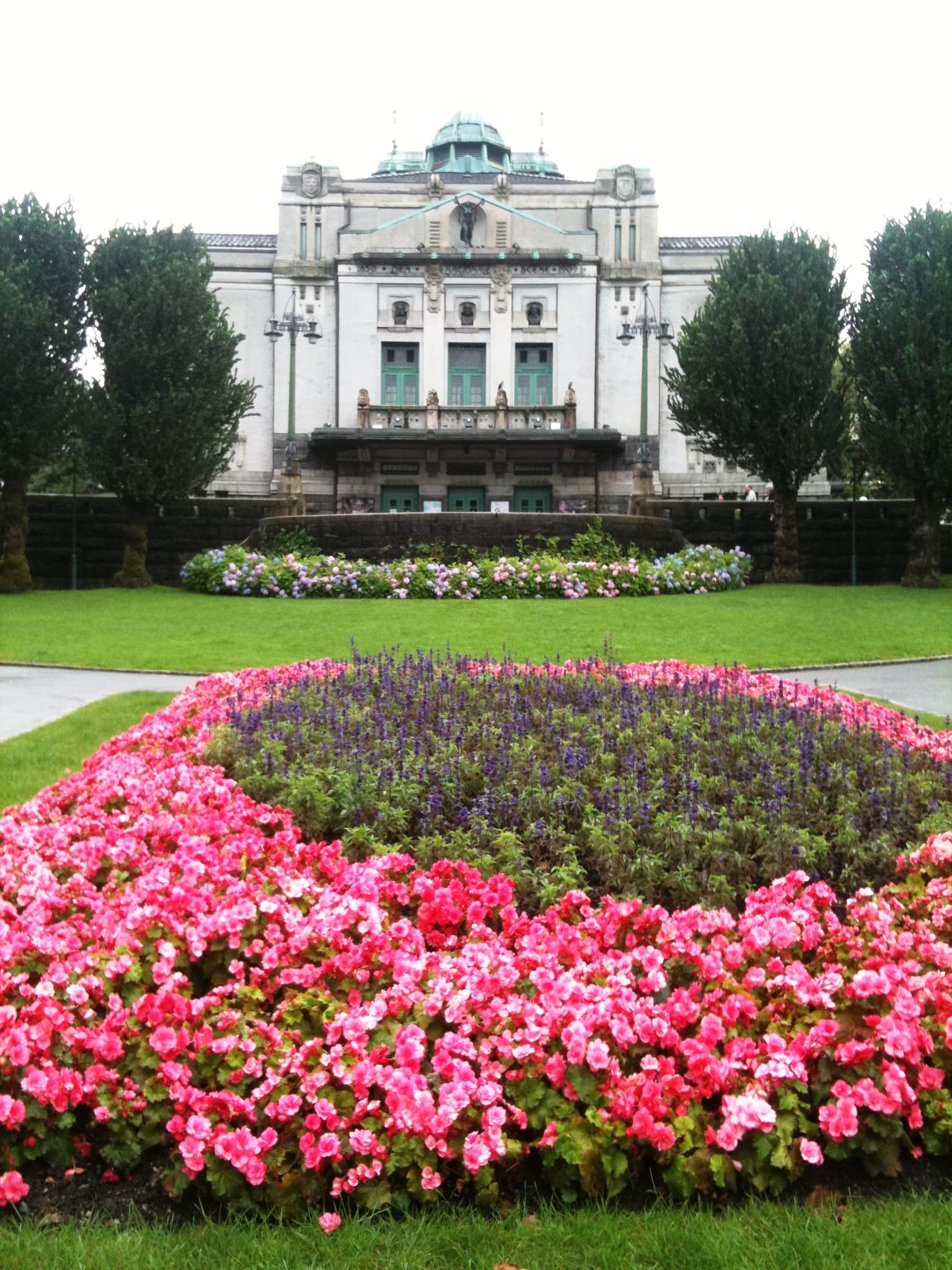 Den Nationale SceneDen Nationale Scene is Norway's oldest permanent theatre, founded by the violini2 minutes walk4.4
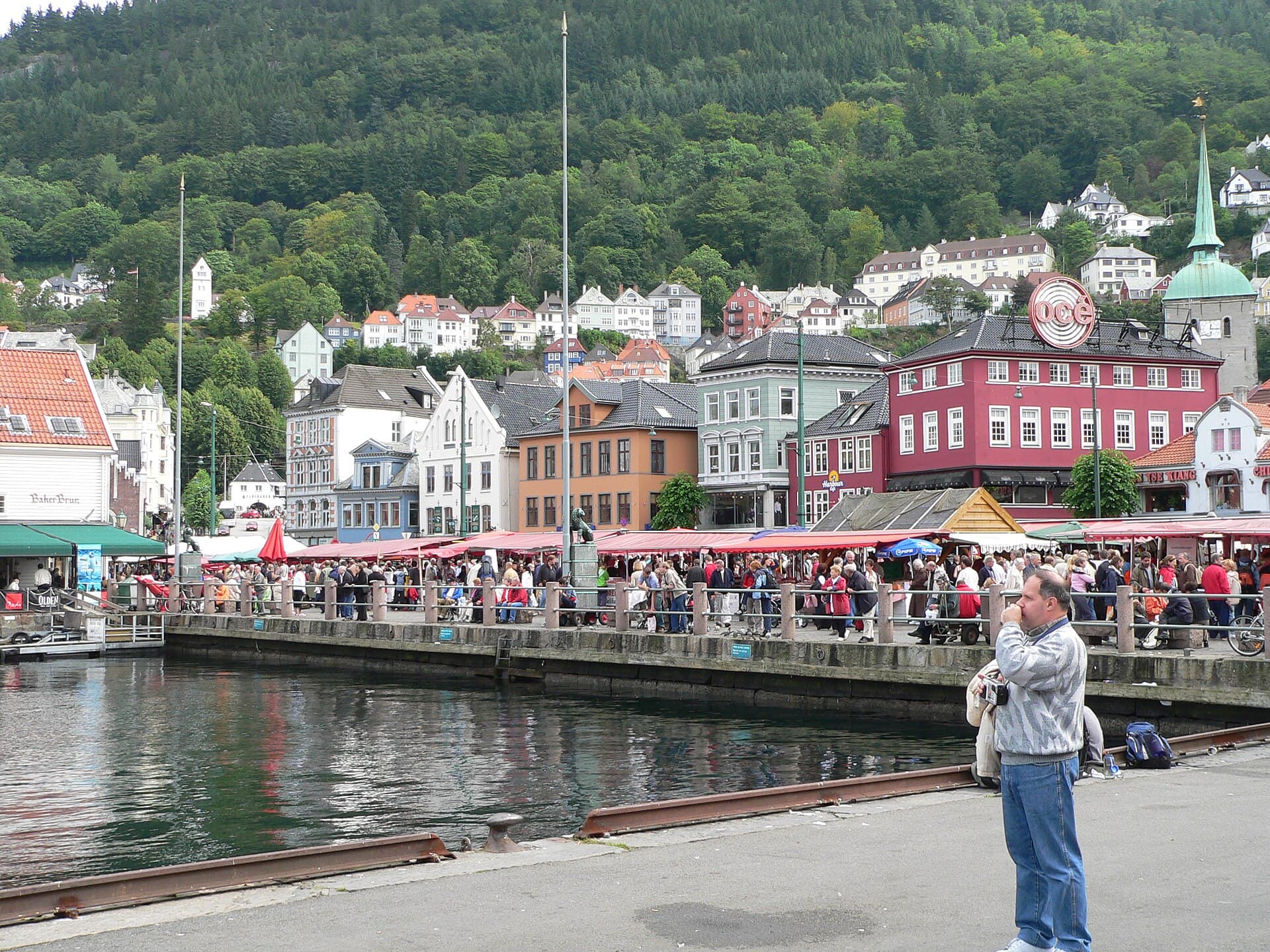 The Bergen Fish MarketThe fish market stands at the head of Vågen, the harbour inlet where the boats t4 minutes walk3.9
Most likely larvikite, the igneous rock quarried near the town of Larvik in southern Norway and treated as the country's national stone. What sets it apart is that its crystals throw back a blue shimmer that moves with the viewing angle, so it looks flat grey on an overcast day and deep blue when the rain wets it — which is why so many Norwegian stones end up called blue. It is exported polished for building fronts worldwide, and anyone who knows it starts noticing it in cities without ever having known where it came from.