
The Seamen's Monument
Seven metres of granite ringed with bronze panels.
Bjørn Christian Tørrissen — CC BY-SA 4.0 · Maarten Heerlien from Voorschoten, The Netherlands — CC BY 2.0 · trolvag — CC BY-SA 3.0 · Wolfmann — CC BY-SA 4.0
Torgallmenningen is Bergen's largest square and its commercial heart: a broad car-free stone expanse running between Ole Bulls plass and the fish market, lined with shops and cafés. It exists in this form because of a disaster. In January 1916 a fire swept central Bergen and destroyed some three hundred timber buildings. When the rebuilding came, the planners decided not to fill the space again: it was left deliberately wide as a firebreak to stop the next fire spreading, in a city that had burned repeatedly. Its width, in other words, comes from fear of fire rather than a wish for a grand square. At its western end stands the Seamen's Monument — a granite block seven metres high ringed with bronze panels telling the sea's part in Norwegian history from the Viking age to the twentieth century. The square is free and always open, and it is the axis every walk through central Bergen crosses.
Seven metres of granite ringed with bronze panels.
Linking the fish market straight to Ole Bulls plass.
Torgallmenningen, 5014 Bergen
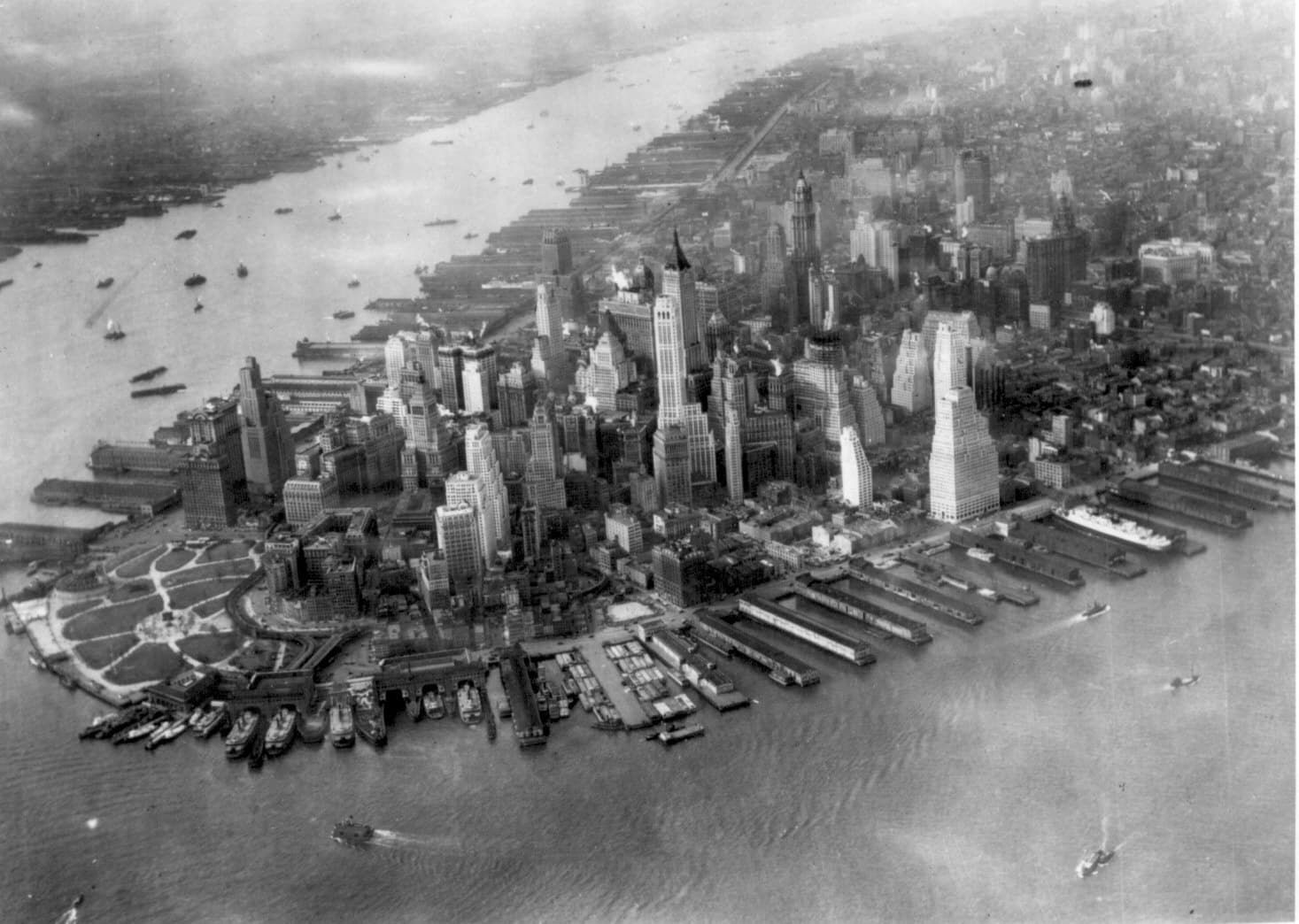 Seamen's MonumentA bronze monument on Torgallmenningen square in central Bergen, raised in 1950 i1 minute walk4.6
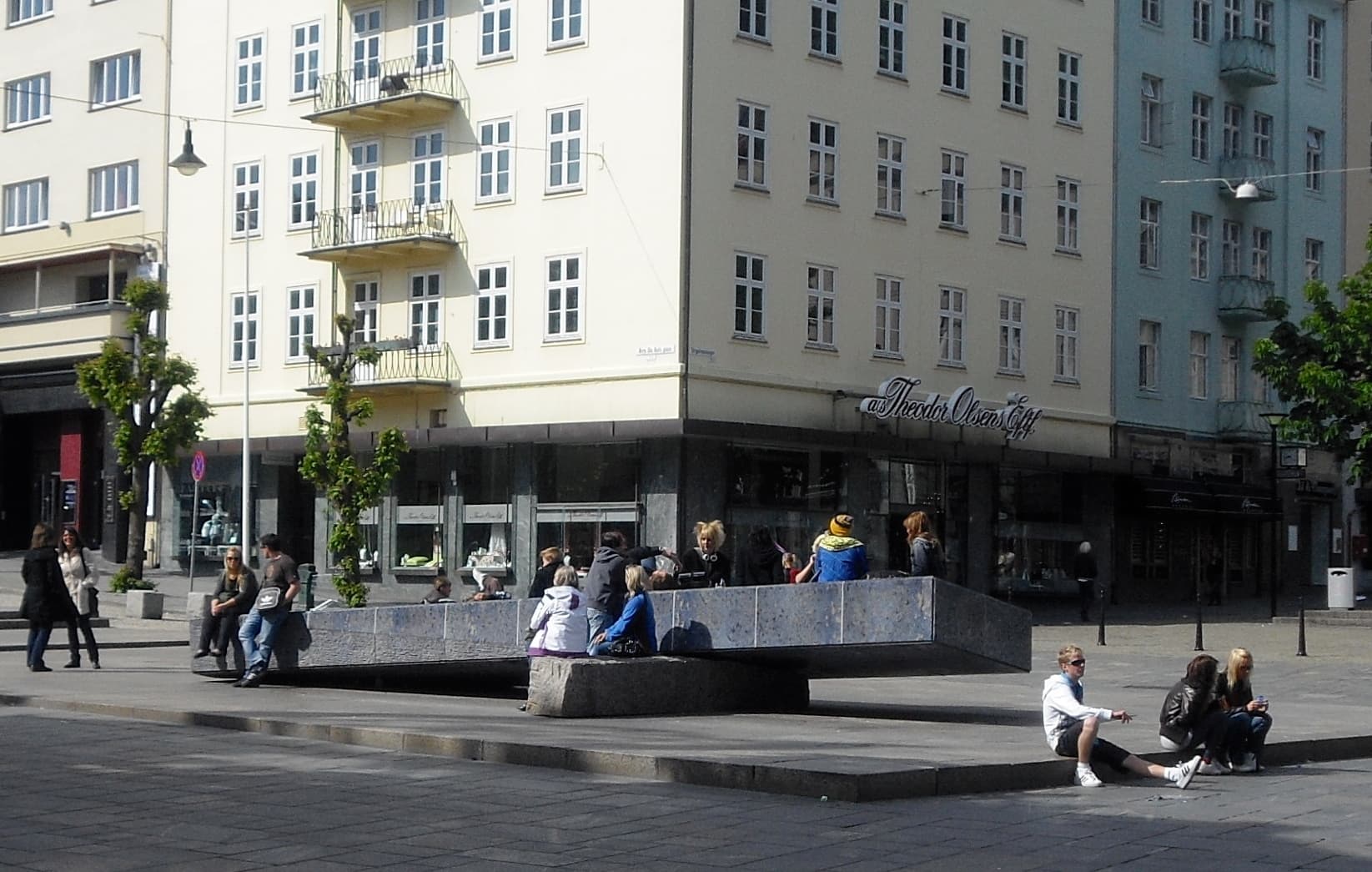 The Blue StoneThe Blue Stone is a long tilted slab lying across Ole Bulls plass, sculpted by A2 minutes walk4.5
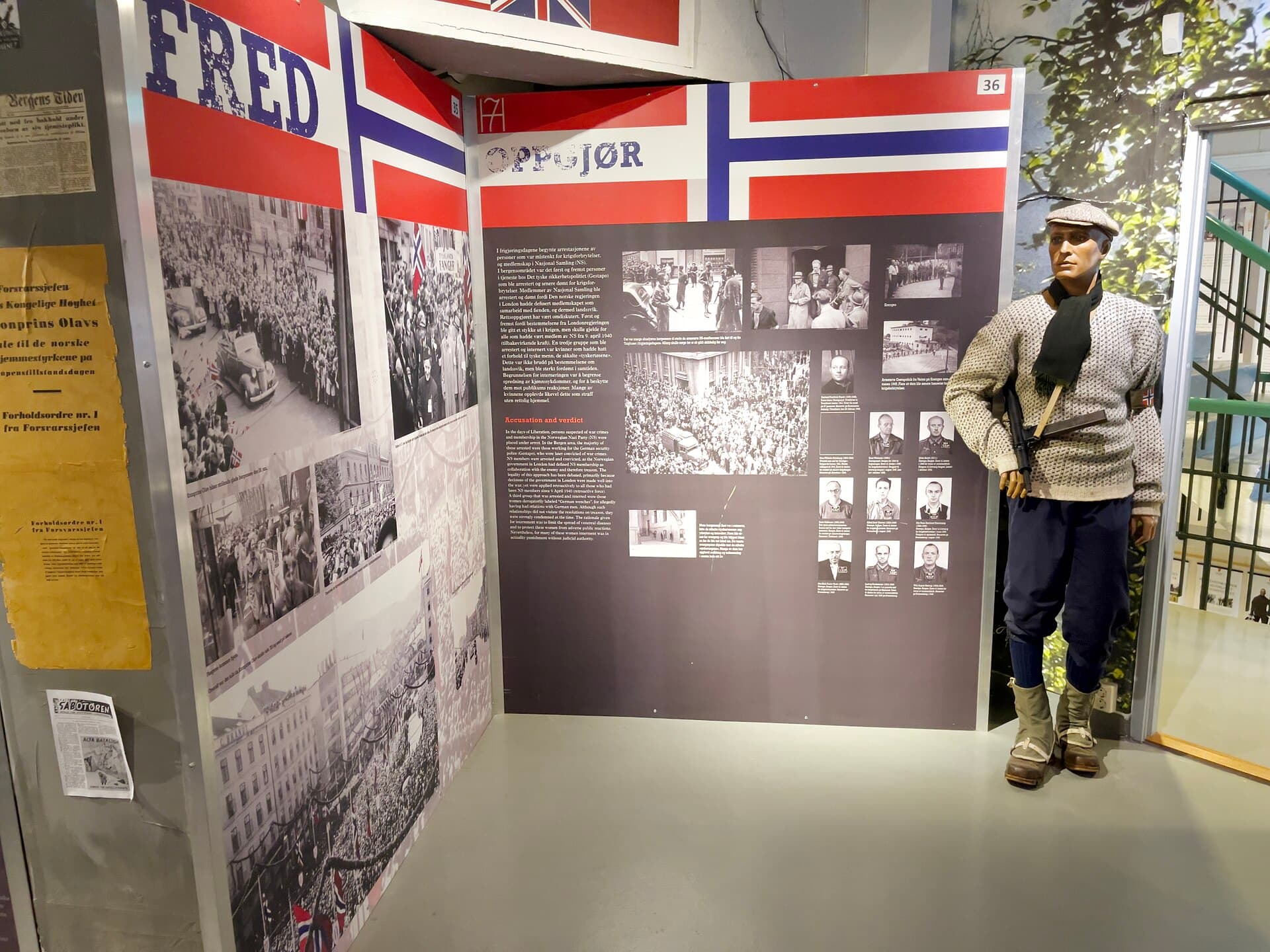 The Gestapo Museum, BergenIn the basement of an ordinary building on Veiten, two minutes from Torgallmenni2 minutes walk4.4
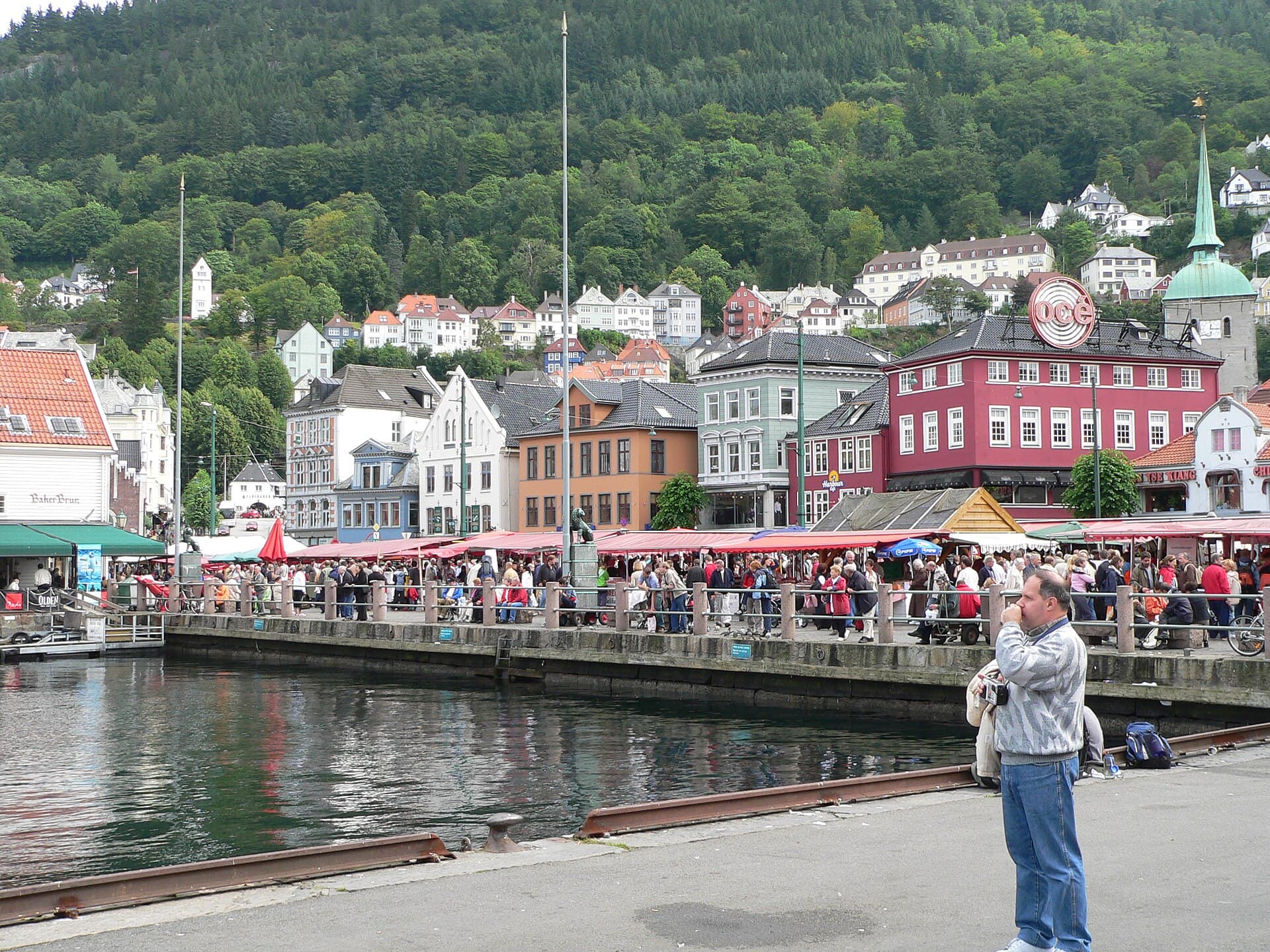 The Bergen Fish MarketThe fish market stands at the head of Vågen, the harbour inlet where the boats t3 minutes walk3.9
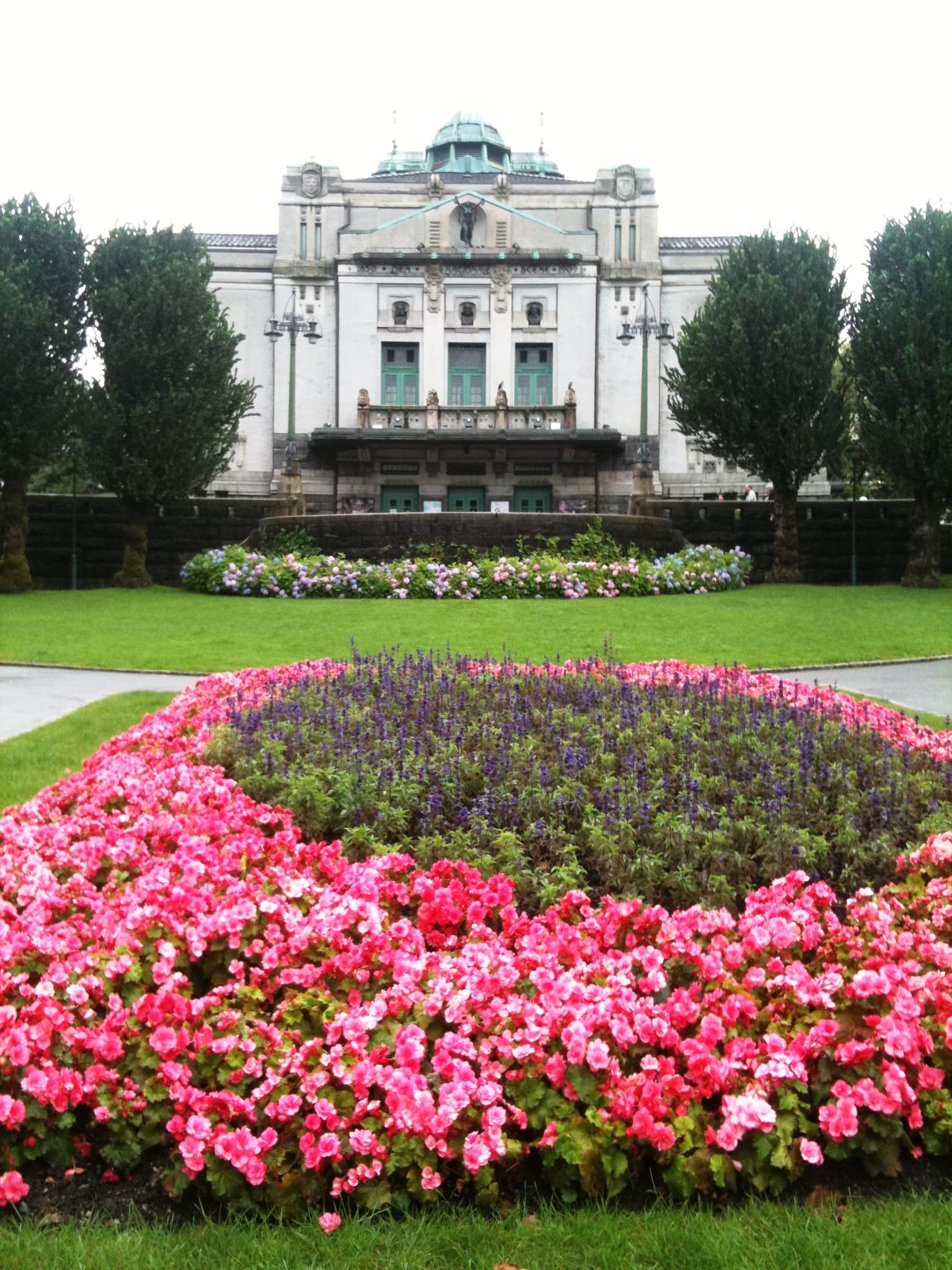 Den Nationale SceneDen Nationale Scene is Norway's oldest permanent theatre, founded by the violini3 minutes walk4.4
Because it was built of timber on a narrow strip between mountain and sea. Bergen's houses and warehouses were entirely wooden into the twentieth century, packed into alleys too tight for a fire engine, in a damp climate that does nothing to stop a fire once it starts. The city recorded more than thirty major fires from the Middle Ages on — the worst in 1702, which took most of it, and 1916, which produced the present square. Even the timber Bryggen on the World Heritage list is a rebuilding after the 1702 fire.