
The room where he died
The death room is kept as the emotional centre of the house, and it holds the original manuscript of the Young Italy oath.
Federigo Federighi — CC BY-SA 3.0 · FaceMePLS — CC BY 2.0 · Sailko — CC BY-SA 4.0 · Sailko — CC BY-SA 4.0
The man who imagined Italy before it existed died inside it under an English alias. In the winter of 1872 Giuseppe Mazzini slipped into Pisa in secret and took a room in the house of the Nathan-Rosselli family, under the name George Brown. The kingdom he had spent his life arguing into being had jailed him at Gaeta only two years earlier, because he kept insisting on a republic while the country had settled for a king. On 10 March he died upstairs, in a room you can still stand in. The house itself did not survive. On 31 August 1943 bombing flattened most of it and took nearly all the original furnishings with it; the papers and personal objects lived only because they had been moved to safety before the raid. It was rebuilt after the war and reopened in June 1952 with President Luigi Einaudi in attendance. So what you walk through is not a preserved home but a reconstruction built around a memory — and the place is candid about that rather than pretending otherwise. The visit runs over two floors: downstairs for Mazzini's early years and the Young Italy movement, upstairs for the long London exile and the stages of unification, told through documents, letters, photographs and screens. In the death room they display the original manuscript of the Young Italy oath. One family thread is worth catching: the house belonged to the Nathan-Rossellis, whose descendants Carlo and Nello Rosselli were murdered by fascists in France in 1937 — a single address holding both ends of a century of Italian politics. Be clear about what this is: a historical research institute with a small museum attached, not a major museum. Forty minutes covers it, and there is no art and no architecture to speak of. If Mazzini's name means nothing to you, skip it guiltlessly and give the time to the Field of Miracles instead. If you enjoy understanding how modern nations were actually assembled, it is one of the cheapest useful hours in Pisa: entry is free and it sits five minutes' walk from Pisa Centrale, which makes it the perfect filler for that awkward gap before a train.
The death room is kept as the emotional centre of the house, and it holds the original manuscript of the Young Italy oath.
The bombing of 31 August 1943 all but erased the building; it was rebuilt and reopened in 1952, and the collection survived only because it had been hidden beforehand.
The Nathan-Rosselli owners sheltered Mazzini, and their grandsons Carlo and Nello were later murdered by fascists in 1937.
Via Giuseppe Mazzini 71, 56125 Pisa, Italy
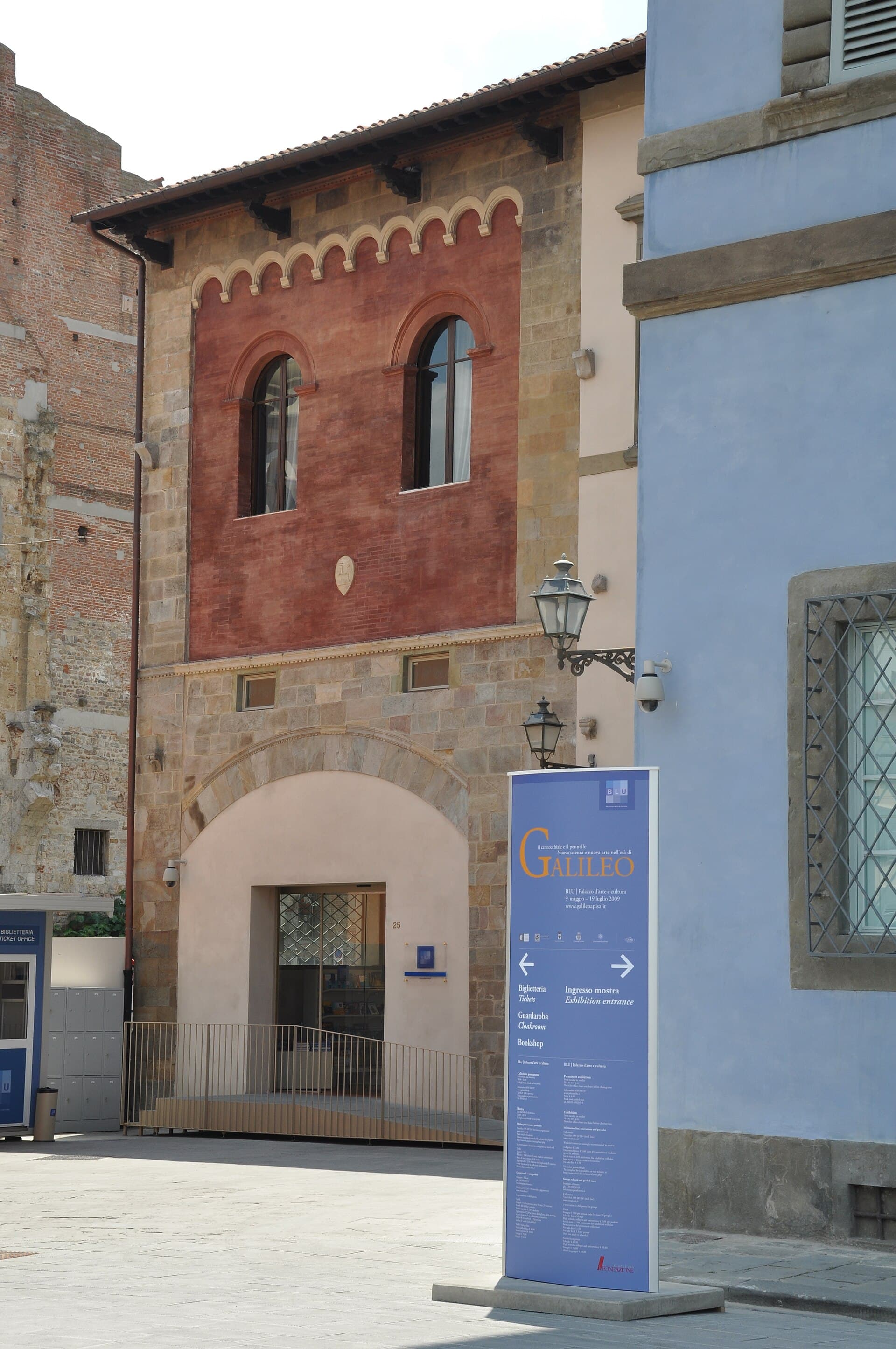 Palazzo BluOn the Arno's bank glows the Blue Palace — its odd sky colour an eighteenth-cent6 minutes walk4.4
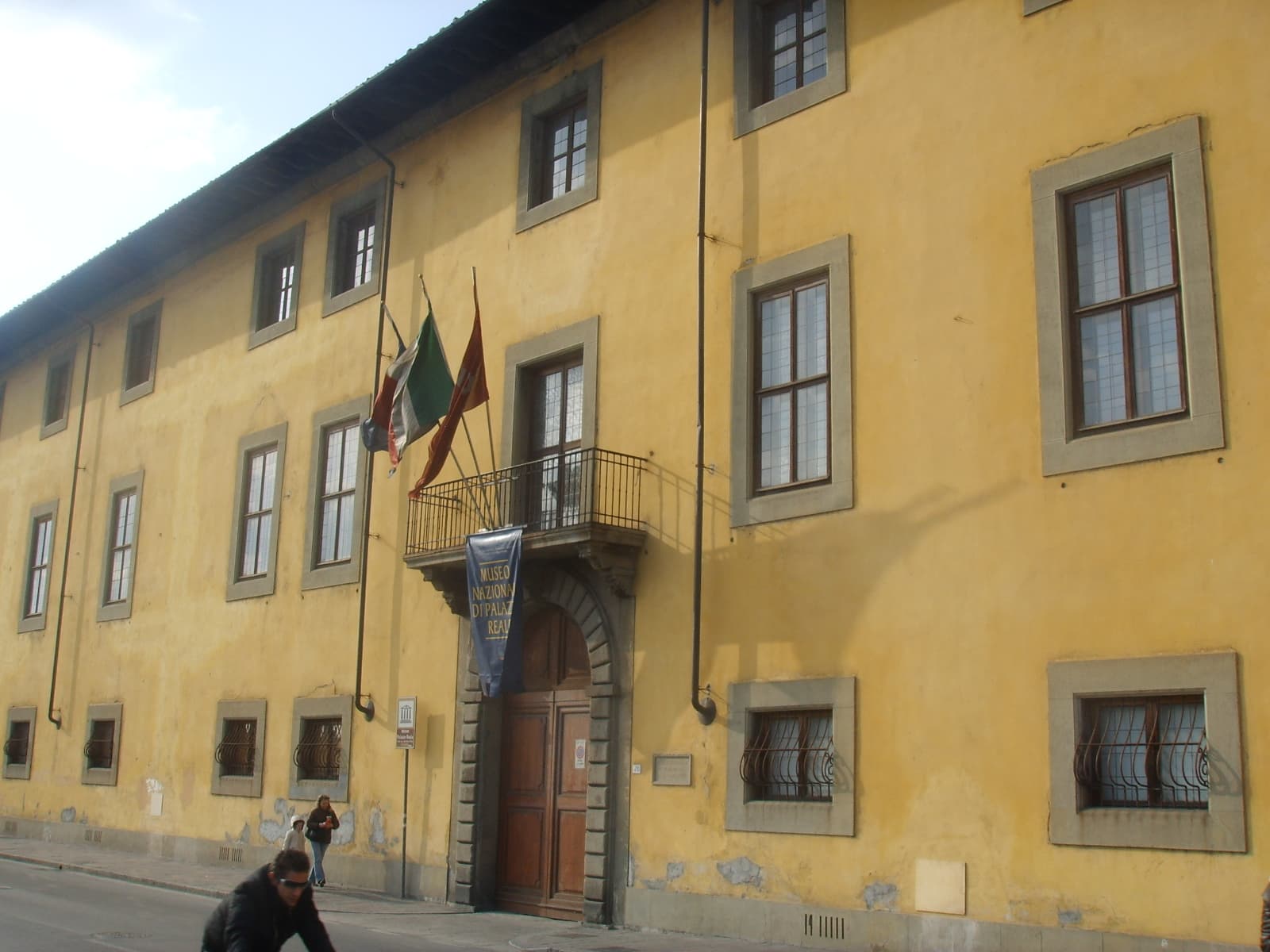 Museo Nazionale di Palazzo RealeA national museum inside Pisa's royal palace, on the bank of the Arno in the cit7 minutes walk4.1
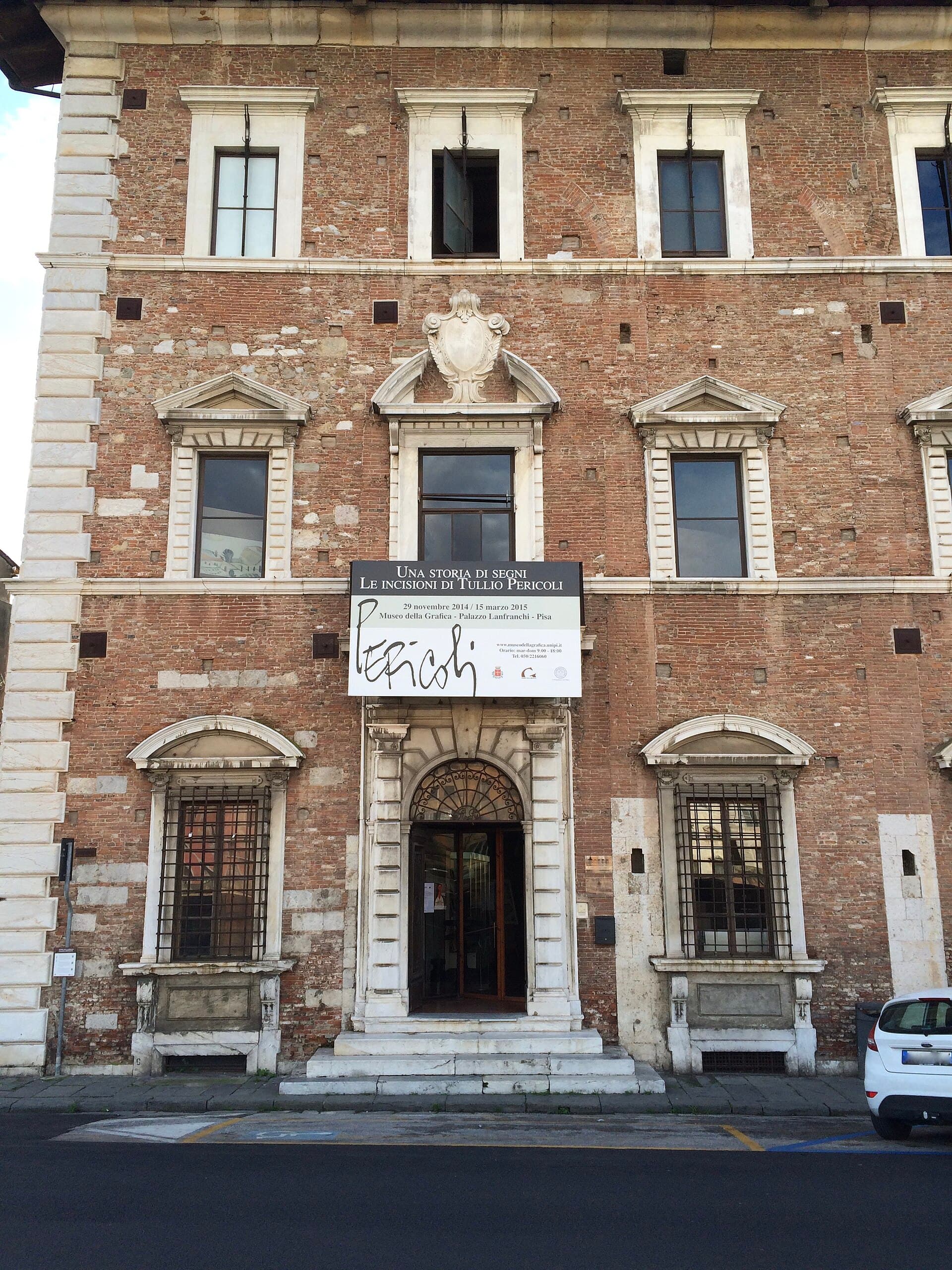 Museo della Grafica – Palazzo LanfranchiFrom the upper windows of Palazzo Lanfranchi the Arno runs between two banks of 8 minutes walk4.2
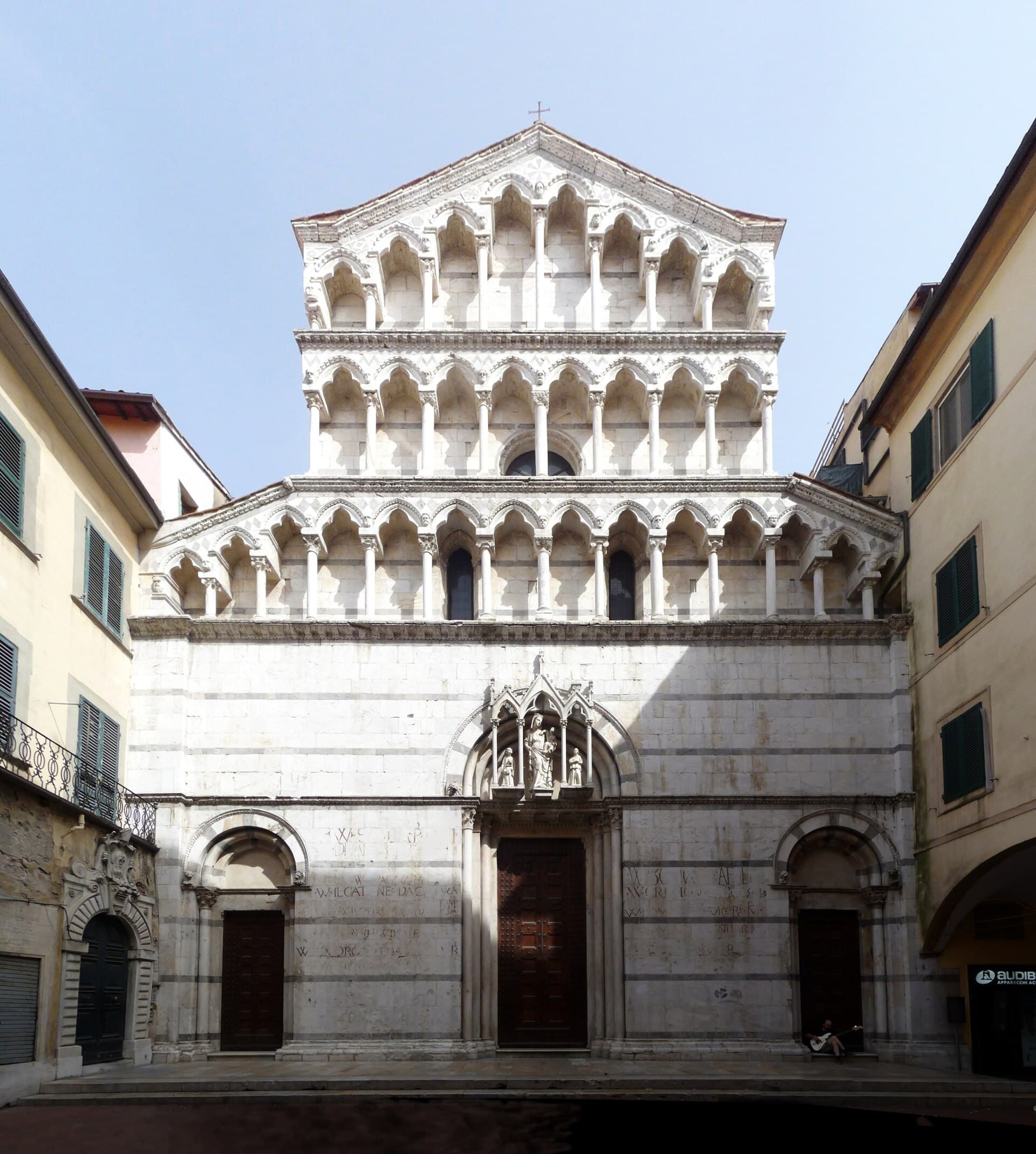 San Michele in BorgoIn 1597 and 1598, on the marble front of this church in the middle of Pisa's bus9 minutes walk4.5
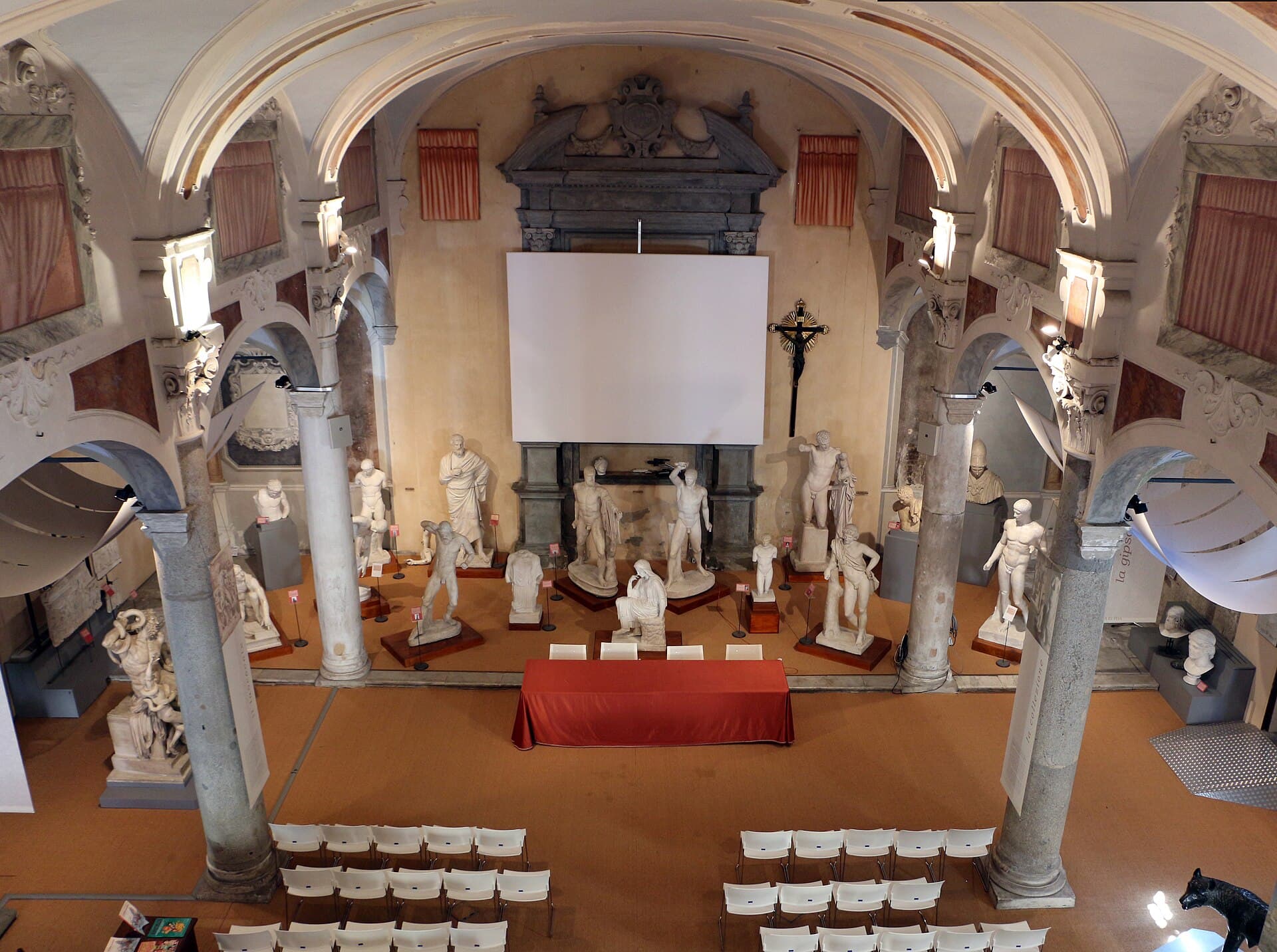 Gipsoteca di Arte Antica (Museum of Plaster Casts)The Laocoön wrestles his serpents beneath the arch of an empty Romanesque church10 minutes walk4.7
Probably not. The Field of Miracles, the tower, the baptistery and the Camposanto will fairly eat a short day, and this place cannot compete on spectacle. But it is free and very close to the station, so if you have an hour before your train and the making of Italy interests you, it is the best way to spend it.
Usually not. It runs Monday to Friday and closes on Saturday and Sunday, which catches a lot of visitors out, since most people reach Pisa on a weekend. Some listings still mention an occasional second-weekend-of-the-month opening, but the official timetable shows weekdays only. If your trip is weekend-only, write it off, and check the official site if you want to confirm any exceptional openings.